

Alimenti per chi soffre di reumatismi: consigli pratici di n
Un approccio olistico ai reumatismi: consigli pratici e ricette per una dieta antinfiammatoria a scopo preventivo o terapeutico.
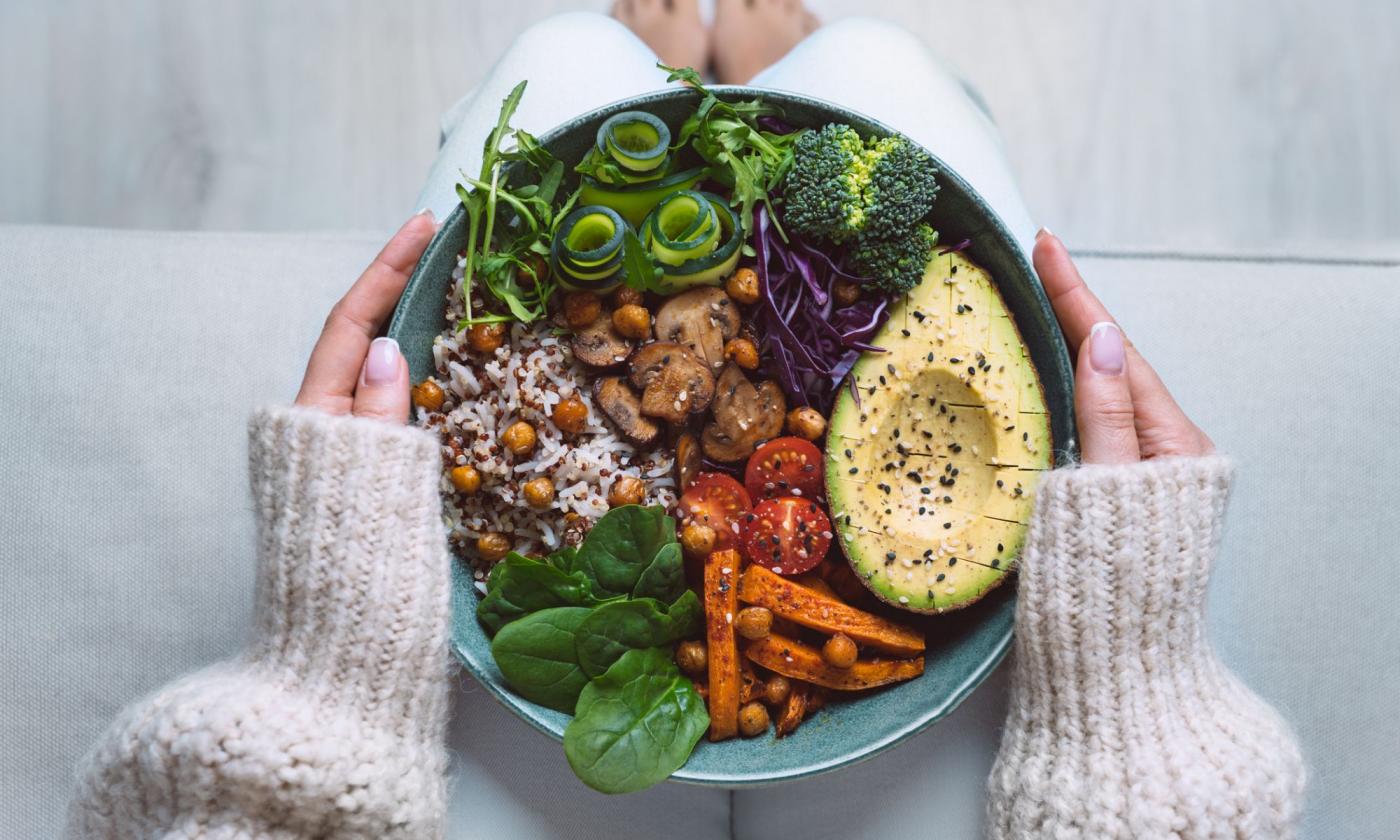
Sommario
Introduzione
Molte persone affette da reumatismi si sentono in balia della malattia, ma una dieta corretta può rappresentare una via per riacquistare autonomia.
L'alimentazione gioca un ruolo centrale in tutte le malattie reumatiche: in via preventiva, per ridurre il rischio di sviluppare la malattia, e in via terapeutica, per alleviare i sintomi acuti. Tra questi due estremi esistono approcci individuali, ad esempio l'eliminazione graduale dei tipici fattori scatenanti reumatici20,33 o la promozione mirata della salute intestinale e immunitaria.35,72 Tutto ciò può essere raggiunto con una dieta vegana sana e con raccomandazioni aggiuntive mirate (a seconda del tipo di reumatismo). Un elemento importante di questo approccio è rappresentato da ricette che rendono pratica nella vita di tutti i giorni una dieta antinfiammatoria, equilibrata e a base vegetale. Gli effetti vanno da un generale miglioramento del benessere e una riduzione dei sintomi alla diminuzione dei marcatori infiammatori.
Per comprendere meglio i consigli pratici, vi rimandiamo a due articoli supplementari:
- Nutrizione contro i reumatismi: un tema sottovalutato fa luce sulle basi scientifiche della terapia nutrizionale.
- Reumatismi: cosa significa? Questo articolo offre una classificazione medica della malattia e informazioni di base su rischi, sintomi e prevalenza. È pensato principalmente per esperti e pazienti.
Entrambi i testi forniscono una solida base per le strategie che presenteremo di seguito, dalle misure preventive ai consigli nutrizionali specifici per i sintomi acuti.
L'alimentazione come prevenzione
Se esistesse un paziente reumatico "tipico", sarebbe facile ricavare delle raccomandazioni dietetiche. In realtà, tuttavia, esiste un'ampia gamma di variazioni, a seconda della specifica patologia e della risposta individuale.
Le persone con uno stile di vita sano ma con una storia familiare di reumatismi sono spesso disposte a ridurre costantemente i fattori di rischio senza farmaci. Questi individui necessitano di un'educazione nutrizionale su come una dieta sana possa prevenire i reumatismi; con ciò intendiamo una dieta antinfiammatoria, equilibrata e a base vegetale. Si raccomanda il passaggio a un veganismo consapevole10,30,36,55,68 (o anche al crudismo vegano39). Questo porta, tra le altre cose, a una ridotta risposta immunitaria agli antigeni alimentari, abbassa i marcatori infiammatori e modifica favorevolmente il microbiota intestinale17,27,29,36,38,52,68. In generale, i vegani che mangiano consapevolmente consumano più antiossidanti rispetto a coloro che seguono una dieta mista o vegetariana, il che è associato a una minore rigidità articolare e a meno dolore.10,29 Approcci più moderati come la dieta mediterranea, la DASH (Dietary Approaches to Stop Hypertension)10,18,20 o varianti di diete vegetariane11 sono meno pro-infiammatori e meno squilibrati rispetto al fast food o ad altre diete occidentali; tuttavia, forniscono ingredienti pro-infiammatori in quantità non trascurabili. Pertanto, li consideriamo un passo indietro rispetto allo scenario ideale.
Quando si passa a una dieta vegana, è utile sottoporsi a un controllo nutrizionale (compresi esami delle urine e del sangue), in quanto permette di individuare eventuali carenze e di elaborare un piano nutrizionale adeguato.
Con una dieta vegetale equilibrata, gli integratori sono raramente necessari; per maggiori informazioni, consultate l'articolo "I vegani spesso mangiano in modo poco sano: errori nutrizionali da evitare".
- Monitorare attentamente i livelli di calcio è certamente fondamentale per l'osteoporosi e l'osteoartrite; tuttavia, una dieta vegana ben pianificata, che includa acqua minerale, generalmente fornisce una quantità sufficiente di calcio.10.33
- L'integrazione con vitamina D e acidi grassi omega-3 EPA e DHA può essere considerata per alcuni gruppi a rischio. La vitamina B12 è sempre necessaria.1,23,35,47,56,59,70
La documentazione è fondamentale per un'efficace auto-riflessione. Consigliamo di tenere un diario alimentare, anche prima di apportare qualsiasi modifica (sia in formato cartaceo che digitale). Il primo passo consiste nel registrare i pasti giornalieri (bevande incluse) per una settimana. Annotate le vostre abitudini alimentari nel modo più dettagliato possibile (cosa, quanto, quando, dove?). Includete eventuali sintomi, il vostro benessere, qualsiasi malessere e qualsiasi altra cosa notiate (digestione, affaticamento, livelli di energia, ecc.). Questo vi aiuterà a identificare potenziali intolleranze o allergie. L'uso dei colori può essere utile per l'analisi, per illustrare la frequenza dei diversi alimenti consumati e per identificare schemi ricorrenti (quanto spesso mangiate carne, verdura, snack, dolci, bevande zuccherate, ecc.).
Continuate a compilare il vostro diario alimentare anche durante un cambiamento di dieta legato alla terapia. Questo spesso include un regime di digiuno (a tempo limitato) o una dieta di eliminazione e culmina in una dieta a base di alimenti vegetali integrali. È consigliabile perfezionare ulteriormente questo approccio utilizzando i nostri suggerimenti specifici, che abbiamo elaborato per i diversi tipi di reumatismo (vedere il capitolo "L'alimentazione come terapia").
Componenti di un cambiamento alimentare salutare
Chi cerca indicazioni sulle raccomandazioni dietetiche spesso riscontra carenze nella letteratura scientifica sul reumatismo. Persino le comuni piramidi alimentari/tabelle dietetiche per il reumatismo1,17,56 non riflettono in modo coerente i risultati. Non rappresentano una soluzione ideale, ma semplicemente una versione meno problematica della dieta occidentale. Si veda il nostro articolo "Nutrizione per il reumatismo: un argomento sottovalutato".
Nella sezione seguente, definiamo le linee guida per un cambiamento alimentare salutare. Elenchiamo esempi di alimenti che fanno parte di una dieta a base di alimenti integrali di origine vegetale.
- Informazioni specifiche (incluse le fonti) sono reperibili negli ingredienti collegati.
- Ulteriori dettagli sugli ingredienti sono disponibili tramite il nostro strumento di ricerca, ad esempio utilizzando le parole chiave: artrosi, reumatismo, osteoporosi, artrosi (per riferimenti in lingua inglese: osteoartrite) o gotta.
- I composti secondari delle piante (SP) sono una componente importante di una dieta sana. Pertanto, leggi il nostro articolo Composti secondari delle piante - Fitochimici (o la panoramica più breve: Composti secondari delle piante - Fitochimici).
- Per spiegazioni più dettagliate, si prega di consultare il capitolo sull'alimentazione come terapia e i consigli relativi alle singole patologie.
Una dieta ben ponderata, sana e seguita con costanza per combattere i reumatismi è...
...privo di grassi animali e proteine animali
L'obiettivo è evitare i prodotti di origine animale e passare a una dieta a base vegetale, ovvero vegana. Sebbene una dieta vegetariana presenti dei vantaggi rispetto alla dieta occidentale, in genere ci fornisce più sostanze pro-infiammatorie rispetto a una dieta vegana (se bilanciata).
- Gli alimenti di origine animale contengono molti acidi grassi saturi (ASF).13,23 Gli ASF aumentano il rischio di artrite reumatoide (AR).29 Per saperne di più, consulta i suggerimenti per la gestione dell'artrite reumatoide.
- L'acido arachidonico (AA), un acido grasso omega-6, si trova nei prodotti di origine animale perché le piante non sono in grado di sintetizzare acidi grassi polinsaturi a catena lunga.69 È il precursore delle molecole di segnalazione pro-infiammatorie.55
- Sostituire le proteine animali con fonti vegetali30,55 (vedi i consigli per l'artrite reumatoide).
- Le proteine animali generalmente aumentano il carico acido nell'organismo (vedi consigli contro l'osteoporosi).10
- Inoltre, gli alimenti di origine animale come carne e pesce contengono molte purine, che portano a un aumento del carico di acido urico nell'organismo (attenzione per chi soffre di gotta - vedi consigli contro la gotta).
Ciò significa:
- Niente carne (incluse le salsicce), niente latte e niente uova. Le alternative vegetali al latte, come il latte di nocciola o il latte d'avena, possono facilitare la transizione.
- Consuma molta frutta e verdura non trasformata (a seconda della malattia, riduci anche le proteine di origine vegetale).
...equilibrato e a contatto con la natura
L'interazione dei diversi componenti di un alimento non trasformato è cruciale per la nostra salute,62 perché nel corpo umano avvengono simultaneamente numerosi processi biochimici.
- Gli alimenti non trasformati contengono meno sale, additivi alimentari e zucchero.46
- Gli alimenti naturali non contengono ingredienti altamente concentrati come sciroppo di fruttosio od oli.
- Una dieta varia include meno cereali contenenti glutine (ad esempio, grano, segale o farro). La gliadina, la principale proteina del glutine, rende le barriere corporee più permeabili (in modo simile agli additivi alimentari).58,68
- La varietà previene le carenze nutrizionali: parola chiave: Mangiare tutti i colori dell'arcobaleno (vedi i consigli contro la fibromialgia).
- Una dieta equilibrata rende superflui la maggior parte degli integratori, ad eccezione della vitamina B12 (vedi Nutrizione come prevenzione).10,23,47,59
Ciò significa:
- Freschezza al posto dei prodotti preconfezionati:
- Uva, muscadina: i polifenoli (SP) contrastano lo sviluppo e il peggioramento dell'artrite reumatoide.
- Il sedano, o il tè che se ne ricava, aiuta a prevenire e ad alleviare la gotta e altre malattie reumatiche.
- Cipolle crude primaverili/porri/invernali: i loro effetti contro l'artrite e l'obesità sono stati dimostrati.
- Cavolfiore: il potassio e le proprietà diuretiche e depurative del sangue di questa verdura crucifera sono utili in caso di artrite reumatoide e gotta.
- Lenticchie rosse cotte: Le lenticchie hanno un alto contenuto di purine per essere un alimento di origine vegetale. Le persone con livelli elevati di acido urico o gotta dovrebbero evitare rigorosamente gli alimenti ricchi di purine di origine animale. Gli alimenti di origine vegetale contenenti purine sono meglio tollerati.
- Mela (con la buccia): Le mele crude con la buccia hanno effetti positivi su patologie concomitanti, obesità e flora intestinale, ad esempio nell'artrite reumatoide.
- Melograno: i flavonoli (SP) hanno proprietà antiartritiche.
- Prugne Mirabelle: Le prugne Mirabelle e le prugne in generale sono antinfiammatorie, antiossidanti e riducono il rischio di osteoporosi, poiché i polifenoli (SP) in particolare aumentano la densità ossea.
- Ciliegie amare essiccate e non zuccherate: le ciliegie amare non zuccherate promettono benefici contro l'osteoartrite.
- Anguria: la luteolina e l'acido clorogenico sono tra i composti fenolici più importanti. La combinazione di queste due molecole ha il potenziale per ridurre i processi infiammatori nell'artrite reumatoide.
- Per questo motivo, evitate anche gli alimenti trasformati, soprattutto quelli contenenti zucchero e dolcificanti artificiali (aspartame, acesulfame K, saccarina e sucralosio – vedi Dolcezza salutare? Tra mito e realtà). Riducete anche il consumo di prodotti a base di farina bianca (pane, toast, pasta, fette biscottate): questi contengono molta gliadina.58
- Varietà tra cereali integrali, pseudocereali senza glutine e prodotti amidacei:
- Avena (avena da seme), mais
- Riso (riso basmati, riso integrale, riso selvatico)
- Pseudocereali (quinoa, amaranto, grano saraceno, kañiwa)
- Teff, miglio
- patate bollite
- Patate dolci, manioca, igname, castagne
...antiossidante e antinfiammatorio
Gli acidi grassi Omega-3 (ALA = acido alfa-linolenico), le vitamine e i fitochimici sono particolarmente importanti.1,12,16,17,20,28,55
Gli omega-3 possiedono proprietà antinfiammatorie:
- Semi e frutta secca: semi di lino, semi di canapa, semi di chia, semi di lupino, noci, noci di macadamia
- Oli salutari (solo in piccole quantità!): olio di semi di lino, olio di canapa, olio di noci, olio di colza
- Se assumete acidi grassi Omega-3 (EPA e DHA) come integratori, assicuratevi di scegliere prodotti vegani (ad esempio, derivati da olio di alghe): questi non sostituiscono una dieta equilibrata, ma la integrano.
Anche un rapporto LA-ALA favorevole è fondamentale:1,23,37 Un eccesso di acidi grassi omega-6 (LA = acido linoleico) porta a un eccesso di acido arachidonico (AA) pro-infiammatorio, che il corpo produce a partire dall'LA. Anacardi, arachidi, pinoli, semi di zucca, mandorle e semi di girasole hanno un'alta percentuale di acidi grassi omega-6 (acido linoleico = LA).
Segui una dieta ricca di vitamine:
- Vitamina A: verbena odorosa, acetosa, carote, patate dolci, cavolo nero
- Vitamina C: acerola, bacche di olivello spinoso, guava, peperoni gialli, peperoni rossi, aglio selvatico, foglie di fieno greco
- La vitamina E inibisce la perdita ossea:29,40,41 Semi di canapa, nocciole, mandorle, germe di grano; in particolare il tocotrienolo si trova in: germe d'orzo, annatto (spezia), crusca di riso, semi d'uva, avena, fiocchi d'avena, mais, bacche di olivello spinoso e segale.41
- La vitamina K è importante per la mineralizzazione di ossa e cartilagine (vedi consigli contro l'osteoartrite):23 bietole, cavolo nero, crescione, spinaci, cicoria, cavoletti di Bruxelles, broccoli.
- Acido folico (Vitamina B9 ): verdure a foglia verde (spinaci, lattuga romana), verdure crucifere (cavolini di Bruxelles, cavolo nero, cavolfiore, broccoli), asparagi, legumi (fagioli, piselli - vedi consigli contro la gotta).
- Vitamina B12: una carenza aggrava la stanchezza cronica (consigli per la fibromialgia).56 L'integrazione di vitamina B12 è necessaria per i vegani.
- La vitamina D regola il sistema immunitario e promuove un microbioma intestinale più sano;1,23,29,48,59 l'assorbimento tramite luce UV o, in caso di grave carenza, tramite integrazione, riduce il rischio di sviluppare artrite reumatoide fino al 40%29,59 (vedi anche Vitamina D - un problema per tutti?).
Composti secondari delle piante e nutrienti importanti:28,56
- Polifenoli: uva, mele, pere, ciliegie, frutti di bosco (ribes nero, ribes rosso, mirtilli rossi, mirtilli, lamponi), avena, mais, orzo
- Il calcio è molto importante per la prevenzione dell'osteoporosi (vedi consigli contro l'osteoporosi), soprattutto se assunto da fonti vegetali: erbe aromatiche (rosmarino, maggiorana, origano, menta piperita), rucola, cavolo riccio, spinaci, semi di canapa e acqua minerale (vedi il contenuto di calcio di diverse marche di acqua minerale nella regione DA-CH, ad esempio: D: Bella Fontains: 600 mg/l; A: Rogaska: 380 mg/l; CH: Adelbodner: 550-580 mg/l o Eptinger: 510 mg/l).
- Il selenio riduce i processi infiammatori:29,42 g di noci del Brasile (max. 1-2 al giorno), semi di senape, germe di grano
- Magnesio: cereali integrali, grano saraceno, quinoa, semi (semi di canapa, semi di lino), verdure a foglia verde (bietola, spinaci)
- Zinco: germe di grano, funghi porcini secchi, semi di canapa, riso selvatico, bucce di psillio
Più erbe aromatiche e spezie al posto del sale:
- Zenzero, crudo e macinato: l'estratto di zenzero allevia il dolore nell'osteoartrite e nell'artrite reumatoide.
- Curcuma, fresca e macinata: i suoi ingredienti antinfiammatori alleviano le malattie infiammatorie articolari nell'artrite reumatoide e il dolore articolare nell'osteoartrite.
- Pepe nero: l'alcaloide piperina ha un effetto antiartritico.
- Peperoncino di Cayenna: è un rimedio ben noto per l'artrite e l'osteoartrite.
- Ortica: Le proprietà antinfiammatorie e antiossidanti dell'ortica hanno un effetto analgesico. I composti secondari della pianta inibiscono la degradazione della cartilagine, un aspetto importante nelle malattie reumatiche infiammatorie e nell'osteoartrite. Questo rallenta l'usura delle articolazioni e riduce i sintomi.
- Foglie di coriandolo crude: i componenti antiossidanti e antinfiammatori (oli essenziali e polifenoli) aiutano a contrastare i disturbi reumatici.
Questo significa: mangia più frutta (i frutti di bosco sono potenti antiossidanti), più verdura ricca di vitamine, noci e semi con un sano rapporto LA-ALA, ma anche aglio e cipolle (Ulteriori informazioni: vedi consigli contro l'artrite reumatoide e consigli contro la fibromialgia).
...ricco di fibre
Le fibre alimentari hanno anche effetti antinfiammatori (parola chiave: acidi grassi a catena corta; per i dettagli vedere Antinfiammatori specifici nell'AR),27,29,55 favoriscono la digestione e modulano il sistema immunitario.29,31,35,37,52 Supportano sia la salute intestinale che la barriera intestinale. e regolare il microbiota intestinale.10,17,27,29,31,38,45,52
Gli alimenti ricchi di fibre contengono, in media, più antiossidanti rispetto agli alimenti poveri di fibre.62 Favoriscono la perdita di peso e alleviano gli effetti del sovrappeso e dell'obesità.10,23,25,29,60
Ciò significa: consumare più frutta e verdura non sbucciate, noci e semi, e prodotti integrali. Gli alimenti più ricchi di fibre sono:
- Bucce di psillio (80,8 g/100 g), crusca di frumento (42,8 g), semi di chia (34,4 g), semi di canapa (30 g) e semi di lino (27,3 g).
- Anche vari tipi di fagioli (20-25 g, si consiglia cautela a chi soffre di gotta!) e frutta secca (6-12,5 g) ne contengono un'elevata percentuale.
- Consuma preferibilmente prodotti integrali, come farina d'avena (10 g), grano saraceno (10 g), miglio (8,5 g), pasta integrale (8,3 g), quinoa (7 g) e spaghetti shirataki (4,1 g).
- Frutta e verdura ricche di fibre, come topinambur (7,1 g), avocado (6,7 g), ortiche (6,9 g), funghi porcini (6 g), piselli (5,7 g), more (5,3 g), ecc., ma anche mele con la buccia, arance, carote, cavolfiori e cavoletti di Bruxelles contribuiscono a una dieta ricca di fibre.
Possibile limitazione: è noto che una dieta ricca di fibre può portare a un aumento della popolazione di Prevotella. In alcune persone, ciò può essere associato a un potenziale peggioramento dei sintomi dell'artrite reumatoide. Tuttavia, l'impatto individuale dipende fortemente dai ceppi specifici di Prevotella, dal microbiota intestinale complessivo e dalla genetica personale.44 Lo stato attuale della ricerca non è ancora sufficientemente avanzato per formulare raccomandazioni specifiche. Se la digestione è sensibile alle fibre, aumentarne gradualmente la quantità.
...generalmente più povero di grassi
Una dieta a basso contenuto di grassi è meno infiammatoria e favorisce un microbiota intestinale sano. Al contrario, una dieta troppo ricca di grassi riduce la popolazione di batteri intestinali benefici e contribuisce all'infiammazione, nonché indirettamente all'aumento dei livelli di acido urico nel sangue (iperuricemia).18,52
Ciò significa che, oltre ai grassi animali (carne, latticini, ad esempio burro, uova), è opportuno evitare o ridurre drasticamente anche gli oli e i grassi vegetali concentrati:
- Evita il più possibile i grassi vegetali saturi: olio di palma e olio di cocco, olio di arachidi, olio di semi di zucca, ma anche margarina vegetale.
- Evitare gli oli con un rapporto LA-ALA sfavorevole: olio d'oliva, olio di semi di zucca, olio di sesamo, olio di girasole, olio di arachidi
...arricchito con alimenti fermentati
Gli alimenti fermentati (sia cibi che bevande) apportano benefici alla salute e proteggono dalle malattie metaboliche e immunomediate.27
Questo significa: integrate i crauti e il kimchi nella vostra dieta. Potete anche aumentare i bifidobatteri e i lattobacilli nel vostro corpo con kefir, kombucha, tempeh, natto e miso (vedi i consigli per la fibromialgia).
Ricette per una dieta antinfiammatoria
Vi proponiamo alcune ricette che combinano molti dei benefici antinfiammatori di una dieta vegana. Anche se le singole ricette non coprono tutti i nutrienti menzionati, la combinazione consapevole di piatti diversi e vari garantisce un'alimentazione equilibrata e ricca di nutrienti.
Ricette vegane crudiste
Le seguenti ricette vegane crudiste possono essere combinate in molti modi. Adattate le ricette ai vostri gusti e alle porzioni desiderate (spuntini come piatti principali, piatti principali come antipasti, ecc.).
Colazione/Spuntini
- Il muesli vegano crudo di Erb è un muesli senza glutine con semi, numerose vitamine, fitochimici e fibre. Con un rapporto LA-ALA di 1:1, è ideale per mantenere un sano equilibrio nell'organismo.
- Il budino di psillio (Erb-Pudding) ha un alto contenuto di fibre, è ricco di Omega-3 e vitamina C.
- Oltre a un buon rapporto LA-ALA, le palline dolci di datteri e noci con polvere di carruba offrono anche una quantità sufficiente di manganese e vitamine del gruppo B.
- Il dessert Erb-Resveratrol con uva nera contiene un'elevata quantità di resveratrolo (un composto vegetale secondario) e presenta un buon rapporto LA:ALA (1:1).
Antipasti/Zuppe/Insalate
- La zuppa cruda vegana di peperoni con curcuma non è solo ricca di vitamina C, selenio e acidi grassi omega-3, ma offre anche i benefici antinfiammatori della curcuma.
- Insalata di barbabietole senza olio con mela: qui trovi fibre salutari, omega-3 da semi di lino e noci, e ingredienti antiossidanti da mela, arancia, pepe e aneto.
- L' insalata di prezzemolo con pomodori e succo di limone è particolarmente ricca di vitamina K e vitamina C.
- I panini con semi di lino, aglio, zucchine e zucca contengono un'elevata quantità di acidi grassi omega-3 antinfiammatori.
- L'insalata di cavolo nero agrodolce con barbabietola contiene vitamina K, vitamina C e acido folico. L'utilizzo di noci al posto dei semi di girasole aumenta la quantità di acidi grassi omega-3.
- Gli involtini di cetriolo con crema di bietole e spinaci sono ricchi di vitamina K e acido folico.
Piatti principali
- Mix di Erb con kimchi di daikon: questa ricetta fornisce molti micronutrienti, tra cui il fabbisogno giornaliero di selenio e iodio. È ricca di acido folico, vitamina K e vitamina A, e il kimchi (fermentato) apporta batteri lattici benefici. Porzioni più piccole possono essere gustate anche come antipasto.
- Questo cremoso Pad Thai completamente crudo, con salsa di sesamo fruttata, fornisce fibre, vitamina K, vitamina C, vitamina A e acido folico.
- La torta salata con pomodori secchi e hummus di zucchine ha un buon rapporto LA-ALA.
- Il chili vegano crudo e senza olio è una buona fonte di vitamina C, vitamina K, vitamina B6 e acido folico, e offre un buon rapporto LA:ALA.
Ricette di cucina vegana
Le seguenti ricette possono essere facilmente integrate nella vita di tutti i giorni. Presta attenzione alle tue esigenze nutrizionali individuali e privilegia gli alimenti antinfiammatori con un buon rapporto LA-ALA. Puoi anche sostituire alcuni ingredienti.
Colazione/Spuntini
- Il porridge di semi di papavero e limone con avena e vaniglia è ricco di calcio; per migliorare il rapporto LA:ALA, si possono utilizzare semi di lino al posto dei semi di papavero e latte d'avena al posto del latte di mandorla.
- Il pane integrale ricco di fibre con noci contiene, oltre alle fibre, un'elevata percentuale di acidi grassi omega-3, selenio e manganese.
- Il budino di semi di chia con cannella e cardamomo contribuisce al fabbisogno giornaliero di acidi grassi omega-3; abbinato alle noci, si avvicina ulteriormente all'obiettivo.
Antipasti/Zuppe/Insalate
- La zuppa di licopene e pomodori è ricca di licopene, un composto vegetale secondario, oltre che di vitamina C e vitamina K.
- La zuppa di patate con verdure ha un buon rapporto LA:ALA e, oltre alla vitamina K, alla vitamina B6 e alla vitamina A, fornisce anche acido folico.
- La zuppa di pastinaca con pera, timo e noci ha un buon rapporto LA-ALA e fornisce manganese e vitamina C.
- L'insalata satay con spaghetti soba contiene un'elevata quantità di vitamina K, vitamina C e acido folico.
- Il paté di funghi con albicocche e cracker alle erbe e senape è ricco di acidi grassi omega-3.
Piatti principali
- Finocchio ripieno alla mediterranea con farro verde: una porzione copre quasi il triplo del fabbisogno giornaliero di vitamina K. Soddisfa anche il fabbisogno di manganese e vitamina B1. Il rapporto tra acidi grassi omega-6 e omega-3 non supera il rapporto massimo raccomandato di 5:1.
- Le melanzane ripiene di noci e melograno hanno un buon rapporto LA:ALA e forniscono acido folico.
- I tortellini di noci con funghi offrono un'ottima fonte di vitamina K, acido folico e un buon rapporto LA:ALA.
- Gli involtini di cavolo con bulgur di mela e sedano forniscono un'ottima quantità di fibre, vitamina K, vitamina C e acido folico.
Qui puoi trovare altre ricette, che puoi filtrare in base a diversi criteri: Ricette con ingredienti, Cerca ricette vegane.
La nutrizione come terapia
Un cambiamento nella dieta è particolarmente importante per le persone con dolore reumatico acuto, malattie concomitanti e reazioni immunitarie ai comuni farmaci reumatici che seguono abitualmente una dieta altamente infiammatoria.17,20,21,46 I fattori scatenanti tipici dei disturbi reumatici includono alti livelli di grassi animali, acidi grassi saturi,13 alti livelli di olio, zucchero, sale, additivi alimentari, proteine animali, bassi livelli di fibre, vitamine, acidi grassi omega-3, fitochimici e una mancanza di alimenti naturali ricchi di minerali e oligoelementi. La ricerca sta inoltre stabilendo sempre più collegamenti tra obesità, sindrome metabolica e reumatismi72 (vedi Consigli per l'artrite reumatoide, Consigli per l'osteoartrite, Effetti positivi dopo un cambiamento dietetico riuscito).
In questi casi, consigliamo un piano nutrizionale in più fasi:
- Digiuno consapevole per la disintossicazione26,38,68,71,72 (eventualmente con irrigazione del colon) o digiuno intermittente per il sottopeso26,72 con sufficiente assunzione di liquidi; eccetto in caso di gotta (vedi sotto).
- Valutare cause e conseguenze e bilanciare l'assunzione di nutrienti – cosa in più? cosa in meno? – per ripristinare l'equilibrio del corpo. Dopo il periodo di digiuno, i pazienti possono seguire una dieta di eliminazione per valutare meglio i fattori scatenanti dei sintomi.30,35,68
- Idealmente, ciò porterebbe a una transizione verso una dieta vegana permanente, che descriviamo più dettagliatamente sopra.10,30,32,34,36,46,55
Spesso si tratta di una questione di fattibilità, perché il cambiamento richiede costanza e perseveranza, soprattutto quando si tratta di riscoprire il senso del gusto. Gli alimenti altamente trasformati esercitano su di noi una forte attrazione perché contengono molti grassi, sale e zucchero. Questa attrazione è profondamente radicata nel cervello. Ad esempio, ci vogliono circa tre mesi per abituarsi a una minore quantità di sale e sviluppare una capacità di apprezzamento completamente diversa (vedi la nostra recensione del libro Sale Zucchero Grasso). Le diete a breve termine o la chirurgia bariatrica per l'obesità promettono un sollievo temporaneo dai sintomi, ma non hanno un effetto duraturo. Lo stesso vale per le diete di eliminazione pure e il digiuno a breve termine, che non portano a un cambiamento costante nelle abitudini alimentari.26,30,38,71,72
La dieta per le malattie reumatiche deve essere adattata individualmente, poiché esistono esigenze nutrizionali specifiche a seconda del quadro clinico, ad esempio per quanto riguarda l'assunzione di purine, la riduzione dell'infiammazione, il fabbisogno di nutrienti o le patologie concomitanti.
Per approfondire l'argomento, consulta i seguenti suggerimenti specifici per ciascuna malattia. Tieni presente che questi suggerimenti riguardano solo una selezione di malattie reumatiche.
Un commento critico sullo stato attuale della ricerca si trova nell'articolo "Nutrizione contro il reumatismo: un tema sottovalutato". Il nostro testo "Scienza o fede? Come valutare le pubblicazioni" vi aiuterà a orientarvi nella giungla degli studi.
Consigli per gestire l'artrite reumatoide (AR)
La ricerca concorda sul fatto che vari processi nell'organismo, in particolare la cosiddetta disbiosi intestinale (uno squilibrio della flora batterica intestinale), innescano o aggravano l'infiammazione.6,14,27,29,72 Un microbiota alterato promuove quindi risposte infiammatorie nell'artrite reumatoide (AR), mentre una dieta mirata regola il microbioma, riduce l'infiammazione e, di conseguenza, migliora le risposte immunitarie e il decorso della malattia.17,27,29,44,47,68 Il libro del Dr. Campbell "The China Study" (2005) ha illustrato come la nostra dieta potrebbe prevenire e persino curare le malattie legate allo stile di vita, a condizione che la società sia disposta a concentrarsi su questo aspetto (vedi la nostra recensione del libro "The China Study" di T. Colin Campbell).
Gli acidi grassi saturi (AGS), presenti principalmente nel grasso del latte, nella carne rossa, nell'olio di palma e nell'olio di cocco, sono considerati pro-infiammatori e svolgono un ruolo significativo nello sviluppo di malattie.2,3,4,13,43 Un elevato consumo di AGS promuove processi infiammatori e perdita di massa muscolare.13 Una dieta ricca di grassi altera la composizione della flora batterica intestinale, che a sua volta intensifica i processi infiammatori nell'organismo. Questi risultati sottolineano l'importanza di una dieta equilibrata che minimizzi la proporzione di acidi grassi saturi.29 Anche l' American College of Rheumatology lo raccomanda, non solo per il trattamento dei reumatismi, ma anche per combattere l'obesità e le sue conseguenze.10,13,17
I prodotti di origine animale ricchi di proteine promuovono una serie di processi infiammatori cronici nell'organismo. Esistono prove che un maggiore apporto proteico complessivo aumenti il rischio di artrite reumatoide e di infiammazione nel corpo.66 Tuttavia, i dati sono incoerenti e contraddittori.
Anche gli allergeni alimentari come il latte e le uova promuovono i processi infiammatori nell'artrite reumatoide (AR). Studi confermano che livelli elevati di anticorpi immunoglobulinici sono correlati alla comparsa di AR.57 Il sistema immunitario umano reagisce in modo sensibile a determinate proteine (ad esempio, quelle del latte e delle uova), le riconosce come "estranee" e produce anticorpi. Pertanto, i pazienti affetti da AR presentano spesso livelli elevati di anticorpi contro le proteine animali.67,68
Inoltre, sia il latte che le uova, così come i loro derivati, contengono acido arachidonico (AA). Si tratta di un acido grasso omega-6 considerato un precursore di sostanze proinfiammatorie come prostaglandine e leucotrieni. Ridurre il consumo di latte e uova può quindi ridurre l'infiammazione esistente (e diminuire il rischio di artrite reumatoide).43
La carne rossa, insieme a pollame, uova, pesce e latticini, è la principale fonte di acido arachidonico nella dieta occidentale.43 Una dieta vegetariana fornisce una quantità significativamente inferiore di AA, mentre una dieta vegana non ne fornisce affatto. Pertanto, una dieta vegana equilibrata ha un effetto antinfiammatorio.2,3,4,10,30,43,55
Tuttavia, un elevato consumo di acido linoleico (LA) porta l'organismo a produrre più acido arachidonico a partire da esso. Per questo motivo, anche una dieta vegana può comportare un elevato carico di acido arachidonico nel corpo. Ciò ha un effetto particolarmente pro-infiammatorio in un ambiente carente di omega-3. Per evitare questi potenziali errori alimentari, leggi questo articolo: I vegani spesso mangiano in modo poco sano. Errori alimentari da evitare.
Alcuni studi hanno dimostrato che nell'artrite reumatoide (AR), un elevato consumo di carne è associato a un esordio più precoce della malattia e a sintomi più gravi. Il consumo giornaliero di oltre 100 g di carne rossa è collegato a un esordio dell'AR di due anni più precoce. La carne rossa contiene eme, proteine che innescano reazioni chimiche durante la digestione. Il ferro eme rilasciato in questo processo promuove processi ossidativi che danneggiano cellule, proteine e grassi. Anche il consumo di burro, bevande zuccherate e dolciumi attiva i sintomi nei pazienti affetti da AR.
Oltre a ridurre il consumo di prodotti di origine animale, si raccomanda un maggiore apporto di acidi grassi omega-3 attraverso la dieta. Questi esercitano un effetto antinfiammatorio riducendo la quantità di acido arachidonico (AA) nelle membrane cellulari e bloccando i processi pro-infiammatori. Le fibre alimentari, abbondanti nelle diete a base vegetale, promuovono inoltre un microbiota intestinale sano, che contribuisce ulteriormente a ridurre l'infiammazione.
Esistono prove che un eccesso di sale rilasci sostanze pro-infiammatorie.34 Una dieta a basso contenuto di sodio, d'altra parte, può ridurre le risposte infiammatorie.51
Misure nutrizionali per l'artrite reumatoide
Gli approcci dietetici possono alleviare in modo specifico i sintomi dell'artrite reumatoide. Studi dimostrano che alcune diete riducono l'infiammazione e migliorano la qualità della vita. Le diete di esclusione, il digiuno seguito da una dieta vegetariana o vegana e le diete vegane crudiste offrono modalità individuali per ridurre i sintomi, a condizione che il cambiamento sia costante e a lungo termine.
Dieta di esclusione
La dieta di eliminazione è considerata un promettente intervento dietetico temporaneo per l'artrite reumatoide (AR). Consiste nell'eliminare determinati alimenti dalla dieta per determinare se siano la causa dei sintomi. In uno studio condotto su 53 pazienti affetti da AR, in cui i partecipanti sono stati assegnati in modo casuale a seguire una dieta specifica o a ricevere un placebo, la dieta di eliminazione ha portato a diversi miglioramenti: riduzione del dolore articolare, minore rigidità e una riduzione dei marcatori ematici correlati all'infiammazione.39
La dieta di esclusione spesso segue un periodo di digiuno.
La dieta consiste in diverse fasi: inizialmente, nella "fase di esclusione" ("fase di eliminazione"63) i pazienti consumano solo alimenti ben tollerati e non allergenici per39 settimane o più (idealmente almeno 6)63.
Nella dieta di eliminazione personalizzata AIP (Protocollo Autoimmune), studiata per le malattie autoimmuni come l'artrite reumatoide, è necessario evitare cereali ricchi di glutine, legumi, solanacee, frutta a guscio, semi, latticini, uova, caffè, alcol, zucchero raffinato, oli, alimenti trasformati, additivi alimentari, coloranti e aromi artificiali. Sebbene la carne sia consentita se proveniente da fonti selezionate, se ne sconsiglia il consumo.
Nella "fase di reintroduzione", si reintroducono gradualmente i singoli alimenti per identificare quelli che peggiorano i sintomi. Iniziate con i vostri cibi preferiti o con quelli meno problematici, poi ampliate la selezione. Eliminate definitivamente dalla vostra dieta tutti i63 alimenti che causano una reazione allergica o peggiorano i sintomi.
Lo studio citato ha identificato i prodotti a base di cereali come mais e frumento come fattori scatenanti comuni, con oltre il 50% dei pazienti che ha riferito un peggioramento dei sintomi. Anche la carne di maiale, i latticini, le uova, alcuni tipi di frutta, le arachidi, l'agnello, il caffè e la soia si sono rivelati problematici.
La dieta di esclusione offre un approccio personalizzato per ridurre l'infiammazione e i sintomi nell'artrite reumatoide (AR), in particolare nei pazienti con intolleranze alimentari documentate. Sebbene gli studi abbiano prodotto risultati incoerenti, le evidenze attuali suggeriscono che le intolleranze alimentari e la salute gastrointestinale svolgano un ruolo significativo nella progressione dell'AR.39
Durante la "fase di mantenimento", è necessario mantenere la strategia alimentare sana che riduce le reazioni autoimmuni. Ogni paziente adotta il modello alimentare associato all'assenza di intolleranze.63
| Attenzione: sebbene una dieta a eliminazione possa rivelare i fattori scatenanti dei sintomi individuali, non deve essere considerata un sostituto di una sana alimentazione di base. Abbiamo bisogno di un mix equilibrato di nutrienti, che la semplice eliminazione di determinati alimenti non può garantire. |
Digiuno/dieta vegetariana/vegana
Nel marzo 2025, la Società tedesca di reumatologia e immunologia clinica (DGRh) ha rilasciato una dichiarazione sul potenziale terapeutico dei periodi di digiuno. Ha concluso che tale metodo rappresenta un elemento utile nella terapia del reumatismo per determinate categorie di pazienti. Un articolo del 2024 su nutrizione e digiuno fornisce ulteriori dettagli: il digiuno terapeutico classico di 5-10 giorni è sintomaticamente efficace contro l'artrite reumatoide. Si ritiene che una "dieta mima-digiuno" leggermente più calorica ottenga risultati simili. Per quanto riguarda il digiuno intermittente, sono stati dimostrati principalmente effetti positivi sul sistema cardiovascolare e sul metabolismo.
L'esperienza clinica suggerisce che il digiuno seguito da una dieta vegetariana aiuta i pazienti affetti da artrite reumatoide (AR). Una revisione sistematica ha rilevato che un digiuno parziale di 7-10 giorni seguito da una dieta vegetariana per un anno ha portato a miglioramenti significativi nei pazienti con AR.39 Durante il digiuno parziale, l'assunzione di nutrienti consentita consisteva in tisane, aglio, brodo vegetale, un infuso di patate e prezzemolo ed estratti di succo di carote, barbabietole e sedano; i succhi di frutta non erano consentiti. L'apporto energetico giornaliero durante il digiuno era compreso tra 800 e 1260 kJ (190-300 kcal). Dopo il cambiamento dietetico, sono stati osservati miglioramenti significativi nelle seguenti aree:2,39
- Riduzione del numero di articolazioni doloranti e gonfie
- Miglioramento del livello di dolore
- Riduzione della durata della rigidità mattutina
- Miglioramento della forza di presa
- Riduzione dei marcatori infiammatori nel sangue (velocità di eritrosedimentazione, proteina C-reattiva)
- Miglioramento dello stato di salute generale secondo il questionario
I benefici riscontrati nel gruppo sottoposto al cambiamento di dieta sono persistiti anche dopo un anno e la valutazione complessiva dello studio è risultata positiva per tutti i parametri misurati. Inoltre, è emerso che i miglioramenti ottenuti grazie alla modifica della dieta erano ancora attivi anche dopo due anni.
Secondo questa e altre pubblicazioni, il digiuno seguito da una dieta vegana potrebbe essere benefico per alcuni pazienti affetti da artrite reumatoide. Ciò è presumibilmente dovuto al fatto che il sistema immunitario intestinale reagisce meno intensamente a determinati componenti alimentari quando questi vengono eliminati attraverso il cambiamento dietetico.38,39,68 La mancanza di studi affidabili a lungo termine rappresenta, ancora una volta, un ostacolo inevitabile.10,71,72
Se possibile, durante il digiuno è consigliabile consultare un nutrizionista qualificato. Periodi di digiuno prolungati non sono adatti a persone gravemente sottopeso o con disturbi alimentari.71
Ciò che troppo spesso viene omesso: se i cambiamenti dietetici successivi al periodo di digiuno non sono permanenti, i sintomi ritornano. Chi riprende le proprie abitudini alimentari precedenti ricade nel ciclo dell'infiammazione e della malattia reumatica.26,30,38,46,68
dieta crudista vegana
Uno studio spesso citato ha indagato gli effetti di una dieta vegana crudista su pazienti affetti da artrite reumatoide (AR). Ha riportato che una dieta a base di cibi crudi ricca di lattobacilli (la "dieta a base di cibi vivi") ha ridotto i sintomi soggettivi rispetto a un gruppo di controllo. I partecipanti hanno riferito una minore rigidità articolare, una minore rigidità mattutina e un minore dolore a riposo, e hanno indicato di sentirsi complessivamente meglio. Poiché questa dieta influenza positivamente il microbiota intestinale, si ritiene che il miglioramento dei sintomi dell'AR sia dovuto a questo effetto microbiologico. Il consumo giornaliero di grandi quantità di lattobacilli vivi ha avuto anche effetti positivi sulle misurazioni oggettive dell'AR.10,39,65
I nostri articoli sul cibo crudo descrivono la transizione a una dieta vegana crudista.
Farmaci antinfiammatori specifici per l'artrite reumatoide
Le fibre alimentari, gli acidi grassi omega-3, la vitamina D3, la vitamina E, il selenio e la curcuma sono considerati efficaci antinfiammatori naturali nell'artrite reumatoide (AR).
Una dieta ricca di fibre rinforza la barriera intestinale, promuove le sostanze antimicrobiche e regola la flora intestinale, fattori che riducono l'infiammazione e stabilizzano il sistema immunitario.27
Gli acidi grassi omega-3, come l'acido alfa-linolenico (ALA), l'acido eicosapentaenoico (EPA) e l'acido docosaesaenoico (DHA), hanno effetti antinfiammatori e, in molti casi, riducono la necessità di farmaci; alleviano il dolore articolare, riducono la rigidità mattutina e diminuiscono il numero di articolazioni infiammate fino al 35%.29 Studi recenti confermano una riduzione statisticamente e clinicamente rilevante del dolore nell'artrite reumatoide (AR) attraverso l'integrazione a basso dosaggio e a lungo termine con acidi grassi omega-3.70 Poiché il corpo sintetizza EPA e DHA a partire dall'ALA, riteniamo che, in linea di principio, un'assunzione consapevole di una quantità sufficiente di ALA e una riduzione dell'LA attraverso la dieta siano sufficienti (vedi sopra alla voce ...antiossidante e antinfiammatorio). Tuttavia, l'integrazione è raccomandata negli anziani.
La vitamina D3 regola il sistema immunitario, inibisce le cellule pro-infiammatorie e ha un effetto positivo sul microbiota. Bassi livelli di vitamina D sono associati a una maggiore attività dell'artrite reumatoide, mentre l'integrazione contrasta questo effetto. La vitamina E protegge le cellule immunitarie, riduce lo stress ossidativo e può alleviare il dolore articolare e la rigidità mattutina. Il tocotrienolo, una forma di vitamina E, inibisce inoltre la perdita ossea.
Il selenio possiede proprietà antiossidanti, supporta la funzione delle cellule T e migliora la flora intestinale. I pazienti affetti da artrite reumatoide (AR) spesso presentano una carenza di selenio, che può esacerbare l'infiammazione.29,42 La curcuma, in particolare la curcumina, inibisce le cellule pro-infiammatorie, protegge dallo stress ossidativo e regola il sistema immunitario: un approccio promettente per la prevenzione e il trattamento dell'AR.17
Consigli per il trattamento dell'osteoartrite
Poiché le attuali opzioni di trattamento per l'osteoartrite sono limitate, è estremamente vantaggioso per chi ne è affetto gestire la propria condizione, almeno parzialmente, in autonomia. La perdita di peso è particolarmente importante per i pazienti in sovrappeso o obesi, idealmente in combinazione con l'esercizio fisico. La dieta gioca un ruolo potenzialmente importante e, oltre a ridurre il rischio di osteoartrite, ne diminuisce anche la gravità.30
Il legame tra sindrome metabolica, diabete di tipo 2 e osteoartrite spiega perché i cambiamenti dietetici, in particolare l'aumento del consumo di acidi grassi omega-3 a catena lunga (EPA, DHA), siano benefici. Inoltre, le articolazioni artritiche accumulano alti livelli di acidi grassi omega-6. Negli individui con (o ad alto rischio di) osteoartrite del ginocchio, esiste una correlazione positiva tra omega-6, acido arachidonico (AA) e sinovite (infiammazione della membrana sinoviale), ma una relazione inversa tra la concentrazione plasmatica totale di omega-3, DHA e perdita di cartilagine. Poiché la dieta influenza i livelli lipidici sistemici, è plausibile che i cambiamenti dietetici influenzino la composizione della cartilagine articolare e prevengano danni strutturali nell'osteoartrite del ginocchio.23
Un altro aspetto importante è un adeguato apporto di vitamina K, che svolge un ruolo essenziale nella mineralizzazione di ossa e cartilagini. Buone fonti di vitamina K includono bietola, cavolo nero, crescione, spinaci, cicoria, cavolini di Bruxelles e broccoli.
Ulteriori raccomandazioni dietetiche per l'osteoartrite sono simili a quelle per l'artrite reumatoide, che abbiamo spiegato più dettagliatamente in precedenza.
Consigli per gestire la fibromialgia
Sebbene non esista ufficialmente una dieta specifica per la fibromialgia, un'alimentazione sana ed equilibrata può contribuire ad alleviare i sintomi. Riassumiamo qui le raccomandazioni più importanti.48,56
Salute intestinale e riduzione dello stress ossidativo
Molti prodotti animali altamente trasformati e pochi antiossidanti di origine vegetale creano stress ossidativo (stress cellulare). Pertanto, consumate alimenti ricchi di fibre a ogni pasto, come verdure a foglia verde, verdure in generale, frutta non trasformata, abbondanti quantità di frutti di bosco, noci, semi e cereali integrali, integrati con fagioli e lenticchie. Includete alimenti ricchi di composti fenolici (polifenoli), in particolare frutti di bosco, tè verde, semi di lino e cipolle rosse. Utilizzate spezie ricche di fenoli come chiodi di garofano, rosmarino, origano e curcuma (quest'ultima in combinazione con il pepe). Consumate due o tre forchette di alimenti fermentati al giorno (se li tollerate), come crauti o kimchi.
Consuma quotidianamente verdure crucifere, come rucola, cavolo cinese, cavoletti di Bruxelles, broccoli, cavolo cappuccio, cavolfiore, cavolo nero, ravanello, cavolo rapa e rape. Assicurati un adeguato apporto di liquidi con acqua, tisane o tè verde. Evita lo zucchero e i dolcificanti artificiali, in particolare aspartame, acesulfame K, saccarina e sucralosio (vedi Dolcezza salutare? Tra mito e realtà).48
Fai attenzione agli alimenti contenenti carotenoidi56 (nella nostra panoramica sui composti secondari delle piante troverai un elenco di alimenti tipici).
Riduci lo stress, poiché influisce sul microbiota. Mangia in un ambiente calmo e rilassato, siediti durante i pasti e mastica bene.48
Evitare le carenze nutrizionali
- La vitamina D viene prodotta attraverso una sufficiente esposizione al sole. Negli alimenti di origine vegetale come i funghi (finferli, spugnole e shiitake), è presente solo la provitamina ergosterolo in tracce. L'integrazione è utile in caso di grave carenza.56
- Vitamina B12: un livello troppo basso aggrava la stanchezza cronica.56
- L'acido folico si trova, ad esempio, nelle verdure a foglia verde scuro, negli asparagi, nei cavoletti di Bruxelles, nella frutta secca, nei fagioli e nei piselli.
- È possibile assumere selenio dalle noci del Brasile (non più di 1 o 2 noci del Brasile al giorno per evitare la tossicità da selenio).
- Il magnesio si trova nelle verdure a foglia verde scuro, negli avocado, nelle banane, nei frutti di bosco e nei prodotti integrali.
- Zinco: tra le buone fonti si annoverano il germe di grano, i funghi porcini secchi e i semi di canapa non decorticati.
- Gli acidi grassi Omega-3 (ALA) dovrebbero essere assunti principalmente da semi di lino, semi di chia e noci.
La linea guida citata48 suggerisce anche la carne (tacchino, pollo o manzo, maiale, pollo) come fonte di selenio e zinco, nonché uova e pollo come fonti proteiche.48 Non condividiamo queste affermazioni, né la necessità di ottenere zinco dagli anacardi (vedi la nostra descrizione degli ingredienti: Anacardi, crudi?, biologici? ). Affrontiamo la questione delle proteine, tra le altre cose, nella nostra recensione del libro "The China Study".
Siate critici quando si usa l'espressione "grassi sani": a nostro avviso, l'olio d'oliva non appartiene a questa categoria. Approfondiamo l'argomento nell'articolo sugli ingredienti "Olio d'oliva (spremuto a freddo, crudo?, biologico?)".
Restrizione degli alimenti problematici
Evitate carne rossa, latticini, glutine, zuccheri raffinati, additivi e alimenti altamente trasformati, poiché possono peggiorare i sintomi.48,56
| Sottolineiamo:
|
Consigli per il trattamento della gotta
Le raccomandazioni di esclusione sono utili per il trattamento della gotta, poiché riducono l'assunzione di purine ed eliminano i fattori scatenanti dei sintomi.8,18,19,24
- Evitate gli alimenti ricchi di purine come frutti di mare, carne rossa, salsicce, frattaglie e pollame con la pelle. Gli alimenti vegetali ricchi di purine come legumi, fave di cacao, lievito, germe di grano, prezzemolo, spinaci, alghe e funghi sono generalmente meglio tollerati nonostante il loro contenuto relativamente elevato di purine; potete trovare maggiori informazioni sulle purine di origine vegetale cercando i singoli ingredienti e leggendo il nostro articolo sulle purine. Un eccesso persistente di purine affatica il fegato e i reni e aumenta il rischio di gotta e calcoli di acido urico.
- Consuma poche bevande zuccherate e poco zucchero. Soprattutto, evita lo sciroppo di fruttosio "nascosto" nelle bevande zuccherate e negli alimenti prodotti industrialmente (sciroppo di mais ad alto contenuto di fruttosio, HFCS). Anche lo sciroppo d'agave, lo sciroppo di mais, lo sciroppo d'acero e il miele contengono elevate quantità di fruttosio. Il nostro articolo "Dolcezza salutare? Tra mito e realtà" fornisce ulteriori informazioni.
- Limitare gli alimenti ad alto contenuto di grassi e i grassi trans. Una dieta ricca di grassi provoca iperuricemia attraverso la ridotta escrezione di purine e gli effetti metabolici.18
- Evitate l' alcol (e anche le birre analcoliche ricche di lievito).
- Attenzione: il digiuno (a breve e lungo termine) aumenta i livelli di acido urico nel sangue (iperuricemia), che può scatenare un attacco di gotta.53,54
Allo stesso tempo, raccomandiamo un cambiamento dietetico olistico e duraturo che rafforzi la flora intestinale e contrasti così la riprogrammazione epigenetica e metabolica delle cellule immunitarie:5,6,7,18,19 vedi sopra alla voce Componenti di un sano cambiamento dietetico e Consigli contro l'artrite reumatoide. I pazienti affetti da gotta, in particolare, traggono beneficio da una dieta alcalina a base vegetale. Essa riduce i livelli di acido urico (l'acido urico è il prodotto finale del metabolismo delle purine).50
| Lo stesso vale anche qui:
|
Consigli contro l'osteoporosi
Purtroppo, in caso di osteoporosi sintomatica, gli errori alimentari commessi in passato non sono reversibili. Le cause dell'osteoporosi sono trattate nel capitolo sulla gotta, la pseudogotta e l'osteoporosi nella panoramica sui reumatismi. Per favorire il benessere e rallentare il decorso della malattia, raccomandiamo quanto segue:
- Segui una dieta vegana equilibrata e naturale (vedi i componenti di un cambiamento dietetico salutare e i consigli contro l'artrite reumatoide).10,30,36,55
- Punta a una dieta che favorisca la salute delle ossa, con un apporto sufficiente di vitamina D, vitamina K, calcio di origine vegetale, sodio e magnesio. In caso di grave carenza, può essere utile l'integrazione di vitamina D.
- Il mantenimento dell'equilibrio acido-base previene l'eccessiva acidificazione.10
- Evitate i latticini e consumate invece più calcio da fonti vegetali (verdura, spezie, erbe aromatiche e semi/frutta secca). Approfondiamo questo argomento nell'articolo "I vegani spesso mangiano in modo poco sano", sotto il sottotitolo: 5. Calcio.
- Evitate le proteine animali, perché una dieta ricca di prodotti animali (in particolare aminoacidi contenenti zolfo) porta ad un aumento dell'acidità nell'organismo. Questa acidificazione influisce negativamente sull'equilibrio del calcio (per maggiori dettagli, consultate anche il capitolo su gotta, pseudogotta e osteoporosi nella nostra panoramica sui reumatismi).11
Effetti positivi dopo un cambiamento dietetico riuscito
Sia le misure preventive che gli approcci terapeutici per il dolore acuto producono effetti positivi nella maggior parte dei gruppi a rischio o dei pazienti.
Se vengono soddisfatte le suddette componenti di un cambiamento alimentare salutare, allora...
...una conversione riuscita rende significativamente meno probabile la prima comparsa di una malattia reumatica20,34
...contribuisce in modo significativo all'attenuazione dei sintomi nelle riacutizzazioni reumatiche acute o nell'infiammazione cronica:34
- Sono stati documentati meno dolore articolare26,46 e gonfiore26, nonché una ridotta rigidità articolare10 e minori danni al sistema muscolo-scheletrico17.
- Sono state inoltre osservate riduzioni della rigidità mattutina e del dolore a riposo, nonché un miglioramento della salute percepita29 e un minor numero di stati di esaurimento56.
- La letteratura scientifica attribuisce questi effetti, tra le altre cose, alle seguenti sostanze: Omega-358, polifenoli28 e fibre alimentari. Queste contrastano gli squilibri delle cellule immunitarie e contribuiscono quindi in modo significativo all'attenuazione dei sintomi (vedi sopra per i dettagli sulle fibre alimentari).
... ritarda le successive riacutizzazioni della malattia.12
... allevia l' ambiente infiammatorio34,37,52,68 e ripristina gradualmente l'equilibrio sistemico.30
... rafforza le vie immunitarie antinfiammatorie.17,29
... riduce il rischio di comorbilità e complicazioni fatali (tra cui malattie cardiovascolari, sindrome metabolica, obesità e diabete.15,52,62,20 Nello specifico, nel caso dell'osteoartrite, queste includono diabete, ipertensione, insulino-resistenza o reazioni infiammatorie (specialmente nell'osteoartrite attiva).9,17,23,37,52,61
... riduce le implicazioni negative dell'obesità e dei reumatismi,24 ad esempio:1,52,61
- decorso più lieve della malattia e migliori risultati del trattamento.
- Risposta migliorata e sostenuta alle terapie farmacologiche e riduzione degli effetti collaterali, comprese le infezioni.
- Miglioramento della salute mentale e delle attività della vita quotidiana, con una potenziale riduzione del dolore e della fatica.
- Minore incidenza di comorbilità legate all'obesità, in particolare malattie cardiovascolari, steatosi epatica, ipertensione e diabete di tipo 2.
...ripristina l'equilibrio della flora intestinale alterata.10,17,27,29,34,38,44,52,72
...è di grande aiuto nel percorso verso la remissione, o aumenta le possibilità di essere asintomatici senza farmaci.
Letteratura - 72 Fonti (Nesso alle evidenca)
| 1. | ● Kapitel in Buch Ernährungspyramide S. 1106 entspricht nicht konsequent den gewonnenen Erkenntnissen, sondern bringt v.a. eine Abschwächung der schädlichen Faktoren. Omega-3 fatty acids are immunoregulatory. Vitamin D has multiple immunosuppressive effects. Antioxidants can be acquired through the diet. Adipose tissue is metabolically active and has effects on the inflammatory response. Importance of the Balance of n-3 and n-6 Fatty Acids in the Inflammatory Process The balance of AA and EPA can be altered through dietary fatty acid intake. Production of reactive oxygen species (ROS), such as superoxide and hydrogen peroxide, are part of the normal immune response. Acting through transcription factors such as NF-κB, ROS increase production of proinflammatory eicosanoids and cytokines, including PGE2, TNF, and IL-1β. Thus unchecked production of ROS may cause inflammation and tissue damage. Antioxidant enzymes such as superoxide dismutase and glutathione peroxidase remove superoxide, thereby providing protection from oxidative damage. Vitamin C (ascorbic acid), vitamin E (α-tocopherol), and β-carotene are acquired through the diet and can act as ROS scavengers. Obesity might affect disease activity and outcomes in RA. Increased BMI predisposes to gout. Obesity is associated with knee osteoarthritis (OA). Direct biomechanical effects of obesity contribute to OA. Increased leptin provides another link between obesity and OA. Trotzdem ist das Fazit verhalten: Omega-3 fatty acids modestly reduce disease activity and NSAID requirements. There is no evidence for the benefit of antioxidants in the management of RA. Fasting, vegetarian/vegan, and elimination diets are difficult to sustain, and it is difficult to predict which patients may respond DOI: 10.1016/B978-0-323-31696-5.00068-1 Book: moderate evidence | Stamp LK, Cleland LG. Nutrition and rheumatic diseases. In: Firestein GS, Budd RC (Ed.). Kelley and Firestein’s Textbook of Rheumatology. Elsevier; 2017:1096-1114.e5. |
| 2. | * Narratives Review Effects of Dietary Cholesterol and Egg Intake on Lipoprotein Metabolism and Immune Inflammation Diets rich in cholesterol appear to have the capacity to regulate immune function through modulation of cellular cholesterol levels and lipoprotein metabolism . The effects of dietary cholesterol and cholesterol-rich foods, specifically eggs, on plasma lipids have been reviewed by Blesso and Fernandez ; thus, the following sections focus on the effects of dietary cholesterol on immunomodulatory lipid pathways. In interpreting these findings, it is important to note that human studies evaluating the effects of dietary cholesterol often use whole eggs as the intervention treatment. Eggs are considered to be a rich source of dietary cholesterol, providing approximately 186 mg of cholesterol per large egg. Rheumatoid Arthritis RA is a chronic autoimmune disorder characterized by severe joint inflammation and damage. Activated T lymphocytes are found within synovial joint fluid from RA patients, yet they exhibit impaired TCR responsiveness and proliferative capacity [87,88]. Proinflammatory HDL and reduced HDL-mediated cholesterol efflux has additionally been observed in RA patients [94,181,182,183], whereas RA treatment improves markers of HDL function [184] and increases PBMC mRNA ABCA1 expression [185]. Increases in HDL-cholesterol have additionally been associated with improvements in radiographic hand osteoarthritis [186]. However, it is unclear whether cholesterol metabolism or lipid raft formation is modified within activated T cell populations, or whether cholesterol-rich diets can directly modulate HDL dysfunction and T lymphocyte activity in joint tissues of RA patients [24,101]. Interestingly, dietary regimens that are low in cholesterol or cholesterol-free—including medically supervised fasting (7–10 days), vegan diets, and lactovegetarian diets—have been shown to reduce inflammation and improve clinical measures of RA [187]. Hafström et al. [171] demonstrated that a greater percentage of RA patients following a gluten-free vegan diet for at least nine months exhibited clinical improvement according to the American College of Rheumatology 20 (ACR20) criteria, as compared to patients consuming a non-vegan diet. Patients following a 4-week, very low-fat diet (10%) vegan diet additionally experienced improved RA symptoms, including a reduction in pain, joint swelling, and joint mobility [172]. Vegan and vegetarian diets have further been shown to reduce total cholesterol and LDL-cholesterol levels in RA patients [188,189], as well as reduce leukocyte counts and pro-inflammatory CRP [173,174]. Conversely, high cholesterol diets have been shown to exasperate joint inflammation and osteoarthritis development in APOE*3Leiden.CETP mice, potentially due to cholesterol-induced inflammation and joint cartilage degradation [28,190,191]. These findings suggest that dietary cholesterol restriction improves RA outcomes, yet further research is warranted to elucidate the mechanisms by which this occurs. DOI: 10.3390/nu10060764 Study: weak evidence | Andersen CJ. Impact of Dietary Cholesterol on the Pathophysiology of Infectious and Autoimmune Disease. Nutrients. 2018;10(6):764. |
| 3. | * Narratives Review Effects of Dietary Cholesterol from Egg Intake on LDL-C, HDL-C, and the LDL-C/HDL-C Ratio Berger et al. [29] examined the serum lipid responses to dietary cholesterol across 19 intervention trials. Dietary cholesterol intake, which came mostly from eggs, was shown to significantly increase both serum LDL-C (6.7 mg/dL net change) and HDL-C (3.2 mg/dL net change), resulting in only a marginal increase in the LDL-C/HDL-C ratio (0.17 net change) [29]. Using the LDL-C/HDL-C ratio may provide an estimate of how much cholesterol is delivered to plaques via LDL, as well as potentially how much is being removed by HDL [47]. An LDL-C/HDL-C ratio <2.5 is considered optimal based on individual lipoprotein recommendations, while evidence suggests there is an increase in the risk for cardiovascular events above this level in some populations . Table 1 summarizes results from clinical studies examining the effects of added dietary cholesterol via egg intake on serum lipids during weight maintenance in healthy and hyperlipidemic populations. In children and adults with normal cholesterol levels, consumption of 2–4 eggs per day vs. yolk-free egg substitute significantly increased both LDL-C and HDL-C in most studies, with no change in the LDL-C/HDL-C ratio . Healthy men who were classified as hyper-responders (15 out of 40 participants) did show a significant increase in the LDL-C/HDL-C ratio with the consumption of three eggs per day for 30 days, however, the mean ratio (2.33 ± 0.80) was still within the optimal range of <2.5 [45]. Similar responses were observed in hyperlipidemic adults; consuming two eggs per day resulted in elevated HDL-C without a change in LDL-C in hypercholesterolemic adults, while there was an increase in both LDL-C and HDL-C in combined hyperlipidemics (elevated serum cholesterol and triglycerides) [49]. In older adults taking statins, consuming either two or four eggs per day did not significantly increase LDL-C, whereas HDL-C was increased with both doses of eggs. DOI: 10.3390/nu10040426 Study: weak evidence | Blesso CN, Fernandez ML. Dietary Cholesterol, Serum Lipids, and Heart Disease: Are Eggs Working for or Against You? Nutrients. 2018;10(4):426. |
| 4. | * prospektive Kohortenstudie Importance Cholesterol is a common nutrient in the human diet and eggs are a major source of dietary cholesterol. Whether dietary cholesterol or egg consumption is associated with cardiovascular disease (CVD) and mortality remains controversial. Objective To determine the associations of dietary cholesterol or egg consumption with incident CVD and all-cause mortality. Design, Setting, and Participants Individual participant data were pooled from 6 prospective US cohorts using data collected between March 25, 1985, and August 31, 2016. Self-reported diet data were harmonized using a standardized protocol. Exposures Dietary cholesterol (mg/day) or egg consumption (number/day). Main Outcomes and Measures Hazard ratio (HR) and absolute risk difference (ARD) over the entire follow-up for incident CVD (composite of fatal and nonfatal coronary heart disease, stroke, heart failure, and other CVD deaths) and all-cause mortality, adjusting for demographic, socioeconomic, and behavioral factors. Results This analysis included 29 615 participants (mean [SD] age, 51.6 [13.5] years at baseline) of whom 13 299 (44.9%) were men and 9204 (31.1%) were black. During a median follow-up of 17.5 years (interquartile range, 13.0-21.7; maximum, 31.3), there were 5400 incident CVD events and 6132 all-cause deaths. The associations of dietary cholesterol or egg consumption with incident CVD and all-cause mortality were monotonic (all P values for nonlinear terms, .19-.83). Each additional 300 mg of dietary cholesterol consumed per day was significantly associated with higher risk of incident CVD (adjusted HR, 1.17 [95% CI, 1.09-1.26]; adjusted ARD, 3.24% [95% CI, 1.39%-5.08%]) and all-cause mortality (adjusted HR, 1.18 [95% CI, 1.10-1.26]; adjusted ARD, 4.43% [95% CI, 2.51%-6.36%]). Each additional half an egg consumed per day was significantly associated with higher risk of incident CVD (adjusted HR, 1.06 [95% CI, 1.03-1.10]; adjusted ARD, 1.11% [95% CI, 0.32%-1.89%]) and all-cause mortality (adjusted HR, 1.08 [95% CI, 1.04-1.11]; adjusted ARD, 1.93% [95% CI, 1.10%-2.76%]). The associations between egg consumption and incident CVD (adjusted HR, 0.99 [95% CI, 0.93-1.05]; adjusted ARD, −0.47% [95% CI, −1.83% to 0.88%]) and all-cause mortality (adjusted HR, 1.03 [95% CI, 0.97-1.09]; adjusted ARD, 0.71% [95% CI, −0.85% to 2.28%]) were no longer significant after adjusting for dietary cholesterol consumption. Conclusions and Relevance Among US adults, higher consumption of dietary cholesterol or eggs was significantly associated with higher risk of incident CVD and all-cause mortality in a dose-response manner. These results should be considered in the development of dietary guidelines and updates. DOI: 10.1001/jama.2019.1572 Study: moderate evidence | Zhong VW, Van Horn L, et al. Associations of Dietary Cholesterol or Egg Consumption With Incident Cardiovascular Disease and Mortality. JAMA. 2019;321(11):1081–1095. |
| 5. | * Narratives Review Traditionally considered an episodic crystal-induced arthritis, gout is now increasingly recognized as a disease with underlying dysregulation of innate immune memory mechanisms. Growing evidence supports the central hypothesis of this review: that trained immunity, defined as persistent epigenetic and metabolic reprogramming of innate immune cells, plays a critical role in gout pathogenesis and progression, contributing to heightened inflammatory responsiveness even in the presence of urate-lowering therapy (ULT). Understanding these mechanisms opens new therapeutic opportunities by directly targeting the maladaptive immune memory that sustains chronic inflammation [10]. Up to this date, observational studies have demonstrated that innate immune cells can undergo epigenetic, transcriptional, and metabolic reprogramming resulting in a heightened and sustained response to future triggers/stimuli [14–16]. Metabolism and epigenetics serve as fundamental pillars of trained immunity, engaging in a dynamic and reciprocal interplay [17]. Altered metabolic pathways not only provide the energy and biosynthetic precursors for immune activation but also generate key metabolites, such as acetyl-CoA and fumarate, which directly modify the epigenetic landscape by influencing histone acetylation and methylation, thereby regulating pro-inflammatory gene expression [18]. Consequently, recent research increasingly implicates these interconnected pathways in gout and related rheumatic diseases [10]. Despite the growing interest in trained immunity and immune modulation, it is important to emphasize that hyperuricemia remains the essential upstream driver of gout. The innate immune cascade cannot be activated in the absence of elevated uric acid levels, as no MSU crystals form in normouricemic conditions. Therefore, ULT remains the cornerstone of gout management. In parallel with therapies targeting immune pathways, ongoing research into novel agents that modulate uric acid synthesis, renal excretion, and metabolism, including xanthine oxidase inhibitors, uricosurics, recombinant uricase, and newer dual-mechanism agents, offers additional opportunities for comprehensive disease control. DOI: 10.37349/emd.2025.1007103 Study: weak evidence | Gaal OI, Joosten LAB, Crișan TO. Targeting innate immune memory: a new paradigm for gout treatment. Explor Musculoskeletal Dis. 2025;3:1007103. |
| 6. | * Narratives Review The gut microbiota plays a crucial role in chronic inflammation associated with HUA. Dysbiosis increases intestinal permeability, which promotes the translocation of bacteria or their products, such as lipopolysaccharide (LPS), into the bloodstream[8]. High serum levels of LPS induce chronic inflammation, thus increasing the risk of HUA[19]. This information on the underlying mechanisms can provide insights into the complexity of HUA and the potential for targeted interventions[20]. Gout treatment is complex, with the main challenges related to low rates of urate-lowering therapy initiation and continuation, along with the side effects of traditional drugs. These side effects include gastrointestinal toxicity, tolerance, allopurinol hypersensitivity syndrome, nephrotoxicity, and contraindications in patients with other prevalent comorbid conditions[34-36]. About 40% of gout patients are affected by chronic kidney disease and a decrease in glomerular filtration rate[37]. Even the use of NSAIDs, colchicine, and uricosuric medications has limitations[38]. Therefore, safer treatment methods that can effectively intervene in gout development are urgently needed. Several important directions for future research and development have emerged. A well-designed human clinical trial is needed to evaluate the efficacy of microbiome-targeted interventions for treating gout with respect to their effect on clinically relevant endpoints, UA, and inflammation. Personalized treatment strategies for gout based on the makeup of the microbiome of each person should be developed using the capabilities of high-throughput sequencing and machine-learning tools for deducing microbial signatures associated with susceptibility to gout or response to treatment. Future research should focus on elucidating the complex relationships between the gut microbiome and gout pathogenesis, particularly examining specific metabolites and signaling pathways involved in microbiota-host interactions related to UA metabolism and inflammation. Microbiome studies offer promising avenues for developing novel therapeutic agents, including designer probiotics, UA degradation methods, and targeted prebiotics that selectively promote beneficial bacteria growth. In the future, microbiome data analysis and other omics technologies need to be combined to gain deeper insights into the systemic effects of gut microbiota dysbiosis in gout patients.
DOI: 10.3748/wjg.v30.i40.4404 Study: weak evidence | Singh AK, Durairajan SSK, et al. Elucidating the role of gut microbiota dysbiosis in hyperuricemia and gout: Insights and therapeutic strategies. World J Gastroenterol. 2024;30(40):4404-4410. |
| 7. | * Klinische Beobachtungsstudie mit cross-sectional design (Querschnittsstudie) Camilla et al. highlighted that WHO projections suggest that gout mortality may increase by 55% by 2060. Hyperuricemia represents the primary risk factor for gout. However, epidemiological studies indicate that the majority of individuals with hyperuricemia remain asymptomatic throughout their lifetime; only approximately 10% progress to clinically evident gout (14). One-third of patients have normal SUA levels during acute flares of gouty arthritis. Interestingly, the proportion of MSU deposits in patients with early clinical gout (one or two joint flares) seems similar to that in asymptomatic hyperuricemic patients according to ultrasound scans (15). Thus, it is difficult to predict gout attack by monitoring the uric acid level or deposits of MSU crystals, and more factors that have not yet been studied should be considered. An increasing number of studies have shown that the gut microbiota may modulate local immune responses in mice and that the human gut microbiota is linked to inflammatory cytokine production (20, 21). However, few studies have examined the association between the gut microbiota and hyperuricemia in humans. DOI: 10.3389/fendo.2025.1643566 Study: moderate evidence | Wang W, Wang L, et al. The gut microbiome: a vital link to hyperuricemia, gout and acute flares? Front Endocrinol. 2025;16:1643566. |
| 8. | * Narratives Review Today, gout and hyperuricemia are recognized as systemic metabolic disorders associated with a range of comorbidities, including cardiovascular diseases, chronic kidney disease, metabolic syndrome, and hepatic steatosis. These associated conditions, if left unaddressed, can significantly impact the patient quality of life and long-term health outcomes. Thus, the effective management of gout necessitates a comprehensive approach that considers the underlying metabolic disturbances and comorbid conditions, rather than focusing solely on joint pain management. ...and discuss the clinical implications for optimizing patient care. In doing so, we highlighted the need for a holistic approach that addresses both gout itself and its broader health impacts. Hyperuricemia does not necessarily lead to gout. It has been reported that only up to 36% of hyperuricemic individuals develop gout attacks [22]. Many pharmacologic agents influence SUA levels. The drugs that increase SUA levels include diuretics (particularly thiazide diuretics), low-dose aspirin, nicotinic acid, testosterone, xylitol, the anti-tubercular drugs pyrazinamide and ethambutol, and some immunosuppressants, such as ciclosporin, tacrolimus, and mizoribine [80]. Cytotoxic chemotherapy may induce tumor lysis syndrome, which leads to an increase in SUA levels due to the massive breakdown of tumor cells [81]. Tumor lysis syndrome has also been reported following treatment with dexamethasone, zoledronic acid, thalidomide, bortezomib, rituximab, and ibrutinib [82]. Several drugs prescribed for indications other than treating hyperuricemia decrease the SUA levels. These include losartan, calcium channel blockers, high-dose aspirin, leflunomide, statins, fenofibrates, sodium glucose co-transport 2 (SGLT2) inhibitors, and estrogen [83]. Dietary modifications should also be considered. Patients with gout and hyperuricemia should be advised to limit purine-rich foods, such as red meats, seafood, and legumes, and to avoid sugar-sweetened drinks and foods rich in fructose. Alcohol avoidance should be encouraged as well. DOI: 10.3390/jcm13247616 Study: weak evidence | Timsans J, Palomäki A, Kauppi M. Gout and hyperuricemia: a narrative review of their comorbidities and clinical implications. JCM. 2024;13(24):7616. |
| 9. | * Querschnittsstudie (cross-sectional study) in einer Kohortenstudie Results: This cohort included 211 RA patients: D2TRA-PIRRA (n=32), DT2RA-NIRRA (n=34), non-D2TRA (n=145). At least one EULAR comorbidity was present in 46% of patients (range 0 to 4). The most represented EULAR comorbidities were cardiovascular diseases (29.5%), osteoporosis (19.5%) and gastrointestinal diseases (8.0%). The number of EULAR comorbidities was similar across groups (p=0.581 by Kruskal-Wallis test), and it was moderately correlated with age at RA onset (r=0.439, p<0.0001). When separately analyzing each comorbidity, there were no significant differences yet a numerical increase in the prevalence of gastrointestinal diseases (15.6% vs 7.3% vs 0.0%, p=0.162) and serious infections (12.5% vs 6.0% vs 5.9%, p=0.328) in D2TRA-PIRRA compared to D2TRA-NIRRA and non-D2TRA patients (Figure 1A). With regard to comorbidities not encompassed in the EULAR domains, fibromyalgia was highly prevalent among D2TRA-NIRRA (23.5%) compared to DT2-RAPIRRA (3.1%) and non-D2TRA (2.7%) patients (p<0.0001; Figure 1A). Extra-articular manifestations were recorded in 27.2% of non-DT2RA, 25.0% of DT2RA-PIRRA and 17.62% of DT2RA-NIRRA (p=0.787), without significant differences in single manifestations. DT2RA-PIRRA patients had numerically more serositis, inflammatory eye disease, and interstitial lung disease than non-D2TRA, while D2TRA-NIRRA patients only showed features of serositis and Sjogren's syndrome (Figure 1B). DOI: 10.1136/annrheumdis-2023-eular.1864 Study: moderate evidence | Salvato M, Giollo A, et al. Pos1074 comorbidities and extra-articular involvement in persistent inflammatory and non-inflammatory difficult-to-treat rheumatoid arthritis and controls. Annals of the Rheumatic Diseases. 2023;82:859–860. |
| 10. | ● Book: strong evidence | Englert H, Siebert S, eds. Vegane Ernährung. 2., aktualisierte und erweiterte Auflage. Haupt Verlag; 2020. |
| 11. | ● Book: strong evidence | Leitzmann C, Keller M. Vegetarische Ernährung: 74 Tabellen. 3., aktualisierte Aufl. Ulmer; 2013. |
| 12. | * Narratives Review Siehe Tabelle S. 4: Although findings are inconsistent, some studies suggest that fish or fish oil intake decreases the risk of RA, mostly due to long-chain n-3 polyunsaturated fatty acids (PUFAs) content [102–104]. Especially long-term intake of more than 0.21 g/day long-chain n-3 PUFAs was associated with a decreased risk of developing RA [105]. As the estimated dietary intake of n-3 PUFAs may not correlate with their plasma levels, the percentage of long-chain n-3 PUFAs in erythrocyte membranes may serve as a surrogate measure [106]. Higher erythrocyte membrane content of n-3 PUFAs was associated with a lower prevalence of anti-CCP antibodies and RF in subjects at risk for RA and a lower risk of transition from anti-CCP positivity to inflammatory arthritis [107–109]. However, in a large prospective cohort study, no association between n-3 PUFAs, but a significant inverse association with n-6 PUFA linoleic acid levels and risk of RA was described [110]. Other foods are considered in association with the risk of RA, although findings are inconsistent as well. Moderate alcohol intake [111,112], fruit and vitamin C [113], olive oil, cooked vegetables [114], mushrooms, beans, poultry, and dairy products [115] are considered protective in RA. The protective effect of alcohol intake was included in the risk calculation formula of RA development [116]. Interestingly, an inverse relationship between the presence of RA and the consumption of alcohol at or before disease onset was predominantly confined to ACPApositive RA, while a non-significant association was observed for ACPAnegative RA [117]. The possible mechanisms for the protective effect of alcohol are via attenuation of the innate inflammatory response shown in vitro and in vivo or via intrinsic corticosteroid production [112,118–120]. DOI: 10.1016/j.autrev.2021.102797 Study: weak evidence | Petrovská N, Prajzlerová K, et al. The pre-clinical phase of rheumatoid arthritis: From risk factors to prevention of arthritis. Autoimmun Rev. 2021;20(5):102797. |
| 13. | * Bidirektionale Mendelian Randomisation (MR)-Analyse basierend auf grossen GWAS-Datensätzen A recent observational study suggested that excessive SFA intake might trigger inflammation and muscle degradation in patients with RA, possibly leading to sarcopenia and inflammatory processes. The American College of Rheumatology dietary guidelines for RA recommend a Mediterranean diet with limited SFA intake. Nevertheless, given the extant controversies and inherent biases in observational research methodologies, it is imperative to rigorously assess the causative implications of SFAs for RA. DOI: 10.3389/fnut.2024.1337256 Study: weak evidence | Yao X, Yang Y, et al. The causal impact of saturated fatty acids on rheumatoid arthritis: a bidirectional Mendelian randomisation study. Front Nutr. 2024;11:1337256. |
| 14. | * Querschnittsstudie (cross-sectional study) innerhalb einer grossen Kohorte Results: A total of 1,388 participants (mean age 61.3 years, 57.4% women) were included in the study, of whom 72 had symptomatic hand OA (prevalence of symptomatic hand OA 5.2%). Beta-diversity of the gut microbiome, but not α-diversity, was significantly associated with the presence of symptomatic hand OA (P = 0.003). Higher relative abundance of the genera Bilophila and Desulfovibrio as well as lower relative abundance of the genus Roseburia was associated with symptomatic hand OA. Most functional pathways (i.e., those annotated in the KEGG Ortholog hierarchy) that were observed to be altered in participants with symptomatic hand OA belonged to the amino acid, carbohydrate, and lipid metabolic pathways. Conclusion: This large, population-based study provides the first evidence that alterations in the composition of the gut microbiome were observed among study participants who had symptomatic hand OA, and a low relative abundance of Roseburia but high relative abundance of Bilophila and Desulfovibrio at the genus level were associated with prevalent symptomatic hand OA. These findings may help investigators understand the role of the microbiome in the development of symptomatic hand OA and could contribute to potential translational opportunities. DOI: 10.1002/art.41729 Study: moderate evidence | Wei J, Zhang C, et al. Association between gut microbiota and symptomatic hand osteoarthritis: data from the xiangya osteoarthritis study. Arthritis Rheumatol 2021;73(9):1656–1662. |
| 15. | * Querschnittsstudie (cross-sectional observational study) Results. CC were most common in FM, followed by SLE. FM comorbidity was dominated by depression, mental illness, and symptom-type comorbidity (e.g., gastrointestinal and genitourinary disorders). In SLE, there were substantial increases in hypertension, depression, cataract, fractures, and cardiovascular and cerebrovascular, neurologic, lung, gall bladder and endocrine disorders compared with RA. Any current CC reduced the EQ-5D utility by 0.08 to 0.16 units. The lowest EQ-5D score was noted for current psychiatric illness (0.55) and current depression (0.60). Conclusion. Four patterns of comorbidity emerged: that associated with aging; that associated with aging but enhanced by the index condition, as in SLE and cardiovascular disease; comorbidity that is part of the symptoms complex of the index condition; and CC that represent lifetime traits or manifestations of the underlying illness. Depression was the most strongly associated correlate of EQ-5D quality of life, and current depression was present in about 15% of patients with RA or NIRD and 34% to 39% of those with SLE and FM. (First Release January 15 2010; J Rheumatol 2010; 37:305–15; doi:10.3899/jrheum.090781).
DOI: 10.3899/jrheum.090781 Study: moderate evidence | Wolfe F, Michaud K, Li T, Katz RS. Chronic conditions and health problems in rheumatic diseases: comparisons with rheumatoid arthritis, noninflammatory rheumatic disorders, systemic lupus erythematosus, and fibromyalgia. J Rheumatol. 2010;37(2):305–315. |
| 16. | * Prospektive Kohortenstudie her population samples. In this prospective observational study, we have found no strong evidence to suggest that increased dietary intake of antioxidant nutrients protects against the incidence of knee OA. Knee OA progression, however, and the development of knee pain, appears to be reduced in people with high intakes of vitamin C and possibly other antioxidants. The possibility that dietary modification might contribute to the secondary prevention of this public health problem requires further investigation. DOI: 10.1002/art.1780390417 Study: moderate evidence | McAlindon TE, Jacques P, et al. Do antioxidant micronutrients protect against the development and progression of knee osteoarthritis? Arthritis Rheum. 1996;39(4):648–656. |
| 17. | * Narratives Review The most important bioactive chemical constituents of turmeric are curcuminoids, including curcumin, demethoxycurcumin and bis-demethoxycurcumin, which are extracted from the rhizome of the herb Curcuma longa which belongs to the Zingiberaceae family. The best known, curcumin, is a hydrophobic polyphenol which, thanks to its antioxidant and anti-inflammatory properties, seems to be effective in the prevention of various pathologies, including autoimmune and inflammatory ones, going to interact with numerous molecular targets. Curcumin, in particular, has shown an interesting preventive effect, proving effective in the prevention of RA. In vitro, curcumin showed antiproliferative and anti-inflammatory action in fibroblast-like synoviocytes in rheumatoid arthritis (RA-FLS) inducing apoptosis and causing inhibition of COX-2 pathways leading to the production of prostaglandin E2 (PGE2). Furthermore, the exposure of RA-FLS to curcumin led to the decrease of cytokines and growth factors, such as Interleukin-6 (IL-6) and the growth factor of the vascular endothelium and the deactivation of the nuclear factor kB (NF-kB). The influence of curcumin on specific signal transduction pathways is therefore an interesting point, because the activation of these pathways can alter the threshold for immune activation in rheumatoid arthritis. In animal model studies, curcumin has been shown to increase anti-inflammatory cytokines, reduce pro-inflammatory cytokines and activate the antioxidant defense system. DOI: 10.1016/j.clnu.2020.08.020 Study: weak evidence | Rondanelli M, Perdoni F, et al. Ideal food pyramid for patients with rheumatoid arthritis: A narrative review. Clin Nutr. 2021;40(3):661-689. |
| 18. | * Narratives Review High fat consumption can cause excessive accumulation of triglycerides, inducing increased fat mass and obesity. It has been reported that overweight/obesity was connected with 60% of hyperuricemia cases in a clinical trial of 14,624 adults [70], possibly due to lipid metabolic disorder promoting purine metabolism by elevating XO activity [71]. Sugar-sweetened beverages containing high-fructose corn syrup and sucrose or almost equal amounts of fructose and glucose, which account for approximately one-third of added sugar consumption in the diets of American adults [80], have been thought to be closely connected with a high prevalence of hyperuricemia in Western countries [81]. Long-term high sugar consumption has been found to accelerate the accumulation of uric acid and promote MSU deposition in fly renal tubules, suggesting that a similar problem may occur in human excretory systems under dietary challenges [82]. In a follow-up study of 650 participants, the results confirmed that a high-sugar diet participates in kidney dysfunction and uric acid metabolism disorders [82]. For example, the plasma concentrations of vitamin C saturation ranges daily from 200 to 400 mg, implying that exceeding the recommended supplemental dose has little effect on the consequences [120]. More importantly, taking high-dose and long-term supplements of vitamin C may be associated with adverse effects, and the resulting excessive uric acid excretion could elevate the risk of kidney stones in gouty patients [121,122]. The typical dietary patterns include a DASH and Mediterranean diet, both of which are comprised of fruits, vegetables, and low-fat dairy products with reductions in total and saturated fats. Increasing evidence supports that consuming a DASH diet can continuously attenuate SUA in hyperuricemia patients and reduce the incidence of gout in participants [34,45]. Similar SUA-lowering effects have been observed in a research investigations of the Mediterranean diet [58]. Moreover, intervention with the DASH diet combined with adequate sodium and plant-derived protein shows more beneficial functions in reducing SUA levels [33,37]. Therefore, our recommendation is for individuals to follow a healthy diet for prevention purposes, and for patients with mild gout, we recommend the DASH and Mediterranean diet, which focus on plant-based components. Additionally, we recommend a reduction in the consumption of high-fat foods (fast food and cream products), especially foods with trans fatty acids (such as margarine and butter), and for individuals to pay attention to the amount of nutrient supplements consumed. For patients with severe gout, dietary modification and medication should be combined, and health care providers should remind patients of food–drug interactions to achieve synergistic effects. DOI: 10.3390/nu14173525 Study: weak evidence | Zhang Y, Chen S, et al. Gout and Diet: A Comprehensive Review of Mechanisms and Management. Nutrients. 2022;14(17):3525. |
| 19. | * Narratives Review Excessive consumption of products with high fructose content can cause hyperuricemia and gout. In addition, the increase in uric acid resulting from excessive consumption of fructose, and overall and sustained high serum uric acid levels have been shown to cause various disorders that will give rise to metabolic syndrome. In this review, the interwoven relationships between hyperuricemia—an increase in serum uric acid levels—and the resulting gout, as well as metabolic syndrome, and the role excessive fructose consumption plays in these, have been investigated. Alcohol, fructose-sweetened foods and beverages, and purine-rich foods are dietary factors that cause an increase in uric acid levels. Metabolic syndrome is a condition related to type 2 diabetes, hypertension, dyslipidemia, and abdominal obesity. Cardiovascular diseases and NAFLD are also associated with metabolic syndrome. It is stated that the prevalence of gout and metabolic syndrome increases in parallel with each other.40 DOI: 10.5152/cjm.2024.24001 Study: weak evidence | Aydın Ü, Kozanoğlu E, Tuli A. High fructose consumption and metabolic syndrome from gout perspective. Cerrahpaşa Med J. 2024;48(2):191-196. |
| 20. | * Narratives Review Consumption, and Metabolic Syndrome Metabolic syndrome is a condition related to type 2 diabetes, hypertension, dyslipidemia, and abdominal obesity. Cardiovascular diseases and NAFLD are also associated with metabolic syndrome. It is stated that the prevalence of gout and metabolic syndrome increases in parallel with each other.40 DOI: 10.1016/j.autrev.2018.05.009 Study: weak evidence | Philippou E, Nikiphorou E. Are we really what we eat? Nutrition and its role in the onset of rheumatoid arthritis. Autoimmunity Reviews. 2018;17(11):1074-1077. |
| 21. | * Mendelian Randomization (MR)-Studie mit genetischen Daten Although many studies have found an association between other factors such as vitamin supplementation, appropriate coffee citation, and improvement in IA disease activity, the fact that our study did not find a causal association cannot be excluded from being related to the insufficient sample size for the inclusion of several exposure factors of interest in the study, suggesting that the sample size should be continued to be expanded in the future to obtain more stable results. It also identifies causal relationships between several dietary modalities and different types of IA. These findings have significant implications for the prevention and management of IA through dietary modification. Unhealthy diets, such as those high in sugar, salt, trans fats, and ultra-processed foods, can lead to imbalances in the gut microbiota, increased oxidative stress, and activation of inflammatory genes. In addition, vitamin and mineral deficiencies and insufficient intake of omega-3 fatty acids have also been linked to inflammation. Healthy eating habits, such as increased intake of fruits, vegetables, and fiber-rich foods, may help to reduce inflammation (41) and may also assist in regulating gut microbiota diversity and stability to prevent disease (42). IA, a major disease characterized by a long-term chronic inflammatory state, has become increasingly prevalent in recent years, and the identification of modifiable risk factors (e.g., dietary factors) is an achievable way to halt the onset and progression of this type of disease. To overcome the problem of the low inclusion of dietary factors and the homogeneity of the diseases studied in previous studies, we conducted this comprehensive study to assess the causal relationship between several dietary factors (cereals, bread, vegetables and fruits, meat and fish, beverages, dairy products, salt, vitamins, minerals) and IA. DOI: 10.3389/fnut.2024.1426125 Study: weak evidence | Wang H, Wu Q, et al. Diet affects inflammatory arthritis: a Mendelian randomization study of 30 dietary patterns causally associated with inflammatory arthritis. Front Nutr. 2024;11:1426125. |
| 22. | * Narratives Review Developed societies, although having successfully reduced the burden of infectious disease, constitute an environment where metabolic, cardiovascular, and autoimmune diseases thrive. Living in westernized countries has not fundamentally changed the genetic basis on which these diseases emerge, but has strong impact on lifestyle and pathogen exposure. In particular, nutritional patterns collectively termed the “Western diet”, including high-fat and cholesterol, high-protein, high-sugar, and excess salt intake, as well as frequent consumption of processed and ‘fast foods’, promote obesity, metabolic syndrome, and cardiovascular disease. These factors have also gained high interest as possible promoters of autoimmune diseases. Underlying metabolic and immunologic mechanisms are currently being intensively explored. This review discusses the current knowledge relative to the association of “Western diet” with autoimmunity, and highlights the role of T cells as central players linking dietary influences to autoimmune pathology. DOI: 10.1007/s11882-013-0404-6 Study: weak evidence | Manzel A, Muller DN, et al. Role of "Western diet" in inflammatory autoimmune diseases. Curr Allergy Asthma Rep. 2014;14(1):404. |
| 23. | * Narratives Review As current treatment options in OA are very limited, OA patients would benefit greatly from some ability to self-manage their condition. Since diet may potentially affect OA, we reviewed the literature on the relationship between nutrition and OA risk or progression, aiming to provide guidance for clinicians. For overweight/obese patients, weight reduction, ideally incorporating exercise, is paramount. The association between metabolic syndrome, type-2 diabetes and OA risk or progression may partly explain the apparent benefit of dietary-lipid modification resulting from increased consumption of long-chain omega-3 fatty-acids from oily fish/fish oil supplements. A strong association between OA and raised serum cholesterol together with clinical effects in statin users suggests a potential benefit of reduction of cholesterol by dietary means. Patients should ensure that they meet the recommended intakes for micronutrients such as vitamin K, which has a role in bone/cartilage mineralization. Evidence for a role of vitamin D supplementation in OA is unconvincing. DOI: 10.1093/rheumatology/key011 Study: weak evidence | Thomas S, Browne H, et al. What is the evidence for a role for diet and nutrition in osteoarthritis? Rheumatology (Oxford). 2018;57(suppl4):iv61-iv74. |
| 24. | * Narratives Review Despite gout being one of only a few ‘curable’ rheumatic diseases (through the use of pharmacological urate-lowering therapies (ULTs)), management of the disease is inadequate in many parts of the world, owing to low uptake of ULT and patient adherence to these medications. It is difficult to estimate the global occurrence of gout accurately owing to a lack of data for many countries and the highly variable prevalence estimates across different geographical regions and populations that are obtained using different disease definitions (Fig. 1; Table 1). A gout diagnosis should ideally be based on classification criteria or the demonstration of monosodium urate crystals in aspirated joint fluid or tophi, but most studies rely on self-reported diagnosis or identification of diagnostic codes or prescription of gout-specific medication in medical registries, which are prone to recall or misclassification bias. Underascertainment is possible due to long intercritical periods between flares, individuals not consulting for flares that they self-manage, or when prevalence and/or incidence are measured in Global epidemiology of gout: prevalence, incidence, treatment patterns and risk factors Mats Dehlin1, Lennart Jacobsson 1 and Edward Roddy 2,3 ✉ Abstract | Gout is the most common inflammatory arthritis and occurs when hyperuricaemia, sustained elevation of serum urate levels resulting in supersaturation of body tissues with urate, leads to the formation and deposition of monosodium urate crystals in and around the joints. Recent reports of the prevalence and incidence of gout vary widely according to the population studied and methods employed but range from a prevalence of <1% to 6.8% and an incidence of 0.58–2.89 per 1,000 person-years. Gout is more prevalent in men than in women, with increasing age, and in some ethnic groups. Despite rising prevalence and incidence, suboptimal management of gout continues in many countries. Typically, only a third to half of patients with gout receive urate-lowering therapy, which is a definitive, curative treatment, and fewer than a half of patients adhere to treatment. Many gout risk factors exist, including obesity, dietary factors and comorbid conditions. As well as a firmly established increased risk of cardiovascular disease and chronic kidney disease in those with gout, novel associations of gout with other comorbidities have been reported, including erectile dysfunction, atrial fibrillation, obstructive sleep apnoea, osteoporosis and venous thromboembolism. Discrete patterns of comorbidity clustering in individuals with gout have been described. Increasing prevalence and incidence of obesity and comorbidities are likely to contribute substantially to the rising burden of gout. 1Department of Rheumatology and Inflammation Research, Sahlgrenska Academy, University of Gothenburg, Gothenburg, Sweden. 2Primary Care Centre Versus Arthritis, School of Primary, Community and Social Care, Keele University, Keele, UK. 3Haywood Academic Rheumatology Centre, Haywood Hospital, Midlands Partnership NHS Foundation Trust, Stoke-on-Trent, UK. ✉e-mail: e.roddy@keele.ac.uk https://doi.org/10.1038/ s41584-020-0441-1 REVIEWS Nature Reviews | Rheumatology secondary or tertiary care registries rather than primary care where most patients with gout are managed. A 2015 meta-analysis of 71 studies of gout prevalence published between 1962 and 2012 found a pooled global prevalence of 0.6% (95% CI 0.4–0.7%), although there was marked statistical heterogeneity among the included estimates2 . The importance of hyperuricaemia as a risk factor for the development of gout has been confirmed in recent studies. As a result, hyperuricaemia alone is insufficient to enable a diagnosis of gout without the presence of typical clinical features or evidence from joint aspiration. Obesity and dietary factors Obesity is an important risk factor for gout and is thought to be a major contributor to the rising prevalence and incidence of gout. Although the role of dietary factors in the pathogenesis of gout has been suspected for centuries, supporting epidemiological evidence has only emerged over the past 15 years. Consumption of red meat, seafood and shellfish, fructose, sugar-sweetened soft drinks and alcoholic drinks (particularly beer) increase the risk of incident gout... Most studies have investigated epidemiological associations between gout and single comorbidities, whereas multiple comorbidities commonly coexist. However, little is known about the associations between these multiple comorbidities. Metabolic syndrome is a constellation of interrelated conditions, including obesity, dyslipidaemia, hypertension and insulin resistance, and is associated with increased risk of atherosclerosis. The prevalence of metabolic syndrome in individuals with gout in a Korean university hospital86 and the US NHANES-III (ref.87) was 51% and 63%, respectively, and the NHANES-III patients with gout had three times the odds of having metabolic syndrome than age-matched and sex-matched controls without gout. DOI: 10.1038/s41584-020-0441-1 Study: weak evidence | Dehlin M, Jacobsson L, Roddy E. Global epidemiology of gout: prevalence, incidence, treatment patterns and risk factors. Nat Rev Rheumatol. 2020;16(7):380–390. |
| 25. | ● | Citak M. Die Wahrheit über Arthrose: Endlich wieder schmerzfrei leben. München: ZS Verlag; 2019. |
| 26. | ● | Dr. med. Keihan Ahmadi-Simab, Dr. med. Jörn Klasen. Gemeinsam gegen Rheuma. "Die besten Strategien aus Naturmedizin und Schulmedizin". München: ZS - ein Verlag der Edel Verlagsgruppe; 2020. |
| 27. | * Narratives Review Rheumatoid arthritis (RA) is a chronic immune-driven inflammatory disease characterised by joint swelling, joint tenderness, destruction of synovial joints and systemic inflammation, ultimately causing severe disability and premature mortality. Early mortality has been largely attributed to an increased rate of cardiovascular (CV) events that is independent of traditional CV risk factors and associated with increased systemic inflammation. SCFAs are an energy source for gut epithelial cells, having an indirect anti-inflammatory effect by improving the assembly of tight junctions and enhancing intestinal barrier function. DOI: 10.3390/nu12113504 Study: weak evidence | Dourado E, Ferro M, et al. Diet as a Modulator of Intestinal Microbiota in Rheumatoid Arthritis. Nutrients. 2020;12(11):3504. |
| 28. | * Narratives Review In summarizing the mechanisms by which polyphenols targeting the UPS to ameliorate metabolic disorders, the four possible pathways are proposed: lipid metabolism, inflammation, insulin resistance, and oxidative stress. Hence, the relationship between UPS and these four metabolic pathways is comprehensively summarized. Polyphenols interact the UPS activity. Polyphenolic compounds such as EGCG, curcumin, quercetin, and resveratrol modulate UPS function by either promoting the degradation of proteins indirectly through UPS interactions or directly regulating intracellular proteasome levels. EGCG modulates the UPS process to regulate lipid metabolism EGCG modulates the UPS process to exert antioxidative and anti-inflammatory effect Curcumin modulates the UPS process to improve lipid metabolism and insulin resistance Curcumin regulates the UPS process to exert anti-inflammatory effects Quercetin modulates the UPS process to improve lipid metabolism Quercetin regulates the UPS process to exert anti-inflammatory effects Resveratrol modulates the UPS process to improve lipid metabolism Resveratrol regulates the UPS process to show anti-inflammatory and antioxidative effects Other polyphenols modulates UPS process to protect metabolic disorders DOI: 10.3389/fnut.2024.1445080 Study: weak evidence | Gu W, Wu G, et al. Polyphenols alleviate metabolic disorders: the role of ubiquitin-proteasome system. Frontiers in Nutrition. 2024;11:1445080. |
| 29. | * Narratives Review Rheumatoid arthritis (RA) is a progressive autoimmune disease that leads to severe functional impairment and a significantly reduced quality of life. Recent estimations suggest that the global prevalence of RA is approximately 0.5%. This condition typically manifests as painful and swelling small joints of the hands and feet. The pathogenesis of RA is complex and involves interactions between articular and immune cells. Fibroblast-like synoviocytes (FLSs) are considered to be the major drivers of the development of RA. T cells, which are categorised into several subtypes, among which Th17 cells are highly implicated in the progression of the disease. According to contemporary studies, eating > 100 g/day of red meat is associated with a 2-year earlier onset of RA [134]. In a study from Kuwait, patients with active RA had markedly higher consumption of red meat, along with butter, soft drinks, and pastries [135]. Even the large USA National Health and Nutrition Examination Survey (NHANES) has seemingly confirmed the detrimental effect of red meat intake on RA: the authors reported a relationship between beef intake and RA prevalence. DOI: 10.3390/nu16183215 Study: weak evidence | Bakinowska E, Stańska W, et al. Gut Dysbiosis and Dietary Interventions in Rheumatoid Arthritis-A Narrative Review. Nutrients. 2024;16(18):3215. |
| 30. | ● The dietary changes do not reverse joint deformities, but the pain diminishes because the improved diet helps reduce the inflammation in the joints. At the TrueNorth Health Center, we see many people experience a decrease in their osteoarthritis after changing their diets. The incidence of arthritis is lower, and the ability to manage it is higher, in places where people consume smaller quantities of animal fat and animal protein than we do in the US. For instance, vegetarian and vegan diets have been shown to decrease arthritis pain and inflammation; even the more moderate Mediterranean diet, characterized by lower consumption of animal products, is associated with a lower risk of rheumatoid arthritis.[7][8] A study published in the Lancet supports the contention that diet plays a role in controlling numerous arthritis symptoms.[9] Compared to a control group, individuals randomized to fast before transitioning to vegan and vegetarian diets for a year showed significant improvement in several measures, including pain score, duration of morning stiffness, health assessment questionnaire, and strength. If a person suffering from rheumatoid arthritis wants to identify their food sensitivities, the best method is to undertake a period of fasting (ingesting only pure water), followed by a period of rotational feeding. Many arthritis patients have fasted at the TrueNorth Health Center. During the fasting period, it is common for joint pain and swelling to totally disappear. This pain-free period provides welcome relief, but proper refeeding after the fast is crucial. In fact, there is no point in undertaking a fast if your intention is to revert to your previous way of eating because this behavior is part of the problem (possibly the major part). Website | Goldhamer A. Learn how to live without arthritis and joint pain. Center for Nutrition Studies. 1997, Updated July 29th 2025. |
| 31. | ● The microbiome isn’t just about digesting food—it’s a master conductor in the orchestra of human health. Trillions of microbes communicate with our immune system, shape our metabolism, and even influence how we think and feel. Far from being passive passengers, these microscopic partners generate metabolites that regulate inflammation, signal through the vagus nerve to the brain, and produce neurotransmitters like serotonin, which governs mood, appetite, and sleep. Increasingly, scientists describe the microbiome as an endocrine organ in its own right through which imbalances can ripple across the body, affecting everything from chronic disease risk to mental well-being. Immune Modulation Studies show that dietary diversity is a strong predictor of microbial diversity, a quality linked to lower rates of inflammation, obesity, and metabolic disease. A diet rich in vegetables, fruits, legumes, whole grains, nuts, and seeds supplies hundreds of distinct phytochemicals and fibers that together shape a more balanced, adaptive microbial community. Website | Disla S. The Hidden Universe Within: Feeding and Nurturing the Microbiome. Center for Nutrition Studies. October 2025. |
| 32. | ● Es ist wahrscheinlich, dass die Quellen nachträglich hinzugefügt wurden, da der Text keine hochgestellten Quellennummern enthält. Somit ist der Bezug zwischen Text und Literaturverzeichnis lose. Systematische Kommentare über die Rolle der Ernährung und konkret umsetzbare Tipps haben wir im Quellenverzeichnis keine gefunden. Die anwendbarsten Tipps beschränken sich auf eine Auflistung von schädlichen und förderlichen Inhaltsstoffen - oder aber auf die mediterrane Diät, was wir so nicht vollkommen unterstützen können, siehe Text. Quellen 18 und 22 beleuchten wichtige Zusammenhänge im Detail, geht aber auch nicht in die Praxis der Ernährung. (Quelle 21 ist ein Doppel zu 18) Quelle 1 informiert über Einzelfakten, Ernährungsfaktoren und Einflüsse auf die Krankheit, ist aber risikenfokussiert und nicht besonders lösungsorientiert. Quelle 3 zeigt zwar das Problem des leaky guts, diskutiert aber keine konkreten Ernährungsmassnahmen dagegen (streift aber Fecal microbiota transplantation und live biotherapeutics) Quellen 9 und 17 erwähnen Ernährungsstrategien am Rand, zweitere etwas genauer. Quelle 14 ist sehr allgemein gehalten und informiert über Ernährung und Entzündungen. Auch Quelle 16 ist sehr allgemein. Quelle 15 ist leider theoretisch und nicht menschbezogen: In addition, several dietary manipulations can alter the course of SLE, which may be partly mediated by effects on the gut microbiota as hypothesized above. Studies have shown that caloric restriction prevents the progression of lupuslike disease in NZB and (NZB NZW)F1 mice41,42 as well as the SLE-associated antiphospholipid syndrome (APS) in (NZW BXSB)F1 mice.43 Other dietary interventions or factors, such as polyunsaturated fatty acids, vitamins A, D, and E, and phytoestrogens also lead to improved outcome in animal models of SLE, mostly via reduction in proteinuria and glomerulonephritis.44 Furthermore, using two isocaloric diets that differed in their fat composition, Reifen et al. showed that enrichment with n-3 polyunsaturated fatty acids prevents fetal loss and other clinical manifestations of lupus-associated APS.45 Quelle 23 schlussfolgert immerhin: In particular, widespread evidence highlighted the importance of a diet rich in vitamins (mainly A, B6, C, D and E) and MUFA/PUFA (particularly n-3 PUFA and MUFA) with an adequate fibre intake, protein and Na restriction and moderate energy consumption in reducing co-morbidities and preventing SLE flares, thus minimising unnecessary burden in patients with SLE. It is also remarkable the promising role of dietary polyphenols included in the diet through vegetables, fruits, cereals, legumes and drinks such as tea and wine in the management of SLE. Likewise, it is important to encourage patients to stop smoking, avoid being overweight and optimise their blood pressure, lipid profile, and control of disease activity to decrease cardiovascular morbidity. Den Hinweis auf Wein unterstützen wir nicht. Quelle 26 zeigt klar positive Effekte von roh-veganer Ernährung, aber an 2 (!) PatientInnen. Quelle 31 ist seriös recherchiert, deckt sich aber mit unserer Quelle 1 neueren Datums. Website | Goldhamer A et al. Can a Whole Food, Plant-Based Diet Help Lupus? Center for Nutrition Studies. 20109, Updated February 26th, 2020. |
| 33. | ● When you are trying to heal your body, all foods that increase inflammation must be avoided. The following three steps focus on three such food groups. Step 1: Eliminate Animal Products - Details dort Step 2: Eliminate Added Oils - Details dort Step 3: Eliminate Processed Foods - Details dort When I teach this information to my clients, their first question is “how do I get calcium?” They fear that they will weaken their bones without dairy products. Research has shown that dairy products actually cause bone loss; countries that have the highest rates of dairy consumption, like the USA, Canada, Norway, Sweden, Australia, and New Zealand, also have the highest rates of osteoporosis.[10][11] The lowest rates are among people who eat the fewest animal-derived foods, like natives of rural Asia and rural Africa.[10][11] These people also have lower overall calcium intake than dairy-consuming cultures do. Calcium is abundant and easy to absorb from green leafy vegetables like kale and broccoli, which come without the risks accompanying dairy products. Website | Goldner B. Healing Autoimmune Disease With Supermarket Foods. Center for Nutrition Studies. 2017. Updated on May 14th, 2025. |
| 34. | ● There’s no single known cause for the immune dysregulation associated with more than 80 different autoimmune diseases, but possible triggers include:[6]
For example, elevated levels of immune cells specific to a particular protein in cow’s milk have been discovered in people with type 1 diabetes.[9] The molecular mimicry theory suggests these proteins are similar to proteins in the pancreas, which causes an immune reaction that targets not only the milk proteins but also pancreatic “self” cells. Other dietary triggers may be related to foods’ effects on gut health. According to one study, additives in highly processed foods may increase intestinal permeability. This can allow antigens and pathogens to pass out of the gut and into the bloodstream, where immune cells subsequently target and attack them.[10] Many of these same foods also affect short-chain fatty acid production in the gut, further contributing to permeability and potentially preventing T-reg cells from maturing properly.[11] High-sodium diets may also play a role. Salt appears to increase levels of immune cells involved in inflammation and autoimmunity, which makes another case for avoiding highly processed foods.[12] Eating other proinflammatory foods[13] like meat, dairy, and processed vegetable oils puts additional stress on the immune system and may make autoimmune diseases worse. Website | Houghton T. Autoimmunity and Diet: Is There a Connection? Center for Nutrition Studies. July 23, 2021. |
| 35. | ● A whole food, plant-based (WFPB) diet in particular may be beneficial in several key areas associated with autoimmunity. Eliminating the Biggest Offenders Lowering Inflammation Healing the Gut Supporting Immune Health Specific plant foods contain nutrients and antioxidants to modulate the immune system[10][11] and support healthy immune responses:
Supplementing with high-quality plant-based vitamin D may provide additional support if vitamin D levels are low. Website | Houghton T. A Whole Food, Plant-Based Approach to Autoimmune Diseases in 4 Steps. April 3, 2020. |
| 36. | * Randomisierte kontrollierte Studie (RCT) Dietary manipulation is commonly used among rheumatoid arthritis (RA) patients despite the relative lack of data from controlled studies of these regimens. This is the first controlled study to demonstrate a long-term (1 yr) effect of a vegan diet free of gluten on signs and symptoms of RA. In addition, a decrease in serum levels of IgG antibodies to gliadin and b-lactoglobulin was selectively recorded in the group of patients who responded positively to the vegan diet. DOI: 10.1093/rheumatology/40.10.1175 Study: strong evidence | Hafström I, Ringertz B, et al. A vegan diet free of gluten improves the signs and symptoms of rheumatoid arthritis: the effects on arthritis correlate with a reduction in antibodies to food antigens. Rheumatology (Oxford). 2001;40(10):1175–1179. |
| 37. | * Narratives Review Flaxseed, hempseed and canola oil are the main sources of ALA. Nuts and seeds are important sources of ALA and other micronutrients. As for the ALA content of nuts and seeds, 28 g of hempseed or walnuts exceeds the adequate intake for ALA, which is ideally set at 1.1 g/day for women and 1.6 g/day for men. Humans evolved on a diet with an omega-6/omega-3 ratio of about 1, while Westerners (e.g., those on Western diets) have a ratio of 15/1–16/1. These diets are deficient in omega-3 fatty acids and contain excessive amounts of omega-6 fatty acids. Excessive amounts of omega-6, including LA, or a very high unbalanced omega-6/omega-3 ratio, promote the pathogenesis of many diseases, including cardiovascular, cancer and inflammatory/autoimmune diseases. DOI: 10.3390/ijms241814319 Study: weak evidence | Bertoni C, Abodi M, et al. Alpha-Linolenic Acid and Cardiovascular Events: A Narrative Review. Int J Mol Sci. 2023;24(18):14319. |
| 38. | * Interventionsstudie mit klinischer Beobachtung: 53 Patienten mit Rheumatoider Arthritis (RA). The beneficial effect of a 1-yr vegetarian diet in RA has recently been demonstrated in a clinical trial. We have analysed stool samples of the 53 RA patients by using direct stool sample gas-liquid chromatography of bacterial cellular fatty acids. Based on repeated clinical assessments disease improvement indices were constructed for the patients At each time point during the intervention period the patients in the diet group were then assigned either to a group with a high improvement index (HI) or a group with a low improvement index (LI). Significant alteration in the intestinal flora was observed when the patients changed from omnivorous to vegan diet. There was also a significant difference between the periods with vegan and lactovegetarian diets. The faecal flora from patients with HI and LI differed significantly from each other at 1 and 13 months during the diet. This finding of an association between intestinal flora and disease activity may have implications for our understanding of how diet can affect RA Briefly, the study was a 13-month prospective, single-blind, randomized trial. Fifty-three patients (45 women and eight men) with active RA were enrolled in the study. Twenty-seven patients were randomized to a diet group and 26 to a control group. The patients in the diet group spent the first month at a health farm, while the patients in the control group were sent to a convalescent home. For the test group the dietary intervention began with a fast of 7-10 days. The vegan diet period lasted 3.5 months and the lactovegetarian period 9 months. The vegan diet contained no meat, fish, eggs, dairy products, refined sugar, added salt, preservatives, tea, coffee, alcoholic beverages or strong spices. In addition, gluten and citrus fruits were excluded. After the fast a 'new' food item was added to the diet every second day, and if any increase in RA symptoms was observed within 48 h it was omitted for 7 days. If the reintroduction of the food item after 7 days re-exacerbated the symptoms, it was excluded from the diet for the remaining study period (individual adjustment of diet). Alterations in the intestinal flora will change the antigenic challenge and in turn, this may be of importance for the disease activity in RA. A clinically important change in the faecal flora is not necessarily due to changes of a single or a few bacterial species. It may be due to a combination of changes in a large number of different species, as a response to an environmental factor such as diet. The GLC method readily detects changes, differences or similarities between the fatty acid profiles of the stool samples. The finding that significant differences in the faecal flora were observed between the HI group and the LI group suggests strongly an association between intestinal bacteria and clinical improvement of RA. Based on this, it is tempting to speculate whether antimicrobials, which usually change faecal flora, might be of use in controlling the disease activity in RA. Further studies within this field are warranted, since, at least, clotrimazole [27, 28], metronidazole [29] and minocyclin [30-32] have been claimed to have some effect in RA. The early appearance (at 1 month) of the difference in faecal flora between HI and LI groups suggests that the primary change would be in the faecal flora rather than in disease improvement This gives support to the idea that changes in faecal flora may be one of the mechanisms through which certain diets and other factors affect disease activity in RA patients. DOI: 10.1093/rheumatology/33.7.638 Study: moderate evidence | Peltonen R, Kjeldsen-Kragh J, et al. Changes of faecal flora in rheumatoid arthritis during fasting and one-year vegetarian diet. Br J Rheumatol. 1994;33(7):638-643. |
| 39. | * Narratives Review Fasting/vegetarian/vegan diet Exclusion diet DOI: 10.2147/NDS.S6922 Study: weak evidence | Vitetta L, Coulson S, et al. Dietary recommendations for patients with rheumatoid arthritis: a review. Nutrition and Dietary Supplements. 2012;4:1-15. |
| 40. | * Experimentelle In-vitro-Studie mit humanen Zellen We found that IL-17 stimulated FLS to produce RANKL and tocotrienol decreased this IL-17-induced RANKL production. Tocotrienol decreased the IL-17-induced activation of mammalian target of rapamycin, extracellular signal-regulated kinase, and inhibitor of kappa B-alpha. When monocytes were incubated with IL-17, RANKL, IL-17-treated FLS or Th17 cells, osteoclasts were differentiated and tocotrienol decreased this osteoclast differentiation. Tocotrienol reduced Th17 cell differentiation and the production of IL-17 and sRANKL; however, tocotrienol did not affect Treg cell differentiation. Tocotrienol inhibited IL-17- activated RANKL production in RA FLS and IL-17-activated osteoclast formation. In addition, tocotrienol reduced Th17 differentiation. Therefore, tocotrienol could be a new therapeutic choice to treat bone destructive processes in RA. 6 A subsequent study (n = 42) that tested the effects of an uncooked vegan diet rich in lactobacilli in RA patients reported that the uncooked vegan diet decreased subjective symptoms of RA compared to the control group. Moreover, it was reported that large doses of live lactobacilli consumed daily may also have positive effects on objective measures of RA.17 Nevertheless, additional randomized long-term studies are needed to confirm efficacy by improved methodologically convincing data.12 DOI: 10.3904/kjim.2019.372 Study: weak evidence | Kim KW, Kim BM, et al. Tocotrienol regulates osteoclastogenesis in rheumatoid arthritis. Korean J Intern Med. 2021;36(Suppl 1):S273-S282. |
| 41. | * Narratives Review Tocotrienols are found in certain cereals and vegetables such as palm oil, rice bran oil, coconut oil, barley germ, wheat germ and annatto [34, 35]. Palm oil and rice bran oil contain particularly higher amounts of tocotrienols (940 and 465 mg/kg, respectively) [36]. Other sources of tocotrienols include grape fruit seed oil, oats, hazelnuts, maize, olive oil, Buckthorn berry, rye, flax seed oil, poppy seed oil and sunflower oil (Fig. 2) [37]. Tocotrienols occur in photosynthetic plants in varying amounts, and the vegetable oils such as sunflower, corn, safflower and cottonseed provide a useful source for these vitamin E forms. DOI: 10.1007/s12154-014-0127-8 Study: weak evidence | Ahsan H, Ahad A, Siddiqui WA. A review of characterization of tocotrienols from plant oils and foods. J Chem Biol. 2015;8(2):45-59. |
| 42. | * Narratives Review In the past, lowered serum concentration of trace micronutrients has been demonstrated as a frequent event in autoimmune diseases. Epidemiological reports proved that a low Se status can be a risk factor for RA, indicating the significance of antioxidants in controlling the maintenance and progression of the disease. In this study, they reported a meta-analysis from 14 case control studies that included 716 participants and showed significant association between RA and low serum Se concentration. It has been reported that Se supplementation improves the condition of patients as well as reduces inflammation levels in experimental models, such as the granuloma pouch exudate, and in lupus mice or in the adjuvant arthritis in rats. Evidence has suggested that Se can decrease inflammation in autoimmune disorders. One report revealed that Se supplementation has an antioxidant effect as it upregulates selenoproteins and downregulates inflammation in autoimmune disorders. DOI: 10.3390/nano11082005 Study: weak evidence | Rehman A, John P, et al. Biogenic Selenium Nanoparticles: Potential Solution to Oxidative Stress Mediated Inflammation in Rheumatoid Arthritis and Associated Complications. Nanomaterials (Basel). 2021;11(8):2005. |
| 43. | * Narratives Review Food sources of ARA: ARA is found only in animal-derived foods because plants cannot synthesize C-20 LCPUFAs. The main food sources of ARA are meat, poultry, eggs, fish and dairy foods. This review of dietary surveys of ARA intake indicates that ARA is obtained from a wide variety of animal foods, such as meat, poultry, egg, fish and dairy foods, and that the amount of ARA intake is 100–250 mg/day in advanced counties. Meanwhile, ARA intake may be in the tens of mg/day in developing countries. The review also demonstrates that ARA supplementation (82 or 120 mg/day for 3–4 weeks) at a dose equal to or less than the dietary ARA intake increases plasma ARA composition; that plasma ARA composition is ARA dose-dependently increased in the range of 82–3600 mg/day; and that ARA supplementation decreases plasma LA composition, but not DHA/EPA composition. ARA intake from foods or supplementation is thought to have a great impact on LCPUFA metabolism. The continued accumulation of evidence from large and well-designed dietary surveys and clinical trials is expected to confirm this. DOI: 10.1186/s12944-019-1039-y Study: weak evidence | Kawashima H. Intake of arachidonic acid-containing lipids in adult humans: dietary surveys and clinical trials. Lipids Health Dis. 2019;18:101. |
| 44. | * Narratives Review Humans are host to trillions of microbes that form an ecosystem which is required for the homeostasis of the immune system. Disruption to that ecosystem can cause dysbiosis with abnormal immune system function. Since the gut contains the maximum number of microorganisms, alteration in microbial composition due to environmental factors can disrupt the homeostatic milieu in the gut. It can also provide an opportunity for the expansion of a pathogenic microbe. Subsequently, this could lead to becoming involved in continuous low-grade inflammation, which can easily break tolerance in the event of insult to the immune system. Indeed, preclinical autoreactivity can be present in patients with RA for up to 10 years prior to transitioning from asymptomatic to clinical onset of disease. Smoking has been suggested as one of the factors that can cause preclinical autoreactivity; one can speculate that endogenous factors such as the gut microbiota might play a role in preclinical autoreactivity. The other examples of the contribution of pathogenic endogenous bacteria include Prevotella copri, which was observed in new-onset RA patients (NORA) [76], and Subdoligranulum didolesgii isolated from at-risk individuals, which was shown to trigger joint swelling, as well as autoantibodies to CII in germ-free mice [77]. The dysbiosis and expansion of pathogenic microbes can increase intestinal permeability, leading to an egress of bacterial products. RA patients harbor antibodies to peptides derived from P. copri [78]. However, the enrichment of genes in P. copri and its function was dependent on the diet, suggesting an impact of diet on microbial composition and functional status [79], which can contribute to the local milieu. Microbes can have niche-specific effects, and based on the diet, their gene enrichment may define the impact on the immune system, as indicated by the Prevotella genus in RA, where one Prevotella species is associated with RA onset while another is linked to treatment efficacy, as well as suppressing inflammation [17,59,76,81]. Since P. histicola simulates the action of a biologic drug, the use of commensals as probiotics or prebiotics for reducing inflammation is a possibility, as shown by [18,94]. The role of the diet in healthy aging by modulating the diet and the microbiota has been explored in a comprehensive review [2]. An epigenome–microbiome axis will show that genetic factors and microbial diversity interact. An individual with disease-susceptible genes might harbor certain opportunist commensals which in healthy conditions behave normally, but under certain circumstances such as stress or infections, can expand, resulting in microbial/metabolic dysbiosis. Generally, investigative research is very focused, thus interactions among various genes and their functions in various organs are bound to be missed. Though genome sequencing can provide genetic associations with diseases, the question is about how we find safer treatments with lower side effects for all conditions. One method could be to achieve eubiosis via modulation of the gut microbiota. This can be accomplished by various means, including the use of selective probiotics, prebiotic supplementation, dietary changes and fecal transplants [82]. One such commensal is P. histicola, which reduces inflammation in a way similar to TNFi, without causing any pathology [17,92,94]. DOI: 10.3390/microorganisms13020255 Study: weak evidence | Taneja V. Gut microbes as the major drivers of rheumatoid arthritis: our microbes are our fortune! Microorganisms. 2025;13(2):255. |
| 45. | Zhao M, Wen X, Liu R, Xu K. Microbial dysbiosis in systemic lupus erythematosus: a scientometric study. Front Microbiol. 2024;15:1319654. | |
| 46. | * Querschnitts-/Survey-Studie (Beobachtungsstudie) Together, this data suggests that increasing the quantity of plant-based foods in the diet, while decreasing processed foods and sugar, is especially beneficial for decreasing SLE symptoms long-term, especially in patients with self-perceived active lupus. Regarding specific symptoms, weight loss, fatigue, joint/muscle pain and mood were the most cited symptoms that improved from dietary changes. Help with these symptoms was more likely associated with certain dietary changes (Figure 4(c)): For weight loss, the highest percentage of patients indicating improvement undertook vegetarian (66%), low-fat (65%), low/no sugar (63%) and low-carb (62%) eating patterns; For fatigue, improvement was highest with vegan (63%) and low/no dairy (54%) eating patterns; For joint/muscle pain, improvement was highest with vegetarian (54%) and low/no gluten (53%) eating patterns; For most eating patterns examined, 40–50% of respondents indicated that their dietary change helped with mood; however, a low-carb diet had a slightly higher percentage (53%). This suggests that dietary changes involving less animal products and carbohydrates are more effective for patients with SLE who wish to lose weight, increase energy, decrease joint/muscle pain or improve mood. dietary restraint and changes undertaken over the long-term could increase the clinical benefit to SLE patients, and this data sheds light on patients’ ability to adhere to certain eating patterns; 3) our findings highlight the benefits of a whole-foods, plant-based diet (WFPB) – one that incorporates large amounts of vegetables while limiting processed foods, sugar, red meat and dairy products – to improve symptoms in SLE patients. In our study, respondents who reported adhering to WFPB eating formats were more likely to experience benefits from dietary change, including significant decreases in SLE symptom severity, especially for SLE patients with initially severe symptoms. WFPB diets have been associated with improvements in chronic low-grade inflammation, including lower serum C-reactive protein, fibrinogen and total leucocyte concentrations,(18, 19) perhaps due to the anti-inflammatory actions of high dietary fibre. In a recent study, greater consumption of MD foods such as vegetables, fruits, fish and olive oil and abstinence animal products, sugar and pastries was associated with lower SLE activity, damage and CVD risk.(20) Conversely, large intakes of compounds found in processed foods such as sugar and gluten is associated with gut dysbiosis, systemic inflammation and exacerbation of SLE symptoms.(4, 7, 21, 22) Petric et al. found that SLE patients in clinical remission who often ate meat, fast food or fried foods had lower levels of C3 than patients who had high intake of vegetables, fruit and fish.(12) A diet free of gluten, dairy and meat may improve auto-immune symptoms via a reduction in immune-reactivity to these food antigens.(26) This suggests that encouraging dietary changes of any duration is a promising approach for reducing SLE patients’ symptoms, but that sustainable long-term changes are most likely to be beneficial. With this respect, it is important to note that not only the food type is important but also the pattern of intake of the dietary change, as suggested in other inflammatory diseases during fasting.(43, 44) DOI: 10.1177/09612033211063795 Study: moderate evidence | Knippenberg A, Robinson GA, Wincup C, Ciurtin C, Jury EC, Kalea AZ. Plant-based dietary changes may improve symptoms in patients with systemic lupus erythematosus. Lupus. 2022;31(1):65. |
| 47. | * Narratives Review Rheumatic and musculoskeletal diseases (RMDs) are chronic systemic immune/inflammatory conditions characterized by the interaction between gene predisposition, autoimmunity and environmental factors. A growing scientific interest has focused on the role of nutrition in RMDs, suggesting its significant contribution to the pathogenesis and prognosis of these diseases. The diet can directly modulate the immune response by providing a wide range of nutrients, which interfere with multiple pathways at both the gastro-intestinal and systemic level. Moreover, diet critically shapes the human gut microbiota, which is recognized to have a central role in the modulation of the immune response and in RMD pathogenesis, such as in rheumatoid arthritis (RA). Choosing the ‘right’ diet is therefore crucial and a form of self-management ‘intervention’ that could impact on disease expression, course and outcome. DOI: 10.3390/nu14040888 Study: weak evidence | Cutolo M, Nikiphorou E. Nutrition and Diet in Rheumatoid Arthritis. Nutrients. 2022;14(4):888. |
| 48. | ● Optimize the Gut Microbiome Support the Body’s Natural Detoxification Process Avoid Nutritional Deficiencies Nutritional Considerations for Worsening Symptoms Other Lifestyle Factors Website | U.S. Department of Veterans Affairs. Nutrition for Fibromyalgia. Nutrition and Food Services. 2023. |
| 49. | * Positionspapier mit narrativem Review-Charakter Highlights
DOI: 10.1016/j.jbspin.2025.105858 Study: weak evidence | Pickering ME, Souberbielle JC, Boutten A, Breuil V, Briot K, Chapurlat R et al. Daily or intermittent vitamin D supplementation in patients with or at risk of osteoporosis: Position statement from the GRIO. Joint Bone Spine. 2025;92(3):105858. |
| 50. | * Querschnittsstudie (population-based observational study) In conclusion, PRAL, a marker of dietary acid load, was shown to be an independent predictor of SUA concentrations in cross-sectional analyses of the adult population living in Germany, which suggests potentially SUA-lowering effects of low-PRAL diets. Apart from substantiating already known associations between nutrition-influencing factors, such as the intakes of dairy products or alcohol with SUA, our results show acid-base status to be an additional factor of how metabolism and habitual diets may interfere with SUA concentrations. With regard to the nonpharmacologic treatment of persons suffering from elevated SUA concentrations and gout, PRAL could perhaps become a useful tool to assess the potential of different diets to lower SUA. DOI: 10.1093/jn/nxx003. PMID: 29378039 Study: moderate evidence | Esche J, Krupp D, Mensink GBM, Remer T. Dietary Potential Renal Acid Load Is Positively Associated with Serum Uric Acid and Odds of Hyperuricemia in the German Adult Population. J Nutr. 2018;148(1):49-55. |
| 51. | * Interventionsstudie mit kontrolliertem Ernährungsregime (klinische Studie), Cross‑Over/Within‑Subject Design In conclusion, this is the first study investigating the effects of cooking salt in adaptive immunity ex vivo in patients with RA and SLE, suggesting that a restricted sodium dietary intake could contribute to dampen the pro-inflammatory response. Our results add information on a potential new modifiable environmental factor in autoimmune diseases; however, due to the limited sample size, further studies are encouraged to define the utility and modality of dietary habits to ameliorate the outcome in these patients. DOI: 10.1371/journal.pone.0184449 Study: moderate evidence | Scrivo R, Massaro L, Barbati C et al. The role of dietary sodium intake on the modulation of T helper 17 cells and regulatory T cells in patients with rheumatoid arthritis and systemic lupus erythematosus. PLoS One. 2017;12(9):e0184449. |
| 52. | * Narratives Review The treatment of FS remains a challenging and complex endeavor due to the multifactorial nature of the disease, involving both metabolic and inflammatory components. Current therapeutic approaches range from non-surgical interventions, such as physical therapy, corticosteroid injections, and manual mobilization, to more invasive procedures, like arthroscopic capsular release and hydrodilation [3]. However, these methods primarily focus on symptom relief and improving shoulder mobility, with limited effectiveness in addressing the underlying inflammatory and fibrotic processes [104]. In addition, dietary modifications, such as time-restricted feeding or intermittent fasting, have been found to modulate leptin levels, offering a potential avenue for metabolic correction in FS patients [105]. However, while restoring leptin sensitivity could theoretically ameliorate fibrosis and inflammation, potential risks remain. Excessive leptin modulation could impact systemic metabolism, potentially influencing appetite regulation, insulin sensitivity, and immune function [113]. Further research is required to determine the optimal balance between therapeutic benefits and metabolic stability in FS treatment. Emerging research highlights the role of gut microbiota in regulating systemic metabolism, particularly energy balance, glucose homeostasis, and low-grade inflammation associated with obesity [74,75,76]. Alterations in the gut microbiota, such as those caused by a high-fat diet, have been linked to a reduction in beneficial bacterial populations, like Bifidobacterium spp., Lactobacillus spp., and Roseburia spp. [77,78,79]. The interaction between gut microbiota and the immune system is mediated by pattern recognition receptors like Toll-like receptors (TLRs), which detect microbial components such as LPS. Fatty acids can stimulate innate immunity by interacting with the TLR4/CD14 complex, further promoting inflammatory responses [80]. Alterations in the gut microbiota have been implicated in the development of obesity and its related metabolic disorders, with evidence suggesting that modulating the gut microbiota can influence leptin sensitivity and metabolic outcomes [81,82,83]. Interestingly, the gut microbiota also appears to regulate leptin action, with studies showing that dietary interventions, like prebiotics, can improve leptin sensitivity in obese and diabetic mice [84]. This suggests that gut microbiota modulation may offer a novel therapeutic strategy for restoring leptin sensitivity and addressing metabolic dysregulation in FS. Recent studies have highlighted the role of the gut microbiota in regulating systemic inflammation and metabolic health, including leptin sensitivity [116]. Alterations in gut microbiota composition, often observed in obesity and metabolic syndrome, can exacerbate leptin resistance and inflammatory processes via bacterial translocation and LPS-mediated activation of the JAK-STAT pathway [117]. Probiotic and prebiotic interventions may offer a novel therapeutic strategy to improve metabolic and immune regulation in FS patients, potentially reducing the chronic inflammation and fibrosis associated with the condition [8,118]. However, the precise role of microbiota-driven inflammation in FS remains to be fully elucidated, warranting further clinical investigation. DOI: 10.3390/jcm14051780 Study: weak evidence | Navarro-Ledesma S. Frozen shoulder as a metabolic and immune disorder: potential roles of leptin resistance, jak-stat dysregulation, and fibrosis. JCM. 2025;14(5):1780. |
| 53. | * Systematisches Review 3.1. Effect of Diet Interventions on Serum Uric Acid Level and Gout Flares 3.1.1. Calorie Restriction and Fasting Six studies were found investigating the effect of diet interventions with different grades of calorie restriction or fasting. Maclachlan et al. (1967) studied the effects of combinations of a purine-low diet, fasting, and alcohol intake in a 6-week study [14]. Nine gouty subjects (n = 4 alcoholics) were admitted to hospital. SUA at baseline was measured after urate-lowering therapy (ULT) was discontinued and ranged from 7.2 to 13.9 mg/dL. This level decreased after a 2-week purine-low diet (average = −1.4 mg/dL). After one day of fasting, all subjects showed a rise in SUA levels, with a mean difference of 1.1 mg/dL (1-day fasting) and 2.0 mg/dL (2-day fasting), which returned rapidly to near baseline values after 24 h of refeeding. During a second period of fasting, subjects used alcohol (79–112 g, whiskey) on the two consecutive days of fasting. The mean average increase in SUA in the subjects with gout was 2.4 mg/dL compared to 2.0 mg/dL on fasting without alcohol. Increases in SUA were accompanied by decreases in urate excretion. The subjects experienced 24 gout attacks in total, with most of these attacks (n = 19) directly following an increase of SUA of at least 1 mg/dL. DOI: 10.3390/nu11122955 Study: strong evidence | Vedder D, Walrabenstein W, et al. Dietary interventions for gout and effect on cardiovascular risk factors: a systematic review. Nutrients. 2019;11(12):2955. |
| 54. | * prospektive Beobachtungsstudie In our study, we could confirm a strong correlation between ketonuria and uricemia. It is already known from previous research that as ketone levels in the blood increase, the excretion of uric acid in urine decreases. This happens because ketones and uric acid compete for the same transport mechanisms in the kidneys [44]. Clinically, high uric acid levels are often seen as a problem because they can lead to gout attacks. By contrast, we observed only one case of a gout attack in a patient treated for hyperuricemia in a large cohort of 1422 individuals fasting for up to 21 days, despite high elevations of uric acid (from 338 to 495 µmol/L). Importantly, uric acid acts as a potent antioxidant [45]. In line with our previous findings, we observed that fasting for an extended period led to an increase in the body’s total antioxidant capacity and a decrease in lipid peroxidation [6]. Additionally, the ketone β-hydroxybutyrate has been shown to suppress the activation of the NLRP3 inflammasome [16], thereby reducing the inflammatory response to urate crystals. By contrast, rats that received allopurinol to lower uric acid production experienced reduced physical performance and increased oxidative stress [46]. DOI: 10.3390/nu16121849 Study: moderate evidence | Grundler F, Mesnage R, et al. Long-term fasting-induced ketosis in 1610 subjects: metabolic regulation and safety. Nutrients. 2024;16(12):1849. |
| 55. | * Systematisches Review und Meta-Analyse RA may cause progressive joint damage and disability. Risk factors for RA are genetic and non-genetic, including smoking, changes in the microbiota, female sex, Western diet, and ethnic factors. Nutritional therapy for RA aims to attenuate inflammation by altering the ratio of ω-6 to ω-3 fatty acids and increasing antioxidants. The reduction of arachidonic acid (AA), an ω-6 fatty acid, is particularly relevant. AA is the precursor of eicosanoids, which are involved in a variety of cellular functions and reactions. Eicosanoids are also mediators of inflammation, and the amount of AA released from the cell membrane determines the intensity of inflammation. When less AA is present in the cell membrane, less AA is released, and fewer eicosanoids are formed. The impact of dietary fibers on the composition and metabolic activity of the gut microbiome further contributes to the anti-inflammatory effect of vegetarian, vegan or Mediterranean diets. In RA patients, a high-fiber diet increases anti-inflammatory short-chain fatty acids, decreases pro-inflammatory cytokines, and favorably alters the gut microbiome composition. Vegetarian diets contain less AA than diets with meat, whereas vegan diets contain virtually no AA. There is evidence from population studies that nutrients of animal origin, as consumed in high amounts in the Western diet, correlate with the occurrence of RA. Therefore, vegetarian and vegan diets may favorably influence inflammation. The ketogenic diet may reduce eicosanoid formation through the lower generation of reactive oxygen species (ROS) of the ketone metabolism compared to the glucose metabolism. ROS activate phospholipase A2 in the cell membrane of immune cells, which exclusively cleaves AA from phospholipids of the cell membrane. ROS also serve as substrates for the oxidation of AA and lead to excessive eicosanoid formation. In addition, the ketogenic diet increases adenosine, which may alleviate pain and have an anti-inflammatory effect. DOI: 10.3390/nu13124221 Study: strong evidence | Schönenberger KA, Schüpfer AC, et al. Effect of Anti-Inflammatory Diets on Pain in Rheumatoid Arthritis: A Systematic Review and Meta-Analysis. Nutrients. 2021;13(12):4221. |
| 56. | * Narratives Review While it primarily affects young and middle-aged women, FM can affect individuals of any gender or age who chronically suffer from widespread pain in the fibromuscular tissue, tendons, ligaments, and other areas. Challenges associated with identifying whether vitamin D supplementation has a beneficial effect in RCTs to date include inter-study heterogeneity and relatively small sample numbers for a meta-analysis, with only 5 RCTs included, thus emphasising the need for larger RCTs in different subsets of RA patients to fully elucidate the role, if any, for vitamin D supplementation in the management of RA. In addition, there may be differences in vitamin D-binding protein levels, and other genetic variants, which influence the efficacy of vitamin D supplementation [135]. Vitamin D supplementation in low/moderate doses is not thought to be harmful to patients, has wider health benefits, is relatively inexpensive and has fewer side effects/interactions compared with many other commonly used treatments for RA, such as non-steroidal anti-inflammatory drugs (NSAIDs), or conventional synthetic or biological disease-modifying anti-rheumatic drugs (DMARDs). Evidence is also emerging that vitamin D may augment certain therapies in RA. In one in vitro study, vitamin D 1,25-(OH)2D3 was shown to act synergistically with the biologic drug abatacept to inhibit T cell activation driven by anti-CD3 cross-linking, and promote a pro-regulatory CD28 phenotype [136]. The potential for enhancing the effects of biologics with simple, low-risk addition of 1,25-(OH)2D3 is interesting, and further work is required to validate this initial in vitro finding. DOI: 10.3390/nu17030530 Study: weak evidence | Antonelli A, Bianchi M, et al. Management of fibromyalgia: novel nutraceutical therapies beyond traditional pharmaceuticals. Nutrients. 2025;17(3):530. |
| 57. | * experimentelle Tierstudie (präklinisches Modell) The correlation between food allergy and RA: Recent studies have recognized that intestinal immune reactions might be associated with the articular inflammation. Taking into consideration the fact that IgG is the most important antibody playing a role in the pathogenesis of RA, in the present study we measured IgG antibody activities against the “big eight” food antigens using ELISA. As shown in Figure 6i, the results indicated that occurrence of RA is more related to egg- or milk-specific IgG. Furthermore, egg- or milk-specific IgE was determined by RAST and significant elevated concentrations of specific IgE (sIgE) were observed in CIA rats. DOI: 10.4103/1947-2714.175206 Study: weak evidence | Li J, Yan H, et al. The Pathogenesis of Rheumatoid Arthritis is Associated with Milk or Egg Allergy. N Am J Med Sci. 2016;8(1):40-46. |
| 58. | * Narratives Review Hormonal factors such as those associated with long-term stress, or dietary factors, either through increased consumption of foods with a high density of food additives or through the high consumption of gliadin-rich cereals pose threats to the integrity of cell-binding complexes (70). Increased permeability of body barriers is associated with a high risk of endotoxemia, chronic inflammation and insulin resistance (71). In a recent systematic review, most of the included studies showed a higher concentration of lipopolysaccharides (LPS) in diabetic patients than in healthy subjects (72). A meta-analysis has measured the efficacy of using supplements rich in omega-3 fatty acids and their analgesic effect on inflammatory joint pain, highlighting how eicosapentaenoic acid (EPA) and docosahexaenoic acid (DHA) supplementation reduces the intensity of joint pain, morning stiffness and non-steroidal anti-inflammatory drugs (NSAID) consumption (105). DOI: 10.3389/fmed.2021.663703 Study: weak evidence | Serna D de la, Navarro-Ledesma S, et al. A comprehensive view of frozen shoulder: a mystery syndrome. Frontiers in Medicine. 2021;8:663703. |
| 59. | * Narratives Review However, in humans, the majority of vitamin D is synthesised in the skin from the precursor molecule 7-dehydrocholesterol, which undergoes a series of UV light-mediated modifications to generate parental vitamin D3. DOI: 10.1007/s00223-019-00577-2 Study: weak evidence | Harrison SR, Li D, et al. Vitamin D, Autoimmune Disease and Rheumatoid Arthritis. Calcif Tissue Int. 2020;106(1):58-75. |
| 60. | ● | Bracht P, Liebscher-Bracht R. Die Arthrose-Lüge. München: Mosaik Verlag; 2016. |
| 61. | * Viewpoint-/Meinungsartikel mit narrativem Review-Charakter Among many consequences, obesity begets more type 2 diabetes, raises blood pressure, promotes systemic inflammation, has haemodynamic impacts that can accelerate progression to chronic kidney disease (CKD) or heart failure (HF), has biomechanical impacts, one of which is to make activity harder [4], or more painful (by accelerating osteoarthritis) and impacts mental health in multiple ways. Obesity is also associated with more infections [3], a finding not well appreciated but important given infection risks inherent in several inflammatory RMDs and attendant therapeutics. It would be important to establish whether obesity impacts infection rates for those on disease-modifying anti-rheumatic drug (DMARDs) and, if so, whether intentional weight loss helps reduce infections in patients with RMDs, allowing more patients to stay on their medications without adverse effects. Weight also impacts liver fat levels. Summary of the potential impact of weight loss in RMDs Likely benefits of intentional weight loss in rheumatological diseasesReduced incidence of RMDs (particularly those with a dominant metabolic component)Reduced disease severity and better outcomesImproved response and persistence of response to disease modifying therapies meaning more likely to remain on such therapies, reducing a need to switch and/or escalate treatment thereby reducing the need for clinic appointmentsReduced adverse effects from current RMD treatments, including possible reduced infections based on data from recent trials in other disease areasImprovement in activities of daily living with potentially reduced pain, fatigue and improvements in mental health, allowing more people to stay in work and remain productive. Potential health economic benefits in some with RMDs?Reduced comorbidities (especially CVD, MASLD, hypertension, and type 2 diabetes) DOI: 10.1016/j.ard.2025.02.013 Study: weak evidence | Sattar N, Sattar LJ, et al. Obesity substantially impacts rheumatic and musculoskeletal diseases: time to act. Annals of the Rheumatic Diseases. 2025;84(6):894-898. |
| 62. | * Narratives Review Natural products are rich in dietary fibers, polyphenols, vitamins, minerals, and other beneficial components, and possess many bioactivities, such as antioxidant, anti-inflammatory, anticancer, antidiabetic, antiobesity, hepatoprotective, immunoregulatory, antibacterial, and cardiovascular-protective effects [12–20]. Epidemiological studies found that people consuming more fruits, vegetables, teas, cereals, and nuts had a lower risk of CVDs, and the antioxidants in these natural products were considered as the main contributors [21–23]. DOI: 10.1155/2021/6627355 Study: weak evidence | Zhou DD, Luo M, et al. Antioxidant food components for the prevention and treatment of cardiovascular diseases: effects, mechanisms, and clinical studies. Oxidative Medicine and Cellular Longevity. 2021;1:6627355. |
| 63. | * Narratives Review The autoimmune protocol diet (AIP) is a personalized elimination diet that aims to determine and exclude the foods that might trigger immune responses, leading to inflammation and symptomatology associated with autoimmune diseases. 3.1.1. Elimination phase During the first phase, grains, legumes, nightshades, nuts, seeds, dairy, eggs, coffee, and alcohol are completely removed from the diet (Table 1). In addition, all refined sugars, oils, processed foods, food additives, artificial colors, and flavorings are excluded due to their contribution to gut dysfunction. The use of non-steroidal anti-inflammatory drugs (NSAIDs) is also avoided during this phase. Patients are encouraged to consume nutrient-dense whole foods, such as vegetables, fruits, mono- and poly-unsaturated fatty acids, tubers, wild game, poultry, organ, and non-processed meats (Table 1) [11]. Gluten-rich grains are avoided, as their glycoprotein extract, gliadin, is implicated in autoimmunity [25]. This phase spans from 6 weeks to 6 months [11]. This prolonged duration stems from plasma B-cells living from a few days to a few months, while immunoglobin G (IgG) antibodies (mostly associated with immune tolerance [26]) have a half-life of 21 days [27]. B-cells contribute to food allergen tolerance by producing allergen-specific IgG antibodies [11]. 3.1.2. Reintroduction phase During the second phase, eliminated foods are reintroduced to identify the ones that trigger individual responses. Generally, there is no rule of thumb on how to initiate the reintroduction. The most common manner is to reintroduce the foods that each patient enjoys the most, or the ones that are less likely to induce negative responses, in an effort to increase the food options. With this in mind, foods have been categorized into four groups based on their likelihood of being well-tolerated [11]. Group 1 consists of egg yolks, legumes, seed oils, and nut oils [11]. Group 2 includes nuts and seeds, cocoa, egg whites, and alcohol [11]. Group 3 comprises cashews and pistachios, eggplant, coffee, and fermented dairy, while Group 4 includes all dairy, white rice, nightshades, alcohol, and gluten-free grains [11]. This phase is time-consuming; if performed methodically however, it results in distinct beneficial health outcomes for each individual. 3.1.3. Maintenance phase The last AIP phase involves maintaining the protocol and has no specific duration. It aims to provide a healthy diet and lifestyle that will reduce autoimmune responses. In this manner, each patient adopts a dietary pattern associated with a lack of intolerances, considering the reintroduction phase responses.
DOI: 10.1016/j.metop.2024.100342 Study: weak evidence | Pardali EC, Gkouvi A, et al. Autoimmune protocol diet: A personalized elimination diet for patients with autoimmune diseases. Metabolism Open. 2025;25:100342. |
| 64. | * Systematisches Review und Meta-Analyse Our systematic review and meta-analysis of prospective cohort studies supports the association between fructose intake and increased risk of developing gout. The strength of evidence for the association between fructose consumption and risk of gout was low, as assessed by GRADE. It means that further research is likely to have a significant impact on our confidence in the effect estimate and is likely to change the estimate. DOI: 10.1136/bmjopen-2016-013191 Study: strong evidence | Jamnik J, Rehman S et al. Fructose intake and risk of gout and hyperuricemia: a systematic review and meta-analysis of prospective cohort studies. BMJ Open. 2016;6(10):e013191. |
| 65. | * Klinische Ernährungsinterventionsstudie (Pilotstudie, teilweise randomisiert) Haugen et al. [5] have collected data from patients suggesting that extreme vegan diets have alleviated their rheumatic symptoms. `Living food' teachers and consumers have also reported bene®cial e ects of the diet [6±8]. `Living food' is an uncooked vegan diet, rich in lactobacilli, which contains no animal products, ra nated substances or added salt. A detailed descrip tion of the diet is presented by Ha Ènninen et al. [7]. The majority of food items are soaked and sprouted (seeds and grains), and many are fermented. Some items are blended and dehydrated (bread). Fermented products contain high amounts of various lactobacilli [9]. Fermentation and mechanical processing distin guish this diet from other vegan diets.
DOI: 10.1093/rheumatology/37.3.274 Study: moderate evidence | Nenonen MT, Helve TA, Rauma AL, Hanninen OO. Uncooked, lactobacilli-rich, vegan food and rheumatoid arthritis. Rheumatology. 1998;37(3):274–281. |
| 66. | * Fall-Kontroll-Studie Interestingly, we observed that a higher level of intake of total protein (highest versus lowest tertile) increased the risk of inflammatory polyarthritis by almost 3-fold. However, it has not been clarified how much nutrients could be harmful, preventive, or healthful. The results of a study showed that food with moderate amounts of proteins and energy substances full of vitamins, minerals, and mono/ polyunsaturated fatty acid prevented tissue damage, suppressed inflammatory actions, and helped to treat systematic lupus erythematosus [4]. Nevertheless, higher amounts of red meat, meat and meat products combined, and protein increased the risk of inflammatory polyarthritis [5]. Researchers revealed that the risk of rheumatoid arthritis increased as a result of higher consumption of meat and protein and lower intakes of fruit, vegetable, and vitamin C [6]. Yet, there have been researches that revealed red meat, poultry, and fish were not associated with RA [2]. Hu et al. also indicated no association between Mediterranean diet and incidence of RA in woman [7]. DOI: 10.1007/s10067-018-4151-x Study: moderate evidence | Rambod M, Nazarinia M, Raieskarimian F. The impact of dietary habits on the pathogenesis of rheumatoid arthritis: a case-control study. Clin Rheumatol. 2018;37(10):2643–2648. |
| 67. | * Fall-Kontroll-Studie In intestinal fluid of many RA patients, all three immunoglobulin classes showed increased food specific activities. Except for IgM activity against β‐lactoglobulin, all other IgM activities were significantly increased irrespective of the total IgM level. The RA associated serum IgM antibody responses were relatively much less pronounced. Compared with IgM, the intestinal IgA activities were less consistently raised, with no significant increase against gliadin and casein. Considerable cross reactivity of IgM and IgA antibodies was documented by absorption tests. Although intestinal IgG activity to food was quite low, it was nevertheless significantly increased against many antigens in RA patients. Three of the five RA patients treated with sulfasalazine for 16 weeks had initially raised levels of intestinal food antibodies; these became normalised after treatment, but clinical improvement was better reflected in a reduced erythrocyte sedimentation rate. Conclusions The production of cross reactive antibodies is strikingly increased in the gut of many RA patients. Their food related problems might reflect an adverse additive effect of multiple modest hypersensitivity reactions mediated, for instance, by immune complexes promoting autoimmune reactions in the joints. DOI: - Study: moderate evidence | Hvatum M, Kanerud L, Hällgren R, Brandtzaeg P. The gut–joint axis: cross reactive food antibodies in rheumatoid arthritis. Gut. 2006;55(9):1240. |
| 68. | * Narratives Review We have performed an umbrella review to understand the impact of food on the development of RA. As described in current clinical guidelines [8], it is true that not all RA patients benefit from dietary intervention; however, following consideration of the research data, a sub-set of RA patients appear to respond favourably to dietary changes. The dietary interventions providing the most significant effect are fasting, gluten-free vegan diets, and/or a customised dietary reintroduction protocol. Although the studies are heterogeneous with regards to the fasting protocol, the time of fast and inclusion criteria for medication use, fasting appears to show the most consistent improvements in both subjective [11–13] and objective [13–19] outcomes measures. At the end of a 1 week fast, significant improvements in objective measures, such as ESR, CRP, and IL-6, have been documented [13, 18–20]. This aligns with significant improvements in disease activity scores [13, 18–22], suggesting that dietary factors may be a source of inflammation in RA. In support of this body of research, a recent study has shown that removal of the gut microbiota with bowel cleansing followed by a 7-day fasting protocol in RA patients, led to a significant decline in DAS-28 scores, and markers of inflammation and mucosal barrier disruption [23]. DOI: 10.1007/s00296-024-05541-4 Study: weak evidence | Sharma P, Brown S, Sokoya EM. Re-evaluation of dietary interventions in rheumatoid arthritis: can we improve patient conversations around food choices? Rheumatol Int. 2024;44(8):1409-1419. |
| 69. | * Food sources of ARA: ARA is found only in animal-derived foods because plants cannot synthesize C-20 LCPUFAs. The main food sources of ARA are meat, poultry, eggs, fish and dairy foods, as shown in Table 1 [20, 21]. ARA is contained in most animal foods [22, 23] Narratives Review DOI: 10.1186/s12944-019-1039-y Study: weak evidence | Kawashima H. Intake of arachidonic acid-containing lipids in adult humans: dietary surveys and clinical trials. Lipids Health Dis. 2019;18(1):101. |
| 70. | * In this meta-analysis, the pooled SMD was −0.55. For comparison, the established analgesic dose of oral diclofenac (150 mg/day) yields a pooled effect size of SMD –0.56, corresponding to an approximate 14-mm reduction in VAS pain scores (70). The efficacy of omega-3 fatty acid supplementation (SMD –0.55) appears broadly comparable in magnitude; however, unlike nonsteroidal anti-inflammatory drugs (NSAIDs), omega-3 s are associated with a substantially lower risk of gastrointestinal and cardiovascular toxicities. Importantly, omega-3 fatty acids should not be regarded as equivalent to NSAIDs, which remain the first-line therapy for acute pain. Rather, omega-3 s may be best positioned as a safer adjunct or as a long-term strategy in the management of chronic pain. This finding is consistent with previous reviews suggesting that prolonged supplementation is necessary to achieve clinically meaningful analgesic effects (72). A greater effect was observed in the low-dose group (≤1.35 g day−1; SMD = −0.60), presumably due to saturation of the plasma omega-3 fatty acids curve and better adherence relative to higher doses; nevertheless, doses >1.35 g day−1 remained efficacious. These findings are consistent with prior evidence suggesting that higher doses may not confer additional benefits for chronic pain relief and could even be less effective in certain contexts (31). Accordingly, dosing can be individualized on the basis of cost-effectiveness and patient tolerability. This meta-analysis demonstrates that omega-3 fatty acid supplementation produces a clinically meaningful, ceiling effect for dose escalation and time-dependent reduction in chronic pain intensity. The analgesic efficacy was most evident in inflammatory pain phenotypes such as rheumatoid arthritis and migraine, whereas evidence remains inconclusive for osteoarthritis and mastalgia. These findings support the use of omega-3 fatty acids as a safe, non-pharmacological adjunct in the management of chronic pain. Systematisches Review und Meta-Analyse DOI: 10.3389/fmed.2025.1654661 Study: strong evidence | Xie L, Wang X, et al. Effects of omega-3 fatty acids on chronic pain: a systematic review and meta-analysis. Front Med. 2025;12. |
| 71. | ● Fasten gilt seit Jahrhunderten als gesundheitsförderlich. Für Erkrankungen des rheumatischen Formenkreises liegen nur wenige Studien vor, die Effekte des Fastens auf die Aktivität der Entzündung erfasst haben. Eine Untersuchung aus den 1990er Jahren spricht dafür, dass eine Fastenperiode bei rheumatoider Arthritis (RA) Symptome dieser Erkrankung lindern könnte. Positive Effekte werden auch für Betroffene von Bluthochdruck und Diabetes Typ 2 berichtet. Diese Begleiterkrankungen finden sich häufig bei Patient:innen mit rheumatischen Erkrankungen. Die Kommission für Komplementäre Heilverfahren und Ernährung der DGRh hat die vorliegende Evidenz zum Fasten gesichtet: Bei ausgewählten Patient:innen kann diese Methode sinnvoll in ein rheumatologisches Therapiekonzept integriert werden. Langfristige Ernährungsumstellung kann Ergebnisse des Fastens unterstützen Besonders interessant ist das Fasten in Kombination mit einer nachfolgenden Ernährungsumstellung auf eine mediterrane Kost oder eine andere Kostform mit überwiegend pflanzlicher Nahrung. Website | Pressemeldung der Deutschen Gesellschaft für Rheumatologie und Klinische Immunologie e. V. (DGRh). Fasten und Rheuma: DGRh-Kommission nimmt Stellung zum therapeutischen Potenzial. |
| 72. | * Experimentell finden sich deutliche Hinweise für eine antiinflammatorische Wirkung des Fastens. Mehrere klinische Studien belegen einen symptomatischen Nutzen des längeren modifizierten Fastens (Heilfasten) bei RA. Folgt auf das Fasten eine vegane und vegetarische Ernährung, sind nachhaltige Effekte von bis zu einem Jahr dokumentiert. Für das Intervallfasten sind kardiometabolische, aber keine antirheumatischen Effekte belegt. Ernährung und Fasten sind eine mögliche sinnvolle Ergänzung konventioneller Therapie, werden aber derzeit in der Praxis nur selten berücksichtigt. Narratives Review DOI: 10.1007/s00393-024-01557-0 Study: weak evidence | Michalsen A. Ernährung und Fasten. Z Rheumatol. 2024;83:697–705. |
| Abbiamo classificato studi e libri su nutrizione e salute in base alle seguenti 3 categorie di prove: verde = prove forti, giallo = prove medie, viola = prove deboli. Le restanti fonti sono contrassegnate in grigio. Potete trovare una spiegazione dettagliata nel nostro articolo: Scienza o convinzione? Come valutare le pubblicazioni. | ||
Commenti