

Inhaltsverzeichnis
| Wir bieten wissenschaftlich fundierte Informationen zu Gesundheit, Ernährung und Nachhaltigkeit – unabhängig von Sponsoren, Lebensmittelindustrie oder Herstellern von Nahrungsergänzungsmitteln. Hier erfahren Sie mehr: unsere Mission. |
Schwarzer Tee stammt von der Teepflanze Camellia sinensis. Anders als bei Grüntee findet bei Schwarztee eine enzymatische Oxidation der frisch gepflückten und danach gerollten Blätter statt, die einen Grossteil der enthaltenen Catechine in Theaflavine umwandelt. Bei der Trocknung unter hohen Temperaturen verlieren die Blätter ihre Rohkostqualität (bio?).
Verwendung in der Küche
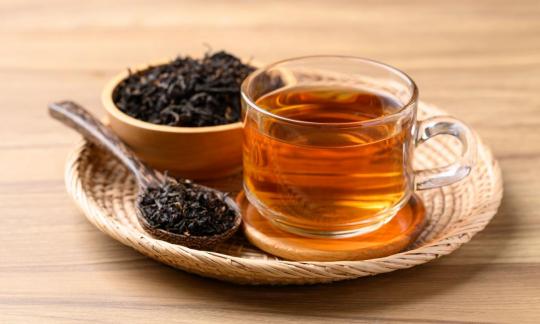
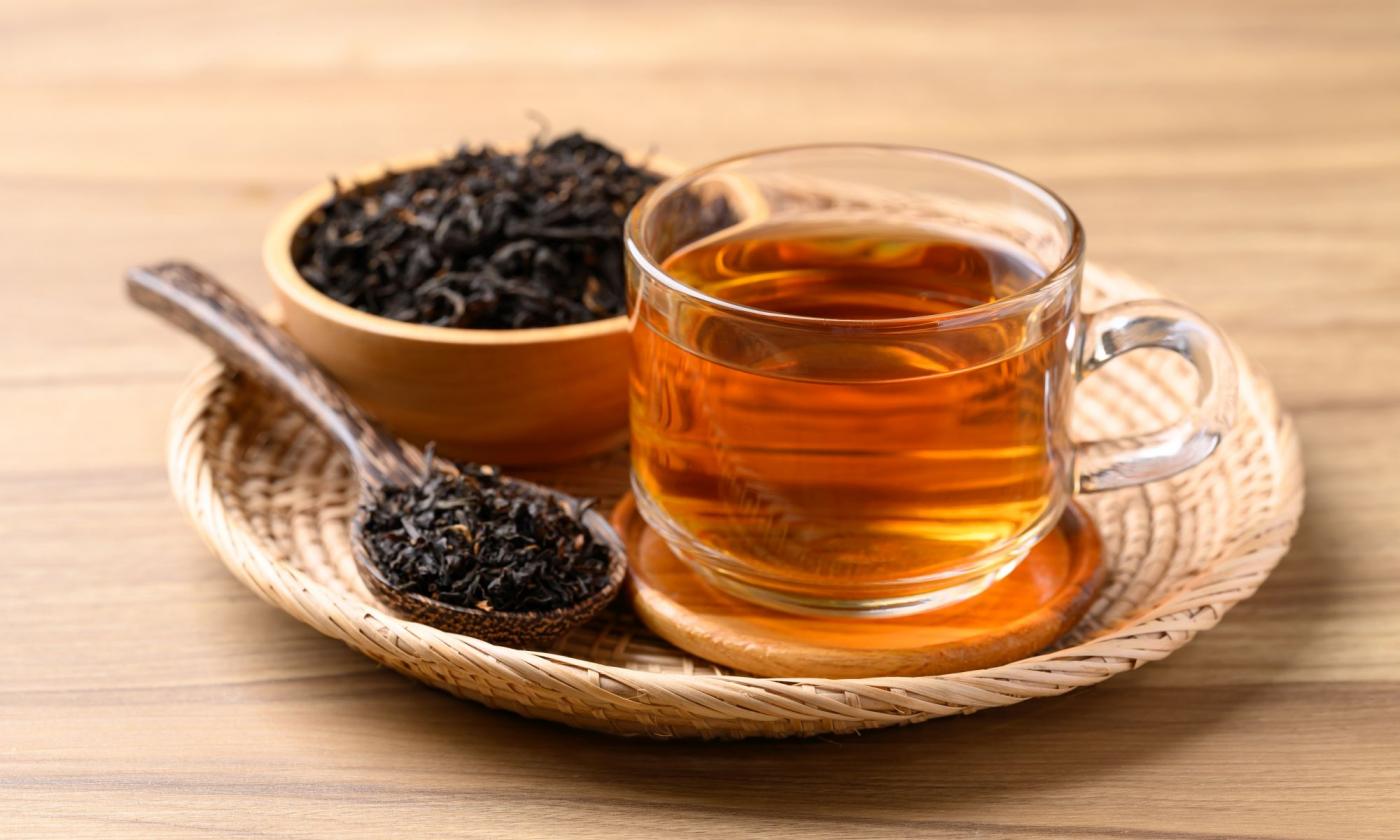
Schwarztee ist der weltweit am meisten getrunkene Tee. Die Teeblätter sind dunkelbraun bis fast schwarz gefärbt, meist länglich gedreht oder gekräuselt. Die Farbe erscheint matt oder leicht glänzend, abhängig vom Oxidationsgrad. Trockene Teeblätter verströmen einen malzigen, erdigen, manchmal fruchtigen oder nussigen, schokoladigen Geruch. Hochwertige Sorten duften süsslich. Der Aufguss mit heissem Trinkwasser ergibt ein goldbraunes bis tiefrotbraunes Getränk.2 Mit der Dauer der Ziehzeit nimmt das Wasser eine dunklere Farbe an und trübt sich ein. Der kräftige, etwas herbe, vollmundige, warm-würzige Geschmack variiert, abhängig von der Sorte. Die Sorte Assam schmeckt malzig, Darjeeling bringt fruchtige, muskatellaartige Noten und Ceylon mundet lebhaft frisch. Aus China stammen Yunnan mit seinen süsslichen, schokoladigen Nuancen und Keemun mit dem mild-rauchigen Aroma.
Das Hinzufügen von Milch ist in vielen Kulturen üblich, wie in Grossbritannien, Irland, Hongkong und Indien. Auch pflanzliche Alternativen wie Sojamilch, Hafermilch oder Kokosmilch harmonieren mit dem beliebten Heissgetränk. Die Zubereitung von Schwarztee mit Zucker ist etwa in der Türkei, in Nordafrika und in den USA gängig. In Südasien ist der Gewürztee bekannt, der beim Aufkochen der Teeblätter zusammen mit Gewürzen, wie Kardamon, Ingwer, Zimt, Nelken und Pfeffer entsteht. Oft ist das Mischverhältnis von Wasser zu Milch 1:1 und der Einsatz von Süssmitteln, z.B. unraffinierter Rohrzucker (Jaggery) oder brauner Zucker sehr hoch. Der Gewürztee ist ein Alltagsgetränk in Ländern wie Indien (als Masala-Chai bekannt), Pakistan, Nepal und Bangladesch. In manchen Kulturen ist auch eine Prise Salz im Schwarztee üblich.
Zu den wichtigen kulinarischen Anwendungen zählen Marinaden für Tofu, Tempeh und auch Fleischgerichte. Der Tee bereichert Brühen und Fonds wie Ramen oder Pho-artige Brühen. Durch das Kochen von Reis oder Nudeln in Schwarztee erhalten diese eine goldbraune Farbe und ein leichtes Teearoma. Lose Blätter, vermischt mit Zucker und Reis, stellen eine Mischung zum Räuchern von Tofu und Gemüse dar. Das Glasieren von Gemüse (Karotten, Kürbis, Süsskartoffeln) kann mit starkem Schwarztee, Butter und Zucker erfolgen. Die trockenen Blätter können Teil einer Gewürzmischung fürs Grillen oder Braten sein. Dazu passen brauner Zucker, Paprikapulver und Salz. In China und Taiwan ist das Kochen von Eiern in Schwarztee mit Sojasauce und Gewürzen bekannt und ergibt eine marmorierte Oberfläche und einen herzhaften Geschmack.
Zum Aromatisieren von Süssspeisen findet fein gemahlener Schwarztee in Milch gekocht, oder als Sirup Anwendung. Das Verfeinern von Kuchen, Keksen, Cremes und Glasuren gelingt mit dem abgekühlten Aufguss. Der etwas herbe Geschmack harmoniert mit Eis, Sorbets und Desserts wie Pudding, Pannacotta und Crème brûlée. Aus einem starken Schwarztee lässt sich mit Zucker ein Sirup herstellen, der Cocktails, Desserts, Pfannkuchen und Joghurt verfeinert. In Kombination mit Früchten dient Schwarztee als Aromageber, wie z.B. in (Pfirsich-)Marmelade, Birnen-Kompott und Pflaumen-Mus.
Der bekannte Eistee besteht aus kaltem Schwarztee, Zitronensaft und in der Regel Zucker. Zu Schwarztee passen auch Apfelsaft, Gingerale und Kräutersirup.
Veganes Rezept für Tofu mit Schwarztee-Marinade
Zutaten: 400 g Tofu, 1 EL Schwarztee, 150 ml Wasser, 2 EL Sojasauce, 1 EL Sesamöl oder Pflanzenöl, 1 EL Ahornsirup oder Honig, 1 TL geriebener frischer Ingwer, 1 gepresste Knoblauchzehe, 1/2 TL Chilipulver (alternativ 1 kleine rote Chili, fein gehackt), 1 TL Zitronensaft oder Reisessig, optional frische Korianderblätter oder Frühlingszwiebel.
Zubereitung: Das Wasser aufkochen und den Schwarztee 3–5 Minuten ziehen lassen. Anschliessend den Tee abseihen und abkühlen lassen. In einer Schüssel Sojasauce, Sesamöl, Ahornsirup, Ingwer, Knoblauch, Chili und Zitronensaft mit dem abgekühlten Tee verrühren. Den Tofu in Würfel oder Scheiben schneiden und in die Marinade legen. Mindestens 30 Minuten, besser 2–4 Stunden im Kühlschrank ziehen lassen.
Den Tofu in der Pfanne anbraten, im Ofen backen (180 °C, 20–25 Minuten) oder auf dem Grill rösten, bis er goldbraun ist. Mit frischen Kräutern oder Frühlingszwiebeln servieren. Aufgekocht ergibt die restliche Marinade eine Sauce.
Teezubereitung
Für eine Tasse Schwarztee verwenden Sie 1 Teelöffel lose Teeblätter oder einen Teebeutel und 250 ml Wasser. Den Schwarztee mit kochendem Wasser in einer Tasse oder Kanne übergiessen. Nach 3 bis 5 Minuten Ziehzeit den Tee abseihen bzw. den Beutel entfernen. Nun optional Zutaten wie Zitrone, pflanzliche Milch, Zucker oder Honig hinzufügen.
Vegane Rezepte mit Schwarztee finden Sie unter dem Hinweis: "Rezepte, die am meisten von dieser Zutat haben".
| Nicht nur Veganer oder Vegetarier sollten das lesen: Veganer essen oft ungesund. Vermeidbare Ernährungsfehler. |
Einkauf - Lagerung
Bei Grossverteilern wie Coop, Migros, Denner, Volg, Spar, Aldi, Lidl, Rewe, Edeka, Hofer und Billa ist Schwarztee meist ganzjährig verfügbar. Grösstenteils ist der Tee in einzelnen Beuteln aus Papier portioniert und in Kartonverpackungen verpackt. Selten sind die Teebeutel mit oder aus Kunststoffanteilen, etwa die Pyramidenbeutel. Das Entsorgen der Teebeutel hängt von den verwendeten Materialien ab. Informieren Sie sich (online) über die lokale Mülltrennung. Schwarztee ist auch lose abgepackt, als Instant-Teepulver, oder aromatisiert mit Geschmacksnoten wie Bergamotte (Earl Grey) oder Vanille-Aroma im stationären Handel zu finden. Eistee auf Schwarzteebasis ist ein weitverbreitetes Erfrischungsgetränk. Tee-Spezialitäten, zahlreiche Sorten sowie Premium-Qualität finden Sie in Teehäusern oder im Online-Handel. Besonders in Bio-Supermärkten wie Denn's Biomarkt und Alnatura sind Tees mit Bio- und Fairtrade-Gütesiegel erhältlich.
Die Verfügbarkeit von Schwarztee ist je nach Grösse des Ladens, Einzugsgebiet etc. unterschiedlich. Unsere erfassten Lebensmittelpreise für die D-A-CH-Länder finden Sie oben unter dem Zutatenbild - und mit Klick deren Entwicklung bei verschiedenen Anbietern.
Tipps zur Lagerung
Ist der Tee vor Wärme, Feuchtigkeit, Licht und Luftzufuhr geschützt, so bleibt er bis zu einem Jahr aromatisch und geniessbar. Bei einer längeren Lagerung können unter der Reaktion mit Sauerstoff unangenehme Geschmacksnoten entstehen. Besonders Feuchtigkeit, aber auch Hitze beschleunigen diese Reaktionen. Eine geminderte Qualität des Tees können Sie etwa anhand von "weichen" Teeblättern und eines "flachen" Geschmacks erkennen.3
Inhaltsstoffe - Nährwerte - Kalorien
Zusammensetzung und Menge der Inhaltsstoffe, inkl. sekundäre Pflanzenstoffe, variieren extrem je nach Sorte, Wachstumsbedingungen und Verarbeitungsmethoden etc.
Aufgebrühter Schwarztee weist eine geringe Energiedichte mit 1 kcal pro 100 g Flüssigkeit auf. Das Heissgetränk enthält geringe Mengen an Kohlenhydraten (0,3 g/100g). Es ist weder Fett noch Eiweiss enthalten, dafür eine nennenswerte Menge Kochsalz von 7,6 mg/100g.1
Fluorid beträgt 373 µg/100g. Dies deckt 11 % des Tagesbedarfs ab. Ähnliche Werte haben weisser Tafelwein (202 µg/100g) und dreifach konzentriertes Tomatenmark (300 µg/100g). In hohen Mengen kommt Fluorid in Matcha-Pulver (9500 µg/100g) und in Algen wie Dulse und Nori-Blättern (631 und 600 µg/100g) vor.1 Lesen Sie hier über die Bedeutung und (kritisch diskutierte) Gesundheit von Fluorid.
Das Mangan im Schwarztee deckt mit 0,22 mg/100g ebenfalls 11 % des Tagesbedarfs. Die Nährstoffdichte ist mit jener in Grüntee (0,22 mg), Sojamilch (0,22 mg) und Broccoli (0,23 mg) verwandt. Einen sehr hohen Mangan-Gehalt weisen Gewürze wie Gewürznelken (60 mg), gemahlener Ingwer (33 mg) und das Grünteepulver Matcha (73 mg) auf.1
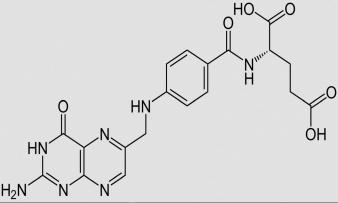
Vitamin B9 oder auch B11 genannt, ist zu 5 µg in 100 g Schwarztee enthalten. Damit liefert das Heissgetränk 3 % des täglichen Bedarfs an Vitamin B9. Dattelsirup (6,3 µg/100g) und Maulbeeren (6 µg) etwa spenden ähnliche Mengen des essenziellen Vitamins. Besonders Vitamin B9-haltige Lebensmittel sind abgesehen von der Gewürzpaste aus Hefe (3786 µg) Hülsenfrüchte wie Mungbohnen (625 µg) und Kichererbsen (557 µg).1
Die gesamten Inhaltsstoffe von Schwarztee, die Abdeckung des Tagesbedarfs und Vergleichswerte mit anderen Zutaten finden Sie in unseren Nährstofftabellen. Im Artikel Nährstoffe umfassend erklärt bekommen Sie einen detaillierten Einblick in das Thema.
Wirkungen auf die Gesundheit
Schwarztee enthält verschiedene Aminosäuren, wobei Theanin den Hauptanteil stellt. Diese Aminosäure prägt das Aroma massgeblich und trägt zur Bildung charakteristischer Duftnoten bei. Der L-Theanin-Gehalt dient zudem als Qualitäts- und Frischemarker für Tee. Zusätzlich bestehen Hinweise auf antioxidative, entzündungshemmende, neuroprotektive, angstlösende sowie metabolische Effekte.20
Systematische Übersichtsarbeiten deuten darauf hin, dass Fluorid aus Schwarztee die Zahngesundheit potenziell unterstützen kann, indem es zur Remineralisierung von Zahnschmelz beiträgt. Für Schwarztee zeigen sich keine konsistenten Hinweise auf nachteilige Effekte auf die Zahngesundheit bei moderatem Konsum, wobei viele Studien nicht zwischen gesüsstem und ungesüsstem Tee unterscheiden.5
Mangan beeinflusst vermutlich antioxidative Enzymsysteme wie die Mangan-Superoxid-Dismutase. Bislang fehlt jedoch klinische Evidenz für einen spezifischen Schutz vor Herz-Kreislauf-Erkrankungen durch den Konsum von Schwarztee.5
Sekundäre Pflanzenstoffe
Viele gesundheitliche Wirkungen von Schwarztee kann man auf die enthaltenen sekundären Pflanzenstoffe zurückführen. Unser Artikel über sekundäre Pflanzenstoffe bietet einen Überblick über die Klassifizierung der Stoffgruppen, das Vorkommen in Lebensmitteln und mögliche Wirkungen auf den Menschen.
Schwarztee enthält u.a. folgende sekundäre Pflanzenstoffe:2,3,4,10
- Isoprenoide: Monoterpene (Limonen, Geraniol, Nerol, Linalool); Sesquiterpene (Nerolidol); Tetraterpene: Carotinoide: Carotine (Beta-Carotin), Xanthophylle (Lutein, Violaxanthin, Neoxanthin); Norisoprenoide (Beta-Ionon, Damascenon)
- Alkaloide: Xanthine (Koffein, Theophyllin); Purin-Alkaloide (Theobromin)
- Polyphenole: Phenolsäuren: Hydroxybenzoesäuren (Gallussäure); Hydroxyzimtsäuren (Chlorogensäure, Coumaroylchinasäure); Flavonoide: Flavanole (Catechin, Gallocatechin-Gallate, Epicatechin, Epigallocatechin, Epicatechin-Gallate, Epigallocatechin-Gallate), Flavonole (Kaempferol, Quercetin, Myricetin), Flavanole (Theaflavine, Thearubigine, Theaflavin-3-Gallate, Theasinensine)
- Weitere organische Verbindungen: Hydroxycarbonsäuren (Chinasäure); Carbonsäure (Hexansäure); Aldehyde (Hexanal, Nonanal, Furfural, Benzaldehyd, Phenylacetaldehyd), Ester (Benzylacetat, Methylsalicylat); Alkohole (Phenylethanol, Hexanol, Hotrienol); Pyrazine
Die chemische Zusammensetzung von Schwarztee umfasst nichtflüchtige und bis zu 600 flüchtige Verbindungen in geringen Mengen. Trotz der niedrigen Konzentrationen prägen die flüchtigen Verbindungen das Aroma stark. Flüchtige Verbindungen entstehen vor allem durch Oxidation, Abbau und Hydrolyse von Aromavorstufen. Die verschiedenen Verarbeitungsstufen verändern die chemische Zusammensetzung kontinuierlich.2
Theaflavine und Thearubigine entstehen durch die Oxidation von Catechinen und stellen zentrale Qualitätsparameter dar. Sie tragen wesentlich zu Farbe und Geschmack bei und bestimmen die helle (Theaflavine) bis dunkelrote Farbe (Thearubiginene) sowie die adstringierende Wirkung des Schwarztees. Mit zunehmender Fermentationszeit steigt der Gehalt an Thearubiginen, während der Gehalt an Theaflavinen abnimmt. Feinere Pflückung (jüngere Blätter) liefert tendenziell hochwertigeren Tee mit höheren Gehalten an Theaflavinen, Koffein und löslichen Inhaltsstoffen sowie einem ausgeprägteren Aroma. Minderwertige Schwarztees weisen insgesamt geringere Polyphenolgehalte auf.2,3,10
Eine Vielzahl an In-vitro-, Tier- und Humanstudien untersuchte das Potenzial von Teekonsum zur Prävention chronischer Erkrankungen, die mit oxidativem Stress zusammenhängen, darunter Herz-Kreislauf-Erkrankungen, Alzheimer und Diabetes.2,5,6 Epidemiologische Daten zeigen einen möglichen Zusammenhang zwischen Schwarztee-Konsum (≥3 Tassen/Tag) und einem leicht reduzierten Risiko für koronare Herzkrankheiten und Myokardinfarkt (ca. -11 %), basierend auf Kohorten- und Fall-Kontroll-Studien, wobei keine gesicherte Kausalität vorliegt.5,8 Regelmässiger Konsum steht zudem mit besserer kognitiver Leistung sowie einem geringeren Risiko für Parkinson und weitere neurodegenerative Erkrankungen in Verbindung. Als mögliche Mechanismen gelten antioxidative und entzündungshemmende Flavonoide mit potenziell neuroprotektiven Effekten.5,10
Aromakomponenten wie Catechine und Theaflavine zeigen antibakterielle Effekte, insbesondere gegen Helicobacter pylori, und unterstützen das Gleichgewicht der Darmflora.10 Polyphenole in Schwarztee stehen zudem mit positiven Effekten auf Stoffwechsel und Verdauungstrakt in Zusammenhang. Dazu zählen eine mögliche Reduktion der Fett- und Kohlenhydrataufnahme sowie antioxidative Wirkungen im Gastrointestinaltrakt. Diese Effekte neutralisieren freie Radikale und können das Risiko für Schleimhautschäden sowie Erkrankungen wie Magengeschwüre oder kolorektale Karzinome senken.10 In-vitro- und präklinische Studien unterstützen eine mögliche antikarzinogene Wirkung. Die Evidenz beim Menschen bleibt uneinheitlich. Weitere klinische Untersuchungen auf molekularer Ebene sind erforderlich.2,5,6,7,8,9,11
Studien beschreiben einen mässig positiven Einfluss von Schwarztee auf die Knochendichte, insbesondere bei älteren Frauen. Bei vier oder mehr Tassen Schwarztee pro Tag war ein signifikanter Anstieg der Knochendichte zu verzeichnen. Dieser Effekt war unabhängig von der Zugabe von Milch zum Tee.5 Die Evidenz ist jedoch nicht stabil genug, um einen sicheren schützenden Effekt auf die Knochen zu behaupten.5,6
Gefahren - Unverträglichkeiten - Nebenwirkungen
Schwarztee enthält etwa 17 mg Koffein pro 100 ml (40 mg pro 235-ml-Tasse). Je nach Ziehzeit kommt es zu einer grossen Spannweite von 1–90 mg pro 100 ml. Einige Autoren führen einen hohen Koffeinkonsum als Risikofaktor für verschiedene Beschwerden an (z.B. Bluthochdruck, Dehydration, Angstzustände oder Schlaflosigkeit).10
Eine Überblicksarbeit errechnete eine durchschnittliche Koffeinaufnahme von 38–400 mg pro Tag, was 1 bis 8 Tassen Schwarztee entspricht. Diese Mengen schienen Vorteile zu bringen, wie erhöhte Aufmerksamkeit und bessere Stimmung, ohne die Schlafqualität oder den Hydratationsstatus negativ zu beeinflussen. Lesen Sie mehr zu den (Neben-) Wirkungen von Koffein bei der Zutat Kaffee.
Zu den Rückständen gesundheitsschädlicher Stoffe in Grün- und Schwarztee zählen Pestizide, Schwermetalle (Quecksilber, Blei, Arsen, Cadmium, etc.), Mikroorganismen (Pilze), Umweltgifte (polyzyklische aromatische Wasserstoffe) und radioaktive Kontaminationen. Wissenschaftliche Untersuchungen berichten, dass die meisten Rückstände in Tees nicht nachweisbar sind oder unter dem regulatorischen Grenzwert liegen.13
In einer Stellungnahme bewertet das deutsche Bundesinstitut für Risikobewertung (BfR) welche Lebensmittel zur Gesamtaufnahme von Blei beitragen. Neben Getreideprodukten und Wasser tragen auch die Genussmittel Kaffee, Kakao und Tee wesentlich zur Blei-Exposition bei. Wobei Kaffee in der Regel am stärksten belastet ist. Zu den toxischen Wirkungen von Blei zählen Schädigungen an den Nieren, dem Herz-Kreislauf-System sowie dem zentralen Nervensystem.12
Obwohl die meisten WissenschaftlerInnen den Schwarztee als nicht schädlich werten,5 gibt es kritische Stimmen in Bezug auf den Inhaltsstoff Fluorid. Eine Untersuchung von 37 Schwarzteeprodukten zeigte erhebliche Unterschiede im Fluoridgehalt, der in Teebeuteln am höchsten war (1,15–6,01 mg/l) im Vergleich zu losem Tee oder Teesticks. Das ist vermutlich auf die niedrigere Qualität in den Beuteln, und ältere, kostengünstige Teeblätter, zurückzuführen. Gemäss der WHO-Empfehlung liegt die Obergrenze für die Fluoridaufnahme bei Kindern bei 2 mg pro Tag und bei Erwachsenen bei 4 mg (Stand 2006). Unter der Annahme, dass Kinder täglich 800 ml und Erwachsene 1500 ml Schwarztee zu sich nehmen, sind knapp die Hälfte der verwendeten Schwarzteebeutel für Kinder und Erwachsene als unsicher einzustufen. Ein übermässiger Konsum könnte insbesondere in Regionen mit fluoridiertem Trinkwasser das Risiko für Osteofluorose und Knochenbrüche erhöhen.14 In einer Untersuchung aus 2025 war der Fluoridgehalt insbesondere bei Schwarztee aus Afrika und Zentralasien hoch. Obwohl die Fluoridaufnahme durch Blatttee-Aufgüsse offenbar kein direktes Gesundheitsrisiko darstellt, sind ältere Menschen, insbesondere Frauen mit geringem Körpergewicht, anfälliger für potenziell gesundheitsschädliche Wirkungen und sollten den Konsum von Teesorten mit hohem Fluoridgehalt einschränken.15
Volksmedizin - Naturheilkunde
Schwarztee findet u.a. als natürliches Heilmittel in Form von Umschlägen Verwendung. Abgekühlte, mit Schwarztee getränkte Kompressen bieten Abhilfe bei entzündeten Hautstellen. Eine Vorher-Nachher-Untersuchung hat die Wirksamkeit von Schwarztee-Auflagen bei nässenden Ekzemen belegt. Vor allem Neurodermitis- oder Kontaktdermatitis-PatientInnen sind von solchen Ekzemen betroffen.16
Ökologischer Fussabdruck - Tierwohl
Die Berechnung aus dem Journal of Cleaner Production im Jahr 2019 ergab für eine Tasse (250 ml) Schwarztee mit der Verwendung von 2 g Teeblätter einen CO2-Fussabdruck von 47,4 g. Umgerechnet aufs Kilogramm hat Schwarztee einen Fussabdruck von 0,19 kg CO2eq/kg. In der genannten Studie handelte es sich um biologisch angebauten Schwarztee. Dieser lag ziemlich im Mittelfeld verglichen mit konventionellen Schwarztees, die eine Bandbreite von 25,5 bis 64 g/250 ml Treibhausgase verursachten. Entlang der gesamten Wertschöpfungskette - vom Anbau bis zur Entsorgung - hatte das Brühen beim Endkonsumenten den grössten Beitrag. Die Menge des Kochwassers sowie die Bezugsquellen für Strom können die Höhe des finalen Fussabdrucks stark beeinflussen.17
Der Wasserfussabdruck für getrockneten Grün- und Schwarztee beträgt 8856 l/kg. Ein grosser Anteil des Wassers (82 %) besteht aus Regenwasser, das in den Anbauländern fällt. Die benötigte Wassermenge zur Herstellung von 1 Tasse Schwarztee beträgt 27 Liter bei der Verwendung von 3 Gramm Teeblättern. Eine Tasse Kaffee ist im Vergleich dazu fast 5-mal ressourcenaufwendiger. Die Herstellung einer Tasse Kaffee mit 7 g gerösteten Bohnen verursacht sogar einen Wasserverbrauch von 130 Liter.18
Ausführliche Erläuterungen zu verschiedenen Nachhaltigkeitsindikatoren (wie z.B. ökologischer Fussabdruck, CO2-Fussabdruck, Wasser-Fussabdruck) lesen Sie in unserem Artikel: Was bedeutet der ökologische Fussabdruck?
Tierschutz - Artenschutz
Angrenzend an die Teeplantagen in Japan befinden sich häufig naturnahe Graslandschaften, sogenannte Chagusaba. Diese sind für den Teeanbau bedeutend, da das getrocknete Gras als Bodenbedeckung der Furchen zwischen den Pflanzreihen Verwendung findet. Durch das Roden von Graslandschaften in den letzten 150 Jahren sind auch einige Pflanzenarten in Bedrohung geraten. Die als "Blumen des Herbstes" bezeichneten Pflanzen kommen in den Graslandschaften vor. Aus sieben dieser Pflanzen (Miscanthus sinensis, Lespedeza bicolor var. japonica, Pueraria lobata, Eupatorium japonicum, Patrinia scabiosifolia, Dianthus superbus var. longicalycinus) sind mittlerweile vier Arten vom Aussterben bedroht. Dank der Teeplantagen bringen die Graslandschaften Chagusaba einen Nutzen, sie bleiben bestehen und tragen zum Erhalt der biologischen Vielfalt in der Region bei.19
Weltweites Vorkommen - Anbau
Geografisch erstreckt sich der Anbau vom Äquator bis in die Subtropen, wo die jahreszeitlichen Veränderungen extrem sein können.3
Die führenden Länder im Anbau von Schwarztee befinden sich überwiegend in Asien. China, Indien, Kenia, Indonesien, Sri Lanka und Vietnam sind die wichtigsten Produzenten und machen etwa 77 % der weltweiten Teeproduktion und 80 % der Exporte aus. Laut Datenbanken der Food and Agriculture Organization (FAO) und jener der United Nations stellte China die grösste Teemenge mit ca. 8 Mio. Tonnen in den Jahren 2018, 2019 und 2020 her. Das machte weltweit die Hälfte des produzierten Tees aus. Der jährliche Gesamt-Teeverbrauch, der Teepflanze Camellia sinensis inklusive Grüntee, Oolong etc., beträgt 3 Milliarden Kilogramm.3
Anbau - Ernte
Etwa 75 % der weltweiten Teeproduktion entfallen auf Schwarztee. Die für das Wachstum einer Teepflanze erforderliche Umgebungstemperatur liegt zwischen 18 °C und 25 °C. Bei Temperaturen unter 13 °C oder über 30 °C verlangsamt sich das Triebwachstum. Teepflanzen benötigen mindestens 1200 mm Niederschlag pro Jahr. Der optimale pH-Wert des Bodens für das Wachstum von Teepflanzen ist sauer und liegt zwischen 4,5 und 5,6. Die besten Bodenbedingungen für das Wachstum von Teepflanzen sind tiefgründig, mit einem Gehalt von mehr als 2 % organischer Substanz, gut belüftet und drainiert.3
Die drei wichtigsten Techniken zum Pflücken von Teeblättern sind das Pflücken von Hand, mit dem Messer und mit Maschinen. Meistens pflücken Erntearbeiter den Tee per Hand. In der Regel halten die sie Ausschau nach jungen Trieben und zwicken eine ungeöffnete Knospe mit zwei oder drei Blättern eines Zweiges ab. Theoretisch könnten sie noch mehr Blätter von einem Trieb nehmen. Dies reduziert jedoch die Qualität des Tees. Zwischen fünf und elf Tagen vergehen, bis die Teepflanzen wieder erntereife Triebe liefern.3
Mehr Informationen zum Anbau im Garten finden Sie unter der Zutat Grüntee.
Industrielle Herstellung
Zu den Verarbeitungsschritten von Schwarztee zählen das Welken, Rollen bzw. Mazerieren, die enzymatische Oxidation (Fermentation) und die abschliessende Trocknung der Blätter. Je nach Verfahren erfolgt auch ein Zerkleinern der Teeblätter (CTC = Crush, Tear, Curl). 3
Beim Welken verlieren die frisch geernteten Teeblätter bei Raumtemperatur Feuchtigkeit, bis der Wassergehalt auf etwa 60–70 % sinkt. Die Teeblätter haben nach dem Welken eine flexiblere Konsistenz und lassen sich nun rollen, ohne zu brechen.3
Das Rollen bricht die Zellstrukturen der Blätter auf. Maschinen wie orthodoxe Roller, Rotorvane oder CTC-Anlagen erzeugen neue Oberflächen, die der Luft ausgesetzt sind. Enzyme und Pflanzensaft gelangen an die Oberfläche und fördern biochemische Reaktionen. Die Freisetzung der Catechine bildet die Grundlage für die spätere Bildung der Theaflavine, die während der Oxidation entstehen.3
Die enzymatische Oxidation bzw. Fermentation läuft bei etwa 20–30 °C ab. Ein Bereich um 25 °C und eine Dauer von 60 Minuten gelten als optimal. Die Sauerstoffzufuhr und das Aufrechterhalten einer hohen Luftfeuchtigkeit (95-98 %) halten die Reaktion aktiv.3
Die Trocknung stoppt die enzymatischen Reaktionen und senkt den Feuchtigkeitsgehalt auf 3–4 %. Heisslufttrocknung bei 100 °C über 25 Minuten liefert hochwertige Ergebnisse. In Teefabriken kommen häufig Fliessbett- und Endlosketten-Drucktrockner zum Einsatz. Niedrigtemperaturverfahren wie Radiofrequenz-, Mikrowellen-, Gefrier- und Vakuumtrocknung stehen ebenfalls zur Verfügung.3
Weiterführende Informationen
Schwarztee sind die getrockneten und oxidierten Blätter der Teepflanze Camellia sinensis (L.) O. Kuntze aus der Pflanzenfamilie der Teestrauchgewächse (Theaceae). Die beiden bedeutendsten Teesorten sind Assam und Sinensis. Assam ist für grösser wachsende Teepflanzen und Blätter bekannt. Sinensis weist kleinere Blattgrössen auf.2
Alternative Namen
In China trägt Schwarztee den Namen Roter Tee ("hong cha"), was sich auf die Farbe des Aufgusses bezieht. Es gibt verschiedene Schwarztee-Sorten, darunter English Breakfast, Assam, Darjeeling, Ceylon, Earl Grey (aromatisiert), Keemun, Yunnan Schwarztee und Lapsang Souchong. Die englische Bezeichnung lautet black tea.
Sonstige Anwendungen
Schwarztee eignet sich für die Haut- und Haarpflege und er kann bei geschwollenen Augen Abhilfe leisten. Dazu die abgekühlten Teebeutel auflegen. Auch bei Sonnenbrand soll kalter Schwarztee lindernd wirken. Als Haarspülung verleiht Schwarztee Glanz und kann dunkles Haar leicht intensivieren. Im Garten dienen verdünnter Schwarztee und gebrauchte Teebeutel als natürlicher Dünger für den Kompost oder das Beet. Besonders profitieren Pflanzen, die einen sauren Boden bevorzugen, z.B. Hortensien.
Literaturverzeichnis - 20 Quellen (Link zur Evidenz)
| 1. | ● Website | USDA United States Department of Agriculture. |
| 2. | * While the complete fermentation may oxidize over 75% of the catechins in tea leaves, which mainly form theaflavins, but the concentration of theaflavins found in black tea was not high. This is probably due to the oxidation of the theaflavins, which leads to the formation of thearubigin (Turkmen et al., 2009). The thearubigins are a group of black tea polyphenols that are still poorly understood. Brewing of dried black tea leaves produces a dark reddish-brown infusion The color as well as the characteristic taste of black tea infusion is mainly given by theaflavins and thearubigins (Muthumani & Kumar, 2007). Theaflavins contribute to the astringent and brisk taste and the golden color, while thearubigins give a rich mouthfeel and a brown-red color Dried tea leaves are produced from the fresh leaves of the tea plant, Camellia sinensis (L.) O. Kuntze (C. sinensis). C. sinensis is further classified into two main varieties: assamica, which is larger in terms of the tea plant and tea leaves, and sinensis, which has a smaller leaf size Figure 2: Structure of flavonoids, including catechins (flavan-3-ols), flavones, and flavonols, found in tea Narrativer Review in wissenschaftlichem Journal DOI: 10.1111/1750-3841.16137 Study: weak evidence | Wong M, Sirisena S, Ng K. Phytochemical profile of differently processed tea: A review. Journal of Food Science. 2022;87(5):1925–1942. |
| 3. | * China, India, Kenya, Indonesia, Sri Lanka, and Vietnam are the primary producers, accounting for around 77% of the global tea production and 80% of exports According to the database of the Food and Agriculture Organization (FAO) of the United Nations [17], China was the leading tea-planting and tea-producing country among India, Sri Lanka, Indonesia, Vietnam, and Kenya in 2018, 2019, and 2020, which accounted for around 70% and 52% of plantation area and production, respectively (Figure 1). Approximately 75% of tea consumption in the world comprises black tea, which accounts for the highest production and consumption [4]. The ambient temperature range required for a tea plant is 18 °C to 25 °C to grow well. Shoot growth is observed to be slowed down if the temperature is under 13 °C or above 30 °C. Tea plants require at least 1200 mm of rainfall annually. The optimal soil pH range for tea plant growth is 4.5–5.6. The best soil condition for the growth of tea plants is deep, having greater than 2% organic matter, well aerated and drained [5]. Usually, it is made from young shoots with one unopened bud and two or three leaves. The total annual production and consumption of tea is three billion kilograms in the world with a distinct fermentation, oxidation, and processing method [11]. As a fermented tea, black tea is typically produced in two ways orthodox and crush, tear, and curl (CTC). The orthodox involves four stages: withering, maceration or rolling, fermentation, and drying, whereas CTC black tea processing involves withering, maceration, cutting, tearing and curling, fermentation, and drying. The CTC process has a horizontal or vertical Rotorvane maceration machine for the maceration of tea leaves instead of rollers [12]. The most important of these stages is fermentation, which affects the smell, color, mouth feel, and, most importantly, the bio functions of black tea Tea stays flavorful and healthy for over a year in cool conditions and away from air and moisture. However, prolonged storage, particularly in conditions where moisture and light exist, degrades the quality of the tea, which eventually results in “softness”, or lacking briskness and having a “flat” taste [180]. Black tea deteriorates by losing astringency and flavor and sometimes finding undesirable “taints” due to autoxidative reactions and lipid hydrolysis that reduce sugars, TF, photosynthetic pigments, amino acids, and some volatile aliphatic elements and raise volatile phenolic and non-dialyzable pigments. Heat and moisture accelerate these reactions. high moisture content is more detrimental to high temperature. From days five to eleven of the plucking interval, TFs and TRs, black tea’s most characteristic compounds, vary with leaf maturity. Plucking with 25% coarse and 75% fine leaves balances yield and quality. Coarse leaves and immature shoots are undesirable because standard flush was dependent on standard leaves. Figure 4. Percentage of standard flush for standard leaf plucking and effect of fine and coarse plucking on black tea’s quality. TFs and TRs, two significant polyphenols used as black tea quality indicators, make up 50–70% of the phenolic components in tea water extract. Tea is cultivated from the equator to the subtropics, where seasonal changes may be extreme. Withering, as the initial step in manufacturing black tea, is crucial to produce high-quality black tea. Tea processing begins with withering, where freshly harvested tea leaves are spread out in a proper withering system to lose moisture before processing [49]. For the subsequent steps, tea leaves go through a series of physical and chemical changes [47,98]. In tea processing, leaf moisture is crucial; tea leaf withering partially dries the surface and core moisture of tea leaves [99]. Black tea leaves are usually withered at room temperature to reduce moisture. Tea shoots undergo withering from being harvested until they are macerated or rolled [47]. Turgid tea shoots become flaccid as moisture levels decrease on a wet basis from ~70–80% to 60–70% during the withering process [100]. As green leaves wither, their moisture content drops to 60–70%, as noticed by [101,102]. Tea leaves are more flexible after withering and can be rolled and twisted without breaking. Post-withering tea leaves are macerated or rolled to rupture plant cell structures, allowing catechins, polyphenol oxidase, and peroxidase to interact during fermentation [97]. Rolling extracts and twists leaf juice [54]. The main goal of rolling is size reduction and cell destruction to expose new surfaces to air during fermentation. It also presses out juice and coats leaf particles with a thin juice coating to accelerate chemical reactions [119]. This process is crucial for black tea production since most TFs are generated during rolling [112]. During rolling, enzymes are released from the leaf when it is broken and exposed to oxidation. In Sri Lankan black tea production, orthodox rolling is used to gently roll tea leaves. The rolling method produces black orthodox tea. For tea leaf pulverization in Central Africa, a Lawrie tea processor is used, which can also be used to treat them harsher [120], whereas Indian and Kenyan tea leaves are crushed and macerated using crush tear and curl machines [120,121], Fermentation When catechins are exposed to oxygen, these enzymes develop oxidized polyphenolic substances like TFs and TRs [40,137,138]. The fermentation environment’s temperatures, relative humidity, time, pH, and oxygen affect these compounds greatly. When black tea ferments properly, it turns green to coppery brown. It also smells fruity, brisk, rich in flavor, and tastes strong. Fermentation needs a set temperature, humidity, and time. During fermentation, good aeration increases TFs and TRs, whereas less aeration results in a reduction of those compounds. In the same way, high temperatures also reduce TF formation In general, fermentation is carried out at around 20–30 °C for 30–120 min, although 25 °C for 60 min is considered the optimum. Enzymatic reactions require enough oxygen. Maintaining high relative humidity (95–98% is vital during fermentation Drying stops fermentation by inhibiting enzyme activity, producing dried black tea [41]. Tea particle drying stops oxidation and enzymatic activity, decreases moisture to 3–4% (wb), facilitates handling and transportation, and enhances shelf life. Black tea dried at 110 °C temperature and 1.5 rpm is of excellent quality. The most effective combination was found to be 100 °C for 25 min. The two most common dryers used in tea factories are fluidized bed dryers (FBDs) and endless chain pressure (ECP) dryers. Tea leaves can be dried at low temperatures using radio frequency, microwave, freeze, and vacuum. Narrativer Review in wissenschaftlichem Journal DOI: 10.3390/foods12244467 Study: weak evidence | Aaqil M, Peng C, et al. Tea harvesting and processing techniques and its effect on phytochemical profile and final quality of black tea: A review. Foods. 2023;12(24):4467. |
| 4. | * Table 1. Composition of tea and their impact on taste and color of brew: Quinic acid Table 2. Volatile compounds responsible for aroma and flavor of tea. . This paper provides a critical review on phytochemical constituents, anticancer property, and clinical applications of black tea and its bioactive compound although more clinical experiments are needed at molecular levels to understand its anti-cancer property Limited number of human intervention studies done on regular intake of black tea demonstrate its chemopreventive potential, while a substantial number of clinical investigations with green tea are documented. Narrativer Review in wissenschaftlichem Journal DOI: 10.1080/10408398.2014.994700 Study: weak evidence | Singh BN, Prateeksha AKS, et al. Black tea: Phytochemicals, cancer chemoprevention, and clinical studies. Critical Reviews in Food Science and Nutrition. 2017;57(7):1394–1410. |
| 5. | * Narratives Review Epidemiological data linking black tea consumption to a reduced CHD risk appeared robust. The meta-analysis by Peters et al. (2001) reported that the incidence rate of MI was estimated to decrease by 11% with an increase in black tea consumption of three cups per day (one cup ¼237 ml) with a fixed-effects relative risk (RR) estimate of 0.89 (95% con-fidence interval: 0.79, 1.01). Two case control studies provided additional evidence of the RR estimate for 3 cups/day. While associations cannot prove cause and effect, particularly where other dietary components are likely to be at work, the case for black tea was strengthened by the existence of experimental data suggesting a plausible mechanism. Databases were searched for relevant epidemiological and clinical studies published between 1990 and 2004. Clear evidence was found for coronary heart disease (CHD), where an intake of > or = 3 cups per day related to risk reduction. The mechanism could involve the antioxidant action of tea polyphenols. It has been suggested that plant antioxidants, such as those found in tea, red wine and cocoa, can help prevent and control cancer development. This has arisen from experimental (mainly animal) work on green tea catechins, although polyphenols in black tea are increasingly being studied in both animals and humans. Flavonoids may also exert other effects unrelated to their antioxidant capacity, for example, anti-inflammatory effects (Aneja et al., 2004) and inhibition of tumorigenesi Thus, it is not possible to draw conclusions until further human studies are published. Prospective studies relating to colorectal cancers were more numerous and indicated either no relationship or a protective effect of tea at mean intakes of 1.5 cups per day or more. Only two studies implied harm and these were Far Eastern studies where black tea consumption was associated with an increase in colorectal cancer (Kato et al., 1990; Inoue et al., 1998). However, Arab and Il’yasova, 2003, suggested that the tea consumers in these studies adopted other Western habits that may have increased their risk of colorectal cancer, for example, high-saturated fat, low-fibre diets. observed in a cohort study that the total tea intake was significantly associated with a lower prevalence of cognitive impairment in Chinese adults although the effects were most evident for black and oolong teas. There are innumerous compounds present in tea that have been associated with the beneficial effects on brain function and health such as flavan-3-ols, caffeine and L-theanine. However, it is important to consider that in in vivo conditions these compounds must be first absorbed and/or metabolized, cross the BBB and then overcome the P-glycoprotein (P-gp) efflux in order to exert the potential beneficial effect It has been hypothesized that manganese in black tea could impact positively on heart disease risk, via the role of manganese superoxide dismutase in supporting cardiac muscle function and attenuating lipid peroxidation. One study examined the effect of tea drinking on markers of Mn status, finding no significant association Fluoride – both systemic and topical – attenuates the risk of demineralization. A systematic review has suggested that fluoride from tea may benefit dental health (NHS CRD, 2000). The available evidence suggested that black tea consumption had a moderately positive effect on bone mineral density (BMD), particularly in older women. There was a significant increase in BMD with higher levels of tea consumption (four or more cups per day) (Chen et al., 2003). Black tea was also identified as an independent protective factor for the risk of hip fractures in men in the Mediterranean Osteoporosis Study (Johnell et al., 1995; Kanis et al., 1999; Hegarty et al., 2000) reported that this effect was independent of the addition of milk to tea. However, on closer examination, these studies failed to control for confounders associated with tea consumption and CHD risk, for example, lower socio-economic status, long-term smoking and higher dietary fat intakes. The epidemiological evidence does not appear consistent enough to enable firm conclusions about associations (although it is evident that black tea is not harmful). DOI: 10.1038/sj.ejcn.1602489 Study: weak evidence | Gardner EJ, Ruxton CHS, Leeds AR. Black tea – helpful or harmful? A review of the evidence. Eur J Clin Nutr. 2007;61(1):3–18. |
| 6. | * Narratives Review - Kapitel in Sammel-Journal Epidemiologic studies suggest correlation between tea consumption and reduced risk of type 2 diabetes, although the mechanisms for these observations are uncertain. Odegaard et al. (2008) investigated the prospective association between intakes of coffee, black tea and green tea with the risk of type 2 diabetes in Singaporean Chinese men and women. These authors concluded that consumption of coffee and potentially black tea, but not green tea, was associated with lower risk of type 2 diabete. larger, population-based, randomized, controlled trials are required to further clarify the relationship between tea consumption and its beneficial effects on type 2 diabetes. More recently, Halliwell (2012) has commented on the fact that until this moment the contribution of antioxidants is uncertain due to the lack of evidence of the beneficial effects in in vivo studies. In addition, there is a need to take into consideration the interindividual variability for metabolism and absorption of potential bioactive compounds. According to Shen et al. (2009) in terms of bone mineral density (BMD), a positive, a weak inversion or no correlation between tea drinking and osteoporosis has been reported. DOI: 10.1016/j.foodres.2013.01.038 Study: weak evidence | Da Silva Pinto M. Tea: A new perspective on health benefits. Food Research International. 2013;53(2):558–567. |
| 7. | * Systematisches Review mit Meta-Analyse In addition, subgroup in terms of study population (Asian vs. non-Asian), type of tea (black vs. green) and study design (cohort vs. case–control) were stratified. In summary, our current meta-analysis suggests that available evidences from this epidemiological study are insufficient to conclude that tea consumption could reduce the risk of prostate cancer. Further epidemiological studies are warranted to examine the relationships of tea and coffee with prostate cancer risk. DOI: 10.1186/1477-7819-12-38 Study: strong evidence | Lin YW, Hu ZH, et al. Tea consumption and prostate cancer: an updated meta-analysis. World J Surg Onc. 2014;12(1):38. |
| 8. | * Systematisches Review mit Meta-Analyse a prospective cohort design. We observed a modest but statistically significant inverse association between tea consumption and risk of stroke. An increase of three cups/d in tea consumption was associated with a 13% decreased risk of stroke (RR 0.87; 95% CI, 0.81–0.94). DOI: 10.1631/jzus.B1201001 Study: strong evidence | Shen L, Song Lg, et al. Tea consumption and risk of stroke: a dose-response meta-analysis of prospective studies. J Zhejiang Univ Sci B. 2012;13:652–662. |
| 9. | * Fall-Kontroll-Studie: This study comprised 1,706 histologically diagnosed cases of digestive tract cancers (185 esophagus, 893 stomach, 362 colon, 266 rectum) and a total of 21,128 non-cancer outpatients aged 40 years and over. The OR of esophageal cancer decreased statistically significantly among occasional black-tea drinkers (OR = 0.44, CI = 0.26-0.74). Daily intake of black tea moderately increased the risk of colon cancer (OR = 1.59, CI = 1.06-2.37). Regarding confounding factors, a decreased risk was observed for cancer at all sites with regular physical exercise and fruit intake. . The OR of stomach cancer decreased statistically significantly among those who drank seven or more cups of green tea per day (OR = 0.69, CI = 0.48-1.00). Slightly decreased risk was observed for esophageal and stomach cancer, and OR of rectal cancer decreased only among those who drank three or more cups of coffee daily (OR = 0.46, CI = 0.26-0.81 comparative case-referent DOI: 10.1023/A:1008890529261 Study: moderate evidence | Inoue M, Tajima K, et al. Tea and coffee consumption and the risk of digestive tract cancers: data from a comparative case-referent study in Japan. Cancer Causes Control. 1998;9(2):209–216. |
| 10. | * Black tea is frequently consumed worldwide and is renowned for having a distinctive scent. The volatile chemicals in tea are responsible for its aroma, which is important for sensory quality. The enzymatic and non-enzymatic processes that produce the compounds endowing black tea with its distinctive aroma are complex. Black tea is well known for its robust and complex aroma, which can vary based on the type of tea leaves used and processing technologies used. During the production of black tea, several intricate biological and chemical processes contribute to the aroma’s development. Different volatile chemicals are generated during the processing of black tea, which includes withering, rolling, fermentation (enzymatic oxidation), and drying. Various methods have been used to analyze and describe the aroma of black tea. Different methods, such as gas chromatography-mass spectrometry, olfactometry, and solid phase extraction, have been used to assess the fragrance of black tea. These methods evaluate characteristics including fruity, flowery, woody, malty, spicy, and smoky flavors. Phenyl ethyl alcohol, one-octen-3-ol, trans-linalool oxide (furanoid), geraniol, and nonanal are major aroma-active compounds in black tea. Sensory analytic techniques are used to assess black tea’s flavor and scent qualities. This assessment helps figure out the tea’s quality, unique characteristics, and even some unpleasant attributes. Black tea is mostly made from Camellia sinensis and Camellia assamica tea varieties. These two varieties, members of the Camellia genus, differ in their development patterns, leaf sizes, and chemical makeup, impacting how black tea’s scent is formed. When evaluating black tea made from Camellia sinensis and assamica, sensory analysis involved assessing the aroma when the tea was dry and, after brewing, noting any differences from other teas. This review focused on how key aromatic compounds are formed during the tea manufacturing process by Camellia sinensis and Camellia assamica black tea. Narratives Review DOI: 10.3390/horticulturae9121253 Study: weak evidence | Parveen A, Qin CY, Zhou F, Lai G, Long P, Zhu M et al. The Chemistry, Sensory Properties and Health Benefits of Aroma Compounds of Black Tea Produced by Camellia sinensis and Camellia assamica. Horticulturae. 2023;9(12):1253. |
| 11. | * Cross-over-Design To elucidate whether these findings are also applicable to humans, flow-mediated dilation (FMD) and nitro-mediated dilation (NMD) were assessed by ultrasound in twenty-one healthy women before and 2 h after consumption of green and black tea (2 h of FMD and NMD), in comparison with water (control). In human subjects, ingestion of green and black tea led to significant increases in FMD: from 5·4 (sd 2·3) to 10·2 (sd 3) % (baseline-adjusted difference (BAD) for 2 h of FMD, green tea v. water: 5·0 (95 % CI 3·0, 7·0) %; P < 0·001) and from 5 (sd 2·6) to 9·1 (sd 3·6) % (BAD for 2 h of FMD, black tea v. water: 4·4 (95 % CI 2·3, 6·5) %; P < 0·001), respectively. The increase in FMD was not significantly different between the two tea preparations (BAD for 2 h of FMD, green tea v. black tea: 0·66 (95 % CI − 0·76, 2·09) %; P = 0·36). NMD did not vary between any of the groups. In conclusion, green and black tea are equally effective in improving endothelial function. DOI: 10.1017/S0007114507838992 Study: moderate evidence | Jochmann N, Lorenz M, et al. The efficacy of black tea in ameliorating endothelial function is equivalent to that of green tea. Br J Nutr. 2008;99(4):863–868. |
| 12. | ● In allen Altersgruppen leisten „Getreide und Getreideprodukte“ sowie „Wasser und wasserbasierte Getränke“ mit je 15 % bis 20 % den höchsten Beitrag zur durchschnittlichen Bleiaufnahme. Bei Erwachsenen trägt zusätzlich die Gruppe „Kaffee, Kakao, Tee“ mit etwa 16 % stark zu der durchschnittlichen Exposition bei. Hier ist vor allem der Kaffee als stark beitragendes Lebensmittel zu nennen. Toxische Wirkungen von Blei betreffen u. a. die Nieren, das Herz-Kreislauf-System sowie das zentrale Nervensystem. DOI: 10.17590/20251119-141201-0 Website | Bundesinstitut für Risikobewertung. Auswertung der BfR-MEAL-Studie zu Blei in Lebensmitteln – einige Lebensmittelgruppen tragen deutlich zur Gesamtaufnahme bei. 2025. |
| 13. | * Narratives Review is concluded that most contaminants leaching into tea infusion are not detected or are detected at a level lower than the regulatory limits. However, the traditional practice of over-boiling tea leaves should be discouraged as there may be a chance for more transfer of contaminants from the tea to the brew. The target was to examine the transfer rate of contaminants – pesticides, environmental pollutants, mycotoxins, microorganisms, toxic heavy metals, radioactive isotopes (radionuclides) and plant growth regulators Mercury (Hg), lead (Pb), arsenic (As), cadmium (Cd), considered as contaminants by the European Commission (2006), and other toxic elements (such as aluminium (Al), chromium (Cr), and nickel (Ni) have been found in tea leaves DOI: 10.1080/19440049.2014.958575 Study: weak evidence | Abd El-Aty AM, Choi JH, et al. Residues and contaminants in tea and tea infusions: a review. Food Additives & Contaminants: Part A. 2014;31(11):1794–1804. |
| 14. | * Analytische Laborstudie (Messung von Inhaltsstoffen) In order to determine the fluoride content of various products of black tea and to make safety evaluations, 37 commodities in the different manufactured forms of tea were assessed by means of ion-selective electrode and spectrophotometric methods. The results showed wide differences in fluoride levels. The fluoride content was found 0.95–1.41 mg/L in black tea sticks, 0.70–2.44 mg/L in black tea granules and 1.15–6.01 mg/L in black tea bags. Of the products tested, the fluoride content was greatest in black tea bags, presumably because black tea bags are made of low cost, and older tea leaves. According to WHO’s recommendation, fluoride exposure threshold for children is 2 mg of daily intake and for adult, 4 mg. Assuming that children’s daily intake of black tea was 800 ml and adult’s 1500 ml, 56% of black tea bags should be considered unsafe for children and 44% should be considered unsafe for adults. At average rates of consumption, 24% of the black tea bags could result in an increasing risk of osteofluorosis and fractures (WHO). In the areas with drinking water fluoridation or other fluoride supplements, excessive fluoride exposure can become even more severe with even lower intake tea made from black tea bags. DOI: 10.1016/j.fct.2006.01.010 Study: weak evidence | Cao J, Zhao Y, et al. Fluoride levels in various black tea commodities: Measurement and safety evaluation. Food and Chemical Toxicology. 2006;44(7):1131–1137. |
| 15. | * Analytische Laborstudie (Messung von Inhaltsstoffen) Although all THQ values for fluoride remained well below the safety threshold (THQ < 1), the highest values were observed in elderly individuals with low body weight, particularly women consuming green tea, suggesting increased vulnerability in this subgroup. Conclusions: Among the analyzed samples, black teas demonstrated the most distinct chemical profile, characterized by the lowest pH and the highest acidity, buffer capacity, and fluoride and phosphorus content—especially in teas originating from Africa and Central Asia. While fluoride exposure from leaf tea infusions does not appear to pose a direct health risk, older adults, particularly low-weight women, may be more susceptible to potential non-carcinogenic effects and should moderate their intake of high-fluoride teas. DOI: 10.3390/foods14172944 Study: weak evidence | Małyszek A, Zawiślak I, et al. Assessment of fluoride intake risk via infusions of commercial leaf teas available in poland using the target hazard quotient index approach. Foods. 2025;14(17):2944. Correction 2025;14(19):3322. |
| 16. | * klinische Interventionsstudie mit einem prospektiven Vorher-Nachher-Design ohne Kontrollgruppe. The aim of the study was to evaluate the use of wet dressings with black tea for treating facial dermatitis. We performed a prospective, open, uncontrolled before-after study enrolling 22 patients with atopic or contact facial dermatitis who were treated with black tea dressings and an emollient cream over 6 days. A dramatic and highly significant reduction of all four disease activity scores occurred within the first 3 days of treatment and the patients continued to improve between days 3 and 6. No side effects were observed. Conclusion: Black tea dressings represent an effective treatment option for facial dermatitis. Its advantages include lack of side effects, low cost, and easy availability. DOI: 10.1080/09546634.2019.1573306 Study: moderate evidence | Witte M, Krause L, et al. Black tea dressings – a rapidly effective treatment for facial dermatitis. Journal of Dermatological Treatment. 2019;30(8):785–789. |
| 17. | * To compare with other studies, this article used the functional unit of “a cup of tea” (assuming a cup of tea requires 2 g of dry tea and 250 ml of boiling water). Fig. 1. Photographs of all five tea products considered in this study. Note: The first row are the tea brand names, and the tea categories are shown in the brackets according to the classification theory by Zheng et al. (2015). Fig. 6. Comparison of carbon footprint results of a cup tea with previous literature black tea of this study: wuyangkungfu However, from a whole life cycle perspective tea consumption was a major hotspot. The most sensitive contributing factors, including the amount of boiling water and carbon emission factors of electricity, had great impacts on the accuracy of the final results. The greatest reduction potential is observed during consumption when using alternative cleaner energy sources, such as liquefied petroleum gas, coal gas, and natural gas. However, it is the most difficult to realize as it involves changing consumer behaviors. DOI: 10.1016/j.jclepro.2019.06.136 | Xu Q, Hu K, et al. Carbon footprint and primary energy demand of organic tea in China using a life cycle assessment approach. Journal of Cleaner Production. 2019;233:782–792. |
| 18. | * The water footprint of coffee (130 l cup−1 , based on use of 7 gram of roasted coffee per cup) is much larger than the water footprint of tea (27 l cup−1 , based on use of 3 gram of black tea per cup) Green and black tea: green: 7232, blue: 898, grey:726, total: 8856 DOI: 10.5194/hess-15-1577-2011 | Mekonnen MM, Hoekstra AY. The green, blue and grey water footprint of crops and derived crop products. Hydrol Earth Syst Sci. 2011;15(5):1577–1600. |
| 19. | * The seven flowers of autumn that are often spoken of as traditional signs of the fall in Japan (Miscanthus sinensis, Lespedeza bicolor var. japonica, Pueraria lobata, Eupatorium japonicum, Patrinia scabiosifolia, Dianthus superbus var. longicalycinus) used to be familiar plants seen in the rural satoyama of Japan. However, four of them have been listed as endangered or threatened species as the degradation of Japan's semi-natural grasslands has become significant. However, Chagusaba could be considered places where we can observe these important plants closely and in abundance. It has become clear that tea production plays a role in conserving the region's biodiversity. The agricultural processes of tea production protect grasslands, and tea cultivation benefits from those grasslands. In this way, the traditional tea-grass integrated system can be said to balance tea production with biodiversity, and utilize satoyama resources for high-value-added farming. It he dried grass is laid in the furrows of the tea plantation Currently, semi-natural grasslands, especially Miscanthus sinensis (Japanese pampas grass), are rapidly disappearing from Japan. In the past, grasslands in rural areas existed across vast areas and provided resources such as livestock feed, fertilizer to maintain soil fertility in fields, and materials for thatched roofs. In 1880, these grasslands covered over 30% of the country and in 1950 (Ogura 2006), they covered over 10% of it, but now they cover only 3%. DOI: 10.5814/j.issn.1674-764X.2016.03.001 | Yoshinobu K, Hidehiro I. Symbiosis of biodiversity and tea production through chagusaba. Journal of Resources and Ecology. 2016;7(3):151–154. |
| 20. | * Tea (Camellia sinensis L.) is a very popular health drink and has attracted increasing attention in recent years due to its various bioactive substances. Among them, L-theanine, a unique free amino acid, is one of the most important substances in tea and endows tea with a special flavor. Moreover, L-theanine is also a bioactive compound with plenty of health benefits, including antioxidant, anti-inflammatory, neuroprotective, anticancer, metabolic regulatory, cardiovascular protective, liver and kidney protective, immune regulatory, and anti-obesity effects. Due to the unique characteristics and beneficial functions, L-theanine has potential applications in the development of functional foods. This review summarized the influencing factors of L-theanine content in teas, the main health benefits and related molecular mechanisms of L-theanine, and its applications in food, understanding of which can provide updated information for the further research of L-theanine. Narrativer Review in wissenschaftlichem Journal DOI: 10.3389/fnut.2022.853846 Study: weak evidence | Li MY, Liu HY, Wu DT, Kenaan A, Geng F, Li HB et al. L-Theanine: A Unique Functional Amino Acid in Tea (Camellia sinensis L.) With Multiple Health Benefits and Food Applications. Front Nutr. 2022;9:853846. |
| Wir haben Studien und Bücher zu Ernährung und Gesundheit nach folgenden 3 Evidenz-Kategorien markiert: grün=starke Beweiskraft, gelb=mittlere, violett=schwache. Die restlichen Quellen sind grau markiert. Eine ausführliche Erklärung finden Sie in unserem Beitrag: Wissenschaft oder Glaube? So prüfen Sie Publikationen. | ||



Kommentare