



Inhaltsverzeichnis
| Wir bieten wissenschaftlich fundierte Informationen zu Gesundheit, Ernährung und Nachhaltigkeit – unabhängig von Sponsoren, Lebensmittelindustrie oder Herstellern von Nahrungsergänzungsmitteln. Hier erfahren Sie mehr: unsere Mission. |
Kaffee ist ein beliebtes Getränk, das beim Aufbrühen von gerösteten und gemahlenen Kaffeebohnen entsteht (nicht roh, bio?). Die beiden wichtigsten Pflanzenarten für die Gewinnung der Steinfrucht sind Arabica und Robusta (Coffea arabica & Coffea canephora). Kaffee ist bekannt für den stimulierenden Inhaltsstoff Koffein.
Verwendung in der Küche
Kaffee ist eines der weltweit am häufigsten konsumierten Getränke. Der rohe Same des Kaffeestrauchs ist nach der Ernte und Trocknung hellgrün, grau-grün oder blassblau und weist eine matte, feste Oberfläche auf. Die Bohnen haben einen grasigen, leicht erdigen Geruch und erinnern an getrocknete Erbsen.
Erst beim Rösten erhalten die Bohnen durch die Maillard-Reaktion ihre braun bis schwarz glänzende Farbe und den typischen Kaffeegeruch. Was genau bei der Röstung passiert und wie sich die Maillard-Reaktion auf unsere Gesundheit auswirkt, lesen Sie im Kapitel Gefahren - Unverträglichkeiten - Nebenwirkungen. Die oval geformten Bohnen mit Längsfurche verströmen nach der Röstung einen nach Schokolade, Nüssen, Karamell oder Toast riechenden Duft. Gemahlener Kaffee riecht erdig, leicht süsslich.
Die Kaffeesorte Arabica zeichnet sich durch komplexe Aromen und vielfältige Geschmacksnoten aus und kommt deshalb häufiger in Kaffeespezialitäten zum Einsatz. Robusta enthält deutlich mehr Koffein und eignet sich durch die unkomplizierteren Anbaubedingungen besonders für die Massenproduktion.2
Das Aufbrühen von Kaffee erfolgt mit Kaffeepulver und heissem Trinkwasser. Dabei kann ein Filter aus Metall oder Papier zum Einsatz kommen. Die Brühzeit variiert je nach Zubereitungsart. Für Filterkaffee eignen sich Presskannen oder Kaffeemaschinen. Für das Espresso-Kochen sind meist Herdkocher aus Stahl oder Aluminium, Siebträgermaschinen oder Vollautomaten im Einsatz.1
Je nach lokaler Kultur gibt es beliebte Zubereitungsarten. Zu den Klassikern aus Italien zählen Espresso, Ristretto, Lungo, Cappuccino, Latte macchiato, Caffè Latte und Mokka. In Deutschland und Österreich sind der Milchkaffee, der Eiskaffee, der Einspänner und die Wiener Melange vertreten. Türkischer und Arabischer Kaffee sind mit Gewürzen wie Salz und Kardamom aromatisiert. Bekannt aus den USA sind die Varianten Americano, Cold Brew, Iced Coffee und Frappuccino.
Espresso-basierter Kaffee ist in seiner grundlegendsten Form pur (d.h. als Shot, mit reduziertem Wasser = Ristretto) oder mit anschliessender Zugabe von heissem Wasser (Caffè Americano, Verlängerter, Caffè Crema). Auch die italienische Spezialität Lungo ist ein Espresso, bei dem eine grössere Wassermenge direkt durch dasselbe Kaffeepulver läuft.
Das Hinzufügen von Milch zu Kaffee ist je nach Region unterschiedlich. Beliebt sind Vollmilch, fettarme Milch oder Magermilch sowie leichte oder schwere Sahne (oder pflanzliche Sahne: Kokos, Hafer, Soja). Auch die Verwendung von aufgeschäumter Milch, Kondensmilch, pflanzlicher Milch (Hafermilch, Sojamilch) oder Milchschaum ist beliebt. Verschiedene Kaffeegetränke verwenden Milch: aufgeschäumte Milch im Caffè Latte, zu gleichen Teilen Milch und Milchschaum im Cappuccino, ein Klecks heisser Milchschaum im Caffè Macchiato, sowie aufgeschäumte heisse Milch im Flat White (um den Geschmack hervorzuheben und eine samtige Textur zu erzeugen).24
Auch die Zugabe von Zucker und künstlichen Zuckerstoffen im Kaffee ist üblich.
Neben der Verwendung als Getränk findet aufgebrühter Kaffee überwiegend Einzug in süsse (vegane) Gerichte. Kaffee ist Bestandteil italienischer Desserts wie Tiramisu und Panna cotta. Das bittere Getränk verleiht auch Eis, Parfait, Schokoladenkuchen, Mousse oder in einer Kaffeecreme ein elegantes Aroma.
Herzhafte Gerichte nutzen die Zutat als Gewürz, z.B. in Marinaden oder in einer kräftigen Sosse (für Wild- oder Rindfleisch, auch vegane Braten-Varianten). Im Bohnen- und Linseneintopf vertieft ein Schuss Kaffee das Geschmacksprofil.
Eigene Zubereitung von Kaffee
Die Zubereitung von Kaffee kann auf viele Arten erfolgen und beeinflusst einer Studie zufolge zu einem gewissen Ausmass das Geschmacksprofil. Beispielsweise wies dieselbe Kaffeecharge durch die Zubereitung mit einem Siebträger besseres Röstaroma auf als mit einer Filtermaschine. Filterpapier filtert Öle und Essenzen des Kaffees heraus und ist deshalb für ein milderes Geschmacksprofil des Filterkaffees verantwortlich.11 Während Italiener, Schweizer und Portugiesen Espressokocher, vollautomatische Maschinen oder Kapselmaschinen bevorzugen, ist in Deutschland das Kaffeebrühen mit Filterkaffeemaschinen üblicher.13
Wichtig für die Zubereitung sind Wasser, frische Bohnen, ein passender Mahlgrad und das richtige Verhältnis von Kaffee zu Wasser. Aber auch die Wassertemperatur und die Ziehzeit beeinflussen den Geschmack.11
Für Filterkaffee verwenden Sie etwa 30 g (3 EL) fein gemahlenen Kaffee auf 500 ml Wasser bei rund 94 °C. Wenn Sie ihn per Hand aufgiessen, sollte der Kaffeesatz kurz aufblühen, bevor Sie ihn gleichmässig weiter aufgiessen.14
Bei der French Press nehmen Sie 24 g (2-3 EL) grob gemahlenen Kaffee auf 400 ml Wasser. Bei zu feinem Kaffeepulver kann der Kaffee zu stark oder bitter schmecken. Nach dem Aufgiessen zieht der Kaffee etwa 4 Minuten, bevor Sie den Stempel langsam herunterdrücken.14
Kaffee aus der Mokka-Kanne (Herdenkännchen) benötigt für 1 Portion 20 g grob gemahlene Bohnen. Das im unteren Teil eingefüllte Wasser durchdringt beim Kochen den Kaffee im Kaffeehalter und fliesst in den oberen Behälter. Ein charakteristisches Sprudeln der Kanne zeigt, dass der Kaffee fertig ist.14
Ein einfacher Espresso aus dem Siebträger braucht 7-9 g fein gemahlenen Kaffee. Das Wasser (25-30 ml) läuft bei 9 bar Druck und 90–96 °C in 20–30 Sekunden durch. Bei einem Doppelsieb nehmen Sie die doppelte Menge Kaffeepulver und Wasser.15
Ein Vollautomat mahlt und brüht automatisch. Für eine Tasse nutzten Sie etwa 10–12 g (1 EL) Kaffee. Achten Sie auf die regelmässige Reinigung der Maschine und entsorgen Sie den nassen Kaffeesatz zeitgerecht, um Pilzbildung zu vermeiden.
Die bequemste Art der Zubereitung ist vermutlich mit der Kapselmaschine. Wichtig ist regelmässiges Entkalken. Sie produziert jedoch viel Alu- oder Plastikabfall.
Veganes Rezept für Schokoladenmousse mit Kaffeenote
Zutaten: 1 reife Avocado, 2 EL ungesüsstes Kakaopulver, 2-3 EL dunkle Schokolade, 1-2 TL Espresso, evtl. Süsse (Ahornsirup, Agavendicksaft, Honig), optional: Vanilleschote, eine Prise Salz.
Zubereitung: Die Schokolade im Wasserbad schmelzen lassen. Anschliessend alle Zutaten cremig pürieren. Das vegane Dessert in Schalen portionieren, entweder direkt geniessen oder kaltstellen.
Vegane Rezepte mit Kaffee finden Sie unter dem Hinweis: "Rezepte, die am meisten von dieser Zutat haben".
| Nicht nur Veganer oder Vegetarier sollten das lesen: Veganer essen oft ungesund. Vermeidbare Ernährungsfehler. |
Einkauf - Lagerung
Geröstete Kaffeebohnen sind ganzjährig im Handel, bei Coop, Migros, Denner, Volg, Spar, Aldi, Lidl, Rewe, Edeka, Hofer und Billa erhältlich. Die meisten Handelsfirmen führen auch mit Qualitätsprogrammen zertifizierten Kaffee, darunter FairTrade, Rainforest Alliance, UTZ und EU-Bio.
Bio-Supermärkte wie Denn's Biomarkt und Alnatura führen biologischen und meist fair gehandelten Kaffee im Standardsortiment. Sowohl gemahlene als auch ganze Bohnen sind luftdicht verpackt, oft in Beuteln mit Aromaventil oder Vakuumverpackungen erhältlich. Weitere Gebinde sind Kapseln und Pads. In Italien sind 84,5 % des gerösteten und gemahlenen Kaffees in flexiblen, laminierten Beuteln mit einem Inhalt von jeweils 0,25 bis 3 kg verpackt, 7,5 % in Stahlblechdosen mit dem gleichen Fassungsvermögen und 5 % als Kaffeekapseln oder -pads für Einzelportionen.26
Programme zur Qualitätssicherung garantieren einen gewissen Standard für die Produktion von Lebensmitteln. Als KonsumentIn können Sie folgende Initiativen unterstützen:
Fair Trade hat das vorrangige Ziel, die Lebensbedingungen und das Wohlergehen der Produzenten in den Anbauländern zu verbessern. Darum garantiert das Fair-Trade-System einen Preisaufschlag für die Bauern, falls der Marktpreis zu niedrig ist. Rainforest Alliance stellt sicher, dass Produkte umwelt- und sozialverträglich angebaut und geerntet sind, und fördert den Erhalt der biologischen Vielfalt. Das EU-Bio-Label garantiert biologischen Anbau nach EU-Richtlinien, welcher (weitgehend) auf synthetisch hergestellte Pestizide und Düngemittel verzichtet. UTZ Certified, gegründet 2003, ist das jüngste Label der grossen Zertifizierungssysteme. Es konzentriert sich auf Transparenz in der Lieferkette und verantwortungsvolle Produktion. Die Carbon-Footprint-Kennzeichnung ist eher selten zu finden. Das Label zeigt an, dass der Hersteller seine CO2-Emissionen reduziert.16
Die Verfügbarkeit von Kaffee ist je nach Grösse des Ladens, Einzugsgebiet etc. unterschiedlich. Unsere erfassten Lebensmittelpreise für die D-A-CH-Länder finden Sie oben unter dem Zutatenbild - und mit Klick deren Entwicklung bei verschiedenen Anbietern.
Tipps zur Lagerung
Bewahren Sie Kaffee luftdicht, trocken, dunkel und bei Raumtemperatur auf, um sein Aroma optimal zu erhalten. Ganze Bohnen sind länger haltbar als gemahlener Kaffee. Verwenden Sie eine lichtundurchlässige, luftdichte Dose aus Keramik, Edelstahl oder die Originalverpackung mit Aromaventil. Lagern Sie ihn nicht neben geruchsintensiven Lebensmitteln, da er Gerüche annimmt. Vermeiden Sie das Aufbewahren im Kühlschrank, da er leicht Feuchtigkeit aufnimmt und zu Schimmeln beginnen kann.
Inhaltsstoffe - Nährwerte - Kalorien
Zusammensetzung und Menge der Inhaltsstoffe, inkl. sekundäre Pflanzenstoffe, variieren extrem je nach Sorte, Wachstumsbedingungen und Verarbeitungsmethoden etc.
Aufgebrühter Kaffee aus gemahlenen Bohnen hat einen sehr niedrigen Brennwert mit 1 kcal/100g. Dementsprechend ist Kaffee arm an Makronährstoffen, wie Proteinen (0,12 g/100g), Fett (0,02 g/100g) und Kohlenhydraten.3
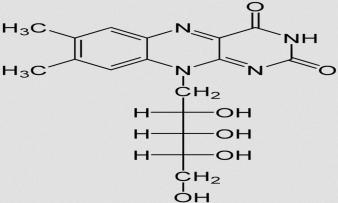
Der mit den höchsten Anteilen enthaltene essenzielle Mikronährstoff ist Riboflavin. Der auch Vitamin B2 genannte Stoff deckt bei 100 g Kaffee etwa 5 % des Tagesbedarfs ab. Die enthaltene Menge (0,08 mg/100g) ist mit jener in passierten Tomaten, Hartweizengriess oder Zitronenschale vergleichbar. Für eine gezielte Versorgung mit dem für unsere Nervengesundheit wichtigen Stoff Riboflavin, können Sie auf Hefeextrakt (18 mg/100g decken 1250 % des Tagesbedarfs), Spirulina (3,7 mg) und getrocknete Petersilie (2,4 mg) zurückgreifen.3
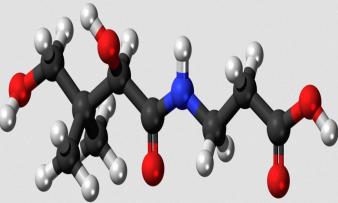
Weiters ist Pantothensäure in Kaffee enthalten, ein Baustein, der an zahlreichen chemischen Prozessen (z.B. Energiegewinnung) im Körper beteiligt ist. Der Konsum von 100 g des Getränks deckt 4 % des Tagesbedarfs ab. Auch unter dem Namen Vitamin B5 bekannte Stoff kommt mit 0,25 mg/100g in Kaffee vor. Etwa gleich viel ist in 100 g Kakaopulver, Staudensellerie und Karotten enthalten. Mehr als 100 % des Tagesbedarfs an Pantothensäure können Sie mit 100 g getrockneten Pilzen, z.B. Shiitake (22 mg/100g) und Hefen wie Bierhefe (7,2 mg) zu sich nehmen.3
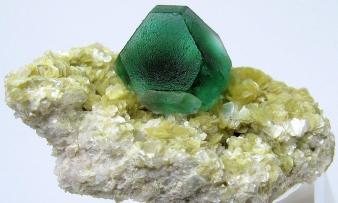
Der Gehalt an Fluorid beträgt 91 µg/100g. Dies deckt 3 % des Tagesbedarfs ab. Ähnliche Werte weisen Flohsamenschalen (100 µg/100g) und roter Tafelwein (558 µg/100g) auf. Es ist umstritten, ob Fluor zu den essenziellen Spurenelementen zählt oder nicht. Angemessene Mengen können den Zahnschmelz schützen, allerdings kann eine Überversorgung die Gesundheit schädigen. Hohe Fluoridmengen sind in Algen und Gewürzen, etwa Nori-Blatt (600 µg/100g) oder Paprikapulver (718 µg/100g) enthalten. Manche Länder reichern Trinkwasser damit an (71 µg/100g).3
Die gesamten Inhaltsstoffe von Kaffee, die Abdeckung des Tagesbedarfs und Vergleichswerte mit anderen Zutaten finden Sie in unseren Nährstofftabellen. Im Artikel Nährstoffe umfassend erklärt bekommen Sie einen detaillierten Einblick in das Thema.
Wirkungen auf die Gesundheit
Kaffee enthält verschiedene Mineralstoffe wie Magnesium, Calcium, Kalium sowie Vitamine wie Niacin und Vitamin E. Die Zusammensetzung hängt von der Menge des Kaffeepulvers, der Zubereitungsmethode, der Wasserqualität und weiteren Zutaten ab.4
Grosse Kohortenstudien zeigen einen Zusammenhang zwischen regelmässigem Kaffeekonsum und einer niedrigeren Gesamtsterblichkeit von ca. 15–23 %, unabhängig davon, ob der Kaffee gesüsst, entkoffeiniert oder Instant ist. Gleichzeitig treten geringere Risiken für Herz-Kreislauf-Erkrankungen und bestimmte Krebsarten auf (mehr dazu im Folgekapitel zu den sekundären Pflanzenstoffen). Bei künstlichen Süssstoffen bleiben die Ergebnisse uneinheitlich. Eine weitere Untersuchung zeigt pro zusätzlicher Tasse Kaffee eine leichte Gewichtsabnahme. Zuckerzugabe wirkt diesem Effekt eher entgegen, während Milch oder pflanzliche Kaffeeweisser keinen relevanten Einfluss zeigen.35,36 Lesen Sie vertiefende Informationen zu den Gefahren eines übermässigen Zuckerkonsums hier nach.
Sekundäre Pflanzenstoffe
Unser Artikel über sekundäre Pflanzenstoffe bietet einen Überblick über die Klassifizierung der Stoffgruppen, das Vorkommen in Lebensmitteln und mögliche Wirkungen auf den Menschen.
Kaffee enthält u.a. folgende sekundäre Pflanzenstoffe:4,5,22
- Isoprenoide: Diterpene (Cafestol, Kahweol)
- Alkaloide: Pyridinin-Alkaloide (Trigonellin); Purin-Alkaloide (Methylxanthine: Koffein, Theobromin, Theophyllin, Paraxanthin)
- Polyphenole: Phenolsäuren: Hydroxyzimtsäuren (Ferulasäure, Feruloylchinasäure, Caffeoylchinasäure, Chlorogensäure, Kaffeesäure); Flavonoide: Flavanole (Catechin); Catechole (Catecholsulfate); Tannine (Proanthocyanidine, Tanninsäure)
- Weitere stickstoffhaltige Verbindungen: Melanoidine
Zu den wichtigsten bioaktiven Verbindungen in Kaffee zählen Chlorogensäure, Diterpene, Trigonellin, Proanthocyanidine und Koffein. Neben ihren antioxidativen und entzündungshemmenden Wirkungen beeinflussen diese Stoffe auch die Qualität und den Geschmack des Kaffees. Beim Rösten von Kaffee erfolgt der Abbau von Trigonellin und Chlorogensäure zu Folgeprodukten, die die charakteristische Farbe und das typische Aroma gerösteter Kaffeebohnen prägen. Robusta-Kaffee weist im Vergleich zu Arabica höhere Gehalte an Chlorogensäuren auf. Diese Verbindungen tragen wesentlich zu Bitterkeit, Adstringenz und Säure des Getränks bei. Mit steigendem Röstgrad sinken die Gehalte an Chlorogensäuren, Diterpenen und Trigonellin deutlich, während Koffein weitgehend stabil bleibt.5,22
Koffein gelangt innerhalb von etwa 45 Minuten über den Magen-Darm-Trakt in den Blutkreislauf und verteilt sich rasch im Organismus.17 Aufgrund seiner guten Fett- und Wasserlöslichkeit passiert es die Blut-Hirn-, Plazenta- und Muttermilchbarriere und erreicht insbesondere das Gehirn. Entsprechend lässt sich Koffein in Muttermilch und Fruchtwasser nachweisen.18 Im Gehirn wirkt Koffein als kompetitiver Antagonist an Adenosinrezeptoren. Adenosin fördert normalerweise Müdigkeit, während Koffein diese Wirkung blockiert und dadurch Wachheit sowie eine vorübergehende Reduktion von Müdigkeit auslöst. Die individuelle Empfindlichkeit gegenüber Koffein hängt unter anderem von genetischen Faktoren wie dem ADORA2A-Gen ab.18 Robusta enthält etwa doppelt soviel Koffein wie Arabica.22
Koffein stimuliert das zentrale Nervensystem, erhöht die Stoffwechselrate, fördert die Verdauung und wirkt diuretisch (harntreibend).4,22 Koffein und Chlorogensäure können den Energiehaushalt beeinflussen, indem sie den Energieverbrauch, die Thermogenese und die Fettverbrennung fördern sowie den Appetit vorübergehend verringern. Dadurch können sie die Gewichtskontrolle unterstützen.4 Beobachtungsstudien bringen regelmässigen Kaffeekonsum zudem mit einem geringeren Risiko für Typ-2-Diabetes in Verbindung.4,5,22 Eine systematische Metaanalyse (2013-2023) zeigt leberschützende Effekte durch Chlorogensäure und Koffein, insbesondere durch antioxidative Mechanismen, die Hemmung von Entzündungsprozessen sowie die Modulation von Signalwegen. Leberzirrhose zählt neben u.a. Fettleber, Hepatitis B/C und Leberkrebs zu den häufig adressierten Erkrankungen bei Studien.7,22
Trotz potenzieller pharmakologischer Vorteile von Koffein bei Herz-Kreislauf-Erkrankungen bleibt die klinische Evidenz uneinheitlich. Bei Personen ohne bestehende kardiovaskuläre Erkrankungen gilt Koffein nach aktuellem Kenntnisstand als weitgehend sicher. Zur besseren Beurteilung von Sicherheit und Wirksamkeit bedarf es weiterer gut konzipierter Kohortenstudien und randomisierter kontrollierter Studien mit grossen Stichproben und kontrollierten Einflussfaktoren.6,10 Ungefilterter Kaffee enthält Cafestol und Kahweol, die LDL-Cholesterin erhöhen und das kardiovaskuläre Risiko beeinflussen können, während Filterkaffee diese Stoffe deutlich reduziert.4 Kaffee kann zudem kurzfristig den Blutdruck erhöhen, besonders bei regelmässigem oder hohem Konsum, und hohe Koffeinmengen können Herzrhythmusstörungen begünstigen.4
Epidemiologische Daten zeigen einen Zusammenhang zwischen Kaffeekonsum und einem reduzierten Risiko für bestimmte Krebsarten, u.a. Kolon-, Prostata- und Gallenblasenkrebs.4,22 In einer Kohortenstudie mit 6989 Männern trat bei hohem Konsum (>3 Tassen/Tag) ein um 53 % reduziertes Prostatakrebsrisiko im Vergleich zur Gruppe mit niedrigem Konsum (0-2 Tassen/Tag) auf. In vitro führte Koffein in beiden Zelllinien zu einer signifikanten Reduktion von Proliferation und Metastasierungsmerkmalen.8
Mehrere Beobachtungs- und Kohortenstudien sowie Meta-Analysen weisen darauf hin, dass moderater Kaffeekonsum bzw. Koffeinaufnahme mit einem geringeren Risiko für Alzheimer verbunden sein könnte. In einigen Langzeitstudien liegt die Risikoreduktion bei etwa 30–64 %, insbesondere bei moderatem Konsum von ungefähr 3–5 Tassen pro Tag. Tierexperimentelle Daten unterstützen diese Befunde und zeigen eine mögliche Reduktion von β-Amyloid, einem zentralen pathologischen Marker der Alzheimer-Erkrankung. Meta-Analysen betonen, dass die Evidenz zwar eine Tendenz zu einem protektiven Effekt zeigt, jedoch keine eindeutige Kausalität belegt ist.9
Laut einer prospektiven Kohortenstudie ist ein leichter bis moderater Konsum von Kaffee und Tee mit einem reduzierten Risiko für Asthma im Erwachsenenalter verbunden. Konkret ging ein leichter bis moderater Konsum von Kaffee und Tee (0,5 bis 3 Tassen pro Tag) sowie eine kombinierte Koffeinaufnahme aus Kaffee und Tee von 160 bis 305 mg/Tag mit einer geringeren Wahrscheinlichkeit für das Auftreten von Asthma im Vergleich zu Personen ohne regelmässigen Konsum einher. Weitere Untersuchungen zur möglichen präventiven Rolle von Koffein bei Asthma sind erforderlich.22,23
Darüber hinaus zeigen Studien antibakterielle Effekte von Kaffee-Extrakten gegen verschiedene pathogene Mikroorganismen, unter anderem kariesverursachende und intestinale Bakterien. Besonders gegen Streptococcus mutans zeigen höhere Koffeinkonzentrationen eine deutliche Hemmwirkung.22
Eine hohe Koffeinzufuhr kann Unruhe, Schlafstörungen sowie langfristig Angstzustände, Panikattacken und depressive Verstimmungen begünstigen.4 Entzugssymptome gehören zu den erfassten Merkmalen problematischen Kaffeekonsums.19 Epidemiologische Daten zeigen eine leichte Zunahme des Frakturrisikos mit steigender Kaffeemenge (+3,5 % pro zusätzlicher Tasse/Tag). Die derzeitige Datenlage reicht jedoch nicht aus, um zu einem eindeutigen Schluss zu gelangen, weshalb weitere Forschung erforderlich ist.4,20 Während sehr hohe Aufnahmen (>300 mg/Tag) mit möglichen Effekten auf Schwangerschaftsdauer und Blutdruck assoziiert sind, zeigen Studien bei moderatem Konsum insgesamt keine konsistenten Risiken in der Schwangerschaft.4,21 Weitere Zusammenhänge bei erhöhtem Konsum betreffen mögliche Verstärkungen von PMS- und Menopausensymptomen, ein erhöhtes Risiko für Brustzysten, Inkontinenz, ein geringfügig erhöhtes Fehlgeburtsrisiko sowie Verdauungsbeschwerden, Gicht und potenzielle Effekte auf Hautalterung.4
Eine humane Interventionsstudie zeigt eine Koffeinhalbwertszeit von etwa 5 Stunden und 20 Minuten.5 Nach 10 Stunden verbleiben rund 25 %, nach 20 Stunden etwa 12,25 % im Blut. Die Leber baut Koffein vor allem zu Paraxanthin (ca. 84 %), Theobromin (ca. 12 %) und Theophyllin (ca. 4 %) ab.17 Die Ausscheidung erfolgt überwiegend über den Urin.18
Ist Kaffee mit oder ohne Milch gesünder? Die Zugabe von tierischer Milch reduziert den Gehalt an Polyphenolen, vermutlich durch Bindung an Milchproteine (Whey, Casein) und Bildung von Polyphenol-Protein-Komplexen.22,25 Es gibt aber auch Beobachtungen, die eine neutrale Wirkung (weder Hemmung noch Verstärkung) oder sogar eine Verstärkung von Milch auf die antioxidative Aktivität und Bioverfügbarkeit von Chlorogensäuren beschreiben. Nach den bisher in der Literatur verfügbaren Daten hängt die Wirkung der Milchzugabe auf die Funktionalität von Kaffee von einigen Faktoren ab, wie z.B. der Kaffeesorte, der Milchzusammensetzung, dem Verhältnis von Milch zu Kaffee, der Temperatur und der Zubereitungsmethode.24
Gefahren - Unverträglichkeiten - Nebenwirkungen
Der Röstvorgang von Kaffee löst eine chemische Reaktion aus, die sogenannte Maillard-Reaktion. Bei dieser Reaktion wandeln sich Aminosäuren und reduzierende Zucker bei hoher Hitze zu neuen Verbindungen um. Dabei entstehen die für Kaffee typischen Aromen, aber auch gesundheitsschädliche Stoffe, wie Acrylamid. Dieses wirkt zellschädigend, mutagen und karzinogen. Zum Gesundheitsschutz sollten Sie die Aufnahme von Acrylamid so gering wie möglich halten. Auch andere Stoffe sind kritisch für die Gesundheit: 5-Hydroxymethylfurfural, heterozyklische Amine und fortgeschrittene Glykationsendprodukte.37
Es gibt Fälle, bei denen Koffein Anaphylaxie ausgelöst hat - eine schwere, potenziell lebensbedrohliche allergische Reaktion.4
Koffein kann mit verschiedenen Medikamenten in Wechselwirkung treten und deren Wirkung verstärken oder abschwächen. Die gleichzeitige Einnahme mit Stimulanzien kann Nebenwirkungen wie Nervosität, Herzrasen und Angstzustände verstärken. Auch mit Blutdruckmedikamenten oder Diuretika kann Koffein interagieren und deren blutdrucksenkende Wirkung mindern. Eine problematische Kombination mit Nebenwirkungen ist Koffein mit Alkohol.18
Bestimmte Antibiotika verlangsamen den Koffeinabbau, wodurch eine Überstimulation entstehen kann; zwischen deren Einnahme und Koffeinkonsum sollte daher ein zeitlicher Abstand von mehreren Stunden liegen. Auch bei der Einnahme von Schilddrüsen-Medikamenten ist Vorsicht geboten, da Koffein die Aufnahme hemmt – empfohlen ist ein Abstand von mindestens vier Stunden.18
Personen mit Angststörungen, Herzproblemen oder Schlafstörungen sollten Koffein generell nur gelegentlich in kleinen Mengen konsumieren oder ganz darauf verzichten, da es bestehende Symptome verschlimmern kann. Im Zweifel ist es ratsam, die Koffeinaufnahme und mögliche Wechselwirkungen mit einem Arzt oder einem Apotheker abzuklären.18
Ökologischer Fussabdruck - Tierwohl
Mithilfe einer Lebenszyklusanalyse lassen sich die Treibhausgasemissionen errechnen, die vom Anbau, über Verarbeitung, Verpackung, Transport bis hin zum Konsum von Kaffee entstehen. Der Anbau und die Aktivitäten auf dem Hof machten in einer Studie fast 55 % der freigesetzten Treibhausgase aus. Der Übersee-Transport von Tansania nach Deutschland ergab etwa 2 % und die Produktionslinie in Deutschland inklusive Rösten, Verpacken und Distribution etwa 7 %. Einen ebenfalls grossen Einfluss aufs Klima hat der Konsum von Kaffee (dazu zählen Mahlen, Zubereitung und Entsorgung) mit 36 % der Treibhausgase entlang der Wertschöpfungskette.27
Konventionell hergestellte geröstete Kaffeebohnen weisen einen CO2-Fussabdruck von 1,8 kg CO2eq/kg auf, während biologisch hergestellte geröstete Bohnen mit 0,5 kg CO2eq/kg besser abschneiden. Eine umweltfreundliche Produktion von Kaffee hängt vor allem vom Einsatz von Düngemitteln ab, die in der Herstellung sehr energieaufwendig sind. Besonders im konventionellen Anbau kommen Stickstoffdüngemittel und Kalk zur Anwendung. Der Wasserverbrauch war in der Studie sehr gering, da die untersuchten Farmen keine Bewässerung einsetzten.28 Die Anwendung von Pestiziden in der konventionellen Landwirtschaft stellt nicht nur ein Problem für das Ökosystem in den Anbauländern dar, sondern führt auch zu Rückständen in den Kaffeebohnen (34 Pestizide in 150 Proben nachgewiesen). Nach wie vor ist ein Grossteil der Farmer in den Anbauländern beim Ausbringen von Pestiziden ohne Schutzkleidung (Handschuhe, Masken) unterwegs, was in erster Linie zu Lungenerkrankungen führen kann.38
French Press und Filterkaffee sind am umweltfreundlichsten, Vollautomaten und Pad-Maschinen liegen im Mittelfeld, wohingegen Kapselmaschinen am umweltschädlichsten sind. Um Energie zu sparen und die Kaffeemaschinen möglichst lang in einem guten Zustand zu erhalten, schalten Sie diese nach Gebrauch sofort ab. Prüfen Sie auch die Energiesparfunktion, falls vorhanden.27
Kaffeepads und Kaffeekapseln weisen im Vergleich zur Verwendung einer Mokkakanne extra Emissionen von 27,6 und 12,6 g CO2eq auf, die durch Verpackung und Entsorgung entstehen.26
Der errechnete Wasserfussabdruck für in Europa konsumierten und gerösteten Kaffee beträgt 20'400 l/kg. Dementsprechend benötigt eine Tasse Kaffee (125 ml) ungefähr 140 Liter Wasser. Dies bedeutet, dass ein Tropfen Kaffee in der Herstellung 1100 Tropfen Wasser entspricht. Wesentlich weniger benötigt eine Tasse Tee mit 34 Litern. Der grösste Anteil des benötigten Wassers stammt aus Regenwasser und fällt in den Anbauländern wie Brasilien und Kolumbien an. Obwohl der Bedarf an Wasser im Nassproduktionsverfahren sehr gering (0,34 %) ist, spielen die Verwendung von knappem Oberflächengewässer (blaues Wasser) und die Verunreinigung von Abwasser eine bedeutende Rolle für das Ökosystem vor Ort.29
Ausführliche Erläuterungen zu verschiedenen Nachhaltigkeitsindikatoren (wie z.B. ökologischer Fussabdruck, CO2-Fussabdruck, Wasser-Fussabdruck) lesen Sie in unserem Artikel: Was bedeutet der ökologische Fussabdruck?
Tierschutz - Artenschutz
Traditionelle, einheimisch bewirtschaftete Kaffee-Agroforste sind wichtige Speicher biologischer Vielfalt. Die Anzahl der Kräuter- und Baumarten scheint der entscheidende Faktor für die biologische Vielfalt des Kaffee-Agroökosystems zu sein. Verschiedene Baumarten unterstützen nicht nur eine reichhaltige epiphytische Flora, sondern ziehen auch Vögel und Säugetiere an und erhalten deren Populationen, indem sie essbare Früchte, Nektar und Insekten sowie Arthropoden wie Waldkäfer bieten. Der Reichtum an Kräutern ist wahrscheinlich entscheidend für die Vielfalt vieler Gruppen von Arthropoden.30
Waldökosysteme bilden die natürliche Heimat der genetischen Ressourcen von Kaffee. Die fortschreitende Entwaldung sowie die spürbaren Folgen des Klimawandels gefährden diesen wertvollen Genpool zusehends. Berichte aus den verschiedenen Anbauregionen zeichnen eine deutliche Entwicklung: Höhere Temperaturen, seltener auftretende, dafür umso intensivere Regenfälle und anhaltende Dürren prägen dieses Bild, während gleichzeitig Krankheiten, Schädlinge und Nematoden zunehmen. Da die langfristige Lagerung von Kaffee scheitert, erfolgt die Erhaltung dieser genetischen Vielfalt vorrangig in Feldgenbanken.32
Weltweites Vorkommen - Anbau
Kaffee stammt ursprünglich aus Äthiopien. Das Land in Ostafrika ist vermutlich Heimat der zwei am meisten kommerziell genutzten Kaffeearten Arabica (Coffea arabica) und Robusta (Coffea canephora).31 Wildwachsend kommt Arabica im Hochland Südwest-Äthiopiens und am Boma-Plateau Südsudans und am Mount Marsabit in Kenia vor. Robusta ist wild von Guinea-Bissau (Westafrika) bis Tansania (Ostafrika) und bis nach Angola im Süden zu finden.32
Arabica-Kaffee ist besser an Hochlandgebiete angepasst, seine Bohnen bieten einen milden Geschmack. Die Qualität gilt in der Regel als "hochwertig". Dafür ist Coffea arabica anfälliger für Krankheiten, wie Blattrost und Wurzelkrankheiten. Der selbstbefruchtende Arabica-Kaffee stammt aus einer Hybridisierung von C. canephora x C. eugenoides. Hingegen ist Coffea canephora eher in den tropischen Wäldern Afrikas beheimatet, die sich über ein grosses Gebiet von Westafrika über Zentralafrika bis hin zum nördlichen Angola und Tansania erstrecken. Das Klima dort ist heiss und feucht. Der Anbau von Robusta-Kaffee findet hauptsächlich in niedrigen und mittleren Höhenlagen Afrikas statt. Obwohl die Pflanze eine minderwertigere Geschmacksqualität aufweist, ist sie widerstandsfähiger gegen schwere Krankheiten und Schädlingsbefall.31
Unter den zehn grössten Anbauländern produzieren und exportieren Brasilien, Vietnam und Kolumbien zusammen fast 60 % der weltweiten Gesamtmenge. Weitere wichtige Anbauländer sind Indonesien, Äthiopien, Indien und Länder Mittelamerikas. Die Lebensexistenz von etwa 125 Millionen Menschen ist von Kaffee als Einnahmequelle abhängig in mehr als 50 produzierenden Ländern, die fast alle als Entwicklungs- oder Schwellenländer gelten.32
Die grössten Kaffeeabnehmer Europas sind laut der International Coffee Organization (2022) Russland, Grossbritannien, die Schweiz, die Ukraine und Norwegen.12 In Europa sind die skandinavischen Länder Spitzenreiter im Kaffeekonsum mit etwa 10 kg pro Kopf und Jahr. In den Niederlanden sind es 8,4 kg; in der Schweiz 7,9 kg und in Polen 2,5 kg.13
Anbau - Ernte
Der Arabica-Kaffeebaum ist ein kleiner Baum, der in freier Natur eine Höhe von 9 bis 12 Metern erreichen kann und in einer Höhe von 1300 bis 2000 Metern über dem Meeresspiegel wächst. Die Blätter sind gegenständig, dunkelgrün, glänzend und gewachst. Von der Keimung des Samens bis zur ersten Fruchtproduktion dauert es etwa drei Jahre, bis die Kaffeepflanze ihre volle Reife erreicht hat. Die Frucht des Kaffees ist auch als Kirsche bekannt, der Samen im Inneren als Bohne.32
Optimale Wachstumsbedingungen sind Temperaturen zwischen 18 und 22 °C für Arabica und 22 bis 28 °C für Robusta-Kaffee. Ausreichend Niederschlag (1400 - 2000 mm für Arabica, 2000 bis 2500 für Robusta) und Feuchtigkeit (60 % und 75 %) sind notwendig. Um ihre ursprüngliche Waldumgebung nachzubauen, sollten Plantagen natürliche oder künstliche Schattenquellen bieten. Schatten hilft, Extremtemperaturen abzufedern. Kaffeeplantagen leiden unter Starkwindereignissen. Besonders von Zyklonen betroffen sind etwa Madagaskar, die Philippinen, die Karibik und Hawaii. Die Kaffeepflanze braucht Böden mit guter Struktur und Drainage (z.B. Schwemm- und Kolluvialböden) mit mind. 2 m Tiefe. Flaches Gelände ist mechanisch leichter zu bearbeiten, wohingegen an steilen Hängen die Produktion Erosionsschutz benötigt und kostspieliger ist. Etwa ab dem 5. bis zum 20. Jahr nach der Pflanzung liefert die Kaffeepflanze ihre volle Produktivität. Bei richtiger Pflege kann sie bis zu 50 Jahre Früchte tragen. Der Einsatz von Pestiziden und Düngemitteln steigert den Ertrag.32
Die zwei wichtigsten Arten der Kaffeeverarbeitung sind Nassverfahren und Trockenverfahren, wobei das erste Verfahren hinsichtlich der Bohnenqualität als deutlich besser gilt. Aufgrund seiner höheren Kosten wenden hauptsächlich Unternehmen oder echte Betriebe wie Bauernkooperativen das Nassverfahren an. Kleinbauern oder Landwirte in Gebieten mit Wasserknappheit nutzen häufig das Trockenverfahren. In Indonesien ist es für die Verarbeitung von Bohnen mit geringerer Qualität üblich, dazu zählen halb reife oder überreife Bohnen.31
Die Verarbeitung beginnt mit der Ernte - dem Pflücken der dunkelroten, reifen Kirschen und einer ersten Aussortierung. Die Ernte erfolgt händisch oder mittlerweile auch maschinell, was etwa die Produktivität Brasiliens enorm gesteigert hat.32 Das Nassverfahren ist zeit-, ressourcen- und arbeitsintensiver. Die Aussortierung der Kirschen erfolgt mittels Eintauchens ins Wasser. Schlechte Kirschen schwimmen an der Oberfläche und gelangen in die Ausschussmenge. Gute, reife Kirschen sinken auf den Boden und durchlaufen anschliessend das Entpulpen (Entfernen des Fruchtfleisches) und die Fermentation.31,32
Beide Verfahren setzen mit dem Trocknen (Sonnen- oder maschinelle Trocknung),32 Schälen (Silberhaut entfernen und im Fall vom Trockenverfahren auch Ablösen vom Fruchtfleisch), Sortieren, Verpacken und Lagern der grünen Kaffeebohnen fort. Mit einem Feuchtigkeitsgehalt von 12 % sind die grünen Bohnen exportfähig und bereit zum Rösten. Jeder Schritt in der Verarbeitung ist relevant und beeinflusst die Qualität des Endprodukts enorm. Unerwünscht sind Störfaktoren, wie z.B. Überfermentierung, Schimmelbefall, Verunreinigungen, Gerüche oder physische Schäden an den Bohnen.31
Zu den grössten Einbussen beim Anbau von Kaffee zählen Schädlinge und Krankheiten. Die häufigsten Belastungen sind die Grüne Kaffeeschildlaus, Blattläuse, Stängelbohrer, Kaffeekirschenkäfer, Wollläuse, die Keimlingsfäule, Carcospora-Blattflecken, Blattrost und frühzeitiges Absterben. Studien weisen auf den potenziellen Nutzen von biologischer Schädlingskontrolle hin, z.B. von verschiedenen Insektenarten wie Wolfsspinnen, Zwergspinnen, Fliegen und Wespen. Allerdings besteht noch Forschungsbedarf, um das gesamte Spektrum an Aktivitäten natürlicher Prädatoren zu verstehen. Neben der Resistenz gegenüber Krankheiten sind die Produktivität (Ertrag) und natürlich der Geschmack wichtige Züchtungsziele.31
Industrielle Herstellung
Eine Charge grüner Bohnen gelangt zunächst zur Waage und anschliessend in einen Trichter. Der Trichter leitet die Bohnen in den Röster. In einem Ofen erhitzt eine Flamme die durchströmende Luft, die anschliessend die Bohnen auf Rösttemperatur bringt. Ein Rührwerk sorgt für eine gleichmässige Bewegung und Röstung der Bohnen. Ein Ventilator bläst die entstehenden Gase und Bohnenhäutchen in Richtung Schornstein. Dort erfolgt eine Trennung von Gasen und Schalen. Die Gase gelangen in einen Nachbrenner, wo sie verbrennen, um unangenehme Gerüche in der Umgebung zu vermeiden. Die Schalen sammeln sich im Zyklon. Sobald die Bohnen die gewünschte Endtemperatur erreicht haben, endet der Röstvorgang. Anschliessend erfolgt die Kühlung der Bohnen mit Wasser. Danach liegen die Bohnen auf einem Gitter, um weiter abzukühlen. Nach vollständiger Abkühlung lagern die gerösteten Bohnen in einem geeigneten Behälter.33
Kaffeebohnen lassen sich auch zu Hause rösten – ideal für alle, die frisches Aroma schätzen. Dazu eignen sich spezielle Heimröster, eine heisse Pfanne oder ein Heissluft-Popcornmaker. Die rohen grünen Bohnen bei etwa 200–230 °C erhitzen und regelmässig bewegen, damit sie gleichmässig rösten. Nach einigen Minuten beginnen sie zu knacken ("First Crack") – ein Zeichen, dass die Röstung in Gang ist. Je nach gewünschtem Röstgrad dauert der Prozess 10–15 Minuten. Am besten schmeckt der Kaffee bei einer Röstung, die vor dem zweiten Knacken stoppt. Anschliessend müssen die Bohnen rasch abgekühlt und mindestens 24 Stunden ruhen, damit sich das Aroma entfalten kann. Das Knackgeräusch dient zur Einteilung der Röstintensität in vier Stufen: leicht (Beginn 1. Knacken), mittel (Höhepunkt 1. Knacken), mittel-dunkel (Beginn 2. Knacken) und dunkel (Ende 2. Knacken). Beim Rösten finden chemische Reaktionen statt, wie Karamellisieren, Maillard-Reaktion und Pyrolyse, die für ein angenehmes Aroma sorgen.34 Der Koffeingehalt der Bohnen ist bereits in der grünen Bohne messbar und zeigt keine signifikante Änderung während des Röstens.5
Weiterführende Informationen
Kaffee (Coffea spp.) ist ein tropisches Holzgewächs, das zur Familie der Rubiaceae gehört.32
Die globale Kaffeeindustrie ist im 19. Jahrhundert stark gewachsen und wollte durch das Bereitstellen von Espressomaschinen und Instantkaffee, das Heissgetränk für eine breite Masse zugänglich machen. In den 1960ern stieg das Interesse an Qualitätskaffee, verschiedenen Brühtechniken und nachhaltigem Konsum. Um 2000 kamen verschiedene Brühmethoden zur Schaffung von Kaffeeerlebnissen für VerbraucherInnen auf, wie Aeropress, Cold Brew, Siphon und Pour-Over.2
Verfahren zur Entkoffeinierung entziehen den Rohbohnen das Koffein mithilfe von Wasser, Kohlenstoffdioxid oder chemischen Lösungsmitteln vor dem Rösten. Koffeinfreie Alternativen zu Kaffee gibt es auch aus Getreide (z.B. Gerste, Roggen, Malz), Zichorie-Wurzel und Lupinen. Diese sind allerdings auch geröstet und enthalten unerwünschte Stoffe der Maillard-Reaktion.
Alternative "Wachmacher" sind Grüner Tee (Matcha), Schwarzer Tee, Yerba Mate, Guayusa-Tee und Kakao. Adaptogene liefern Energie, aber ohne Stressunterstützung, darunter Chaga-, Reishi- oder Löwenmähnenpilz-Getränke, Ginseng- oder Maca-Latte, Kurkuma-Latte.
Alternative Namen
Das Wort "Kaffee" leitet sich vom arabischen Wort "quahweh" ab. Das Wort verbreitete sich über sein türkisches Äquivalent (kahweh) ins Italienische (caffe), Französische (café), Deutsche (Kaffee), Niederländische (koffie) und Englische (coffee).24
Sonstige Anwendungen
Kaffeesatz eignet sich als Peeling etwa in der Dusche oder Sauna. Ausserdem stecken im Kaffeesatz wertvolle Nährstoffe, die als Pflanzendünger Verwendung finden. Der aufgebrühte gemahlene Kaffee ist auch ein idealer Nährboden für Austernseitlinge, z.T. auch für Kräuterseitlinge.
Literaturverzeichnis - 38 Quellen (Link zur Evidenz)
| 1. | ● Bei der Kaffeezubereitung wird das Kaffeepulver mit heissem Wasser übergossen, wobei ein Filter aus Metall oder Papier verwendet werden kann. Die Brühzeit ist je nach Zubereitungsart unterschiedlich. Zur Verfügung stehen Presskannen oder Kaffeemaschinen für Filterkaffee. Für Espresso eignen sich Stahl- oder Aluminiumkocher, die auf den Herd gestellt werden, sowie Kolbenmaschinen und Vollautomaten. Bei Spezialitäten wie Cappuccino und Latte Macchiato wird Milch bzw. Milchschaum zugesetzt. Wichtig ist ein angemessenes Trinkgefäss. Website | Wirtschaftslexikon Gabler de: Kaffee. |
| 2. | * There are two main coffee plant species, Arabica and Robusta, which are used in the global coffee industry. Arabica is known for its more complex flavours and aromas, and is therefore more common in specialty coffees. Robusta on the other hand, is known for its high coffee content and use in mass production due to easier growing conditions. The definition of specialty coffee for this research was coffee beans which have traceability to origin, been harvested and processed using the correct grading requirements, then roasted and brewed by a barista to meet quality and flavour profile (Hoffmann & Beazley, 2014:7; Krekó, 2015:10; Specialty Coffee Association of America, 2018). Specialty coffee shops are often categorized by using high quality freshly roasted coffee beans and brewing with alternative brew methods such as Chemex, Syphon, Cold brewin ifferent brewing methods and creating coffee experiences for consumers such as Aeropress, cold brew, siphon and Pour-Ove Beobachtugsstudie DOI: - Study: moderate evidence | Urwin R, Kesa H, Sao Joao E. The rise of specialty coffee: An investigation into the consumers of specialty coffee in Gauteng. African Journal of Hospitality Tourism and Leisure. 2019;8(5). |
| 3. | ● Website | USDA United States Department of Agriculture. |
| 4. | * Epidemiological studies report also suggest that drinking of boiled coffee is associated with elevated risk for cardiovascular disease. This is mainly due to the two diterpenes identified in the lipid fraction of coffee grounds, cafestol, and kahweol. These compounds promote increased the plasma concentration of cholesterol in humans. Unfiltered coffee is a significant source of cafestol and kahweol, which are diterpenes that have been implicated in the cholesterol-raising effects of coffee. Coffee beans contain cafestol and kahweol, two ingredients that appear to raise LDL cholesterol levels Through improvements in physical endurance, cognitive function, particularly alertness and vigilance, mood and perception of fatigu it stimulates the nervous system, causing it to send signals to the fat cells to break down body fat Above the recommended maximum amount of caffeine is 400 milligrams, which obtained from 4 cups of coffee. Through making chronic inability to fall asleep or to enjoy uninterrupted sleep. two or more cups of coffee per day. The ingestion of large quantities of caffeine might be associated with arrhythmic and cardiovascular events, especially in patients with underlying heart disease Drinking coffee when pregnant, caffeine will also reach the fetus, and child is highly sensitive to caffeine. Therefore, heavyweight coffee drinker while pregnant, at least reduce coffee intake not more than one cup per day. it reduces appetite for food. Inducing satiety and smoking augments Some other physiological effects that governed with caffeine include central nervous system stimulation, acute elevation of blood pressure, increased metabolic rate, and dieresis [25]. Caffeine is body weight regulator by controlling the balance of energy through rising energy expenditure and decreasing energy intake. It also improves weight maintenance through thermogenesis, fat oxidation, and energy intake Chlorogenic acid (the most prominent), caffeic acid, melanoidin are all antioxidants found in coffee. N-methyl pyridinium, one of identified as an anti-oxidant that found in coffee. Narrativer Review in wissenschaftlichem Journal DOI: 10.4172/2167-0412.1000301 Study: weak evidence | Wachamo HL. Review on Health Benefit and Risk of Coffee Consumption. Med Aromat Plants 2017;6:301. |
| 5. | * The first group comprised, e.g., ferulic acid and feruloyl sulfate and showed early appearance in the plasma (∼1 h). The second group contained particularly chlorogenic acid metabolites formed by the intestinal microflora, appearing late and persisting in the plasma (>6 h). Trigonelline appeared early but persisted with calculated half-life times ∼5 h. The plasma levels of caffeine metabolites significantly and progressively increased 2–4 h after coffee consumption and did not reach c max within the time frame of the study. Table 4 Pharmacokinetic data of coffee bioactives and their metabolites in human. Caffeine ~320 Halbwertszeit. berechnet.
In comparison, caffeine (III-1, 12.0 mg/g) was not significantly affected by thermal processing. Since some of these metabolites have been reported to show antioxidant effects in vivo, antioxidant-response-element activating potential, and neuroprotective properties, respectively, some of these key metabolites might account for the inflammation- and DM2/AD risk reducing effects reported for habitual life time consumption of coffee. Experimentelle Humanstudie mit analytischem Schwerpunkt in wissenschaftlichem Journal (nicht gesundheitsbezogen) DOI: 10.1007/s00216-013-7288-0 Study: weak evidence | Lang R, Dieminger N, et al. Bioappearance and pharmacokinetics of bioactives upon coffee consumption. Anal Bioanal Chem. Oktober 2013;405(26):8487–8503. |
| 6. | * The incidence of cardiovascular diseases has significantly increased with the expansion of the industrialization of societies, which is notably linked to lifestyle changes and an unhealthy diet. Hence, determining the healthiest diet habits and supple- ments seems to be an appropriate way to decrease the global burden of cardiovascular diseases. Currently, caffeine, one of the most widely consumed compounds in the world, has emerged with some promising results in the treatment of numerous pathophysiological conditions of cardiovascular diseases. A literature search was conducted in PubMed, Scopus, Science Direct, Google Scholar, and Web of Science databases for the relevant articles regarding the pharmacology, preclinical, and clinical studies on the potential effects of caffeine on cardiovascular diseases. While caffeine could improve cardiovascular outcomes through several mechanisms of action, the literature review revealed controversial clinical effects of caffeine on blood pressure, cardiac arrhythmias, acute coronary syndrome, stable angina, and heart failure. In the case of dyslipidemia, coffee consumption increased total cholesterol, triglyceride, and low-density lipoprotein. Taken together, the existence of multiple confounding factors in the caffeine studies has resulted in inconclusive data interpretation. Further well-designed studies with adequate control of the confounding factors are warranted to draw a clear conclusion on the cardiovascular efficacy and safety of caffeine. Narrativer Review in wissenschaftlichem Journal DOI: 10.1007/s40290-023-00466-y Study: weak evidence | Khiali S, Agabalazadeh A, Sahrai H, Bannazadeh Baghi H, Rahbari Banaeian G, Entezari-Maleki T. Effect of Caffeine Consumption on Cardiovascular Disease: An Updated Review. Pharm Med. 2023;37(2):139–151. |
| 7. | * The study indicates that while research has demonstrated the potential of coffee to mitigate liver damage, a comprehensive quantitative analysis of its effects has yet to be conducted. This study seeks to explore the current landscape and focal points of research on coffee consumption's impact on the liver from 2013 to 2023. Articles published within this timeframe were retrieved from the Web of Science database and subjected to analysis using R software, VOSviewer, and CiteSpace software. A total of 1106 articles primarily focused on coffee's impact on liver health were analyzed. The frequency of publication exhibited a significant increase from 2013 to 2023. The United States emerged as the leading contributor in publications and international collaborations, particularly with institutions such as Harvard Medical School and Harvard T.H. Chan School of Public Health. Noteworthy journals in this domain included "Nutrients" and "Hepatology" Commonly occurring keywords encompassed components, chlorogenic acids, oxidative stress, and liver. The study highlighted coffee's potential benefits in preventing cardiovascular and liver diseases, attributed to mechanisms such as antioxidant activity and modulation of hepatic cells. Through bibliometric analysis, this study offers valuable insights into the research status and emphasis on coffee's effects on liver health, serving as a significant reference for future investigations in this area. Systematische Review in wissenschaftlichem Journal DOI: 10.1016/j.heliyon.2024.e31132 Study: strong evidence | Li Z, Liao X, Qin Y, Jiang C, Lian Y, Lin X et al. Exploring the impact of coffee consumption on liver health: A comprehensive bibliometric analysis. Heliyon. 2024;10(10):e31132. |
| 8. | * Our study aimed at evaluating in a population cohort the effect of Italian-style coffee consumption on prostate cancer risk and at investigating in vitro the potential antiproliferative and antimetastatic activity of caffeine on prostate cancer cell lines. 6,989 men of the Moli-sani cohort aged ≥50 years were followed for a mean of 4.24 ± 1.35 years and 100 new prostate cancer cases were identified. The newly diagnosed prostate cancer participants presented lower coffee consumption (60.1 ± 51.3 g/day) compared to the disease-free population (74.0 ± 51.7 g/day) (p < 0.05). Multiadjusted analysis showed that the subjects at highest consumption (>3 cups/day) had 53% lower prostate cancer risk as compared to participants at the lowest consumption (0-2 cups/day) (p = 0.02). Both human prostate cancer cell lines treated with caffeine showed a significant reduction in their proliferative and metastatic behaviors. Epdemologische Kohortenstudie und experimentelle In-vitro-Studie in Zellmodellen DOI: 10.1002/ijc.30720 Study: moderate evidence | Pounis G, Tabolacci C, et al. Reduction by coffee consumption of prostate cancer risk: Evidence from the Moli‐sani cohort and cellular models. Intl Journal of Cancer. 2017;141(1):72–82. |
| 9. | * A 2007 quantitative review of observational studies demonstrated a new, positive effect of coffee consumption on lowering the risk for AD – approximately by 30% as compared to non-coffee consumers [48]. A 2010 review of longitudinal epidemiological studies suggested that daily intake of 3–5 cups of coffee in middle age may lower the risk of the disease by 64% as compared to lower amounts of coffee [6]. Two meta-analyses of cohort and case-control studies, from 2010 and 2015, also reported an inverse correlation between disease incidence and coffee/caffeine consumption [43, 49]. Furthermore, a review of the literature on the effects of various environmental reasons for the development of AD indicated a beneficial influence of coffee intake [14]. However, most authors emphasize a great number of methodological differences, which renders unequivocal conclusions difficult. One of the main limitations is a lack of accurate data on the duration of coffee intake among the studied populations. As a result, it is challenging to establish at what age coffee might start to exhibit its positive effect [43, 48]. The amounts of coffee, described as ‘low’, ‘moderate’, or ‘high’ in various sources [39, 42], and of caffeine in a cup, which might be anything between 36 and 220 mg, constitute yet another difference Parkinsons Disease: The lowest risk for disease was associated with daily consumption of 1–3 cups of coffee. A correlation between coffee intake and disease development was also confirmed by studies in Parkinson patients only. Coffee drinkers developed the disease 8 years later than did non-coffee drinkers (mean age at onset 72 and 64 years, respectively) [56]. A clinical study on Parkinson’s patients demonstrated that administration of adenosine receptor antagonists alleviates disease symptoms [81]. Experimental studies on animal models revealed that caffeine stabilizes blood-brain barrier (BBB) integrity, which contributes to brain homeostasis. Narrative Übersichtsarbeit in wissenschaftlichem Journal DOI: 10.5114/aoms.2016.63599 Study: weak evidence | Wierzejska R. Can coffee consumption lower the risk of Alzheimer’s disease and Parkinson’s disease? A literature review. Arch Med Sci. 2017;3:507–514. |
| 10. | * Table 2 Summary of studies on coffee and vascular events. Although regular consumption of moderate quantities of coffee and (green) tea seems to be associated with a small protection against CAD, results from randomized clinical trials about their beneficial effects are less evident. Narratives Review DOI: 10.1016/j.ejim.2011.07.014 Study: weak evidence | Di Castelnuovo A, Di Giuseppe R, et al. Consumption of cocoa, tea and coffee and risk of cardiovascular disease. European Journal of Internal Medicine. 2012; 23(1):15–25. |
| 11. | * this figure, there were differences in the sensory properties of each coffee sample due to the brewing method. Las Brisas was one of the samples that presented a greater variability obtaining higher scores for the attribute “roasted” when it was prepared with the espresso machine but at the same time this attribute scored lower when it was prepared with the drip coffee maker. For most of the attributes, the cupping method tend to produce higher notes than the coffee maker method, which probably can be explained because the coffee maker method uses a paper filter, while in the case of the cupping method the extraction takes place without any filter. According to the Specialty Coffee Association of America, any method that uses a paper filter take away some oils and essences that get trapped in the filter during the extraction. The process of preparation of many products, such as coffee, is complex. For example, water temperature, holding time, holding temperature and other aspects can cause the loss of many of the components that are characteristic of the product, and sensory properties flavor will change dramatically Sensorische Experimentalstudie DOI: 10.1111/joss.12184 Study: moderate evidence | Sanchez K, Chambers E. How does product preparation affect sensory properties? An example with coffee. Journal of Sensory Studies. 2015;30(6):499–511. |
| 12. | ● Graph 43: Coffee Consumption of Europe, ‘000 60-kg Bags Website | International Coffee Organization. Coffee Report and Outlook. 2023. |
| 13. | * Studies among European consumers [62] indicate that they use different coffee preparation methods. Italians, Swiss, and Portuguese use espresso machines: fully automated, capsule, and drip coffee maker. While Germans mainly use a filter coffee makers to brew coffee. In turn, in the South Africa foodservice market espresso based coffee dominate According to available sources, the highest coffee consumption in Europe is in Scandinavia at approximately 10 kg of coffee per capita per year. In Finland is 12 kg per capita per year; in Norway, 9.9 kg; in Iceland, 9 kg; in Denmark, 8.7 kg, and in Sweden, 8.2 kg. In other European countries, coffee consumption is lower, in Netherlands—8.4 kg, Switzerland—7.9 kg, Belgium—6.8 kg, and Luxembourg—6.5 kg [1]. In Poland, coffee consumption is an average of 2.2–3 kg per capita per year Beobachtungsstudie DOI: 10.3390/ijerph18083948 Study: moderate evidence | Czarniecka-Skubina E, Pielak M, et al. Consumer choices and habits related to coffee consumption by poles. IJERPH. 2021;18(8):3948. |
| 14. | ● Grafik: häufigsten Zubereitungsarten mit unseren Empfehlungen zusammengestellt. Website | Earlybird Coffee de: Kaffee zubereiten. 2021. |
| 15. | ● Ein Rezept für einen einfachen Espresso, das sich bewährt hat:
Website | Espressoguide org: Siebträgermaschinen: Das solltest Du über Druck bei der Espresso-Zubereitung wissen. |
| 16. | * For example, Fair Trade has the primary goal of improving the livelihoods and wellbeing of producers. It also stands for improved working conditions, and better buyer–seller relations (Dragusanu et al., 2014; Giovannucci and Ponte, 2005). The Fair Trade scheme emphasizes having a price premium for the producers (Reinecke et al., 2012). Rainforest Alliance or Organic has a greater focus on goals other than income for producers (Dragusanu et al., 2014). For instance, Rainforest Alliance assures that the products have been grown and harvested using environmentally and socially responsible practices and focuses on biodiversity conservation (Reinecke et al., 2012), while the USDA Organic label indicates that the coffee is produced according to the USDA Organic standards. Finally, Bird Friendly certification requires Organic production in addition to providing a forest-like habitat for birds. UTZ certified, founded in 2003, is the most recent of the major certification schemes. It focuses on better business practices and incorporates the GLOBAL G.A.P. standards for coffee (Pierrot et al., 2011). It is focused on transparency in the supply chain and responsible production (Reinecke et al., 2012). Carbon Footprint labeling is another sustainability label which could be present on coffee but is rather rare. This label indicates that the producer is reducing its carbon emissions. Ökologische Ressourcenstudie DOI: 10.1016/j.ecolecon.2015.07.011 | Van Loo EJ, Caputo V, et al. Sustainability labels on coffee: Consumer preferences, willingness-to-pay and visual attention to attributes. Ecological Economics. 2015;118:215–225. |
| 17. | * Caffeine is considered to be the most popular psychoactive drug consumed worldwide with a record of approximately 120,000 tons per year [18,19]. Caffeine is absorbed by the stomach and small intestine within 45 minutes [20] and is metabolized in the liver by the cytochrome P450 oxidase system (CYP1A2) into 3 metabolic dimethylxanthines: paraxanthine (84%), theobromine (12%), and theophylline (4%) Narratives Review DOI: 10.1016/j.nutres.2020.05.005 Study: weak evidence | Barcelos RP, Lima FD, et al. Caffeine effects on systemic metabolism, oxidative-inflammatory pathways, and exercise performance. Nutrition Research. 2020;80:1–17. |
| 18. | * 2.5. Caffeine interaction with other drugsADD Fig. 3. Overview of caffeine pharmacokinetics. Caffeine is structurally similar to adenosine as depicted in Fig. 6(b) [16]. Caffeine can non-selectively bind to the adenosine receptors and competitively inhibit them. Hence, caffeine acts as an antagonist and inhibits adenosine stimulation of the receptors [26]. For instance, binding of adenosine to the receptors in the central nervous systems will promote drowsiness [24]. Nerve cells are unable to differentiate between adenosine and caffeine. Thus, after caffeine is consumed, caffeine will inhibit the adenosine from binding and activating the receptors [24]. This will result in temporary relief of drowsiness, and this is why we feel more alert when we consume caffeine [24]. Adenosine receptors play a huge role in affecting individual sensitivity to caffeine. For instance, the ADORA2A gene encodes for adenosine A2A receptors [51]. A human study conducted showed that polymorphisms of this gene can lead to individuals reacting differently to the same dosage of caffeine Following ingestion, caffeine is quickly and almost completely absorbed into the bloodstream [20]. This reflects caffeine's 100% bioavailability and its high solubility in water and organic solvents [12]. 80% of caffeine is absorbed through the gastrointestinal tract while the remaining 20% is absorbed by the stomach Following ingestion, caffeine is quickly and almost completely absorbed into the bloodstream [20]. This reflects caffeine's 100% bioavailability and its high solubility in water and organic solvents [12]. 80% of caffeine is absorbed through the gastrointestinal tract while the remaining 20% is absorbed by the stomach Caffeine is a stimulant that can exacerbate the effects of these drugs, leading to increased side effects and toxicity. The drugs pictured that have negative or adverse interactions with caffeine include alcohol, Monoamine oxidase inhibitors, beta blockers like propranolol, benzodiazepines, clozapine, heart medications, theophylline, levothyroxine, and warfarin. Patients taking these medications should limit or restrict caffeine intake to avoid reduced efficacy or dangerous health consequences. Consulting a pharmacist or doctor can help identify safe caffeine limits for individuals on these medications. Taking caffeine with other stimulants like amphetamines, cocaine, ephedrine, or medications for ADHD can increase side effects like jitteriness, rapid heartbeat, and anxiety [35,36]. The stimulant effects can compound. Caffeine can oppose the effects of blood pressure medications like beta blockers and diuretics, blunting their effectiveness at lowering blood pressure [37]. Certain antibiotics like ciprofloxacin and norfloxacin can also affect the metabolism of caffeine and the longer presence of caffeine in blood can be lethal [38]. A gap of a few hours should be allowed between taking these antibiotics and caffeine however some studies also report the synergistic effect of caffeine with antibiotics including gentamycin, amoxyllin, azithromycin, cefepime, benzylpenicillin, and novobiocin [39,40]. Additionally, caffeine can decrease the sedative effects of benzodiazepines used for anxiety or sleep like diazepam and lorazepam, making them less effective [41]. Narratives Review DOI: 10.1016/j.ejmcr.2024.100138 Study: weak evidence | Reddy VS, Shiva S, et al. Pharmacology of caffeine and its effects on the human body. European Journal of Medicinal Chemistry Reports. 2024;10:100138. |
| 19. | * Coffee is a globally consumed beverage. However, the impairments associated with its excessive use remain under-recognized. There is currently no standardized measurement for coffee use disorder based on DSM-5 application. This study describes the development and psychometric properties of the Coffee Use Disorder and Coffee Addiction Scale (CUDCAS)—a self-report tool developed specifically for this purpose. A cross-sectional survey was designed and delivered to 523 participants. Items from CUDCAS (11 items with reference cluster) indicate substance use disorder criteria taken from the DSM-5 and were rated on a three point Likert scale and used descriptive statistics; internal consistency (Cronbach's α and McDonald's ω); exploratory/confirmatory factor analysis (EFA, CFA); item response theory (IRT), and correlations with caffeine consumption, insomnia (AIS) and anxiety symptoms (GAD-7) were also examined. CUDCAS was found to be a very reliable (α and ω = 0.86) measure of coffee use disorder symptoms. CFA results supported the unidimensional factor structure of the CUDCAS and the overall model fit was good (CFI = 0.92, TLI = 0.90, RMSEA = 0.07, SRMR = 0.04). The IRT analyses further demonstrated an appropriate distribution of item difficulties, measurement of item precision and subsequently, CUDCAS as an overall measurement of coffee use disorder that is responsive to coffee consumption. CUDCAS also demonstrated significant correlations with caffeine consumption (r = 0.54), insomnia (r = 0.37), and anxiety (r = 0.32), respectively, for construct validity. The findings suggest that the CUDCAS is a reliable and valid tool to assess the symptoms of coffee use disorder, and the current results provide support for its use in research and clinical settings. Querschnittsstudie in wissenschaftlichem Journal DOI: 10.3389/fnut.2025.1674097 Study: weak evidence | AlSaleh A, Husain W, Ghazzawi H, Alhaj OA, Ammar A, Trabelsi K et al. The development and validation of Coffee Use Disorder and Coffee Addiction Scale (CUDCAS) and its correlation with insomnia and anxiety symptoms. Front Nutr. 2025;12:1674097. |
| 20. | * We included 10 prospective studies covering 214,059 participants and 9,597 cases. There was overall 3.5% higher fracture risk for an increment of one cup of coffee per day. Meta-Analyse basierend auf Beobachtungsdaten in wissenschaftlichem Journal DOI: 10.5114/aoms.2012.31612 Study: moderate evidence | Liu H, Yao K, et al. Coffee consumption and risk of fractures: A meta-analysis. Archives of Medical Science. 2012;5:776–783. |
| Wir haben Studien und Bücher zu Ernährung und Gesundheit nach folgenden 3 Evidenz-Kategorien markiert: grün=starke Beweiskraft, gelb=mittlere, violett=schwache. Die restlichen Quellen sind grau markiert. Eine ausführliche Erklärung finden Sie in unserem Beitrag: Wissenschaft oder Glaube? So prüfen Sie Publikationen. | ||


Kommentare