

Inhaltsverzeichnis
| Wir bieten wissenschaftlich fundierte Informationen zu Gesundheit, Ernährung und Nachhaltigkeit – unabhängig von Sponsoren, Lebensmittelindustrie oder Herstellern von Nahrungsergänzungsmitteln. Hier erfahren Sie mehr: unsere Mission. |
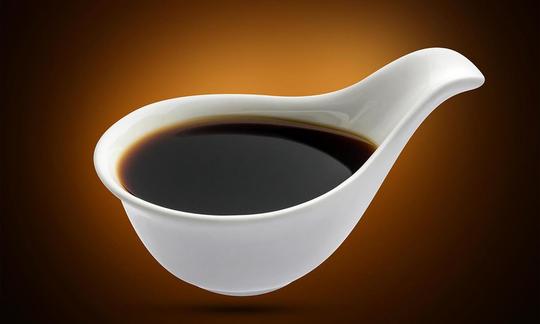
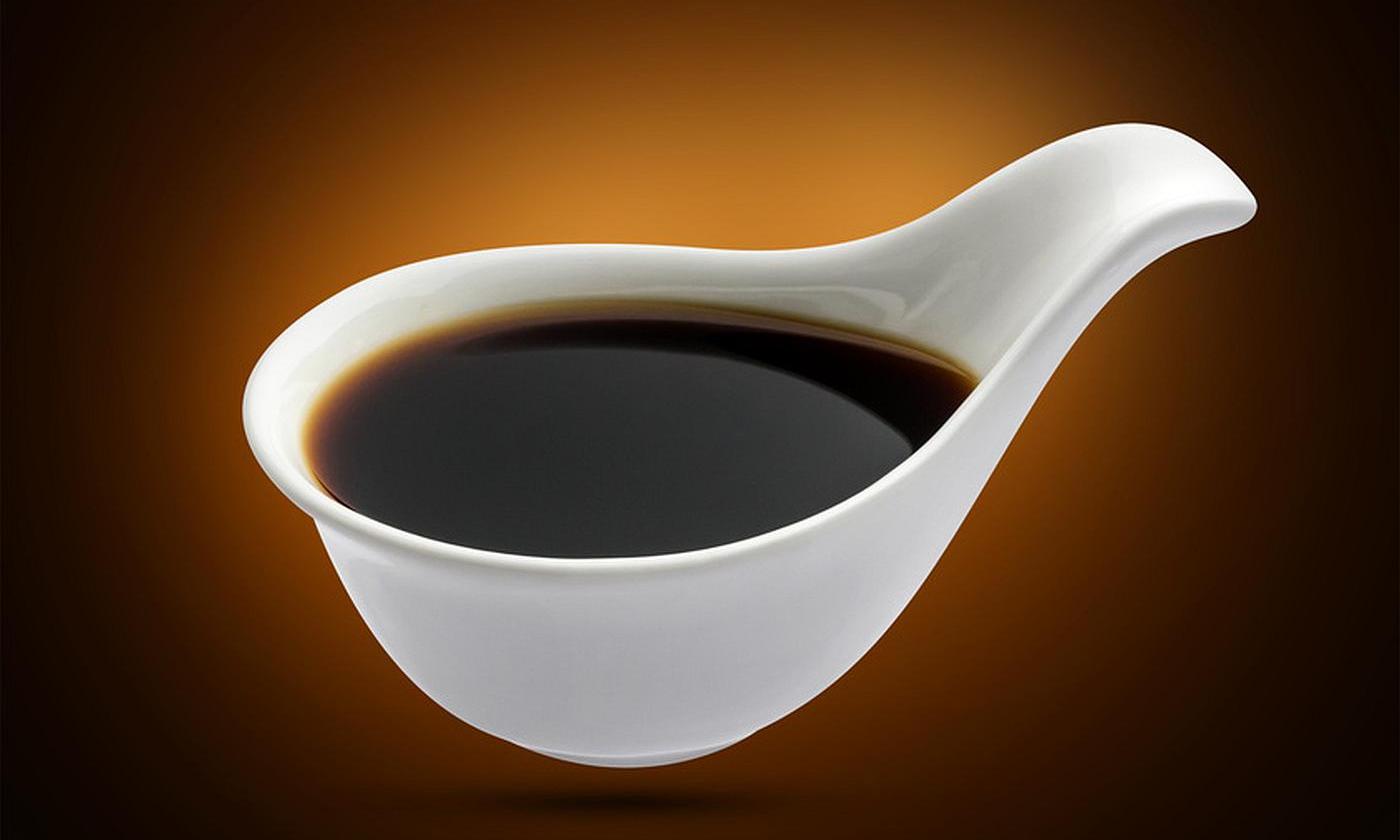
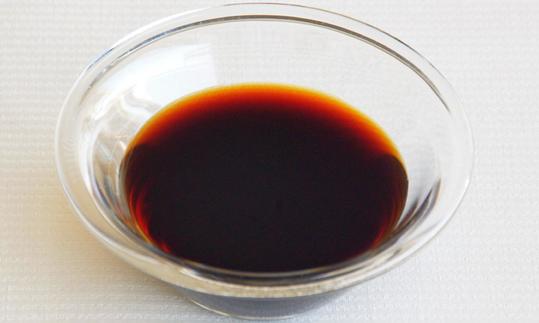
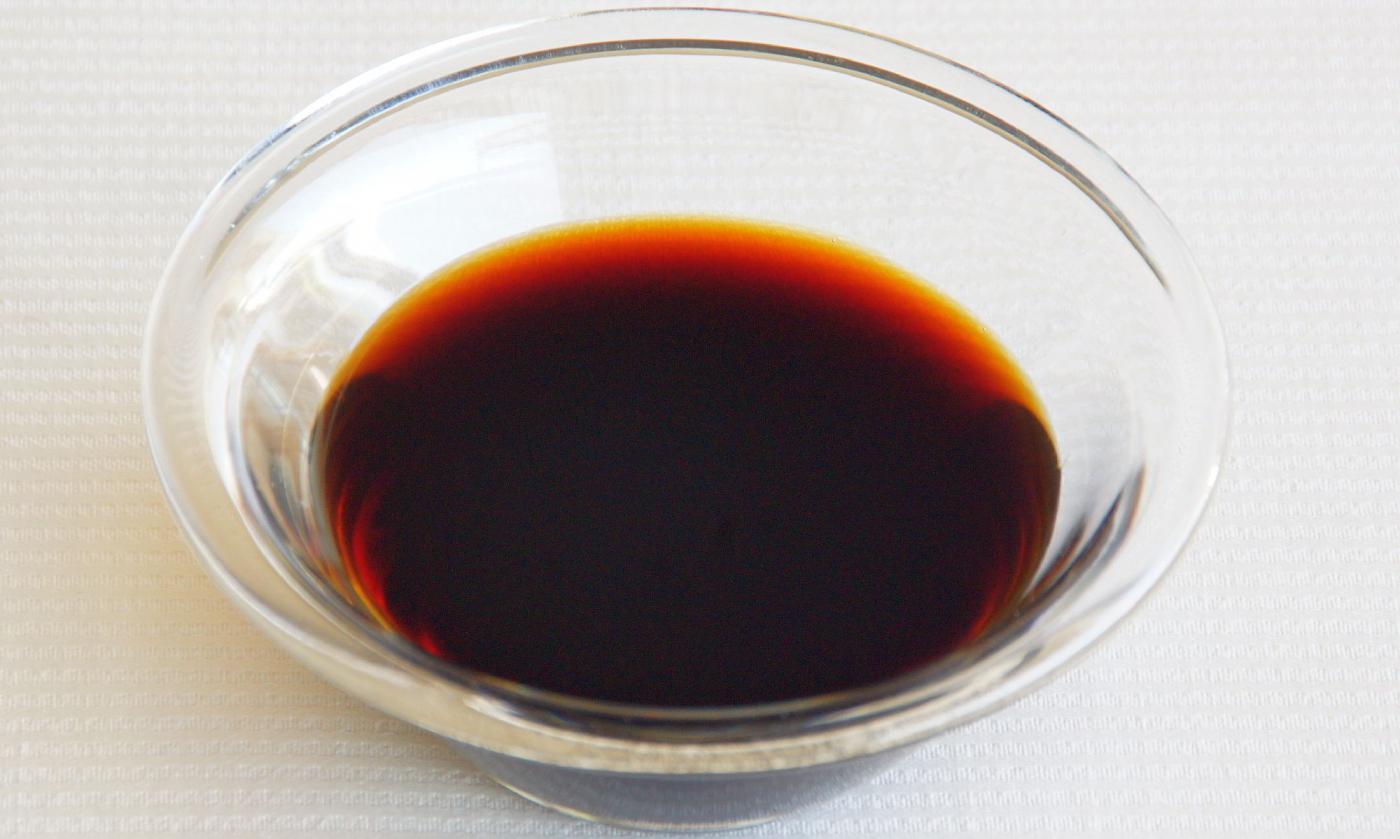
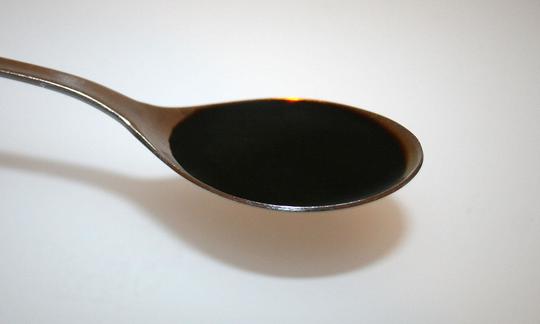
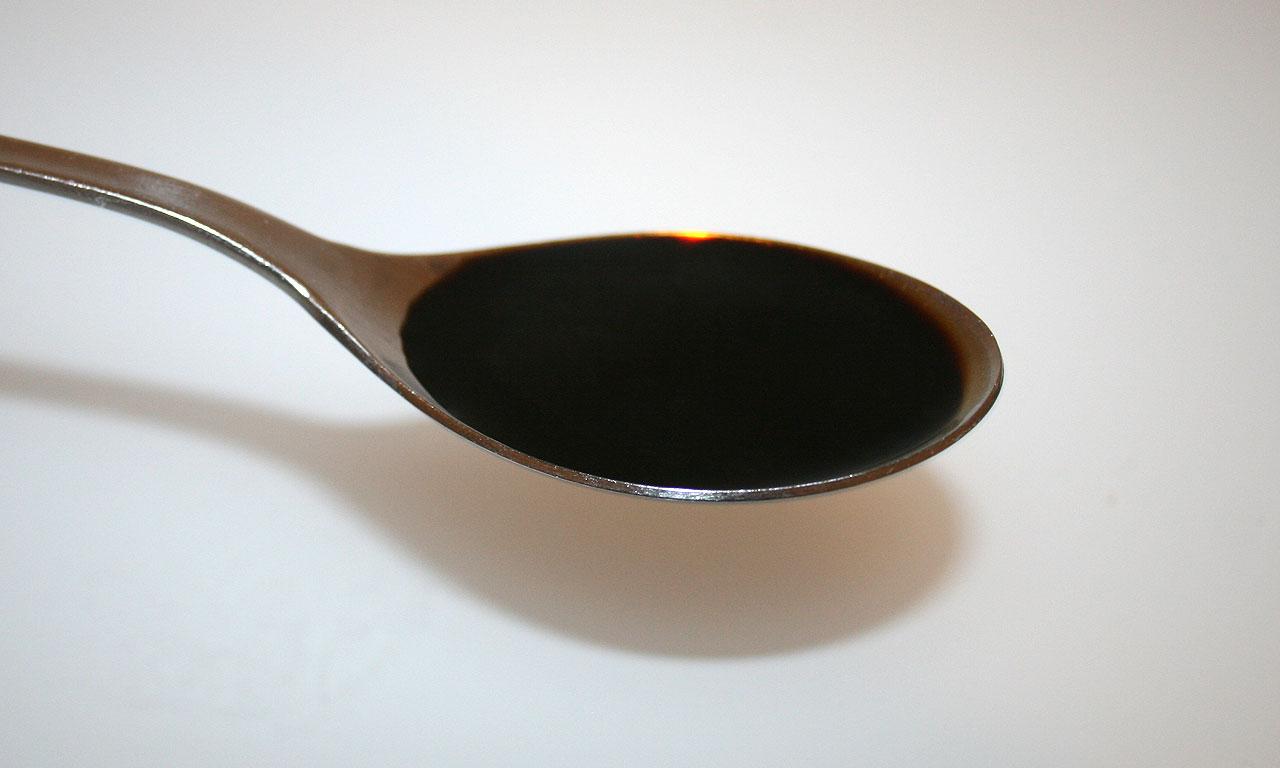
Sojasauce (Tamari) besteht hauptsächlich aus gekochten, fermentierten Sojabohnen - ist daher nie roh. Traditionelle Tamari-Sojasauce enthält wenig bis keinen Weizen und ist auch bio verfügbar.
Verwendung in der Küche
Was ist Tamari? Traditionelle Tamari-Sojasauce (Taremiso) entsteht als Nebenprodukt bei der Herstellung von Miso (einer fermentierten Sojapaste). Tamari, die in Amerika oder Europa erhältlich ist, hat meist wenig mit der ursprünglichen Tamari-Sojasauce zu tun. Genau genommen müsste man die westliche Tamari-Sojasauce als Shoyu-Tamari bezeichnen.3
Was ist der Unterschied zwischen Shoyu, Tamari und weisser Sojasauce? Shoyu ist japanisch und bedeutet 'Sojasauce' (Sojasosse). In der japanischen Küche verwendet man vorwiegend diese drei Varianten, die sich in Farbe, Geschmack und Salzgehalt unterscheiden.
- Am häufigsten Verwendung findet 'Koikuchi-Shoyu', oder kurz Shoyu. Koikuchi-Shoyu hat eine dunkelbraune Farbe und ein reiches Aroma. Der Salzgehalt liegt durchschnittlich bei 17 bis 18 %; ein Esslöffel Shoyu enthält ca. ½ Teelöffel Salz. Koikuchi-Shoyu verwendet man für Saucen, Suppen und Pfannengerichte, oder einfach als Dip (z.B. zu Sushi). Koikuchi-Shoyu verleiht Gerichten eine dunkelbraune Farbe und ein breites Geschmacksspektrum.2
- 'Usukuchi-Shoyu' ist eine helle Sojasauce. Um helle Shoyu herzustellen, röstet man den Weizen nur leicht. Die honigfarbene 'weisse Sojasauce'. Gewürzsauce hat einen hohen Weizenanteil. Die Fermentationszeit ist kürzer als bei anderen Sojasaucen.1 Sie enthält mehr Salz, um die Fermentation zu verlangsamen. Manchmal fügt man auch etwas Mirin (süssen Reiswein) hinzu. Der Geschmack ist weniger stark und sie enthält mit 19 % etwas mehr Salz als Koikuchi-Shoyu. Besonders gut geeignet ist die weisse Sojasauce für klare Suppen oder für Gerichte, bei denen eine zu dunkle Farbe und ein zu starker Geschmack unerwünscht sind.1,2
- Tamari besteht zum Grossteil aus Sojabohnen und enthält wenig bis keinen Weizen. Zur Fermentation fügt man nur eine geringe Menge Wasser hinzu. Nach 20 Monaten Fermentation ist Tamari etwas dicker und schmeckt kräftiger als die anderen Varianten. Tamari produziert man traditionell nur in wenigen japanischen Präfekturen: Aichi, Gifu und Mie. Im Gegensatz zu den anderen Shoyus verwendet man Tamari nur sehr sparsam als Gewürz zur Geschmacksverstärkung.2
Das Wichtigste beim Kochen mit Sojasaucen ist eine kurze Kochzeit. So bleiben der natürliche Duft, der Geschmack und die Farbe erhalten. Durch den hohen Salzgehalt sollte man sie erst gegen Ende der Garzeit zu gekochten Gerichten hinzufügen, damit die Zutaten nicht zu viel Saft verlieren. Dieser Effekt kann aber bei manchen Gerichten besonders lecker sein: Wenn man Tofu mit Sojasaucen anbrät, verliert der Tofu Wasser und man erhält einen knusprigen, gebräunten Tofu. Dazu passt Sesam sehr gut. Bei Pfannen- oder Wokgerichten kann man die Sauce zum Schluss über den heissen Pfannenrand laufen lassen. Dieses schnelle "Anbrennen" verleiht dem Gericht einen karamellisierten Geschmack.
Sojasauce ist eine wunderbare Zutat zum Einlegen und Marinieren. Sie hat einen hohen Salzgehalt, eine milde Säure (pH-Wert liegt bei etwa 4,8) und einen geringen Alkoholgehalt. All diese Eigenschaften machen sie für die Konservierung von Lebensmitteln nützlich.2
Durch den Herstellungsprozess haben Sojasaucen eine besondere Geschmacksnote – umami. Umami ist neben süss, sauer, bitter und salzig die fünfte Geschmacksqualität, die wir mit unseren Geschmacksknospen wahrnehmen. Diesen Geschmack kann man als herzhaft fleischig beschreiben.13
Tipp: Man kann mit Sojasauce Kochsalz ersetzen, indem man sie erst kurz vor dem Essen zufügt. Auch mit weniger Salz schmeckt das Essen würzig genug, wie Untersuchungen ergaben.13,19
Veganes Rezept für Tamari-Marinade mit Tofu und Gemüse
Zutaten (für 4 Portionen): 1 TL Sesamöl, 400 g Tofu, 3 EL Tamari (bio), 2 TL Reisessig, 1 EL Ahornsirup, 2 EL Sesam (grob gemahlen), 2 cm Ingwer (roh und geraspelt oder fein gewürfelt), 1 Knoblauchzehe (gepresst), Salz, 1 Zitrone (bio), Gemüse (z.B. Spargel, Kürbis), Frühlingszwiebel.
Zubereitung: Tofu in Scheiben schneiden (ca. 1 cm), auf einem Backblech verteilen und mit Sesam bestreuen. Bei 170 °C backen, bis der Tofu etwas gebräunt ist. Sesamöl, Tamari, Reisessig, Ahornsirup, Ingwer, Knoblauch und den Saft der Zitrone zu einer Marinade vermengen.
Das saisonale Gemüse dämpfen. Frühlingszwiebel klein hacken. Das Backblech aus dem Backrohr nehmen und den noch heissen Tofu mit etwas Marinade beträufeln. Tofu und saisonales Gemüse anrichten und mit Frühlingszwiebeln und Marinade garnieren. Dazu passt veganes Kartoffelpüree.
Vegane Rezepte mit Sojasauce (Tamari) finden Sie unter dem Hinweis: "Rezepte, die am meisten von dieser Zutat haben".
| Nicht nur Veganer oder Vegetarier sollten das lesen: Veganer essen oft ungesund. Vermeidbare Ernährungsfehler. |
Einkauf - Lagerung
Bei Grossverteilern wie Coop, Migros, Denner, Volg, Spar, Aldi, Lidl, Rewe, Edeka, Hofer, Billa etc. ist Tamari vorwiegend in grossen Filialen ganzjährig erhältlich. Die meisten Bio-Supermärkte (z.B. Denn's Biomarkt und Alnatura), Reformhäuser oder Naturkostläden haben Tamari in biologischer Qualität. Oft ist diese nicht pasteurisiert und ohne Weizen (glutenfrei).
Die Verfügbarkeit von Sojasauce (Tamari) ist je nach Grösse des Ladens, Einzugsgebiet etc. unterschiedlich. Unsere erfassten Lebensmittelpreise für die D-A-CH-Länder finden Sie oben unter dem Zutatenbild - und mit Klick deren Entwicklung bei verschiedenen Anbietern.
Tipps zur Lagerung
Man muss Tamari nicht unbedingt im Kühlschrank lagern. Die Sojasauce sollten Sie aber vor Sonnenlicht, Oxidation und Hitze schützen. Gut verschlossen, dunkel und kühl gelagert, ist Tamari bis zu zwei Jahre haltbar.
Inhaltsstoffe - Nährwerte - Kalorien
Zusammensetzung und Menge der Inhaltsstoffe, inkl. sekundäre Pflanzenstoffe, variieren extrem je nach Sorte, Wachstumsbedingungen und Verarbeitungsmethoden etc.
Die Inhaltsstoffe der Sojasauce (Tamari) bieten 60 kcal/100g. Davon sind 0,1 g/100g Fett, 5,6 g/100g Kohlenhydrate und 11 g/100g Eiweiss. Den höchsten Stellenwert nimmt Salz ein, mit 14,19 g/100g; was 591,2 % des empfohlenen Tagesbedarfs entspricht.4
Sojasauce enthält zwar Vitamine (B3, B6) und Mineralstoffe wie Kalium; in höherer Konzentration vorhanden bzw. von Bedeutung sind aber nur die enthaltenen Aminosäuren sowie einige bioaktive Metaboliten:
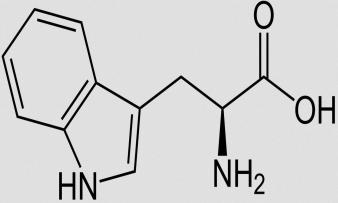
100 g Sojasauce (Tamari) enthält 0,18 g Tryptophan. Ein Esslöffel Sojasauce wiegt ca. 10 g und bietet damit 7,3 % des Tagesbedarfs. Vergleichbar ist dieser Wert mit dem von Mohnsamen oder Paprikapulver, wobei auch deren Verzehrmengen gering sind. Viel Tryptophan finden Sie in getrockneten Kürbiskernen (0,58 g/100g) oder Sojabohnen (0,59 g/100g).4
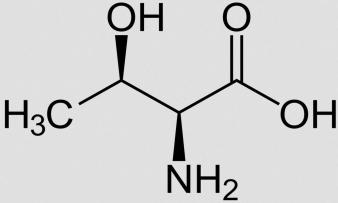
Threonin ist mit 0,41 g/100g enthalten. 4,4 % des Tagesbedarfs kann man mit einem EL Tamari aufnehmen. Quinoa oder Vollkorn Makkaroni haben eine ähnliche Threonin-Konzentration sind daher eine ergiebigere Threonin-Quelle. Spitzenreiter sind Spirulina (3 g/100g) und Bierhefe (2,7 g/100g).4
Tamari enthält 0,49 g/100g Isoleucin (39 % des Tagesbedarfs). Vergleichbar ist dieser Gehalt mit Couscous; wobei man wiederum natürlich mehr davon isst. Besonders gute Isoleucin-Lieferanten sind z.B. Sojabohnen (2 g/100g) und Lupinenmehl (1,7 g/100g).4
Die gesamten Inhaltsstoffe von Sojasauce (Tamari), die Abdeckung des Tagesbedarfs und Vergleichswerte mit anderen Zutaten finden Sie in unseren Nährstofftabellen. Im Artikel Nährstoffe umfassend erklärt bekommen Sie einen detaillierten Einblick in das Thema.
Wirkungen auf die Gesundheit
Wie gesund ist Sojasauce (Tamari)? Die mikrobielle Fermentation von Sojabohnen kann den Gehalt von Vitamin K, das die Knochengesundheit fördert, erhöhen und die Bioverfügbarkeit von Eisen und Kupfer durch den Abbau von Phytaten verbessern.5 Zudem steigt die Verdaulichkeit von Sojaproteinen durch den Abbau von Glycinin und β-Conglycinin zu Peptiden und freien Aminosäuren. Fermentierte Sojasaucen enthalten dadurch zahlreiche Aminosäuren, darunter vor allem Prolin, Leucin und Asparaginsäure. Antioxidative Peptide enthalten häufig Aminosäuren wie Tryptophan, Histidin und Tyrosin, deren Seitenketten zur Radikalfänger-Aktivität beitragen.5,9
Die Effizienz des Proteinabbaus bei der Sojafermentation hängt stark von den eingesetzten Mikroorganismen ab. Unterschiedliche Stämme von Bacillus subtilis führen zu unterschiedlich starkem Proteinabbau und variierenden Mengen freier Aminosäuren. Kombinierte Fermentationen, etwa mit Rhizopus oligosporus und B. subtilis, verstärken den Proteinabbau zusätzlich und erhöhen insbesondere die Aminosäuren Glutamat und Asparaginsäure.5,9 Zusätzlich entstehen Melanoidine, die wesentlich zur braunen Farbe der Sojasauce beitragen. Sie zeigen antioxidative Eigenschaften, die vor allem auf Metallbindung (insbesondere Eisen) sowie Radikalfängeraktivität zurückgehen. Dunkle Sojasauce enthält besonders hohe Mengen an Melanoidinen. Gemeinsam mit den bioaktiven Peptiden wirken sie potenziell blutdrucksenkend, antimikrobiell, antidiabetisch, probiotisch und antikarzinogen. Weitere Forschung ist jedoch notwendig, um diese Substanzen und ihre Wirkmechanismen zu klären.5,9,12
Welche Sojasauce ist gesund? Die gesundheitsfördernden Eigenschaften von Sojasauce hängen stark von den Fermentationsbedingungen ab. Mikroorganismen, Salzgehalt, Temperatur und Fermentationsdauer beeinflussen, welche bioaktiven Stoffe entstehen und in welcher Menge. Sojasauce mit höherem Sojabohnenanteil und kurzer Fermentation zeigte eine stärkere Hemmung des Angiotensin-Converting-Enzyms (ACE) als herkömmliche Sojasauce. Das Enzym ACE bildet den gefässverengenden Botenstoff Angiotensin II, der an der Regulation des Blutdrucks beteiligt ist. Eine Hemmung von ACE kann daher helfen, erhöhten Blutdruck zu senken und das Risiko für Herz-Kreislauf-Erkrankungen zu senken.5,9
Ein hoher Natriumkonsum ist mit zahlreichen Gesundheitsrisiken verbunden, darunter Bluthochdruck, Herz-Kreislauf-Erkrankungen, Nierenschäden, Schlaganfall sowie möglicherweise auch Magenkrebs, Osteoporose und Adipositas.19 Der Natriumgehalt von Sojasauce liegt relativ hoch und trägt erheblich zur täglichen Aufnahme bei. Die WHO (Weltgesundheitsorganisation) empfiehlt für gesunde Erwachsene max. 5 g Salz (ca. 1 TL) pro Tag oder 2 g Natrium.10 Informationen über die gesundheitsschädlichen Auswirkungen eines zu hohen Salzkonsums und Möglichkeiten, die eigene Salzaufnahme zu reduzieren, finden Sie in den Artikeln zu Salz und Meersalz.
Salzreduzierte Sojasauce nutzt Kaliumchlorid oder biotechnologische Verfahren mit ausgewählten Mikroorganismen, was Geschmack und Aroma verändern kann.16 Süsse Sojasauce hingegen enthält bis zu 50 % Palmzucker. Übermässiger Zuckerkonsum kann sich gesundheitlich ebenso nachteilig auswirken.
Sekundäre Pflanzenstoffe
Viele gesundheitliche Wirkungen von Sojasauce kann man auf die enthaltenen sekundären Pflanzenstoffe zurückführen. Unser Artikel über sekundäre Pflanzenstoffe bietet einen Überblick über die Klassifizierung der Stoffgruppen, das Vorkommen in Lebensmitteln und mögliche Wirkungen auf den Menschen.
Sojasauce enthält u.a. folgende sekundäre Pflanzenstoffe:5,6,7,11
- Isoprenoide: Sesquiterpene (Guaicol)
- Alkaloide: Indol-Alkaloide (Beta-Carboline)
- Polyphenole: Phenolsäuren: Hydroxybenzoesäuren (Vanillinsäure, Syringinsäure), Hydroxyzimtsäuren (Ferulasäure, Sinapinsäure); Flavonoide: Isoflavone (Genistein, Daidzein, Daidzin, Glycitein); Phenole (Catechol)
- Organische schwefelhaltige Verbindungen: Thiole, Sulfide
- Weitere stickstoffhaltige Verbindungen: Biogene Amine
- Weitere organische Verbindungen: Hydroxycarbonsäuren (Milchsäure, Apfelsäure, Zitronensäure); Carbonsäuren (Essigsäure); Furane; Alkohole (Guajacol); Ester; Aldehyde; Pyrazine
Sojasauce enthält eine grosse Vielfalt an flüchtigen Stoffen. Je nach Herstellungsprozess und Region entstehen deutlich unterschiedliche Aromaprofile. Japanische Sojasaucen enthalten häufiger fruchtige, blumige und rauchige Noten, während chinesische Varianten eher malzige, kartoffelartige oder würzige Aromen aufweisen. Auch das Produktionsverfahren prägt den Geschmack stark. Traditionell fermentierte Sojasaucen enthalten mehr Alkohole und Ester und wirken oft komplexer, süsser und aromatischer. Säurehydrolysierte Sojasaucen enthalten dagegen mehr Pyrazine, Furane und Säuren, was zu stärker gerösteten, schärferen oder künstlicher wirkenden Aromen führt.11
Sojasauce zeigt u.a. antioxidative, antihyperurikämische (senkt den Harnsäurespiegel), antimikrobielle, antikarzinogene, katarakthemmende (gegen Linsentrübung) sowie antithrombotische Wirkungen. Diese Effekte gehen auf die Isoflavone, Furanverbindungen, Phenolsäuren, organischen Säuren und β-Carboline zurück.5
Die Zugabe von Zitrusschalen während der Koji-Herstellung verbesserte die funktionellen Eigenschaften der Sojasauce deutlich. Sie erhöhte gezielt die Aktivität der β-Glucosidase, eines Enzyms, das gebundene Isoflavone in besser verfügbare Aglykone umwandelt. Dadurch stiegen die Gehalte an phenolischen Verbindungen und organischen Säuren und führten zu einer stärkeren antioxidativen Aktivität der Sojasauce.6
Gefahren - Unverträglichkeiten - Nebenwirkungen
Obwohl Soja eines der häufigsten Lebensmittelallergene ist, wirken fermentierte Produkte wie Sojasaucen, Miso und Natto selbst antiallergen. Während der Fermentation bauen mikrobielle proteolytische Enzyme die Allergene vollständig ab, sodass sie für Allergiker nicht mehr gefährlich sind. Dasselbe gilt auch für enthaltene Weizen-Allergene.12
Trotzdem können manchmal allergische Reaktionen auftreten. Ob dies am enthaltenen Histamin oder anderen Stoffen liegt, ist jedoch unklar.17,18
Hohe Konzentrationen von biogenen Aminen in Nahrungsmitteln können toxische Effekte haben. Histamine wirken ab einem Level von 100 mg/kg negativ auf die Gesundheit. Eine Untersuchung von verschiedenen Sojasaucen in Brasilien fand in 48 % zu hohe Mengen an Histamin, 61 % enthielten zu viel Tyramin (kann Migräne auslösen) und 31 % enthielten Phenylethylamine, welche Kopfschmerzen verursachen können.7 Eine Studie aus Spanien fand weniger hohe Werte in den untersuchten Sojasaucen. Für gesunde Menschen seien die enthaltenen biogenen Amine nicht schädlich.8
Ökologischer Fussabdruck - Tierwohl
Der CO2-Fussabdruck von Sojasauce beträgt ca. 0,65-1,2 kg CO2eq/kg.21 Dieser Wert schwankt je nach Anbaugebiet, Verkaufsland und Verpackung. So zeigt die dänische Klimadatenbank Concito einen Wert von 1,64 kg CO2eq/kg.24
Der Wasserfussabdruck beläuft sich auf ca. 600-1986 l/kg.20,22 Wir konnten nur zwei Untersuchungen dazu finden, wobei der höhere Wert einer Berechnung zugrunde liegt, welche Sojasauce ohne Weizen heranzog.
Zur Veranschaulichung: Fleisch und Fisch, die ebenfalls den Geschmack 'umami' erzeugen, verursachen einen CO2-Fussabdruck von 13,6 (Rindfleisch, Durchschnitt) und 2,4 kg CO2eq/kg (Fisch, Wildfang, Massenware, gefroren).23 Andere Gewürzsaucen wie Ketchup (2,01 kg CO2eq/kg) oder Senf (1,76 kg CO2eq/kg) haben einen geringeren Treibhausgaseffekt. Tafelsalz braucht nur 0,44 kg CO2eq/kg.24 Reines Salz bietet dafür aber keine anderen wertvollen Inhaltsstoffe.4
Ausführliche Erläuterungen zu verschiedenen Nachhaltigkeitsindikatoren (wie z.B. ökologischer Fussabdruck, CO2-Fussabdruck, Wasser-Fussabdruck) lesen Sie in unserem Artikel: Was bedeutet der ökologische Fussabdruck?
Tierschutz - Artenschutz
Der Sojaanbau birgt einige ökologisch problematische Aspekte. Das liegt aber nicht an der Pflanze selbst, sondern an der Produktionsmethode. Lesen Sie dazu bei den Zutaten Sojabohne oder Sojamilch nach.
Weltweites Vorkommen - Anbau
Die Erfindung von Sojasauce lässt sich nach China zurückverfolgen. Die erste Sojasauce nannte sich 'jan'. Wann die Sojasauce nach Japan kam, ist nicht eindeutig. Einem Bericht zufolge entdeckte ein buddhistischer Mönch namens Kakushin 1254 'Shoyu'. Das erste japanische Sojasaucen-Geschäft entstand ca. 1580.15
Die Internationalisierung der japanischen Sojasauce begann in der Edo-Zeit (1688-1736). Man transportierte die Sojasauce in sogenannten 'Konpura-Flaschen' in andere Teile Südostasiens bis nach Holland. Danach erreichte die Sojasauce immer mehr Länder. Das vielseitige Würzmittel ist nun in Küchen der ganzen Welt zu finden.15
Industrielle Herstellung
Die Ausgangszutat sind gemahlene und gedünstete Sojabohnen (manchmal auch etwas gerösteter Weizen oder Reis). Der Brauprozess der traditionellen Sojasauce besteht aus zwei Fermentationseinheiten, einer kurzen Fermentation in fester Phase (Koji) und einer langen Fermentation in Flüssigkeit (Moromi), sozusagen der Maische. Die Mikroorganismen im Koji-Fermentationsschritt, hauptsächlich Schimmelpilze der Gattung Aspergillus (A. oryzae, A. sojae, A. tamari), produzieren Enzyme, die Sojabohnen und Weizen in einfachere Moleküle aufspalten. Diese einfachen Moleküle verarbeiten anschliessend halophile Mikroorganismen (Milchsäurebakterien, Stäbchenbakterien, Hefen) in der Moromi-Fermentation weiter. Die Maische fermentiert danach einen Monat bis vier Jahre.16
Neben der traditionellen Methode kann man Sojasauce auch mittels chemischer Hydrolyse herstellen. Man gibt Salzsäure hinzu und hydrolysiert damit die Proteine der Sojabohnen. Durch die nun gelösten Proteine verringert sich die Produktionszeit von vielen Monaten auf 1 bis 3 Tage. Diese Methode ist billiger, aber auch die Qualität der Sojasauce leidet darunter: weniger Aroma und Geschmack, dafür mehr unerwünschte Inhaltsstoffe. Es können auch krebserregende Stoffe wie 3-Chlorpropan-1,2-diol und 1,3-Dichlorpropanol enthalten sein.16 Da sich solch hergestellte Sojasaucen geschmacklich nicht mit den traditionellen messen können, fügt man z.T. Aromen, Zucker, Konservierungsstoffe sowie Karamell zur Färbung hinzu.1
Weiterführende Informationen
Wir zeigen auch informative Artikel zu Shoyu, der salzreduzierten Genen Shoyu, und zur süssen Sojasauce.
Alternative Namen
Übersetzt man das Wort 'tamari' auf Deutsch, bedeutet es ca. 'das, was sich ansammelt' und meint damit die Restflüssigkeit, die sich beim Pressen von Miso ergibt.14
Um die traditionelle Tamari-Sojasauce von der weltweit verbreiteten Shoyu-Tamari zu unterscheiden, nennt man die traditionelle Tamari-Sauce auch 'Taremiso'.
Auf Englisch heisst die Sauce 'tamari soy sauce' oder 'shoyu tamari'.
Literaturverzeichnis - 24 Quellen (Link zur Evidenz)
| 1. | ● Weisse Sojasauce-Shiro | Nagahama R, Britz W. Japan: Die 5 Geheimnisse der japanischen Küche. Gräfe und Unzer Verlag GmbH; 2023. 265 S. |
| 2. | ● According to connoisseurs, the shoyu bouquet has more than two hundred constituent, which result from the lenghty fermentation process. For the sauce to acquire this complexity takes 12 to 24 months by traditional production methos. The basic ingredients used are soybeans, wheat, spring water, koji, and seas salt. The wheat is first roasted and cracked. The soybeans are soaked in water and steamed. Both are then mixed together, an the whole is inoculated ith koji mold, a fermentation starter. Ober the next 40 hours, the koji multiply in the mixture. The sweet-smelling brew is then combined with salted spring water and left to feremnt in a wooden barrel for up to one year. While the high salt content prevents unwanted bacteria from growing in the barrel, proteins are broken down into amino acids, and starch into sugars, alcohol, and organic acids. These give shoyu its rich flavor and hundreds of aromatic compounds. Fermentation also increases the nutritional benefits uf shoyu. The bacteria synthezize enzymes and vitamins, including vitamnin B12 and create a more usable amino-acid balance. After fermentation and aging, the mixture is pressed to seperate the liquid, shoyu, from the mash. The shoyu is filtered and then heat--treated, to stop the fermentation, sterilize the shoyu, and add an extra flavor component-a sort of caramelized flavor. Today advanced refrigeration and transportation technologies in Japan allow the producers to distribute non-heat-treated shoyu, called kijoyu or namashoyu, which is still biologically active. Unpasteurized shoyu has a distinctive robust, natural flavor that some people prefer. Much of the shoyu made by large manufacturers is produced in a shortened, more automated way. Fermentation is done in termerture-sontrolled tanks, so production time can be reduced to only four to five months. This results in shoyu whith less flavor than traditionally made soy sauce. A japanese kithen uses three types of shoyu, which differ in color, flavor and degree of saltiness. the most widely available, both in Japan and overseas, is koikuchi shoyu. This type is also called simply shoyu, the name I use in this book. Koichuchi shoyu has a dark brown color, rich flavor and compley aroma. The salt content of koikuchi shoyu is 17 to 18%; that is , 1 tabespoonn contain over 1/2 teaspoon salt. Koikuchi shoyu is used with all types of ingridients- poultry, meat, fish, and vegetables- and in all types of preperations-sauces, soups, and braised and stir-fried dishes. Koichuchi shoyu gives food a dark brown and rich flavor. | Shimbo H. The japanese kitchen: 250 recipes in a traditional spirit. Harvard Common Press; 2000. 536 S. |
| 3. | ● While the miso is fermenting in the tub, juices leak from the bottom and are collected underneath. This juice is calles tamari or taremiso-used to make soy sauce. In the US, there is a product named "tamari". This is completely different from the orifinal tamari collected from the fermentating miso. If you have experienced Japan, you know that American futons compared to Japanese futons: the name are the same, but the two are fundamentally different. tamari ... By-product from making miso used as a flavoring | Homma G. The folk art of japanese country cooking: a traditional diet for today’s world. North Atlantic Books; 1993. 292 S. |
| 4. | ● Soy sauce made from soy (tamari). 1tbsp 18 g 1tsp 6 g Website | USDA United States Department of Agriculture. 2019. |
| 5. | * The antioxidative potency of soy sauce is often linked to polyphenols, melanoidins, free amino acids and low molecular weight peptides, which play roles in diminishing oxidative damage by clearing free radicals and reactive oxygen species. The phenolic molecules identified in soy sauce are classified as simple isoflavones, furanones, pyranones and phenolic acids. In particular, the presence of 4-ethylguaiacol, catechol, daidzein and 4-ethylphenol is responsible for the antioxidative activity of soy sauce. The products of the Maillard reaction produce the antioxidant characteristics in soy sauce. Among them, melanoidins were the major substances of brown color products in soy sauce and showed strong antioxidant activities (Wang et al., 2007). Amino acids and small peptides are the main fractions of total nitrogen in soy sauce, and both accounted for 45% of the total nitrogen. A total of 31 free amino acids were detected in the soy sauce sample. The predominant free amino acids in the fermented soy sauce were proline (8.4%), leucine (7.78%) and aspartic acid (7.13%), in descending order (Lin et al., 2016). Free amino acids had effective ABTS and DPPH radical-scavenging activities and metal-ion chelating capacities. Shoyu effectively inhibited ACE activity, thereby regulating the blood pressure in SHRs and in Dahl salt–sensitive rats (Nakahara et al., 2010). Several ACE inhibitory peptides, including Ala-Trp, Gly-Trp, Ala-Tyr, Ser-Tyr, Gly-Tyr, Ala-Phe, Val-Pro, Ala-Ile, and Val-Gly, were identified in shoyu, and nicotianamine, an ACE inhibitory compound, was also isolated from shoyu (Nakahara et al., 2010). Anti-inflammatory and immunomodulatory components The immune regulation and anti-inflammation of soy sauce polysaccharides (SPS) have been reported in multiple studies (Table 1). 4.5. Anticancer components: Soy sauce is also reported to have anticancer effects. Narrativer Review in wissenschaftlichem Journal DOI: 10.1016/j.foodres.2022.111575 Study: weak evidence | Qiao Y, Zhang K et al. Fermented soybean foods: A review of their functional components, mechanism of action and factors influencing their health benefits. Food Res Int. August 2022;158:111575. |
| 6. | * Soy sauce is consumed not only because of its color and flavor but also because of its health benefits. Soy sauce exhibits antioxidant (Hsiao et al., 2013), antihyperuricemic (Li et al., 2017), antimicrobial, anticarcinogenic, anticataract, and antiplatelet activities (Kataoka, 2005). This product contains many antioxidant substances, including soy isoflavones, melanoidins, furan ketones, phenolic acids, organic acids, peptides, and β-carbolines (Li et al., 2017). Experimentelle Studie in wissenschaftlichem Journal DOI: 10.1016/j.lwt.2018.01.008 Study: weak evidence | Peng M, Liu J et al. Effect of citrus peel on phenolic compounds, organic acids and antioxidant activity of soy sauce. LWT. 2018;90:627–635. |
| 7. | * It is well established that high levels of biogenic amines in foods constitute a potential public health concern due to toxicological effects. Histamine at levels higher than 100 mg/kg, tyramine levels higher than 100 mg/kg, and phenylethylamine levels above 30 mg/kg can cause adverse effects to human health (Gloria, 2005; Rauscher-Gabernig et al., 2009; Yongmei et al., 2009). Based on this criterion, 48% of the samples could cause histamine poisoning; 61% could induce migraine headache due to tyramine; and 31% could cause headache due to phenylethylamine (Table 5). Experimentelle Laborstudie in wissenschaftlichem Journal DOI: 10.1016/j.foodchem.2012.01.033 Study: weak evidence | Guidi LR, Gloria MBA. Bioactive amines in soy sauce: Validation of method, occurrence and potential health effects. Food Chemistry. July 2012;133(2):323–328. |
| 8. | * fermented products (miso, tamari, soy sauce, natto, tempeh, soybean paste and sufu), were purchased from Spanish local stores. Three batches from one brand for each type of product were studied and examined by duplicate for biogenic amine and polyamine contents. On the contrary, miso, tamari, soy sauce, natto, tempeh, soybean paste and sufu are fermented products, most of them imported from Asian countries. So, the specific conditions used for their fermentation and manufacturing processes are unknown. With the exception of soy sauce, the other products are scarcely distributed in the Spanish market, mainly found in specific shops. Samples were kept at 30 C until their analyses. The physiological polyamines spermidine (SPD) and spermine (SPM) are present in all animal and vegetal tissues and their origin is not related to microbial activity. On the contrary, the called biogenic amines, mainly including tyramine (TY), histamine (HI), tryptamine (TR), b-phenylethylamine (PHE), putrescine (PU) and cadaverine (CA), are present in food as a consequence of bacterial enzymatic decarboxylation of their precursor amino acids. In spite of their recognised bacterial origin, PU and CA could be also considered as naturally occurring amines in some foods since they can be synthesized at low amounts in both vegetal and animal organisms. Adverse effects of biogenic amines as a result of consumption of tofu, soymilk, soybean sprouts, miso, tamari, soy sauce, natto, tempeh, soybean paste and sufu would be unlikely in healthy population, but some of them, especially sufu and soybean paste, should be taken into account in individuals taking MAOIs and DAOIs drugs. On the other hand, some fermented soybean products, such as tempeh and natto, showed to be an important source of polyamines, which appears to have a positive effect on health, except for patients suffering from cancer. Laborstudie in wissenschaftlichem Journal DOI: 10.1016/j.foodchem.2014.10.118 Study: weak evidence | Toro-Funes N, Bosch-Fuste J et al. Biologically active amines in fermented and non-fermented commercial soybean products from the Spanish market. Food Chemistry. April 2015;173:1119–1124. |
| 9. | * Although soybean is a rich source of plant protein, its nutritive values are concealed by the anti-nutritive properties. Fermentation not only reduces the toxins but it leads to the production of several beneficial compounds such as peptides. Peptides in fermented soybean products exhibit bioactive properties such as ACEinhibitory, antioxidant, antitumor, antidiabetic and antimicrobial property. The bioactive peptides produced during fermentation are produced either by starter culture or by hydrolysis of soybean proteins. Studies on the bioactive peptides in fermented soybean products responsible for such properties will result in their application in preparation of functional food and food supplements. Also, specific starter cultures are responsible for the production of specific peptides, and the same is applicable with the specific strains of culture. From the studies till date, it can be concluded that peptides are one of the promising health promoting components in fermented soybeans products. Future studies on other health benefits and characterization of bioactive peptides in fermented soybean can lead to its application as pharmaceuticals with specific health benefits and functional foods to fight against degenerative diseases to replace the synthetic drugs which have surplus side effects. Narrativer Review in wissenschaftlichem Journal DOI: 10.1016/j.tifs.2016.01.010 Study: weak evidence | Sanjukta S, Rai AK. Production of bioactive peptides during soybean fermentation and their potential health benefits. Trends in Food Science & Technology. 2016;50:1–10. |
| 10. | ● Recommendations for salt reduction
Website | WHO World Health Organization. Sodium reduction. 2023. |
| 11. | * Soy sauce is a fermented product, and its flavor is a complex mixture of individual senses which, in combination, create a strong palatable condiment for many Eastern and Western dishes. This Review focuses on our existing knowledge of the chemical compounds present in soy sauce and their potential relevance to the flavor profile. Taste is dominated by umami and salty sensations. Free amino acids, nucleotides, and small peptides are among the most important taste-active compounds. Aroma is characterized by caramel-like, floral, smoky, malty, and cooked potato-like odors. Aroma-active volatiles are chemically diverse including acids, alcohols, aldehydes, esters, furanones, pyrazines, and S-compounds. The origin of all compounds relates to both the raw ingredients and starter cultures used as well as the parameters applied during production. We are only just starting to help develop innovative studies where we can combine different analytical platforms and chemometric analysis to link flavor attributes to chemical composition. Narrativer Review in wissenschaftlichem Journal DOI: 10.1021/acs.jafc.0c04274 Study: weak evidence | Diez-Simon C, Eichelsheim C, Mumm R, Hall RD. Chemical and Sensory Characteristics of Soy Sauce: A Review. J Agric Food Chem. 2020;68(42):11612–11630. |
| 12. | * Melanoidins, generated during the Maillard reaction in soy sauce fermentation, have potential health benefits due to its excellent bioactivity. This study aimed to investigate the antioxidant contributions and structural characteristics of melanoidins in soy sauce. Five molecular weight fractions (1–3 kDa, 3–10 kDa, 10–30 kDa, 30–50 kDa, and >50 kDa) were isolated and their composition was analyzed. Results showed that soy sauce melanoidins mainly comprised proteins, sugars, and phenolic compounds. Antioxidant activities of the melanoidins were influenced by their molecular weights and structures. The >50 kDa melanoidins fraction contributed the most to the overall antioxidant activities of soy sauce. The total contributions of melanoidins to the antioxidant activities of soy sauce ranged from 34.21% to 75.03%. Spectroscopic analyses indicated that the antioxidant activities were positively correlated with the presence of conjugated structures and active functional groups (i.e., C=C, C=O, N-H, O-H) in melanoidins. This study provides new insights into the health-promoting properties of soy sauce melanoidins and offers theoretical support for the development of soy sauce as a functional food. Experimentelle Studie in wissenschaftlichem Journal DOI: 10.3390/foods14162787 Study: weak evidence | Li H, Zhang Y, Zhang ZH, Wang F, Xu B, Zhang Z et al. The Contribution of Melanoidins to Soy Sauce Antioxidant Activities and Their Structure Characteristics. Foods. 2025;14(16):2787. |
| 13. | ● At the beginning of the twentieth century, the Japanese chemist Kikunae Ikeda identified the glutamate ion as inducing a novel taste quality that he proposed was a signal for protein, analogous to sweetnes being a signal fo energy or calories. He described this novel quality as "the peculiar taste we feel as umami (meaning, according to the translator, meaty, brothy, or savory)". He calle sthis taste umami. Subsequent studies further identified the ribonucleotides 5'-inosinate and 5'-guanylates as synergistic enhancers of this novel taste, altough for humans and some other species, they may not produce a taste on their own. Beginning in the late 1960s and 70s, additional researchers also proposed umami as a novel fifth basic taste. This idea gained momentum from a scientif meeting held in 1985 and the publication of the proceedings Umami: A Basic Taste. The evidence used to support the proposal that umami was the fifth basic taste at the time sonsisted primarly of human sensory studies and animal model studies of behavior and physiology. ..it signals easily digested protein as formed during cooking and fermentation. He noted thta fermented foods also have the nutrional advantage of providing easy acess not only to amino acids but also to probiotic bacteria Book: moderate evidence | Gabriel AS, Rains TM, Beauchamp G. Umami: taste for health. Springer Nature; 2023. 205 S. |
| 14. | ● Tamari's history dates back to 7th century AD, when it was brought to Japan from China. It has been known since ancient times that cooked and fermented soybeans will produce a tasty, dark red paste, which the Japanese call miso. During the miso ripening process, a protein-rich liquid accumulates. This liquid was given the name tamari, or "that which accumulates." Tamari is the origin of Japanese soy sauce. Website | San-J. History of Tamari. |
| 15. | ● THE ROOTS OF SOY SAUCE ARE IN CHINA JAPANESE SOY SAUCE WAS BORN IN THE KANSAI REGION The internationalization of Japanese soy sauce actually began in the Edo era. Japan was then in its period of national isolation, but trade was permitted between Nagasaki and Holland as the only exception. The Dutch ships and Chinese ships started carrying Japanese soy sauce to the Chinese mainland, other parts of Southeast Asia, and as far as Holland. The soy sauce exported in that period was local soy sauce produced in Sakai in Osaka, in Kyoto, and in Kyushu. Other than shipping in barrels, it appears to have been sent in earthenware bottles called “konpura bottles”. After that, soy sauce was loved around the world as a versatile condiment. It’s popularity joined with the current boom in Japanese food to put soy sauce on meal tables around the world. Website | Soyic. Soy Sauce Information Center. The history of Soy Sauce. |
| 16. | * The brewing of traditional soy sauce involves a two-stage primary fermentation process, a short-term solid-state fermentation (koji) followed by long-term liquid-state fermentation (moromi) (Yee et al., 2021). The microorganisms in the koji fermentation step, mainly members of the Aspergillus genus (A. oryzae or A. sojae), produce enzymes that breakdown soybean and wheat into simple molecules used for the development of halophilic bacteria including lactic acid bacteria (LAB), Bacillus species, and yeasts during the moromi stage with 18%–20% salt content. The mash is allowed to ferment for 1 month to 4 years of maturation to finally produce soy sauce (Det-udom, Gilbert, et al., 2019; Harada et al., 2017). Apart from fermentation, soy sauce can also be made via chemical hydrolyzation by adding hydrochloric acid to hydrolyze the soybean protein to shorten the production time from several months to 1–3 days. Although this method is cheaper and faster, the soy sauce quality is unsatisfactory because of the insufficient aromatic and flavor substances as well as the presence of some undesirable compounds that are lacking in naturally fermented soy sauce, including carcinogens such as 3-chloropropane-1,2-diol (3-MCPD) and 1,3-dichloropropanol (1,3- DCP; Lee et al., 2006; Liu, 2012; Luh, 1995). Despite the favorable image of soy sauce in terms of nutrition and health benefits as well as its recent production progress, several limitations need to be resolved. For instance, numerous attempts have been made to reduce the considerable fermentation time during the moromi stage using genetic engineering approaches as well as cell and enzyme immobilization without altering the quality of the final product (Devanthi & Gkatzionis, 2019). Furthermore, the high salt content in soy sauce is a cause of concern due to health impacts such as hypertension and renal dysfunction. Thus, driven by industry and the World Health Organization recommendation to reduce the dietary intake of sodium salt, the amount in soy sauce has been reduced to ~8%–11%. However, salt is a critical element in the fermentation of soy sauce because it regulates microbial and organoleptic properties; thus, its reduction will not only cause microbiological safety concerns but could also compromise the final product quality (Devanthi, Linforth, El Kadri, et al., 2018; Devanthi, Linforth, Onyeaka, et al., 2018; Hoang et al., 2016). Another concern is the by-products generated during manufacturing, including ethyl carbamate (EC), a Group 2A carcinogen formed by arginine-consuming bacteria in the moromi mash. Narrativer Review in wissenschaftlichem Journal DOI: 10.1111/jfpp.15799 Study: weak evidence | Sassi S, Wan‐Mohtar WAAQI, Jamaludin NS, Ilham Z. Recent progress and advances in soy sauce production technologies: A review. J Food Process Preserv. Oktober 2021;45(10):e15799. |
| 17. | * Soy sauce, commonly called shoyu, is made from soy bean, wheat and salt.9 Soy bean is the primary ingredient. Other ingredients and additives of soy sauce are salt, alcohol, amino acid, glucose and sugar. Shoyu is made by brewing soybean; there were some brewing process stages, koji, moromi and raw soy sauce.9 Soybean change koji at first stage, then koji change moromi. At last stage, moromi change raw soy sauce. Beneficial effects of soy sauce are hypolipidaemia,13 improvement of anaemia,14 promotive secretion of gastric juice,15 anti-allergic, inhibitory allergic reactions16 etc., whereas it is well-known that some people suffered irritation or dermatitis or cellulites after using shoyu in the past. It is possible that the process of brewing soy sauce is what generates the adverse effects: soy sauce allergy, histamine poisoning, soy allergy, wheat allergy, etc. Soy bean and wheat are major allergens of food allergy; major allergens of soybean are Gly mBD 30k8 and Gly mBD 28k17 which were measured using ELISA.8 Soy sauce and fermented foods are considered hypoallergenic foods and any allergens were not detected1 because these allergens degrade during fermentation.1,18 Shoyu-flavones are produced during fermentation and shoyu-flavones inhibit histidine decarboxylase, which results in the production of histamine.19 Histamine is made during the brewing process of soy sauce.12,20 We noted allergy of soy sauce and histamine poisoning and investigated the volume of histamine in some kinds of soy sauce. The results were interesting in that histamines were detected in the sauces made from soybeans and broad beans,but not in the sauces made from millet (awa), barnyard grass and fish. The colours of sauces that contained histamine were deep. We suspected that one cause of the patient symptoms was histamine poisoning and then we studied it with prick test using soy sauce with nine volunteers. If histamine poisoning causes cellulites or dermatitis around the lip, the results of prick test to all volunteers must be positive. In fact, volunteers had negative reactions by prick test after using soy sauce as positive reactions to soy sauce in four patients were not caused by histamine poisoning. These four patients did not develop any histamine poisonings after eating histamine-contained foods11,12 or histamine-releasing foods (additives, citrus fruit, strawberries, chocolate, tomatoes, peanut, etc.)12 or some ingredients and additives of soy sauce (salt, alcohol, amino acid, glucose and sugar). These four patients did not have any allergy of ingredients or additives in sauce from the results of prick test or after eating meal; they had allergy of some products in sauce during brewing. At this time, although patients were female, the relationship between gender and soy sauce allergy is not definite. It is speculated that soy sauce allergy is caused by substances raised during fermentation. It was difficult to detect what allergen, a generative product of soy sauce, causes their allergic reactions. As soy sauce is consumed globally, the number of patients having soy sauce allergy or histamine poisoning of soy sauce could increase. The manufactures and companies of soy sauce should educate or acquaint with people not only about the advantageous effects but also about histamine poisoning or allergic reactions. Fallserie DOI: 10.1111/j.1468-3083.2009.03512.x Study: weak evidence | Sugiura K, Sugiura M. Soy sauce allergy. J Eur Acad Dermatol Venereol. 2010;24(7):852–855. |
| 18. | ● The Japanese have declared it their National Mold and have even created comic books in which it is featured as a catoon caracter. Book: moderate evidence | Shih R, Umansky J. Koji alchemy: rediscovering the magic of mold-based fermentation. Chelsea Green Publishing; 2020. 354 S. |
| 19. | * The results showed that it was possible to achieve a NaCl reduction in the tested foods of, respectively, 50%, 17%, and 29% without leading to significant losses in either overall taste intensity or product pleasantness. These results suggest that it is possible to replace NaCl in foods with naturally brewed soy sauce without lowering the overall taste intensity and to reduce the total NaCl content in these foods without decreasing their consumer acceptance. Practical application: Health concerns related to salt consumption cause an increased demand for salt-reduced foods. Consequently, the development of foods with reduced salt content without decreasing the consumer acceptance is an important challenge for the food industry. A new possible salt reduction approach is described in the present article: The replacement of salt with naturally brewed soy sauce. Experimentelle Interventionsstudie ohne Randomisierung DOI: 10.1111/j.1750-3841.2009.01232.x Study: moderate evidence | Kremer S, Mojet J, Shimojo R. Salt reduction in foods using naturally brewed soy sauce. Journal of Food Science. 2009;74(6):S255-S262. |
| 20. | * The average water footprint for 330 ml of soy sauce was 200 litter. The scope of the study only focuses on one-unit stock of a particular brand located in Kuala Kangsar, Perak in Malaysia. Ökologische Ressourcenanalyse DOI: 10.26480/jwbm.01.2020.01.04 | Sharaai AH, Ismail ND. The water footprint of soy sauce. J Wast Bio Manag. 2020;2(1):01–04. |
| Wir haben Studien und Bücher zu Ernährung und Gesundheit nach folgenden 3 Evidenz-Kategorien markiert: grün=starke Beweiskraft, gelb=mittlere, violett=schwache. Die restlichen Quellen sind grau markiert. Eine ausführliche Erklärung finden Sie in unserem Beitrag: Wissenschaft oder Glaube? So prüfen Sie Publikationen. | ||
- Johanna Sommerauer BSc, Stud. Master Organic Agricultural System and Agroecology (Hauptautor:in)
- Michael Weber, Eidg. dipl. Apotheker, MSc Infektionsbiologie (Autor:in)
- Heidemarie Alberta Pirker, Dr. nat. tech., Ökologischer Landbau und Naturschutz (Autor:in)
- Katharina Hofer, MSc Ökologische Landwirtschaft (Prüfer:in)

Kommentare