

Inhaltsverzeichnis
| Wir bieten wissenschaftlich fundierte Informationen zu Gesundheit, Ernährung und Nachhaltigkeit – unabhängig von Sponsoren, Lebensmittelindustrie oder Herstellern von Nahrungsergänzungsmitteln. Hier erfahren Sie mehr: unsere Mission. |
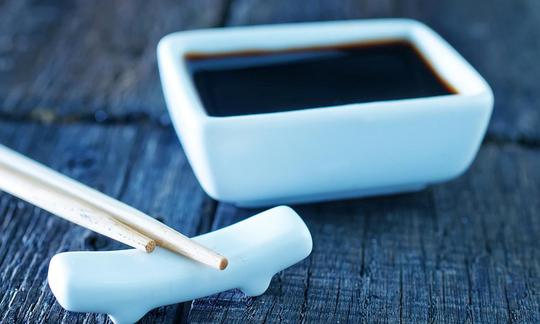
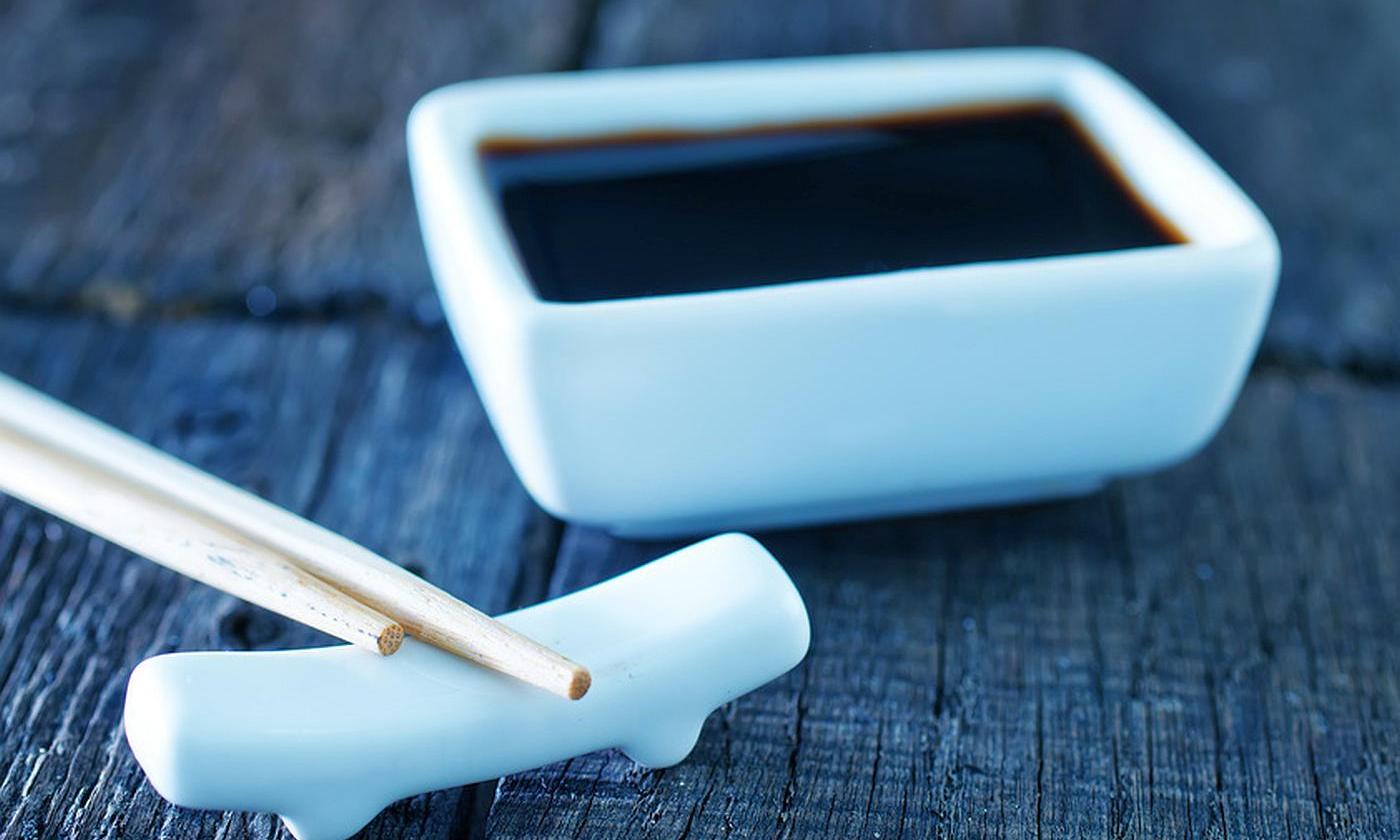
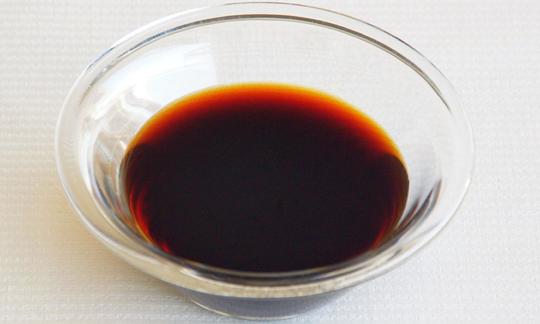
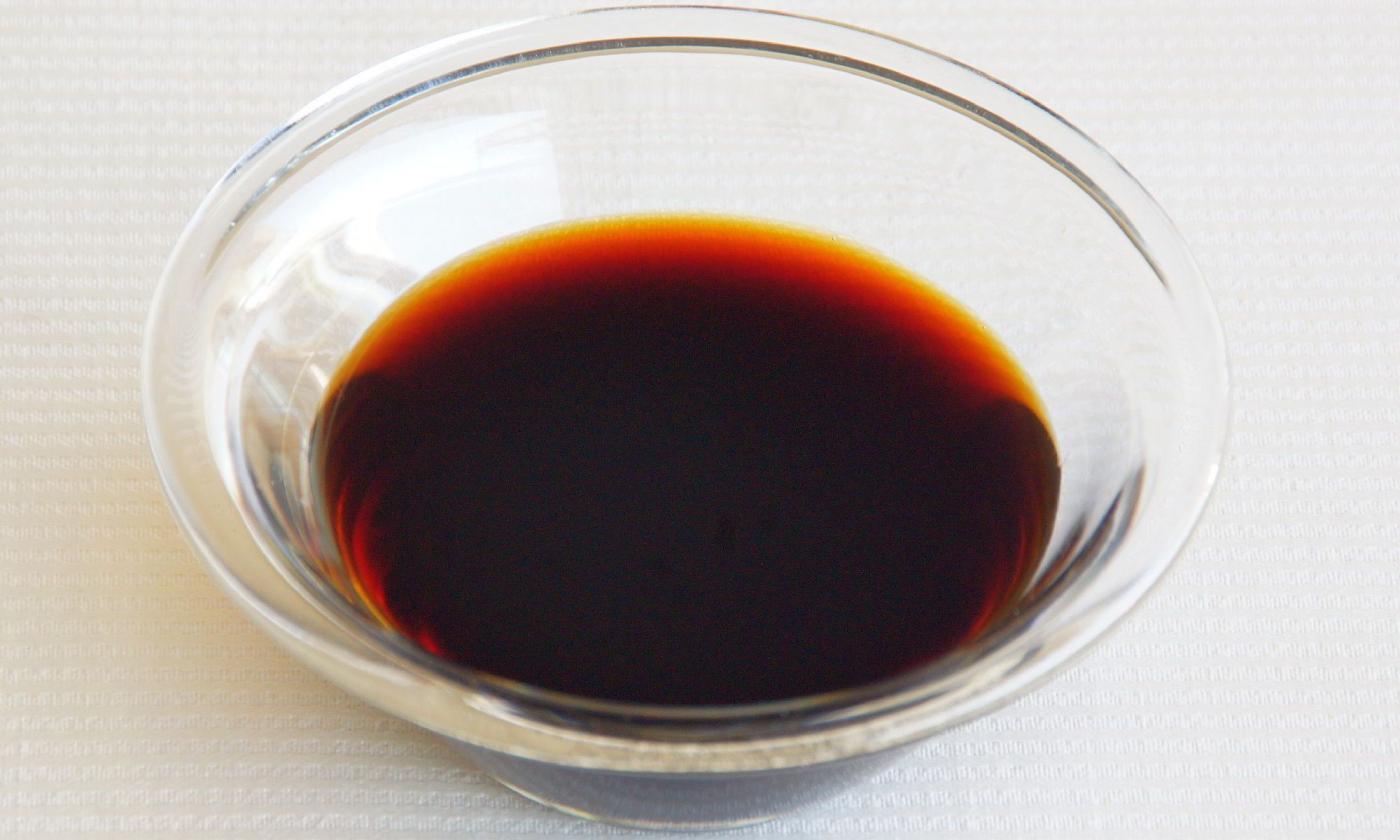
Salzreduzierte Sojasauce (Genen-Shoyu) weist je nach Hersteller einen um bis zu 50 % reduzierten Salzgehalt auf. Bio-Qualität ist zu bevorzugen, doch bleibt es hoch verarbeitet und ist nicht roh.
Verwendung in der Küche
'Shoyu' ist japanisch und bedeutet 'Sojasauce'. Shoyu ist demnach eine japanische Sojasauce, hergestellt aus Sojabohnen, Weizen, Wasser, Meersalz und Koji (Schimmelpilze der Gattung Aspergillus).1,2 Shoyu besitzt eine besondere Geschmacksnote: 'umami'. Neben süss, sauer, bitter und salzig ist umami die fünfte Geschmacksrichtung, die wir mit unseren Geschmacksknospen auf der Zunge wahrnehmen können. Den Umami-Geschmack beschreibt man als herzhaft und fleischig.3
In Japan setzt man in der Küche verschiedene Varianten von Shoyu ein, die sich in Farbe, Geschmack und Salzgehalt unterscheiden. Es gibt 'Koikuchi-Shoyu', 'Usukuchi-Shoyu', 'Tamari-Shoyu', 'Saishikomi-Shoyu' und 'Shiro-Shoyu'.4 Salzreduzierte Shoyu nennt man 'Genen-Shoyu'. Dieser Artikel legt den Fokus auf die salzreduzierte Sojasauce (Sojasosse). Mehr zu den anderen Shoyu-Varianten lesen Sie im Artikel "Sojasauce (Shoyu, roh?, bio?)".
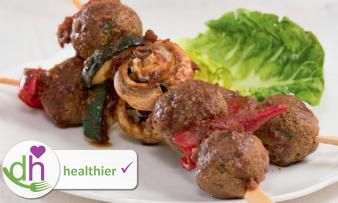
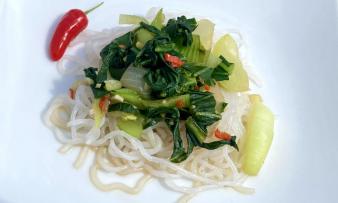
Für welche Gerichte findet Sojasauce Verwendung? Vor allem in asiatischen Gerichten (z.B. Wok-Gemüse, gebratene Nudeln, gebratener Reis, vegane Teriyaki-Spiesse, Shirataki-Nudeln mit Pak-Choy) darf Sojasauce für die würzige, herzhafte Note nicht fehlen. Für Sushi ist sie unverzichtbar. Als Marinade kann Sojasauce Tofu eine angenehme Würze verleihen. Auch in europäischen Rezepten bedient man sich der Sojasauce. So verfeinert man mit ihr z.B. Suppen, Saucen (z.B. vegane Bratensauce) oder Salat-Dressings.
Genen-Shoyu ist wesentlich salzärmer als herkömmliche Sojasauce und dadurch besonders zum Aromatisieren von Gerichten und Speisen geeignet, die schon einen bestimmten Salzgehalt aufweisen. Shoyu sollte man beim Kochen nur vorsichtig erhitzen und gegen Ende zugeben, um den Geschmack zu erhalten.
Ist Sojasauce roh? Sojasauce ist kein Rohkost-Produkt. Während des Herstellungsprozesses erhitzt man die Sojabohnen, da sie nur danach bekömmlich sind. Roh enthalten sie das für den Menschen toxische Glykoprotein Phasin. Aber es gibt unpasteurisierte Sojasaucen.
Womit kann man Sojasauce ersetzen? Wer gerade keine Sojasauce zur Hand hat, kann diese mit veganer Worcestershiresauce, Coco-Aminos-Würzsauce oder auch einfach Gemüsebrühe ersetzen.
Veganes Rezept für asiatische Gemüsepfanne mit Genen-Shoyu
Zutaten (für 2 Personen): 200 g Räuchertofu, 10 Zuckerschoten, 1 Karotte, ½ gelbe Gemüsepaprika, ½ rote Gemüsepaprika, ½ Broccoli, 1 Knoblauchzehe, 4-5 EL salzarme Sojasauce (Genen-Shoyu; am besten bio), 4 EL Wasser, ½ TL Zucker, 2 EL Rapsöl, 1 TL Sesam.
Zubereitung: Räuchertofu in dünne Streifen schneiden. Gemüse waschen, abtrocknen oder abtropfen lassen. Zuckerschoten halbieren. Karotte schälen und in Scheiben schneiden. Gemüsepaprika entkernen und in Stücke schneiden. Mundgerechte Broccoli-Röschen abtrennen. Knoblauchzehe schälen und fein hacken. Sojasauce, Wasser und Zucker in einer Schüssel verrühren. Rapsöl in einer Pfanne erhitzen und Tofu darin ca. 2 Min. anbraten. Knoblauch und Gemüse dazugeben und ebenfalls ca. 2 Min. anbraten. Mit dem Sojasauce-Wasser-Mix ablöschen. Vegane Gemüsepfanne mit Sesam bestreuen und z.B. mit Jasminreis servieren.
Vegane Rezepte mit Sojasauce (Genen-Shoyu) finden Sie unter dem Hinweis: "Rezepte, die am meisten von dieser Zutat haben".
| Nicht nur Veganer oder Vegetarier sollten das lesen: Veganer essen oft ungesund. Vermeidbare Ernährungsfehler. |
Einkauf - Lagerung
Ein paar Supermärkte, wie Coop, Migros, Spar, Rewe und Billa, bieten Genen-Shoyu ganzjährig an, mehrheitlich als salzreduzierte Sojasauce bezeichnet. In anderen Supermärkten (z.B. Denner, Volg, Aldi, Lidl, Edeka, Hofer) gibt es salzreduzierte Sojasauce nicht oder nur während Sonderwochen zu kaufen. Auch viele Bio-Supermärkte (z.B. Denn's Biomarkt, Alnatura) haben Gene-Shoyu nicht im Sortiment, dafür jedoch herkömmliches Shoyu in Bio-Qualität. Salzreduzierte Bio-Sojasauce findet man in Online-Shops. Gute Chancen auf Genen-Shoyu hat man auch in asiatischen Lebensmittelgeschäften.
Salzarme Sojasauce enthält in der Regel Zutaten wie Branntweinessig, Zucker und Alkohol, um die konservierende Wirkung von Salz zu ersetzen. Zudem sind Sojasaucen meist pasteurisiert (aber dennoch nicht roh).
Die Verfügbarkeit von Sojasauce salzarm (Genen-Shoyu) ist je nach Grösse des Ladens, Einzugsgebiet etc. unterschiedlich. Unsere erfassten Lebensmittelpreise für die D-A-CH-Länder finden Sie oben unter dem Zutatenbild - und mit Klick deren Entwicklung bei verschiedenen Anbietern.
Tipps zur Lagerung
Ungeöffnete Sojasaucenflaschen sollte man kühl, trocken und lichtgeschützt lagern. Nach dem Öffnen bewahrt man sie am besten im Kühlschrank auf und verbraucht sie innerhalb von wenigen Monaten.
Inhaltsstoffe - Nährwerte - Kalorien
Zusammensetzung und Menge der Inhaltsstoffe, inkl. sekundäre Pflanzenstoffe, variieren extrem je nach Sorte, Wachstumsbedingungen und Verarbeitungsmethoden etc.
Der Energiegehalt von Sojasauce (Genen-Shoyu) beträgt 94 kcal/100g. Kohlenhydrate sind zu 6,1 g/100g (davon 3,4 g Zucker) und Proteine zu 8,6 g/100g enthalten. Die salzreduzierte Sojasauce, deren Nährwert wir hier als Beispiel nehmen, hat einen Salzgehalt von ca. 8 g/100g (334,4 % des Tagesbedarfs). Im Vergleich: Normale Sojasauce (Shoyu) weist ca. 14 g Salz pro 100g auf (581,3 % des Tagesbedarfs).5
Zu den Gehalten von Mineralstoffen und Spurenelementen können wir aufgrund mangelnder Informationen keine Angaben machen. Wahrscheinlich sind diese jedoch ähnlich wie diejenigen der Sojasauce (Shoyu).
Die gesamten Inhaltsstoffe von Sojasauce (Genen-Shoyu), die Abdeckung des Tagesbedarfs und Vergleichswerte mit anderen Zutaten finden Sie in unseren Nährstofftabellen. Im Artikel Nährstoffe umfassend erklärt bekommen Sie einen detaillierten Einblick in das Thema.
Wirkungen auf die Gesundheit
Ist Sojasauce gesund? Die mikrobielle Fermentation von Sojabohnen kann den Gehalt von Vitamin K, das die Knochengesundheit fördert, erhöhen und die Bioverfügbarkeit von Eisen und Kupfer durch den Abbau von Phytaten verbessern.9 Zudem steigt die Verdaulichkeit von Sojaproteinen durch den Abbau von Glycinin und β-Conglycinin zu Peptiden und freien Aminosäuren. Fermentierte Sojasaucen enthalten dadurch zahlreiche Aminosäuren, darunter vor allem Prolin, Leucin und Asparaginsäure. Antioxidative Peptide enthalten häufig Aminosäuren wie Tryptophan, Histidin und Tyrosin, deren Seitenketten zur Radikalfänger-Aktivität beitragen.8,9
Die Effizienz des Proteinabbaus bei der Sojafermentation hängt stark von den eingesetzten Mikroorganismen ab. Unterschiedliche Stämme von Bacillus subtilis führen zu unterschiedlich starkem Proteinabbau und variierenden Mengen freier Aminosäuren. Kombinierte Fermentationen, etwa mit Rhizopus oligosporus und B. subtilis, verstärken den Proteinabbau zusätzlich und erhöhen insbesondere die Aminosäuren Glutamat und Asparaginsäure.9,26 Zusätzlich entstehen Melanoidine (stickstoffhaltige organische Verbindungen), die wesentlich zur braunen Farbe der Sojasauce beitragen. Sie zeigen antioxidative Eigenschaften, die vor allem auf Metallbindung (insbesondere Eisen) sowie Radikalfängeraktivität zurückgehen. Dunkle Sojasauce enthält besonders hohe Mengen an Melanoidinen. Gemeinsam mit den bioaktiven Peptiden wirken sie potenziell blutdrucksenkend, antimikrobiell, antidiabetisch, probiotisch und antikarzinogen. Weitere Forschung ist jedoch notwendig, um diese Substanzen und ihre Wirkmechanismen zu klären.6,8,9
Welche Sojasauce ist gesund? Die gesundheitsfördernden Eigenschaften von Sojasauce hängen stark von den Fermentationsbedingungen ab. Mikroorganismen, Salzgehalt, Temperatur und Fermentationsdauer beeinflussen, welche bioaktiven Stoffe entstehen und in welcher Menge. Sojasauce mit höherem Sojabohnenanteil und kurzer Fermentation zeigte eine stärkere Hemmung des Angiotensin-Converting-Enzyms (ACE) als herkömmliche Sojasauce. Das Enzym ACE bildet den gefässverengenden Botenstoff Angiotensin II, der an der Regulation des Blutdrucks beteiligt ist. Eine Hemmung von ACE kann daher helfen, erhöhten Blutdruck zu senken und das Risiko für Herz-Kreislauf-Erkrankungen zu senken.8,9
Ein hoher Natriumkonsum ist mit zahlreichen Gesundheitsrisiken verbunden, darunter Bluthochdruck, Herz-Kreislauf-Erkrankungen, Nierenschäden, Schlaganfall sowie möglicherweise auch Magenkrebs, Osteoporose und Adipositas.12,14 Der Natriumgehalt von Sojasauce liegt relativ hoch und trägt erheblich zur täglichen Aufnahme bei. Die WHO (Weltgesundheitsorganisation) empfiehlt für gesunde Erwachsene max. 5 g Salz pro Tag (oder 2 g Natrium). Dies entspricht einem gestrichenen Teelöffel Salz.11,13 Über die gesundheitsschädlichen Auswirkungen eines zu hohen Salzkonsums und Möglichkeiten, die eigene Salzaufnahme zu reduzieren, lesen Sie in den Artikeln zu Salz und Meersalz.
Salzreduzierte Sojasauce nutzt Kaliumchlorid oder biotechnologische Verfahren mit ausgewählten Mikroorganismen, was Geschmack und Aroma verändern kann.23 Süsse Sojasauce hingegen enthält bis zu 50 % Palmzucker. Übermässiger Zuckerkonsum kann sich gesundheitlich ebenso nachteilig auswirken.
Sekundäre Pflanzenstoffe
Viele gesundheitliche Wirkungen von Sojasauce kann man auf die enthaltenen sekundären Pflanzenstoffe (zum einen aus der Sojabohne und zum anderen, durch die Fermentation mit Koji) zurückführen. Unser Artikel über sekundäre Pflanzenstoffe bietet einen Überblick über die Klassifizierung der Stoffgruppen, das Vorkommen in Lebensmitteln und mögliche Wirkungen auf den Menschen.
Sojasauce enthält u.a. folgende sekundäre Pflanzenstoffe:9,7,22
- Isoprenoide: Sesquiterpene (Guaicol)
- Alkaloide: Indol-Alkaloide (Beta-Carboline)
- Polyphenole: Phenolsäuren: Hydroxybenzoesäuren (Vanillinsäure, Syringinsäure), Hydroxyzimtsäuren (Ferulasäure, Sinapinsäure); Flavonoide: Isoflavone (Genistein, Daidzein, Daidzin, Glycitein); Phenole (Catechol)
- Organische schwefelhaltige Verbindungen: Thiole, Sulfide
- Weitere stickstoffhaltige Verbindungen: Biogene Amine
- Weitere organische Verbindungen: Hydroxycarbonsäuren (Milchsäure, Apfelsäure, Zitronensäure); Carbonsäuren (Essigsäure); Furane; Alkohole (Guajacol); Ester; Aldehyde; Pyrazine
Sojasauce enthält eine grosse Vielfalt an flüchtigen Stoffen. Je nach Herstellungsprozess und Region entstehen deutlich unterschiedliche Aromaprofile. Japanische Sojasaucen enthalten häufiger fruchtige, blumige und rauchige Noten, während chinesische Varianten eher malzige, kartoffelartige oder würzige Aromen aufweisen. Auch das Produktionsverfahren prägt den Geschmack stark. Traditionell fermentierte Sojasaucen enthalten mehr Alkohole und Ester und wirken oft komplexer, süsser und aromatischer. Säurehydrolysierte Sojasaucen enthalten dagegen mehr Pyrazine, Furane und Säuren, was zu stärker gerösteten, schärferen oder künstlicher wirkenden Aromen führt.22
Sojasauce zeigt u.a. antioxidative, den Harnsäurespiegel senkende, antimikrobielle, antikarzinogene, katarakthemmende (gegen Linsentrübung) sowie antithrombotische Wirkungen. Diese Effekte gehen auf die Isoflavone, Furanverbindungen, Phenolsäuren, organischen Säuren und β-Carboline zurück.9
Die Zugabe von Zitrusschalen während der Koji-Herstellung verbesserte die funktionellen Eigenschaften der Sojasauce deutlich. Sie erhöhte gezielt die Aktivität der β-Glucosidase, eines Enzyms, das gebundene Isoflavone in besser verfügbare Aglykone umwandelt. Dadurch stiegen die Gehalte an phenolischen Verbindungen und organischen Säuren und führten zu einer stärkeren antioxidativen Aktivität der Sojasauce.7
Gefahren - Unverträglichkeiten - Nebenwirkungen
Soja und Weizen gehören zwar zu den wichtigsten allergenen Lebensmitteln, doch wirkt Sojasauce, die beides enthält, hypoallergen. Während der Fermentation bauen mikrobielle proteolytische Enzyme die Sojabohnen- und Weizenallergene vollständig ab.6 Es ist jedoch bekannt, dass einige Menschen nach dem Genuss von Shoyu unter Hautreizungen, Dermatitis oder Cellulitis leiden. Auslöser dieser Reaktionen könnten enthaltenes Histamin oder andere Stoffe, die bei der Fermentation entstehen, sein.10
Salzreduzierten Sojasaucen fügt man zudem teilweise Zucker oder andere Zusatzstoffe zu - achten Sie beim Kauf von Sojasauce auf die Zutatenliste, um solche Inhaltsstoffe zu umgehen. Mehr zu den Auswirkungen von Zucker auf den Körper finden Sie in den Artikeln zu Zucker und Puderzucker.
Bei der Herstellung von Sojasauce durch chemische Hydrolyse (ohne Fermentation) kann es zur Bildung von Karzinogenen kommen. Vor allem das Nebenprodukt Ethylcarbamat (EC) bereitet den Herstellern Sorge.23 Denn, obwohl EC als mässig toxisch gilt, hat es die IARC (International Agency for Research on Cancer) als "wahrscheinlich krebserregend für den Menschen" eingestuft.18
Ökologischer Fussabdruck - Tierwohl
Zur Einschätzung der Klimafreundlichkeit eines Lebensmittels dient in erster Linie der CO2-Fussabdruck. Dieser hängt von unterschiedlichen Aspekten ab, wie Anbauweise (konventionell/biologisch), Saisonalität, Herkunftsland, Verarbeitung, Transport und gegebenenfalls Verpackung. Laut The Big Climate Database beträgt der CO2-Fussabdruck von Sojasauce 1,64 kg CO2eq/kg, laut Carboncloud 1,23 kg CO2eq/kg (Sojasauce in Glasflaschen aus Grossbritannien).15,16 Im Vergleich: Rindfleisch, das ebenfalls den Geschmack 'umami' erzeugen kann, verursacht durchschnittlich 13,6 kg CO2eq/kg.17 Andere Gewürzsaucen, wie Chilisauce oder Barbecuesauce, haben einen CO2-Fussabdruck von 1,94 CO2eq/kg, resp. 2,09 kg CO2eq/kg.15
Der Wasser-Fussabdruck beträgt ca. 600-1986 l Wasser pro 1 kg produzierter Sojasauce. Beim tieferen Wert handelt es sich um einen Durchschnittswert von drei Sojasaucen-Produkten (inkl. Weizen). Der höhere Wert liegt einer Berechnung zugrunde, die den Sojabohnenanbau und die Verarbeitung dieser zu Sojasauce in Indonesien (Grobogan) umfasst (ohne den Einbezug von Weizen).19,20
In der konventionellen Landwirtschaft kommen zur Bekämpfung von unerwünschten Pflanzen und Insekten oftmals synthetische Pestizide zum Einsatz. Diese wirken sich nachweislich negativ auf die Umwelt aus und beeinträchtigen u.a. wichtige Bestäuber, Vögel und Säugetiere. Entsprechend sollte man beim Einkauf von Sojasauce auf Bio-Ware zurückgreifen, um die Biodiversität und die eigene Gesundheit zu schützen. Beim biologischen Anbau ist der Einsatz derartiger Pflanzenschutzmittel verboten. Mehr zum Pestizideinsatz und Biodiversitätsverlust können Sie in den Artikeln zu Weizen und Sojabohnen nachlesen.
Ausführliche Erläuterungen zu verschiedenen Nachhaltigkeitsindikatoren (wie z.B. ökologischer Fussabdruck, CO2-Fussabdruck, Wasser-Fussabdruck) lesen Sie in unserem Artikel: Was bedeutet der ökologische Fussabdruck?.
Weltweites Vorkommen - Anbau
Sojasauce, das traditionelle ostasiatische Würzmittel, hat ihren Ursprung in China (vor ca. 2500 Jahren). Aufgrund ihrers Salzgehalts diente sie zum Konservieren von Lebensmitteln. Zudem verbesserte sie den Geschmack der bescheidenen, vegetarischen, buddhistischen Gerichte. Salz war zu dieser Zeit ein teures Gut. Heute verwendet man Sojasauce viel mehr als Würzmittel, statt als Konservierungsmittel. Die würzige Sauce ist aufgrund ihres einzigartigen Umami-Geschmacks inzwischen weltweit beliebt.21,22
Shoyu ist eine nach japanischer Tradition hergestellte Sojasauce. Der Legende nach stellte ein buddhistischer Mönch, namens Kakushin, in Yuasa (Wakayama, Japan) im Jahr 1254 erstmals Shoyu her.1
Industrielle Herstellung
Die Grundzutaten für die Shoyu-Herstellung sind Sojabohnen, Weizen, Koji, Quellwasser und Meersalz.2
Die angefeuchteten Sojabohnen kocht man unter hohem Druck und bei hoher Temperatur, während man den Weizen röstet und mahlt. Sojabohnen und Weizen mischt man anschliessend in einem Verhältnis von 1:1 für japanische Sojasaucen (4:1 für chinesische Varianten) und fügt Koji-Schimmelpilze (v.a. Aspergillus oryzae und Aspergillus sojae) hinzu, sogenannte Fermentationsstarter. Während der nächsten 40 Stunden vermehren sich die Koji in der Mischung. Anschliessend kommen Salz (Natriumchlorid) und Wasser dazu. Die entstandene Maische nennt man Moromi. Sie enthält nebst Koji-Schimmelpilzen auch halotolerante Milchsäurebakterien und Hefen. Die zugesetzte Salzlake hemmt das Wachstum von schädlichen Schimmelpilzen und begünstigt das Wachstum der Bakterien. Der niedrige pH-Wert, der auf die Milchsäureproduktion durch Milchsäurebakterien zurückzuführen ist, bietet eine perfekte Nische für acidophile Hefen. Moromi-Hefen verbessern die Qualität von Sojasauce, indem sie Alkohol und flüchtige Geschmacksstoffe produzieren. Moromi (Maische) lässt man traditionell in Holztanks während 1 bis 2 Jahren, industriell in grossen Emaille- oder Edelstahltanks bei Raumtemperatur 6 bis 8 Monate lang fermentieren.1,2,21,23
Nach der Fermentation und Reifung presst man Moromi, um die Flüssigkeit von der Maische zu trennen und so Sojasauce (Shoyu) zu erhalten. Zum Schluss filtert man die Sojasauce in den meisten Fällen.1,21
Neben der Fermentation kann man Sojasauce auch durch chemische Hydrolyse herstellen, indem man Salzsäure zugibt, um das Sojaprotein zu hydrolysieren. Die Produktionszeit verkürzt sich dabei von mehreren Monaten auf 1 bis 3 Tage. Obwohl diese Methode billiger und schneller ist, ist die Qualität der Sojasauce nicht zufriedenstellend. Es sind nicht genügend Aroma- und Geschmacksstoffe vorhanden, dafür aber einige unerwünschte Verbindungen, die in natürlich fermentierter Sojasauce fehlen, darunter Karzinogene (wie 3-Chlorpropan-1,2-diol und 1,3-Dichlorpropanol).23
Die Nachfrage nach salzarmer Sojasauce ist aufgrund von gesundheitlichen Bedenken im Zusammenhang mit einer hohen Natriumzufuhr, wie Bluthochdruck und Nierenfunktionsstörungen, gestiegen. Salz ist aber ein entscheidendes Element bei der Fermentierung von Sojasauce, da es die mikrobielle Zusammensetzung während der Fermentation und organoleptische Eigenschaften (wie Aroma und Textur) reguliert. Eine Verringerung des Salzgehalts führt zu mikrobiologischen Sicherheitsbedenken und könnte die Qualität des Endprodukts beeinträchtigen.23,24
Die Verringerung der Salzmenge während der Fermentation bräuchte einige Anpassungen. Einige Studien konnten feststellen, dass dieser Ansatz die Produktion von Sojasauce durch Beschleunigung der Fermentation begünstigt. Ein hoher Salzgehalt in Moromi kann die mikrobielle Stoffwechselaktivität verlangsamen, daher ist ein Zeitraum von ca. 6 Monaten erforderlich, um die Fermentation abzuschliessen. Um den Gärungsprozess zu beschleunigen und gleichzeitig die Qualität zu erhalten, kann man eine niedrige Salzkonzentration mit einigen physikalischen Behandlungen kombinieren. Eine Studie von 1993 hat den Prozess der Sojasaucen-Herstellung erfolgreich verkürzt, indem die Forschenden den Salzgehalt in Moromi auf 4,6 % senkten und die Koji-Schimmelpilze vor der Fermentation bei hoher Temperatur autolysierten. Durch diese Behandlung konnte man eine Sojasauce mit einer chemischen Zusammensetzung und einem Geschmack ähnlich der traditionellen Sojasauce gewinnen. Eine neuere Studie von 2016 hat gezeigt, dass man die Fermentationszeit von Moromi mit reduziertem Salzgehalt (NaCl 10 %) durch die Durchführung des Fermentationsprozesses bei hoher Temperatur (40,7 °C) deutlich auf 4,6 Tage reduzieren konnte.24
Um mikrobiologische Sicherheitsbedenken zu reduzieren, kann man Alkohol (Ethanol) als teilweisen Ersatz für das reduzierte Salz beifügen, um das Wachstum von pathogenen und verderblichen Mikroorganismen zu verhindern. Die Verwendung von Alkohol könnte jedoch auch das Wachstum von erwünschten Mikroorganismen einschränken. Eine Studie von 2019 schlussfolgert, dass die Verringerung des Salzgehalts in Sojasauce die Entwicklung robuster Starterkulturen erfordert, die stabil und aktiv gegenüber Umweltstörungen sind.24
Hingegen geben berühmte Sojasaucen-Hersteller an, dass sie ihre salzreduzierten Saucen auf genau dieselbe Weise wie herkömmliche Sojasaucen herstellen und erst nach Abschluss der Fermentation ca. 40 % des Salzes entfernen, um so Geschmacks- und Qualitätsmerkmale zu erhalten. Genaue Details zu diesem Vorgang haben wir nicht gefunden.
Weiterführende Informationen
Über folgende Sojasaucen finden Sie ebenfalls ausführliche Artikel: Shoyu, Tamari und süsse Sojasauce.
Alternative Namen
Im Englischen bezeichnet man Sojasauce als soy sauce oder soya sauce. Salzreduzierte Sojasauce findet man im englischen Raum unter den Bezeichnungen low sodium soy sauce, less sodium soy sauce oder salt reduced soy sauce.
Im Chinesischen nennt man Sojasauce jiangyou, im Japanischen shoyu.22
Literaturverzeichnis - 24 Quellen (Link zur Evidenz)
| 1. | * Soy sauce or shoyu, in Japanese, is a liquid seasoning that is currently used in cooking worldwide. The varieties of soy sauce that are produced depend on the various types and ratios of raw materials used, the microorganisms employed and the conditions of fermentation [21, 79]. Many other sauces that are produced in China and Southeast Asia are made from Wsh or grain, and they resemble shoyu visually. However, these sauces are not categorized as soy sauce. Shoyu was Wrst made, according to legend, by a Buddhist bishop, Kakushin, at Yuasa, Wakayama, Japan, in 1254. Traditional soy sauce is produced in wooden tanks by static fermentation for 1 to 2years. However, nowadays, most soy sauce is produced in computer-controlled systems, from the cooking of raw materials to bottling. Moistened soybeans are cooked at high pressure and high temperature, while wheat is roasted and ground. Then almost the same amounts, by weight, of soybeans and wheat are mixed with a small amount of seed koji mold, A. oryzae or Aspergillus sojae [31]. The mash, which contains koji, NaCl [15–17% (w/v)] and water, is called moromi, and is fermented in large enamel or stainless tanks for 6–8months at room temperature or higher. The moromi also contains halotolerant lactobacilli, for example, Pedicoccus soyae nov. sp. [60] or Tetragenococcus halophilus, and halotolerant yeasts, such as Zygosaccharomyces rouxii and Candida famata [61]. Other microorganisms, such as Aureobasidium pullulans [62] and Metschnikowia koreensis [63], which contribute to the production of polyols from starch, have also been isolated from the mash. Finally, the aged moromi is pressed and the liquid exudate is pasteurized to yield soy sauce. Soy sauce promotes the secretion of gastric juice in humans [32]. It contains certain bioactive components in addition to its taste components, such as amino acids and polyols [56–58] and aromatic compounds, and various biological activities of soy sauce have been reported. Such activities include anticarcinogenic activities, as indicated by inhibition of benzopyrene-induced forestomach neoplasia [6, 15, 20] and antimicrobial activity against Shigella Xexneri, Salmonella typhi, S. paratyphi, S. enteritidis, Vibrio cholera [2], and Escherichia coli O157:H7 [37]. Soy sauce also has antioxidant activity [3, 34]. It contains 4hydroxy-2(or 5)-ethyl-5(or 2)-methyl–3(2H)-furanone [45] and related compounds as Xavor components [20], and these compounds have potent antioxidant and anticarcinogenic activity. Soy sauce also exhibits anti-platelet aggregation activity, which may be due to -carbolines [72]. Soy sauce decreases blood pressure [17], and inhibition by soy sauce of an angiotensin I-converting enzyme has been demonstrated [26]. IsoXavone derivatives from soy sauce can inhibit the activity of histidine decarboxylases, which produce histamine, a mediator of inXammation, allergy and the secretion of gastric acid [27, 28]. Such active compounds are formed during digestion of soybeans and wheat and by the enzymatic reactions that occur during fermentation. During fermentation and subsequent aging of soy sauce, the proteins in soybeans and wheat are completely digested to short peptides and amino acids by microbial proteolytic enzymes, and none of the allergens present in the raw materials are present in soy sauce [52, 73]. About 1% (w/v) of the polysaccharides originating from the cell walls of soybeans are present in soy sauce and these polysaccharides have potent antiallergic activities both in vitro and in vivo [30]. The oral administration of polysaccharides from soy sauce was shown to be eVective as a treatment for patients with allergic rhinitis. Thus, soy sauce is not only a traditional seasoning but also a functional seasoning. The daily consumption of soy sauce in Japan has been estimated to be close to 30ml per person Narratives Review DOI: 10.1007/s10295-008-0362-5 Study: weak evidence | Murooka Y, Yamshita M. Traditional healthful fermented products of Japan. J Ind Microbiol Biotechnol. August 2008;35(8):791–798. |
| 2. | ● According to connoisseurs, the shoyu bouquet has more than two hundred constituent, which result from the lenghty fermentation process. For the sauce to acquire this complexity takes 12 to 24 months by traditional production methos. The basic ingredients used are soybeans, wheat, spring water, koji, and seas salt. The wheat is first roasted and cracked. The soybeans are soaked in water and steamed. Both are then mixed together, an the whole is inoculated ith koji mold, a fermentation starter. Ober the next 40 hours, the koji multiply in the mixture. The sweet-smelling brew is then combined with salted spring water and left to feremnt in a wooden barrel for up to one year. While the high salt content prevents unwanted bacteria from growing in the barrel, proteins are broken down into amino acids, and starch into sugars, alcohol, and organic acids. These give shoyu its rich flavor and hundreds of aromatic compounds. Fermentation also increases the nutritional benefits uf shoyu. The bacteria synthezize enzymes and vitamins, including vitamnin B12 and create a more usable amino-acid balance. After fermentation and aging, the mixture is pressed to seperate the liquid, shoyu, from the mash. The shoyu is filtered and then heat--treated, to stop the fermentation, sterilize the shoyu, and add an extra flavor component-a sort of caramelized flavor. Today advanced refrigeration and transportation technologies in Japan allow the producers to distribute non-heat-treated shoyu, called kijoyu or namashoyu, which is still biologically active. Unpasteurized shoyu has a distinctive robust, natural flavor that some people prefer. Much of the shoyu made by large manufacturers is produced in a shortened, more automated way. Fermentation is done in termerture-sontrolled tanks, so production time can be reduced to only four to five months. This results in shoyu whith less flavor than traditionally made soy sauce. A japanese kithen uses three types of shoyu, which differ in color, flavor and degree of saltiness. the most widely available, both in Japan and overseas, is koikuchi shoyu. This type is also called simply shoyu, the name I use in this book. Koichuchi shoyu has a dark brown color, rich flavor and compley aroma. The salt content of koikuchi shoyu is 17 to 18%; that is , 1 tabespoonn contain over 1/2 teaspoon salt. Koikuchi shoyu is used with all types of ingridients- poultry, meat, fish, and vegetables- and in all types of preperations-sauces, soups, and braised and stir-fried dishes. Koichuchi shoyu gives food a dark brown and rich flavor. | Shimbo H. The japanese kitchen: 250 recipes in a traditional spirit. Beverly: Harvard Common Press; 2000: 536. |
| 3. | ● At the beginning of the twentieth century, the Japanese chemist Kikunae Ikeda identified the glutamate ion as inducing a novel taste quality that he proposed was a signal for protein, analogous to sweetnes being a signal fo energy or calories. He described this novel quality as "the peculiar taste we feel as umami (meaning, according to the translator, meaty, brothy, or savory)". He calle sthis taste umami. Subsequent studies further identified the ribonucleotides 5'-inosinate and 5'-guanylates as synergistic enhancers of this novel taste, altough for humans and some other species, they may not produce a taste on their own. Beginning in the late 1960s and 70s, additional researchers also proposed umami as a novel fifth basic taste. This idea gained momentum from a scientif meeting held in 1985 and the publication of the proceedings Umami: A Basic Taste. The evidence used to support the proposal that umami was the fifth basic taste at the time sonsisted primarly of human sensory studies and animal model studies of behavior and physiology. | Gabriel AS, Rains TM, Beauchamp G. Umami: taste for health. Cham: Springer Nature; 2023: 205. |
| 4. | ● There are five types of shoyu based on the different characteristics of color, viscosity, taste, and aroma. These are koikuchi shoyu, usukuchi shoyu, tamari shoyu, saishikomi shoyu, and shiro shoyu (Fukushima 1981, 1985, 1989; Yokotsuka 1981, 1986; Flegel 1988). The regular type for daily use in Japan is koikuchi shoyu. The different characteristics are yielded primarily due to the different raw material composition of soybeans and wheat, and the fermentation process used. Book: weak evidence | Lioe HN, Apriyantono A, Yasuda M. Soy Sauce: Typical Aspects of Japanese Shoyu and Indonesian Kecap. In: Hui YH, Özgül Evranuz E (Ed.) Handbook of plant-based fermented food and beverage technology. 2. ed. Boca Raton: CRC Press; 2012:93-102. |
| 5. | ● Nährstofftabellen? Website | USDA United States Department of Agriculture. |
| 6. | * Melanoidins, generated during the Maillard reaction in soy sauce fermentation, have potential health benefits due to its excellent bioactivity. This study aimed to investigate the antioxidant contributions and structural characteristics of melanoidins in soy sauce. Five molecular weight fractions (1–3 kDa, 3–10 kDa, 10–30 kDa, 30–50 kDa, and >50 kDa) were isolated and their composition was analyzed. Results showed that soy sauce melanoidins mainly comprised proteins, sugars, and phenolic compounds. Antioxidant activities of the melanoidins were influenced by their molecular weights and structures. The >50 kDa melanoidins fraction contributed the most to the overall antioxidant activities of soy sauce. The total contributions of melanoidins to the antioxidant activities of soy sauce ranged from 34.21% to 75.03%. Spectroscopic analyses indicated that the antioxidant activities were positively correlated with the presence of conjugated structures and active functional groups (i.e., C=C, C=O, N-H, O-H) in melanoidins. This study provides new insights into the health-promoting properties of soy sauce melanoidins and offers theoretical support for the development of soy sauce as a functional food. Experimentelle Studie in wissenschaftlichem Journal DOI: 10.3390/foods14162787 Study: weak evidence | Li H, Zhang Y, Zhang ZH, Wang F, Xu B, Zhang Z et al. The Contribution of Melanoidins to Soy Sauce Antioxidant Activities and Their Structure Characteristics. Foods. 2025;14(16):2787. |
| 7. | * Soy sauce is consumed not only because of its color and flavor but also because of its health benefits. Soy sauce exhibits antioxidant (Hsiao et al., 2013), antihyperuricemic (Li et al., 2017), antimicrobial, anticarcinogenic, anticataract, and antiplatelet activities (Kataoka, 2005). This product contains many antioxidant substances, including soy isoflavones, melanoidins, furan ketones, phenolic acids, organic acids, peptides, and β-carbolines (Li et al., 2017). Experimentelle Interventionsstudie in wissenschaftlichem Journal
DOI: 10.1016/j.lwt.2018.01.008 Study: weak evidence | Peng M, Liu J et al. Effect of citrus peel on phenolic compounds, organic acids and antioxidant activity of soy sauce. LWT. 2018;90:627–635. |
| 8. | * Although soybean is a rich source of plant protein, its nutritive values are concealed by the anti-nutritive properties. Fermentation not only reduces the toxins but it leads to the production of several beneficial compounds such as peptides. Peptides in fermented soybean products exhibit bioactive properties such as ACEinhibitory, antioxidant, antitumor, antidiabetic and antimicrobial property. The bioactive peptides produced during fermentation are produced either by starter culture or by hydrolysis of soybean proteins. Studies on the bioactive peptides in fermented soybean products responsible for such properties will result in their application in preparation of functional food and food supplements. Also, specific starter cultures are responsible for the production of specific peptides, and the same is applicable with the specific strains of culture. From the studies till date, it can be concluded that peptides are one of the promising health promoting components in fermented soybeans products. Future studies on other health benefits and characterization of bioactive peptides in fermented soybean can lead to its application as pharmaceuticals with specific health benefits and functional foods to fight against degenerative diseases to replace the synthetic drugs which have surplus side effects. Narrativer Review in wissenschaftlichem Journal DOI: 10.1016/j.tifs.2016.01.010 Study: weak evidence | Sanjukta S, Rai AK. Production of bioactive peptides during soybean fermentation and their potential health benefits. Trends in Food Science & Technology. April 2016;50:1–10. |
| 9. | * The antioxidative potency of soy sauce is often linked to polyphenols, melanoidins, free amino acids and low molecular weight peptides, which play roles in diminishing oxidative damage by clearing free radicals and reactive oxygen species. The phenolic molecules identified in soy sauce are classified as simple isoflavones, furanones, pyranones and phenolic acids. In particular, the presence of 4-ethylguaiacol, catechol, daidzein and 4-ethylphenol is responsible for the antioxidative activity of soy sauce. The products of the Maillard reaction produce the antioxidant characteristics in soy sauce. Among them, melanoidins were the major substances of brown color products in soy sauce and showed strong antioxidant activities (Wang et al., 2007). Amino acids and small peptides are the main fractions of total nitrogen in soy sauce, and both accounted for 45% of the total nitrogen. A total of 31 free amino acids were detected in the soy sauce sample. The predominant free amino acids in the fermented soy sauce were proline (8.4%), leucine (7.78%) and aspartic acid (7.13%), in descending order (Lin et al., 2016). Free amino acids had effective ABTS and DPPH radical-scavenging activities and metal-ion chelating capacities. Shoyu effectively inhibited ACE activity, thereby regulating the blood pressure in SHRs and in Dahl salt–sensitive rats (Nakahara et al., 2010). Several ACE inhibitory peptides, including Ala-Trp, Gly-Trp, Ala-Tyr, Ser-Tyr, Gly-Tyr, Ala-Phe, Val-Pro, Ala-Ile, and Val-Gly, were identified in shoyu, and nicotianamine, an ACE inhibitory compound, was also isolated from shoyu (Nakahara et al., 2010). Anti-inflammatory and immunomodulatory components The immune regulation and anti-inflammation of soy sauce polysaccharides (SPS) have been reported in multiple studies (Table 1). 4.5. Anticancer components: Soy sauce is also reported to have anticancer effects Narrativer Review in wissenschaftlichem Journal DOI: 10.1016/j.foodres.2022.111575 Study: weak evidence | Qiao Y, Zhang K et al. Fermented soybean foods: A review of their functional components, mechanism of action and factors influencing their health benefits. Food Res Int. 2022;158:111575. |
| 10. | * Soy sauce, commonly called shoyu, is made from soy bean, wheat and salt.9 Soy bean is the primary ingredient. Other ingredients and additives of soy sauce are salt, alcohol, amino acid, glucose and sugar. Shoyu is made by brewing soybean; there were some brewing process stages, koji, moromi and raw soy sauce.9 Soybean change koji at first stage, then koji change moromi. At last stage, moromi change raw soy sauce. Beneficial effects of soy sauce are hypolipidaemia,13 improvement of anaemia,14 promotive secretion of gastric juice,15 anti-allergic, inhibitory allergic reactions16 etc., whereas it is well-known that some people suffered irritation or dermatitis or cellulites after using shoyu in the past. It is possible that the process of brewing soy sauce is what generates the adverse effects: soy sauce allergy, histamine poisoning, soy allergy, wheat allergy, etc. Soy bean and wheat are major allergens of food allergy; major allergens of soybean are Gly mBD 30k8 and Gly mBD 28k17 which were measured using ELISA.8 Soy sauce and fermented foods are considered hypoallergenic foods and any allergens were not detected1 because these allergens degrade during fermentation.1,18 Shoyu-flavones are produced during fermentation and shoyu-flavones inhibit histidine decarboxylase, which results in the production of histamine.19 Histamine is made during the brewing process of soy sauce.12,20 We noted allergy of soy sauce and histamine poisoning and investigated the volume of histamine in some kinds of soy sauce. The results were interesting in that histamines were detected in the sauces made from soybeans and broad beans,but not in the sauces made from millet (awa), barnyard grass and fish. The colours of sauces that contained histamine were deep. We suspected that one cause of the patient symptoms was histamine poisoning and then we studied it with prick test using soy sauce with nine volunteers. If histamine poisoning causes cellulites or dermatitis around the lip, the results of prick test to all volunteers must be positive. In fact, volunteers had negative reactions by prick test after using soy sauce as positive reactions to soy sauce in four patients were not caused by histamine poisoning. These four patients did not develop any histamine poisonings after eating histamine-contained foods11,12 or histamine-releasing foods (additives, citrus fruit, strawberries, chocolate, tomatoes, peanut, etc.)12 or some ingredients and additives of soy sauce (salt, alcohol, amino acid, glucose and sugar). These four patients did not have any allergy of ingredients or additives in sauce from the results of prick test or after eating meal; they had allergy of some products in sauce during brewing. At this time, although patients were female, the relationship between gender and soy sauce allergy is not definite. It is speculated that soy sauce allergy is caused by substances raised during fermentation. It was difficult to detect what allergen, a generative product of soy sauce, causes their allergic reactions. As soy sauce is consumed globally, the number of patients having soy sauce allergy or histamine poisoning of soy sauce could increase. The manufactures and companies of soy sauce should educate or acquaint with people not only about the advantageous effects but also about histamine poisoning or allergic reactions. Fallserie DOI: 10.1111/j.1468-3083.2009.03512.x Study: weak evidence | Sugiura K, Sugiura M. Soy sauce allergy. J Eur Acad Dermatol Venereol. 2010;24(7):852–855. |
| 11. | ● "In spite of the key role of sodium chloride in the human body, the World Health Organization has recommended reduction of its consumption up to 5 g (or 2 g of Na) per day as the maximum level of intake (consumed as common salt), as its high consumption has been associated with raised blood pressure and adverse cardiovascular health consequences in the world population." DOI: 10.1016/B978-0-444-59562-1.00026-8 Book: moderate evidence | Galvis-Sánchez AC, Lopes JA et al. Chapter 26: Sea Salt. In: De la Guardia M, Gonzáles A (Ed.). Comprehensive Analytical Chemistry. 2013;60:719-740. |
| 12. | * "However over consumption of salt through the diet is related to increased risk of hypertension, cardiovascular diseases, and renal insufficiency. 1 , 3 , 6 , 10 The World Health Organization recommended level of less than 5 g of salt intake per day in adults. 11 Thus, considering the substantial role that salt taste plays in food acceptance/choice, 5 , 6 the food industry is looking for ways to reduce or replace salt in processed foods. 4 , 5 , 6 , 12 , 13 Along with the search for salt substitutes, 4 , 5 , 7 , 14 actual research focuses on approaches that rely on modification or manipulation of salt taste." Senosrische Interventionsstudie DOI: 10.1002/jsfa.11953 Study: moderate evidence | Rosa A, Pinna I et al. Flavoring of sea salt with Mediterranean aromatic plants affects salty taste perception. J Sci Food Agric. 2022;102(13):6005-6013. |
| 13. | ● "Almost all populations are consuming too much sodium. The global mean intake of adults is 4310 mg/day sodium (equivalent to 10.78 g/day salt) (1). This is more than double the World Health Organization recommendation for adults of less than 2000 mg/day sodium (equivalent to < 5 g/day salt)." "The primary health effect associated with diets high in sodium is raised blood pressure, increasing the risk of cardiovascular diseases, gastric cancer, obesity, osteoporosis, Meniere’s disease, and kidney disease. An estimated 1.89 million deaths each year are associated with consuming too much sodium (2)." eat mostly fresh, minimally processed foods choose low-sodium products (less than 120mg/100g sodium) cook with little or no added sodium/salt use herbs and spices to flavour food, rather than salt limit the use of commercial sauces, dressings and instant products limit the consumption of processed foods remove the saltshaker/container from the table." Website | WHO World Health Organization. Sodium reduction. 2023. |
| 14. | ● The human body, predestined to salt conservation by the evolution, could not adapt to increased salt intake. This discrepancy is reflected in the growing number of people affected by salt-sensitive hypertension and cardiovascular (CV) diseases, putting tremendous pressure on the healthcare system [5]. Conventionally volume expansion arising from salt consumption had been explained solely by the interplay between sodium homeostasis and the extracellular space. Having seen its beneficial effects, sodium restriction has become an auxiliary therapy in a number of diseases involving volume overload (e.g., hypertension, kidney diseases, CV diseases, liver cirrhosis). Since high salt intake has long been considered a key risk factor of hypertension, several associations, organizations have made recommendations regarding daily sodium intake. According to the proposals of the World Health Organization (WHO) and the American Heart Association for normal, healthy adults, daily sodium intake should not exceed the level of 2.0 g/day or 2.3 g/day, respectively [6, 7]. Since children have a lower need for sodium, their daily dietary sodium intake is different from that of adults. DOI: 10.1007/s00467-019-04387-4 Book: moderate evidence | Agócs R, Sugár D, Szabó AJ. Is too much salt harmful? Yes. Pediatr Nephrol. 2020;35(9):1777–1785. |
| 15. | ● Soya sauce - 1,64 Sauce, barbeque 2,09 Chili Sauce 1,94 Website | Concito. The Big Climate Database (Version 1.1): Soya sauce, Sauce barbeque, Chili Sauce. 2024. |
| 16. | ● Soy sauce, glass bottle - United Kingdom of Great Britain and Northern Ireland - Live footprint: 1.23 kg CO₂e/kg Website | Carboncloud. ClimateHub. Soy sauce, glass bottle. 2023. |
| 17. | ● Nr. 14 auf S. 13 Website | Reinhardt G, Gärtner S, Wagner T. Ökologische Fussabdrücke von Lebensmitteln und Gerichten in Deutschland. IFEU Institut für Energie - und Umweltforschung Heidelberg. 2020 |
| 18. | ● thylcarbamat ist zwar nur mässig akuttoxisch, in vitro wurde jedoch seine mutagene Wirkung belegt. 2007 stufte die IARC (International Agency for Research on Cancer) die Substanz als "wahrscheinlich krebserregend für den Menschen" ein. Website | LGL Bayern. Toxische Reduktionsprodukte Ethylcarbamat (EC). 2018. |
| 19. | * The average water footprint for 330 ml of soy sauce was 200 litter. The scope of the study only focuses on one-unit stock of a particular brand located in Kuala Kangsar, Perak in Malaysia. Ökologische Ressourcenanalyse DOI: 10.26480/jwbm.01.2020.01.04 | Sharaai AH, Ismail ND. The water footprint of soy sauce. J wast bio manag. 2020;2(1):01–04. |
| 20. | * The total water footprint of soy sauce production is 1.986,35 L/kg with fraction of green water (78,43%), blue water (21,4%) and gray water (0,17%). The raw material of soy sauce are soybean, brown sugar and salt. There are 3 main stage in the process of soy sauce production is boiling and drying soybean, fermentation process and mixing and cooking soy sauce. "The water footprint of soy sauce production consist 2 part, there are soybean crop stage and soy sauce process production." Ökologische Ressourcenanalyse DOI: 10.1051/e3sconf/20183108018 | Aulia Firda A, Purwanto. Water footprint assessment in the agro-industry: a case study of soy sauce production. E3S Web Conf. 2018;31:08018. |
| Wir haben Studien und Bücher zu Ernährung und Gesundheit nach folgenden 3 Evidenz-Kategorien markiert: grün=starke Beweiskraft, gelb=mittlere, violett=schwache. Die restlichen Quellen sind grau markiert. Eine ausführliche Erklärung finden Sie in unserem Beitrag: Wissenschaft oder Glaube? So prüfen Sie Publikationen. | ||

Kommentare