

Inhaltsverzeichnis
| Wir bieten wissenschaftlich fundierte Informationen zu Gesundheit, Ernährung und Nachhaltigkeit – unabhängig von Sponsoren, Lebensmittelindustrie oder Herstellern von Nahrungsergänzungsmitteln. Hier erfahren Sie mehr: unsere Mission. |
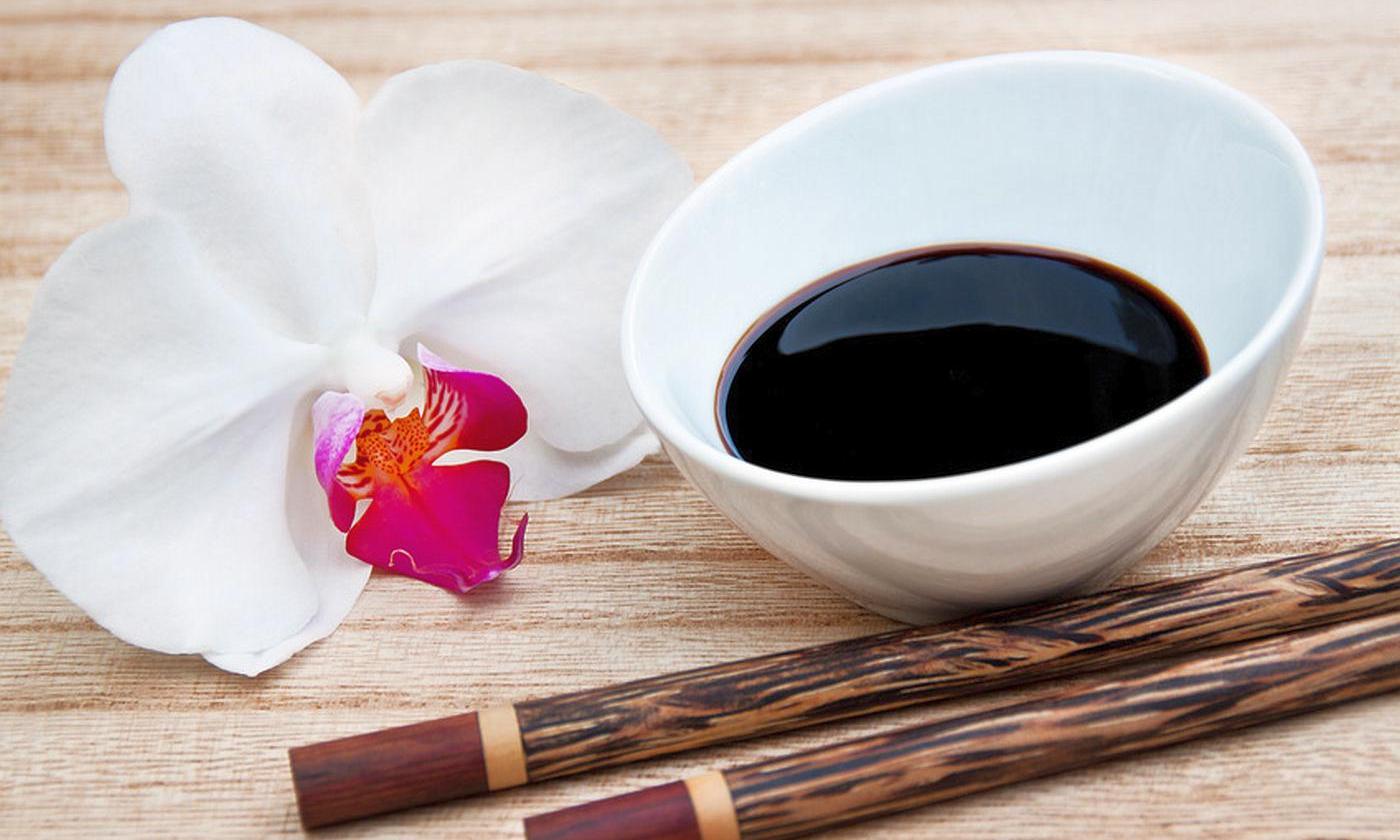
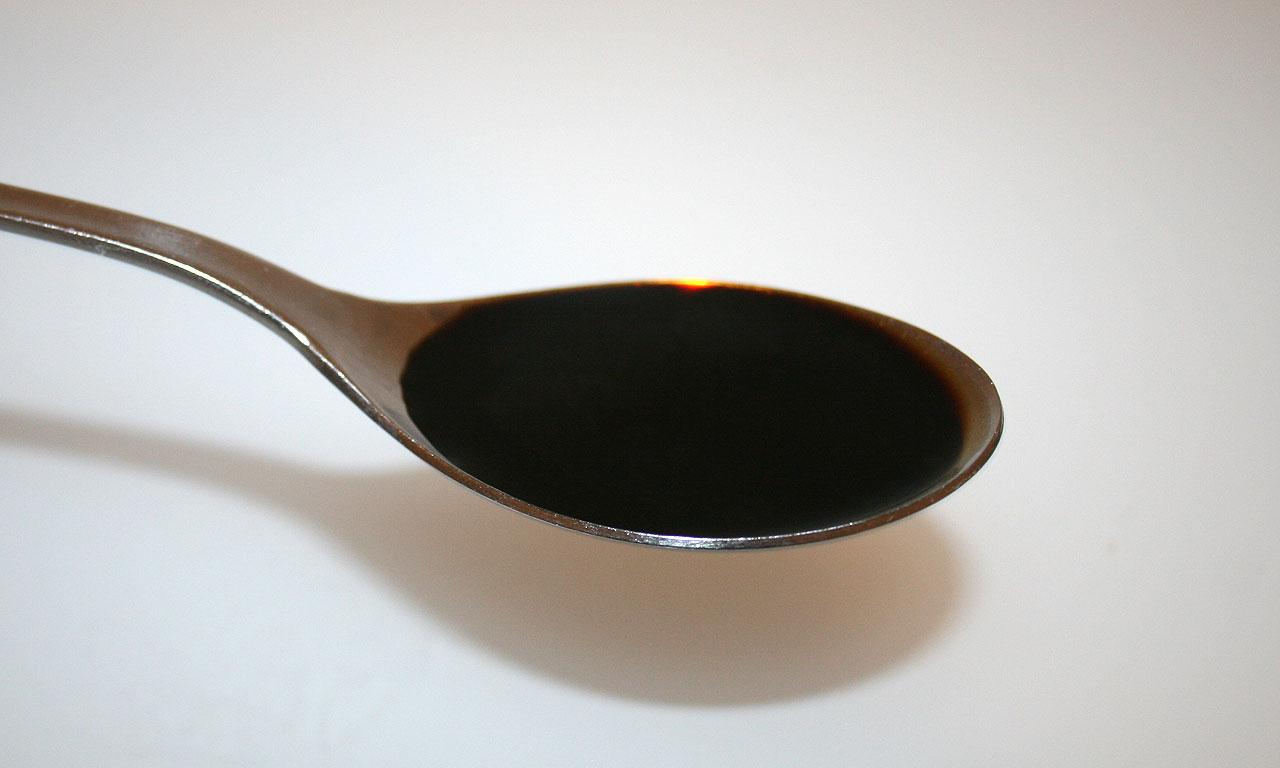
Süsse Sojasauce, auch Ketjap-Manis (Kecap-Manis) genannt, ist eine mit Palmzucker gesüsste, dunkle, dickflüssige Würzsauce aus Indonesien. Sie ist nicht roh, aber in Bio-Qualität erhältlich.
Verwendung in der Küche
Was ist Ketjap-Manis? Ketjap-Manis oder Kecap-Manis ist eine dickflüssige, dunkle, süsse Sojasauce aus Indonesien. Die Hauptzutaten für die Herstellung von Ketjap-Manis sind schwarze Sojabohnen, Schimmelpilze (oftmals der Gattung Aspergillus), Salz, Wasser, allenfalls Gewürze (wie z.B. Sternanis) und bis zu 50 % Palmzucker (Kokosblütenzucker). Im Gegensatz zur salzigen Sojasauce ist der Geschmack der süssen Sojasauce intensiv süss. Natürlich schmeckt sie auch salzig und bedient die berühmte Geschmacksrichtung 'umami'.1,2,3
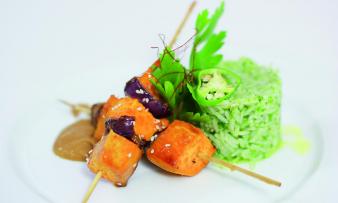
Die würzig-süsse Sauce ist Bestandteil vieler typisch indonesischer Gerichte, wie Nasi-Goreng, Mie-Goreng, Kwetiau-Goreng und Ketoprak. Sie dient zum Marinieren von Tofu, Tempeh oder verschiedenem Gemüse. Besonders beliebt ist das Grillgericht Satay, das auch vegan zubereitbar ist, wie z.B. im folgenden Rezept: Süsskartoffel-Saté mit pikanter Erdnusssauce. Ketjap-Manis schmeckt auch als vegane Dip-Sauce zu gegrilltem Tofu, Frühlingsrollen, Rohkost-Gemüsesticks oder ausgefallenen Sushi-Kreationen. Zudem findet süsse Sojasauce zum Aromatisieren, Verfeinern und Abschmecken von Suppen, Saucen, Salatdressings, Eintöpfen und Gemüsegerichten Verwendung und verleiht allerlei Speisen eine süssliche Umami-Note.
Ist süsse Sojasauce roh? Sojasauce, auch süsse Sojasauce, ist kein Rohkost-Produkt. Während des Herstellungsprozesses erhitzt man die Sojabohnen, da sie nur danach bekömmlich sind. Roh enthalten sie das für den Menschen toxische Glykoprotein Phasin. Darüber hinaus muss man die Sojasauce für die Herstellung von Ketjap-Manis mit Zucker einkochen.
Ist süsse Sojasauce glutenfrei? Im Gegensatz zu Shoyu (japanische Sojasauce) stellt man Ketjap-Manis traditionell ohne Weizen her, daher gilt diese als glutenfrei. Jedoch findet man vermehrt süsse Sojasaucen mit Weizen. Achten Sie auf die Zutatenliste und die angegebene Allergiker-Info.
Ist süsse Sojasauce vegan? Grundsätzlich ist süsse Sojasauce vegan. Einige Hersteller fügen Fischsauce oder -extrakt hinzu, was jedoch auf dem Produkt ersichtlich ist.
Veganes Rezept für Nasi-Goreng mit Ketjap-Manis
Zutaten (für 2 Personen): 200 g Basmatireis, 250 g Austernseitlinge, 1 Broccoli, 1 rote Zwiebel, 2 Knoblauchzehen, 1 roten Chili, 100 g Erbsen (tiefgekühlt), 2 EL Rapsöl, 3 EL süsse Sojasauce (Ketjap-Manis; bevorzugen Sie Bio-Qualität), 2 EL salzreduzierte Sojasauce (Genen-Shoyu), 2 Stiele Koriander.
Zubereitung: Basmatireis nach Packungsbeilage zubereiten. Austernseitlinge putzen und in feine Streifen schneiden. Broccoli-Röschen abtrennen und in mundgerechte Stücke zupfen oder schneiden. Rote Zwiebel und Knoblauchzehen schälen und klein würfeln. Chili abspülen und in Ringe schneiden. Rapsöl in einer grossen Bratpfanne oder in einem Wok erhitzen und Pilze darin kurz anbraten. Zwiebel, Knoblauch und Chili hinzufügen und mitbraten. Broccoli dazugeben und ein paar Min. braten. Tiefkühl-Erbsen beifügen und alles gut mischen. Mit Ketjap-Manis und Genen-Shoyu abschmecken. Gekochten Reis unterheben und scharf anbraten. Veganes Nasi-Goreng mit gewaschenen, trocken geschüttelten Korianderblättern garnieren und servieren.
Vegane Rezepte mit süsser Sojasauce finden Sie unter dem Hinweis: "Rezepte, die am meisten von dieser Zutat haben".
| Nicht nur Veganer oder Vegetarier sollten das lesen: Veganer essen oft ungesund. Vermeidbare Ernährungsfehler. |
Einkauf - Lagerung
Süsse Sojasauce ist in gut sortierten Filialen grösserer Supermarktketten, wie z.B. Coop, Spar, Rewe und Billa, ganzjährig erhältlich. Dabei ist oftmals unklar, ob es sich um Ketjap-Manis (mit Palmzucker eingekochte Sojasauce) oder um eine mit Rohrzucker oder anderen Süssungsmitteln (z.B. Reissirup) gesüsste Sojasauce handelt. Andere Supermärkte (z.B. Migros, Denner, Volg, Aldi, Lidl, Edeka, Hofer) und Bio-Supermärkte (z.B. Denn's Biomarkt, Alnatura) haben süsse Sojasauce nicht oder nur gelegentlich im Sortiment. Mit hoher Wahrscheinlichkeit findet man sie in asiatischen Lebensmittelgeschäften. Ansonsten gibt es Ketjap-Manis in einigen Online-Shops zu kaufen - auch in Bio-Qualität.
Als Ersatz für eine süsse Sojasauce, dient eine normale Sojasauce, die man mit braunem Zucker und ein bisschen Melasse süsst. Jedoch erhält die selber gemachte süsse Sojasauce keine identische sirupartige Konsistenz.
Die Verfügbarkeit von süsser Sojasauce ist je nach Grösse des Ladens, Einzugsgebiet etc. unterschiedlich. Unsere erfassten Lebensmittelpreise für die D-A-CH-Länder finden Sie oben unter dem Zutatenbild - und mit Klick deren Entwicklung bei verschiedenen Anbietern.
Tipps zur Lagerung
Ungeöffnet sollte man Sojasaucen kühl, trocken und lichtgeschützt aufbewahren. Nach dem Öffnen lagert man die Flaschen am besten im Kühlschrank und braucht sie innerhalb von wenigen Monaten auf.
Inhaltsstoffe - Nährwerte - Kalorien
Zusammensetzung und Menge der Inhaltsstoffe, inkl. sekundäre Pflanzenstoffe, variieren extrem je nach Sorte, Wachstumsbedingungen und Verarbeitungsmethoden etc.
Der Energiegehalt von süsser Sojasauce (Ketjap-Manis) beträgt 197 kcal/100g. Proteine sind zu 2,8 g/100g enthalten. Nebst dem hohen Zuckergehalt von 42 g/100g weist süsse Sojasauce auch sehr viel Salz auf. Der Salzgehalt dieser Beispielsauce beträgt 10,8 g/100g (448,7 % des Tagesbedarfs). Im Vergleich: Eine sogenannte "salzige" Sojasauce (Shoyu) enthält ca. 14 g Salz pro 100g.4,5
Ketjap-Manis ist mit 75 µg/100g zudem reich an Iod (50 % des Tagesbedarfs). Ähnliche Mengen findet man in Meersalz (100 µg/100g) und getrockneten Shiitake-Pilzen (53 µg/100g). Einen noch höheren Iod-Gehalt weisen Algen auf, wie z.B. getrocknete Kombu-Algen (295'400 µg/100g).4,5 Achten Sie darauf, nur kleine Mengen stark iodhaltiger Lebensmittel zu konsumieren - lesen Sie mehr zu den gesundheitsschädlichen Wirkungen von Iod in den Algen-Artikeln, z.B. bei Laminaria-Algen.
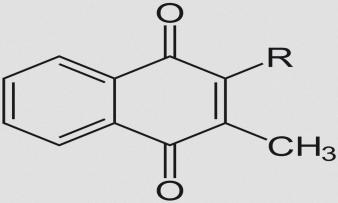
100 g süsse Sojasauce hat 14 µg Vitamin K (19 % des Tagesbedarfs). Der Gehalt ist vergleichbar mit demjenigen von veganem Gemüsefond (14 µg/100g) und Granatapfelsirup (14 µg/100g). Spinat ist mit 483 µg/100g besonders reich an Vitamin K.4,5
Der Gehalt von 323 mg Kalium pro 100 g Ketjap-Manis deckt 16 % des Tagesbedarfs. Kokossahne (325 mg/100g) und Malzsirup (320 mg/100g) haben ähnliche Kaliumgehalte. Getrocknete Kräuter enthalten ein Vielfaches an Kalium, wie z.B. getrocknete Korianderblätter mit 4466 mg/100g (= 44,66 mg/1g).4,5 Man muss jedoch beachten, dass man von Gewürzen und getrockneten Kräutern meist nur kleine Mengen verwendet.
Die gesamten Inhaltsstoffe von süsser Sojasauce, die Abdeckung des Tagesbedarfs und Vergleichswerte mit anderen Zutaten finden Sie in unseren Nährstofftabellen. Im Artikel Nährstoffe umfassend erklärt bekommen Sie einen detaillierten Einblick in das Thema.
Wirkungen auf die Gesundheit
Wie gesund ist Sojasauce? Die mikrobielle Fermentation von Sojabohnen kann den Gehalt von Vitamin K, das die Knochengesundheit fördert, erhöhen und die Bioverfügbarkeit von Eisen und Kupfer durch den Abbau von Phytaten verbessern.5 Zudem steigt die Verdaulichkeit von Sojaproteinen durch den Abbau von Glycinin und β-Conglycinin zu Peptiden und freien Aminosäuren. Fermentierte Sojasaucen enthalten dadurch zahlreiche Aminosäuren, darunter vor allem Prolin, Leucin und Asparaginsäure. Antioxidative Peptide weisen häufig Aminosäuren wie Tryptophan, Histidin und Tyrosin auf, deren Seitenketten zur Radikalfänger-Aktivität beitragen.8,18
Die Effizienz des Proteinabbaus bei der Sojafermentation hängt stark von den eingesetzten Mikroorganismen ab. Unterschiedliche Stämme von Bacillus subtilis führen zu unterschiedlich starkem Proteinabbau und variierenden Mengen freier Aminosäuren. Kombinierte Fermentationen, etwa mit Rhizopus oligosporus und B. subtilis, verstärken den Proteinabbau zusätzlich und erhöhen insbesondere die Aminosäuren Glutamat und Asparaginsäure.8,18 Zusätzlich entstehen Melanoidine (stickstoffhaltige organische Verbindungen), die wesentlich zur braunen Farbe der Sojasauce beitragen. Sie zeigen antioxidative Eigenschaften, die vor allem auf Metallbindung (insbesondere Eisen) sowie Radikalfängeraktivität zurückgehen. Dunkle Sojasauce enthält besonders hohe Mengen an Melanoidinen. Gemeinsam mit den bioaktiven Peptiden wirken sie potenziell blutdrucksenkend, antimikrobiell, antidiabetisch, probiotisch und antikarzinogen. Weitere Forschung ist jedoch notwendig, um diese Substanzen und ihre Wirkmechanismen zu klären.8,9,18
Welche Sojasauce ist gesund? Die gesundheitsfördernden Eigenschaften von Sojasauce hängen stark von den Fermentationsbedingungen ab. Mikroorganismen, Salzgehalt, Temperatur und Fermentationsdauer beeinflussen, welche bioaktiven Stoffe entstehen und in welcher Menge. Sojasauce mit höherem Sojabohnenanteil und kurzer Fermentation zeigte eine stärkere Hemmung des Angiotensin-Converting-Enzyms (ACE) als herkömmliche Sojasauce. Das Enzym ACE bildet den gefässverengenden Botenstoff Angiotensin II, der an der Regulation des Blutdrucks beteiligt ist. Eine Hemmung von ACE kann daher helfen, erhöhten Blutdruck und das Risiko für Herz-Kreislauf-Erkrankungen zu senken.8,23
Sekundäre Pflanzenstoffe
Viele potenziell gesundheitliche Wirkungen von Sojasauce kann man auf die enthaltenen sekundären Pflanzenstoffe (aus der Sojabohne und durch die Fermentation entstandene) zurückführen. Unser Artikel über sekundäre Pflanzenstoffe bietet einen Überblick über die Klassifizierung der Stoffgruppen, das Vorkommen in Lebensmitteln und mögliche Wirkungen auf den Menschen.
Sojasauce enthält u.a. folgende sekundäre Pflanzenstoffe:1,6,8
- Isoprenoide: Sesquiterpene (Guaicol)
- Alkaloide: Indol-Alkaloide (Beta-Carboline)
- Polyphenole: Phenolsäuren: Hydroxybenzoesäuren (Vanillinsäure, Syringinsäure), Hydroxyzimtsäuren (Ferulasäure, Sinapinsäure); Flavonoide: Isoflavone (Genistein, Daidzein, Daidzin, Glycitein); Phenole (Catechol)
- Organische schwefelhaltige Verbindungen: Thiole, Sulfide
- Weitere stickstoffhaltige Verbindungen: Biogene Amine
- Weitere organische Verbindungen: Hydroxycarbonsäuren (Milchsäure, Apfelsäure, Zitronensäure); Carbonsäuren (Essigsäure); Furane; Alkohole (Guajacol); Ester; Aldehyde; Pyrazine
Sojasauce enthält eine grosse Vielfalt an flüchtigen Stoffen. Je nach Herstellungsprozess und Region entstehen deutlich unterschiedliche Aromaprofile. Japanische Sojasaucen weisen häufiger fruchtige, blumige und rauchige Noten auf, während chinesische Varianten eher malzige, kartoffelartige oder würzige Aromen zeigen. Auch das Produktionsverfahren prägt den Geschmack stark. Traditionell fermentierte Sojasaucen enthalten mehr Alkohole und Ester und wirken oft komplexer, süsser und aromatischer. Säurehydrolysierte Sojasaucen beinhalten dagegen mehr Pyrazine, Furane und Säuren, was zu stärker gerösteten, schärferen oder künstlicher wirkenden Aromen führt.1
Sojasauce zeigt u.a. antioxidative, antihyperurikämische (senkt den Harnsäurespiegel), antimikrobielle, antikarzinogene, katarakthemmende (gegen Linsentrübung) sowie antithrombotische Wirkungen. Diese Effekte gehen auf die Isoflavone, Furanverbindungen, Phenolsäuren, organische Säuren und β-Carboline zurück.8
Die Zugabe von Zitrusschalen während der Koji-Herstellung verbesserte die funktionellen Eigenschaften der Sojasauce deutlich. Sie erhöhte gezielt die Aktivität der β-Glucosidase, eines Enzyms, das gebundene Isoflavone in besser verfügbare Aglykone umwandelt. Dadurch stiegen die Gehalte an phenolischen Verbindungen und organischen Säuren und führten zu einer stärkeren antioxidativen Aktivität der Sojasauce.6
Gefahren - Unverträglichkeiten - Nebenwirkungen
Soja und Weizen gehören zu den wichtigsten allergenen Lebensmitteln. Sojasauce scheint aber hypoallergen zu wirken. Das liegt daran, dass während der Fermentation mikrobielle proteolytische Enzyme die Sojabohnenallergene (und allenfalls Weizenallergene) abbauen.9 Trotzdem ist bekannt, dass einige Menschen nach dem Genuss von Sojasauce unter Hautreizungen, Dermatitis oder Cellulitis leiden. Als Auslöser dieser Reaktionen kommen enthaltenes Histamin oder andere Stoffe, die bei der Fermentation entstehen, infrage.10
Ist Sojasauce ungesund? Sojasauce, auch süsse Sojasauce, ist ein stark salzhaltiges Lebensmittel. Die Empfehlung der Weltgesundheitsorganisation (WHO) lautet, die tägliche Salzaufnahme einer erwachsenen Person auf 5 g (das sind ca. 2 g Natrium) zu beschränken. Zur Veranschaulichung: 1 EL (ca. 10 g) süsse Sojasauce enthält ca. 1,1 g Salz. Ein hoher Salzkonsum kann zu einem erhöhten Risiko für Bluthochdruck, Herz-Kreislauf-Erkrankungen, Niereninsuffizienz, Magenkrebs, Osteoporose, Fettleibigkeit und Morbus Menière führen.11,12,13,14 Mehr über die gesundheitsschädlichen Auswirkungen eines zu hohen Salzkonsums und Möglichkeiten, die eigene Salzaufnahme zu reduzieren, lesen Sie in den Artikeln zu Salz und Meersalz. Salzreduzierte Sojasauce nutzt Kaliumchlorid oder biotechnologische Verfahren mit ausgewählten Mikroorganismen, was Geschmack und Aroma verändern kann.7
Süsse Sojasauce enthält eine beachtliche Menge an Zucker (bis zu 50 %). Im Falle von Ketjap-Manis setzt man der Sojasauce traditionell Palmzucker (Kokosblütenzucker) zu. Achten Sie auf einen massvollen Verzehr. Mehr zu den Auswirkungen von Kokosblütenzucker oder allgemein Zucker auf den Körper finden Sie in den dazugehörigen Artikeln und in unserem Beitrag: Gesunde Süsse? Zwischen Mythos und Wirklichkeit.
Ökologischer Fussabdruck - Tierwohl
Zur Einschätzung der Klimafreundlichkeit eines Lebensmittels dient in erster Linie der CO2-Fussabdruck. Dieser hängt von unterschiedlichen Aspekten ab, wie Anbauweise (konventionell/biologisch), Saisonalität, Herkunftsland, Verarbeitung, Transport und gegebenenfalls Verpackung. Der CO2-Fussabdruck von Sojasauce beträgt laut The Big Climate Database 1,64 kg CO2eq/kg, laut Carboncloud 1,23 kg CO2eq/kg (Sojasauce in Glasflaschen aus Grossbritannien).15,16 Im Vergleich: Rindfleisch, das ebenfalls die Geschmacksrichtung 'umami' erzeugen kann, verursacht durchschnittlich 13,6 kg CO2eq/kg.17 Andere Gewürzsaucen, wie Chilisauce oder Barbecuesauce, haben einen CO2-Fussabdruck von 1,94 CO2eq/kg, resp. 2,09 kg CO2eq/kg.15
Der Wasser-Fussabdruck von Sojasauce beträgt ca. 600-1986 l Wasser pro 1 kg Produkt. Der höhere Wert liegt einer Berechnung zugrunde, die den Sojabohnenanbau und die Verarbeitung dieser zu Sojasauce (ohne Weizen) in Indonesien (Grobogan) umfasst. Beim tieferen Wert handelt es sich um einen Durchschnittswert von drei Sojasaucen-Produkten (mit Weizen).19,20
In der konventionellen Landwirtschaft kommen zur Bekämpfung von unerwünschten Pflanzen und Insekten oftmals synthetische Pestizide zum Einsatz. Diese wirken sich nachweislich negativ auf die Umwelt aus und beeinträchtigen u.a. wichtige Bestäuber, Vögel und Säugetiere. Entsprechend sollte man beim Einkauf von Sojasauce auf Bio-Ware zurückgreifen, um die Biodiversität und die eigene Gesundheit zu schützen. Beim biologischen Anbau ist der Einsatz derartiger Pflanzenschutzmittel verboten. Mehr zum Pestizideinsatz und Biodiversitätsverlust können Sie in den Artikeln zu Weizen und Sojabohnen nachlesen.
Ausführliche Erläuterungen zu verschiedenen Nachhaltigkeitsindikatoren (wie z.B. ökologischer Fussabdruck, CO2-Fussabdruck, Wasser-Fussabdruck) lesen Sie in unserem Artikel: Was bedeutet der ökologische Fussabdruck?
Weltweites Vorkommen - Anbau
Sojasauce ist ein traditionell ostasiatisches Würzmittel, das ursprünglich (vor ca. 2500 Jahren) aus China stammt. Man nutzte sie damals primär, um Lebensmittel zu konservieren (wegen ihres Salzgehalts) und den Geschmack der bescheidenen, vegetarischen, buddhistischen Ernährung zu verbessern. Heute findet Sojasauce viel mehr als Würzmittel, statt als Konservierungsmittel Verwendung. Die würzige Sauce ist inzwischen weltweit beliebt.1,21
Die süsse Sojasauce Kejap-Manis gibt es wahrscheinlich seit Mitte des 19. Jahrhunderts. Vermutlich stellten Eingewanderte aus China, die sich auf Java niederliessen, fest, dass die einheimische Bevölkerung eine Vorliebe für Süsses hatte. Also fügten sie Palmzucker ('Gula Jawa') zur Sojasauce hinzu.22
Kejap-Manis ist in Indonesien sehr beliebt und macht ca. 90 % der gesamten Sojasaucenproduktion des Landes aus.3
Industrielle Herstellung
Die Sojasauce für Kejap-Manis stellt man durch natürliche Fermentationsprozesse her - ähnlich wie bei der traditionellen chinesischen Sojasauce und der japanischen Shoyu. Man verwendet dafür eingeweichte, gekochte schwarze Sojabohnen, die man mit ungefährlichen Schimmelpilzen der Gattung Aspergillus oder Rhizopus beimpft. Die Pilze vermehren sich über die nächsten Tage auf den Sojabohnen. Es folgt die Fermentation in Salzlake, die ein paar Monate in Anspruch nehmen kann. Die entstandene Maische nennt man Moromi. Nach Abschluss der Fermentation kocht, filtert und presst man diese, um die geschmacksintensive Flüssigkeit (Sojasauce) zu extrahieren.2,3
In der letzten Phase fügt man der Sojasauce 40-50 % Palmzucker (Kokosblütenzucker) zu und kocht die Mischung eine bis mehrere Stunden lang, um süsse Sojasauce zu erhalten. Oftmals mischt man noch verschiedene Gewürze und Kräuter bei, wie z.B. Sternanis, Koriander, Fenchelsamen, Knoblauch, Zitronengras, Laos- und Salam-Blätter. Einige Hersteller fügen auch Fischsauce oder -extrakt oder Brühe sowie Weizenmehl oder Maniokmehl als Verdickungsmittel hinzu. Nach einer erneuten Filterung füllt man die dickflüssige, süsse Sojasauce Kejap-Manis in Flaschen ab.2,3
Viele flüchtige Stoffe von Kejap-Manis gehen auf die Maillard-Reaktion (nicht-enzymatische Bräunungsreaktion beim Kochen/Braten; setzt Aromen frei) zurück, wie z.B. Furane, Pyrazine und Pyrrole. Diese Verbindungen stammen hauptsächlich aus Kokoszucker und entstehen auch während des Kochvorgangs. Für andere Bestandteile sind Gewürze und Moromi verantwortlich (z.B. für Anethol, Ester, Aldehyde, Carbonsäuren, Alkohole und Benzolderivate). Eine Reihe von Säuren aus Kokoszucker, z.B. Äpfelsäure und Zitronensäure, spielen möglicherweise eine Rolle bei der Bildung des Geschmacks von Kejap-Manis.2
Weiterführende Informationen
In Indonesien bedeutet das Wort 'Kecap' ('Ketjap'), allein verwendet, Sojasauce. Es gibt verschiedene Varianten davon:3
- Kecap-Manis (dickflüssige, süsse Sojasauce)
- Kecap-Asin (dünnflüssige, salzige Sojasauce)
- Kecap-Sedang (liegt in Geschmack und Konsistenz zwischen Kecap Manis und Kecap Asin)
- Kecap-Hitam (sehr dunkle Sojasauce)
- Kecap-Ikan (Fischsauce)
Eine ähnliche Art von Sojasauce wie die aus Indonesien stammende Kejap-Manis stellt man auch in Malaysia und Singapur unter dem Namen 'Kicap' her, allerdings kocht man diese nicht lange und setzt ihr keine Gewürze zu, sondern etwas Karamell.2
Über folgende Sojasaucen finden Sie ebenfalls ausführliche Artikel: Shoyu, Genen Shoyu und Tamari.
Alternative Namen
Süsse Sojasauce (süsse Sojasauce) findet man auch unter den Bezeichnungen Kejap-Manis (Kecap-Manis, Ketchup-Manis), Indonesische Sojasauce oder Sojasauce süss.
Im Englischen bezeichnet man süsse Sojasauce als sweet soy sauce, sweet soya sauce oder kecap manis.
Literaturverzeichnis - 22 Quellen (Link zur Evidenz)
| 1. | * "Other types of soy sauces include sauces with reduced salt or sauces with added caramelized sugar such as kecap manis (Indonesian sweet soy sauce), a thick and dark-colored liquid rich in Maillard reaction products." "In ancient China, about 2200 years ago, soy sauce was developed as a way to preserve food—due to its salt content—and also to enhance the flavor of the modest, vegetarian Buddhist diet since salt at that moment was an expensive commodity. (2) Nowadays, soy sauce is used as a food product rather than a food preservative." Soy sauce is a fermented product, and its flavor is a complex mixture of individual senses which, in combination, create a strong palatable condiment for many Eastern and Western dishes. This Review focuses on our existing knowledge of the chemical compounds present in soy sauce and their potential relevance to the flavor profile. Taste is dominated by umami and salty sensations. Free amino acids, nucleotides, and small peptides are among the most important taste-active compounds. Aroma is characterized by caramel-like, floral, smoky, malty, and cooked potato-like odors. Aroma-active volatiles are chemically diverse including acids, alcohols, aldehydes, esters, furanones, pyrazines, and S-compounds. The origin of all compounds relates to both the raw ingredients and starter cultures used as well as the parameters applied during production. We are only just starting to help develop innovative studies where we can combine different analytical platforms and chemometric analysis to link flavor attributes to chemical composition. Narrativer Review in wissenschaftlichem Journal DOI: 10.1021/acs.jafc.0c04274 Study: weak evidence | Diez-Simon C, Eichelsheim C et al. Chemical and Sensory Characteristics of Soy Sauce: A Review. Journal of Agricultural and Food Chemistry. 2020;68(42):11612-11630. |
| 2. | ● "Unlike the salty soy sauce, the taste of kecap manis (a typical Indonesian soy sauce) is mainly sweet and gurih (tasty, umami) with a typical aroma." "Materials for kecap manis preparation, i.e. black soybeans, coconut sugar, salt, Chinese star anise, fennel and Aspergillus sojae starter" "However, special attention should be paid to glutamic acid since this amino acid and its sodium salt possess umami tastes (Kirimura et aI., 1969; Solm, 1969). Umami taste is the taste expected to be the dominant and important taste of soy sauce." "Its preparation involves also mold and brine fermentation to produce moromi, as applied for the salty soy sauce, however, at the final stage the filtered moromi are cooked with coconut sugar (45-50% of the total raw materials) and spices for 1 h." "To prepare kecap manis, 45-50% of coconut sugar is added to the moromi and cooked for 1 h, whereas to prepare Japanese soy sauce either no sugar or very little at all is added to moromi and pasteurization, not boiling for a long time, is done in the final stage of preparation" "Kecap manis is a typical Indonesian soy sauce prepared from black soybeans. The beans are mold and brine fermented to produced moromi which is then filtered and cooked with coconut sugar and spices for 1 h to afford kecap manis. The brine fermentation took up to 4 months, during the first month of which the content of glutamic acid reached a maximum of 14.33%, based on the dried matter" "From this composition, it is clear that many volatiles are derived from the Maillard reaction such as furans, pyrazines, pyrroles, etc. These compounds are mainly derived from coconut sugar as one of raw material of kecap manis, and also formed during the cooking step. Other components may be derived from spices, e.g. anethole, and moromi, e.g. esters, aldehydes, carboxylic acids, alcohols and benzene derivatives (Apriyantono et al., 1996). A number of acids, e.g. malic and citric acids were also derived from coconut sugar where these acids may playa role in forming the taste of kecap manis." "A similar type of soy sauce to kecap manis is also produced in Malaysia and Singapore named kicap (Roling, 1995), however, its preparation does not involve cooking for a long time and no spices, but some caramel, are added to it." DOI: 10.1007/978-1-4615-4783-9_3 Book: moderate evidence | Apriyantono A, Husain H et al. Flavor characteristics of Indonesian soy sauce (Kecap manis). In: Shahidi F, Ho CT (Ed.) Flavor Chemistry of Ethnic Foods. Springer US; 1999:15-31. |
| 3. | ● "It has a very thick consistency and a strong, sweet molasses flavor, since it may contain up to 50 percent palm sugar [jaggery, gula merah]." "Unlike most other Asian soy sauces, it contains numerous spices (such as star anise) which enrich the flavor. Widely used in stews and sambals, it is available in the West at Indonesian specialty shops." "“Sweet Indonesian soy sauce (kecap manis), which is by far the most popular, accounts for an estimated 90 percent of the nation’s total soy sauce production." "Kechap is traditionally made by a two-part fermentation process: a solid-substrate mold fermentation and a submerged brine fermentation. To make sweet Indonesian soy sauce, whole black soybeans (which give the product a better flavor and aroma than regular yellow soybeans) are soaked for 12 hours in excess water, boiled until tender, drained, and cooled. Spread on round trays of woven bamboo (tampah), they are covered with other trays (or in some cases rice straw and gunny sacks), placed in an incubation room on floor-to-ceiling shelves or racks, and allowed to stand for 3 to 5 days. During this time the beans are inoculated naturally by mold spores of Aspergillus oryzae and Rhizopus species (R. arrhizus and R. oligosporus) that are on the trays or in the air of the incubation room. No special inoculum is added. When the beans are covered with a fragrant mycelium of light yellow mold, they are crumbled by hand, sun-dried for 2 days, then rubbed with a clean cloth to remove excess mold spores, which are sifted off and discarded. The beans are now mixed with an 18 to 20% brine solution (4 to 6 liters of brine for every 1 kg of dry koji) in 2-foot-deep earthenware or wooden crocks, which are put outdoors in the sunlight; they are left open by day [unless it rains] and covered at night. The contents are stirred from time to time and allowed to stand for an average of 1 month (minimum 2 weeks; maximum 1 year)" "After fermentation is completed, the mash is brought to a boil (some fresh water being added if necessary), then filtered and lightly pressed to extract the flavorful liquid. The residual solids are mixed with several times their volume of 20% brine, boiled for several hors, and filtered again to yield the second extract. The process of adding brine, boiling, and filtering is repeated one to three more times to yield lower-grade extracts." "Next, 40 to 50 parts by weight of palm sugar is caramelized until it is light yellowish brown, then combined with 100 parts by weight of one of the extracts, together with various spices and herbs, the most important of which is star anise (Illicium verum or I. anisatum; called pekak or bunga lawang in Indonesian), the licorice-flavored tan seeds of a dry 8-pointed star-shaped fruit of an evergreen tree native to China and widely used in Chinese cookery. Also used are coriander, fennel (adas pintang), and sliced garlic, all of which are dry roasted. Sprigs of lemongrass, laos, and/or salam leaves may be added fresh. Some makers also add a fish sauce or extract (sari ikan) and/or bouillon, plus wheat flour or cassava flour thickeners. The mixture is now brought to a boil and concentrated by simmering for 4 to 5 hours; finally it is filtered through cheesecloth and stored in tanks, from which it is ladled manually via a funnel into small glass bottles bottle and hand capped." "In today’s Indonesia (May 2010), the word kecap (ketchup), used alone, means “soy sauce;” kecap manis is sweet soy sauce. Kecap asin is salty soy sauce. But kecap ikan is a brown salty liquid produced by autolysis of fish or fish material, i.e., the degradation of fish material by enzymes in that material." Book: weak evidence | Shurtleff W, Aoyagi A. History of Soybeans and Soyfoods in Southeast Asis (13th Century to 2010): Bibliography and Sourcebook. Soyinfo Center. 2010: 1-1031. |
| 4. | ● Nährstofftabellen. Website | ÖNWT Österreichische Nährwerttabellen: Ketjap Manis Asia Würzsauce. 2024. |
| 5. | ● Vergleiche Website | USDA United States Department of Agriculture. |
| 6. | * Soy sauce is consumed not only because of its color and flavor but also because of its health benefits. Soy sauce exhibits antioxidant (Hsiao et al., 2013), antihyperuricemic (Li et al., 2017), antimicrobial, anticarcinogenic, anticataract, and antiplatelet activities (Kataoka, 2005). This product contains many antioxidant substances, including soy isoflavones, melanoidins, furan ketones, phenolic acids, organic acids, peptides, and β-carbolines (Li et al., 2017). Experimentelle Studie in wissenschaftlichem Journal DOI: 10.1016/j.lwt.2018.01.008 Study: weak evidence | Peng M, Liu J et al. Effect of citrus peel on phenolic compounds, organic acids and antioxidant activity of soy sauce. LWT. 2018;90:627–635. |
| 7. | * The brewing of traditional soy sauce involves a two-stage primary fermentation process, a short-term solid-state fermentation (koji) followed by long-term liquid-state fermentation (moromi) (Yee et al., 2021). The microorganisms in the koji fermentation step, mainly members of the Aspergillus genus (A. oryzae or A. sojae), produce enzymes that breakdown soybean and wheat into simple molecules used for the development of halophilic bacteria including lactic acid bacteria (LAB), Bacillus species, and yeasts during the moromi stage with 18%–20% salt content. The mash is allowed to ferment for 1 month to 4 years of maturation to finally produce soy sauce (Det-udom, Gilbert, et al., 2019; Harada et al., 2017). Apart from fermentation, soy sauce can also be made via chemical hydrolyzation by adding hydrochloric acid to hydrolyze the soybean protein to shorten the production time from several months to 1–3 days. Although this method is cheaper and faster, the soy sauce quality is unsatisfactory because of the insufficient aromatic and flavor substances as well as the presence of some undesirable compounds that are lacking in naturally fermented soy sauce, including carcinogens such as 3-chloropropane-1,2-diol (3-MCPD) and 1,3-dichloropropanol (1,3- DCP; Lee et al., 2006; Liu, 2012; Luh, 1995). Despite the favorable image of soy sauce in terms of nutrition and health benefits as well as its recent production progress, several limitations need to be resolved. For instance, numerous attempts have been made to reduce the considerable fermentation time during the moromi stage using genetic engineering approaches as well as cell and enzyme immobilization without altering the quality of the final product (Devanthi & Gkatzionis, 2019). Furthermore, the high salt content in soy sauce is a cause of concern due to health impacts such as hypertension and renal dysfunction. Thus, driven by industry and the World Health Organization recommendation to reduce the dietary intake of sodium salt, the amount in soy sauce has been reduced to ~8%–11%. However, salt is a critical element in the fermentation of soy sauce because it regulates microbial and organoleptic properties; thus, its reduction will not only cause microbiological safety concerns but could also compromise the final product quality (Devanthi, Linforth, El Kadri, et al., 2018; Devanthi, Linforth, Onyeaka, et al., 2018; Hoang et al., 2016). Another concern is the by-products generated during manufacturing, including ethyl carbamate (EC), a Group 2A carcinogen formed by arginine-consuming bacteria in the moromi mash. Narrativer Review in wissenschaftlichem Journal DOI: 10.1111/jfpp.15799 Study: weak evidence | Sassi S, Wan‐Mohtar WAAQI, Jamaludin NS, Ilham Z. Recent progress and advances in soy sauce production technologies: A review. J Food Process Preserv. 2021;45(10):e15799. |
| 8. | * The antioxidative potency of soy sauce is often linked to polyphenols, melanoidins, free amino acids and low molecular weight peptides, which play roles in diminishing oxidative damage by clearing free radicals and reactive oxygen species. The phenolic molecules identified in soy sauce are classified as simple isoflavones, furanones, pyranones and phenolic acids. In particular, the presence of 4-ethylguaiacol, catechol, daidzein and 4-ethylphenol is responsible for the antioxidative activity of soy sauce. The products of the Maillard reaction produce the antioxidant characteristics in soy sauce. Among them, melanoidins were the major substances of brown color products in soy sauce and showed strong antioxidant activities (Wang et al., 2007). Amino acids and small peptides are the main fractions of total nitrogen in soy sauce, and both accounted for 45% of the total nitrogen. A total of 31 free amino acids were detected in the soy sauce sample. The predominant free amino acids in the fermented soy sauce were proline (8.4%), leucine (7.78%) and aspartic acid (7.13%), in descending order (Lin et al., 2016). Free amino acids had effective ABTS and DPPH radical-scavenging activities and metal-ion chelating capacities. Shoyu effectively inhibited ACE activity, thereby regulating the blood pressure in SHRs and in Dahl salt–sensitive rats (Nakahara et al., 2010). Several ACE inhibitory peptides, including Ala-Trp, Gly-Trp, Ala-Tyr, Ser-Tyr, Gly-Tyr, Ala-Phe, Val-Pro, Ala-Ile, and Val-Gly, were identified in shoyu, and nicotianamine, an ACE inhibitory compound, was also isolated from shoyu (Nakahara et al., 2010). Anti-inflammatory and immunomodulatory components The immune regulation and anti-inflammation of soy sauce polysaccharides (SPS) have been reported in multiple studies (Table 1). 4.5. Anticancer components: Soy sauce is also reported to have anticancer effects Narrativer Review in wissenschaftlichem Journal DOI: 10.1016/j.foodres.2022.111575 Study: weak evidence | Qiao Y, Zhang K et al. Fermented soybean foods: A review of their functional components, mechanism of action and factors influencing their health benefits. Food Res Int. 2022;158:111575. |
| 9. | * Melanoidins, generated during the Maillard reaction in soy sauce fermentation, have potential health benefits due to its excellent bioactivity. This study aimed to investigate the antioxidant contributions and structural characteristics of melanoidins in soy sauce. Five molecular weight fractions (1–3 kDa, 3–10 kDa, 10–30 kDa, 30–50 kDa, and >50 kDa) were isolated and their composition was analyzed. Results showed that soy sauce melanoidins mainly comprised proteins, sugars, and phenolic compounds. Antioxidant activities of the melanoidins were influenced by their molecular weights and structures. The >50 kDa melanoidins fraction contributed the most to the overall antioxidant activities of soy sauce. The total contributions of melanoidins to the antioxidant activities of soy sauce ranged from 34.21% to 75.03%. Spectroscopic analyses indicated that the antioxidant activities were positively correlated with the presence of conjugated structures and active functional groups (i.e., C=C, C=O, N-H, O-H) in melanoidins. This study provides new insights into the health-promoting properties of soy sauce melanoidins and offers theoretical support for the development of soy sauce as a functional food. Experimentelle Studie in wissenschaftlichem Journal Study: weak evidence | Li H, Zhang Y, Zhang ZH, Wang F, Xu B, Zhang Z, u. a. The Contribution of Melanoidins to Soy Sauce Antioxidant Activities and Their Structure Characteristics. Foods. August 2025;14(16):2787. |
| 10. | * Soy sauce, commonly called shoyu, is made from soy bean, wheat and salt.9 Soy bean is the primary ingredient. Other ingredients and additives of soy sauce are salt, alcohol, amino acid, glucose and sugar. Shoyu is made by brewing soybean; there were some brewing process stages, koji, moromi and raw soy sauce.9 Soybean change koji at first stage, then koji change moromi. At last stage, moromi change raw soy sauce. Beneficial effects of soy sauce are hypolipidaemia,13 improvement of anaemia,14 promotive secretion of gastric juice,15 anti-allergic, inhibitory allergic reactions16 etc., whereas it is well-known that some people suffered irritation or dermatitis or cellulites after using shoyu in the past. It is possible that the process of brewing soy sauce is what generates the adverse effects: soy sauce allergy, histamine poisoning, soy allergy, wheat allergy, etc. Soy bean and wheat are major allergens of food allergy; major allergens of soybean are Gly mBD 30k8 and Gly mBD 28k17 which were measured using ELISA.8 Soy sauce and fermented foods are considered hypoallergenic foods and any allergens were not detected1 because these allergens degrade during fermentation.1,18 Shoyu-flavones are produced during fermentation and shoyu-flavones inhibit histidine decarboxylase, which results in the production of histamine.19 Histamine is made during the brewing process of soy sauce.12,20 We noted allergy of soy sauce and histamine poisoning and investigated the volume of histamine in some kinds of soy sauce. The results were interesting in that histamines were detected in the sauces made from soybeans and broad beans,but not in the sauces made from millet (awa), barnyard grass and fish. The colours of sauces that contained histamine were deep. We suspected that one cause of the patient symptoms was histamine poisoning and then we studied it with prick test using soy sauce with nine volunteers. If histamine poisoning causes cellulites or dermatitis around the lip, the results of prick test to all volunteers must be positive. In fact, volunteers had negative reactions by prick test after using soy sauce as positive reactions to soy sauce in four patients were not caused by histamine poisoning. These four patients did not develop any histamine poisonings after eating histamine-contained foods11,12 or histamine-releasing foods (additives, citrus fruit, strawberries, chocolate, tomatoes, peanut, etc.)12 or some ingredients and additives of soy sauce (salt, alcohol, amino acid, glucose and sugar). These four patients did not have any allergy of ingredients or additives in sauce from the results of prick test or after eating meal; they had allergy of some products in sauce during brewing. At this time, although patients were female, the relationship between gender and soy sauce allergy is not definite. It is speculated that soy sauce allergy is caused by substances raised during fermentation. It was difficult to detect what allergen, a generative product of soy sauce, causes their allergic reactions. As soy sauce is consumed globally, the number of patients having soy sauce allergy or histamine poisoning of soy sauce could increase. The manufactures and companies of soy sauce should educate or acquaint with people not only about the advantageous effects but also about histamine poisoning or allergic reactions. Fallserie DOI: 10.1111/j.1468-3083.2009.03512.x Study: weak evidence | Sugiura K, Sugiura M. Soy sauce allergy. J Eur Acad Dermatol Venereol. 2010;24(7):852–855. |
| 11. | ● "In spite of the key role of sodium chloride in the human body, the World Health Organization has recommended reduction of its consumption up to 5 g (or 2 g of Na) per day as the maximum level of intake (consumed as common salt), as its high consumption has been associated with raised blood pressure and adverse cardiovascular health consequences in the world population." DOI: 10.1016/B978-0-444-59562-1.00026-8 Book: moderate evidence | Galvis-Sánchez AC, Lopes JA et al. Sea Salt. In: De la Guardia M, Gonzáles A (Ed.). Comprehensive Analytical Chemistry. 2013;60:719-740. |
| 12. | * "However over consumption of salt through the diet is related to increased risk of hypertension, cardiovascular diseases, and renal insufficiency. 1 , 3 , 6 , 10 The World Health Organization recommended level of less than 5 g of salt intake per day in adults. 11 Thus, considering the substantial role that salt taste plays in food acceptance/choice, 5 , 6 the food industry is looking for ways to reduce or replace salt in processed foods. 4 , 5 , 6 , 12 , 13 Along with the search for salt substitutes, 4 , 5 , 7 , 14 actual research focuses on approaches that rely on modification or manipulation of salt taste." Sensorische Interventionsstudie DOI: 10.1002/jsfa.11953 Study: moderate evidence | Rosa A, Pinna I et al. Flavoring of sea salt with Mediterranean aromatic plants affects salty taste perception. J Sci Food Agric. 2022;102(13):6005-6013. |
| 13. | ● "Almost all populations are consuming too much sodium. The global mean intake of adults is 4310 mg/day sodium (equivalent to 10.78 g/day salt) (1). This is more than double the World Health Organization recommendation for adults of less than 2000 mg/day sodium (equivalent to < 5 g/day salt)." "The primary health effect associated with diets high in sodium is raised blood pressure, increasing the risk of cardiovascular diseases, gastric cancer, obesity, osteoporosis, Meniere’s disease, and kidney disease. An estimated 1.89 million deaths each year are associated with consuming too much sodium (2)." eat mostly fresh, minimally processed foods choose low-sodium products (less than 120mg/100g sodium) cook with little or no added sodium/salt use herbs and spices to flavour food, rather than salt limit the use of commercial sauces, dressings and instant products limit the consumption of processed foods remove the saltshaker/container from the table." Website | WHO World Health Organization. Sodium reduction. 2023. |
| 14. | ● The human body, predestined to salt conservation by the evolution, could not adapt to increased salt intake. This discrepancy is reflected in the growing number of people affected by salt-sensitive hypertension and cardiovascular (CV) diseases, putting tremendous pressure on the healthcare system [5]. Conventionally volume expansion arising from salt consumption had been explained solely by the interplay between sodium homeostasis and the extracellular space. Having seen its beneficial effects, sodium restriction has become an auxiliary therapy in a number of diseases involving volume overload (e.g., hypertension, kidney diseases, CV diseases, liver cirrhosis). Since high salt intake has long been considered a key risk factor of hypertension, several associations, organizations have made recommendations regarding daily sodium intake. According to the proposals of the World Health Organization (WHO) and the American Heart Association for normal, healthy adults, daily sodium intake should not exceed the level of 2.0 g/day or 2.3 g/day, respectively [6, 7]. Since children have a lower need for sodium, their daily dietary sodium intake is different from that of adults. DOI: 10.1007/s00467-019-04387-4 Book: moderate evidence | Agócs R, Sugár D, Szabó AJ. Is too much salt harmful? Yes. Pediatr Nephrol. 2020;35(9):1777–1785. |
| 15. | ● Soya sauce - 1,64 Sauce, barbeque 2,09 Chili Sauce 1,94 Website | Concito. The Big Climate Database (Version 1.1): Soya sauce, Sauce barbeque, Chili Sauce. 2024. |
| 16. | ● Soy sauce, glass bottle - United Kingdom of Great Britain and Northern Ireland - Live footprint: 1.23 kg CO₂e/kg Website | Carboncloud. ClimateHub. Soy sauce, glass bottle. 2023. |
| 17. | ● Nr. 14 auf S. 13 Website | Reinhardt G, Gärtner S, Wagner T. Ökologische Fussabdrücke von Lebensmitteln und Gerichten in Deutschland. IFEU Institut für Energie - und Umweltforschung Heidelberg. 2020. |
| 18. | * Although soybean is a rich source of plant protein, its nutritive values are concealed by the anti-nutritive properties. Fermentation not only reduces the toxins but it leads to the production of several beneficial compounds such as peptides. Peptides in fermented soybean products exhibit bioactive properties such as ACEinhibitory, antioxidant, antitumor, antidiabetic and antimicrobial property. The bioactive peptides produced during fermentation are produced either by starter culture or by hydrolysis of soybean proteins. Studies on the bioactive peptides in fermented soybean products responsible for such properties will result in their application in preparation of functional food and food supplements. Also, specific starter cultures are responsible for the production of specific peptides, and the same is applicable with the specific strains of culture. From the studies till date, it can be concluded that peptides are one of the promising health promoting components in fermented soybeans products. Future studies on other health benefits and characterization of bioactive peptides in fermented soybean can lead to its application as pharmaceuticals with specific health benefits and functional foods to fight against degenerative diseases to replace the synthetic drugs which have surplus side effects. Narrativer Review in wissenschaftlichem Journal DOI: 10.1016/j.tifs.2016.01.010 Study: weak evidence | Sanjukta S, Rai AK. Production of bioactive peptides during soybean fermentation and their potential health benefits. Trends in Food Science & Technology. 2016;50:1–10. |
| 19. | * The average water footprint for 330 ml of soy sauce was 200 litter. The scope of the study only focuses on one-unit stock of a particular brand located in Kuala Kangsar, Perak in Malaysia. Ökologische Ressourcenanalyse DOI: 10.26480/jwbm.01.2020.01.04 | Sharaai AH, Ismail ND. The water footprint of soy sauce. Journal of Wastes and Biomass Management. 2020;2(1):01–04. |
| 20. | * The total water footprint of soy sauce production is 1.986,35 L/kg with fraction of green water (78,43%), blue water (21,4%) and gray water (0,17%). The raw material of soy sauce are soybean, brown sugar and salt. There are 3 main stage in the process of soy sauce production is boiling and drying soybean, fermentation process and mixing and cooking soy sauce. "The water footprint of soy sauce production consist 2 part, there are soybean crop stage and soy sauce process production." Ökologische Ressourcenanalyse DOI: 10.1051/e3sconf/20183108018 | Aulia Firda A, Purwanto. Water footprint assessment in the agro-industry: a case study of soy sauce production. E3S Web Conf. 2018;31:08018. |
| Wir haben Studien und Bücher zu Ernährung und Gesundheit nach folgenden 3 Evidenz-Kategorien markiert: grün=starke Beweiskraft, gelb=mittlere, violett=schwache. Die restlichen Quellen sind grau markiert. Eine ausführliche Erklärung finden Sie in unserem Beitrag: Wissenschaft oder Glaube? So prüfen Sie Publikationen. | ||


Kommentare