

Inhaltsverzeichnis
| Wir bieten wissenschaftlich fundierte Informationen zu Gesundheit, Ernährung und Nachhaltigkeit – unabhängig von Sponsoren, Lebensmittelindustrie oder Herstellern von Nahrungsergänzungsmitteln. Hier erfahren Sie mehr: unsere Mission. |
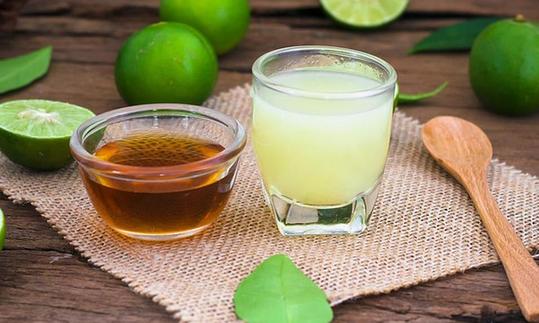
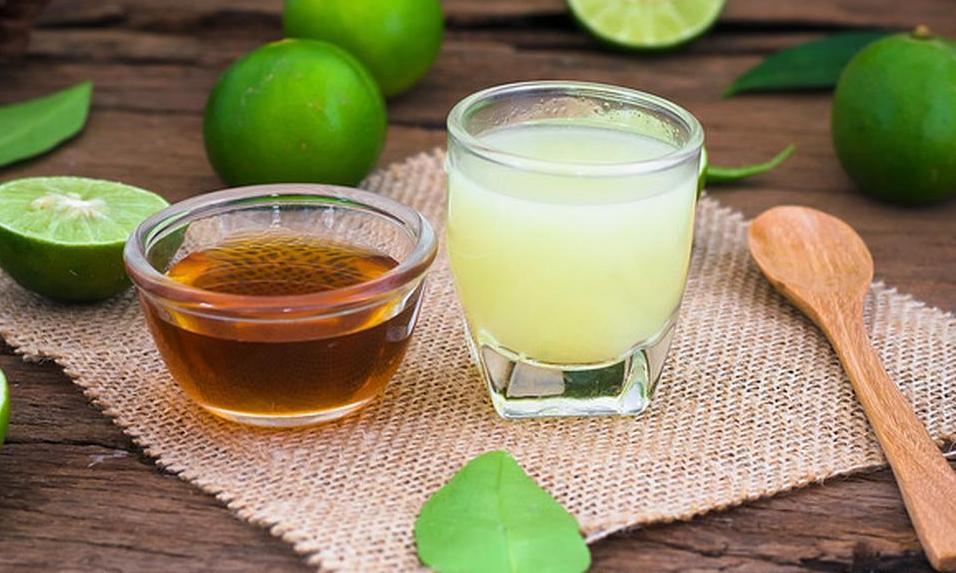
Limettensaft (am besten in Bio-Qualität) verwendet man gerne für Cocktails, aber auch zum Aromatisieren von warmen und kalten Speisen. Ob Limettensaft roh ist, hängt vom Herstellungsprozess ab.
Verwendung in der Küche
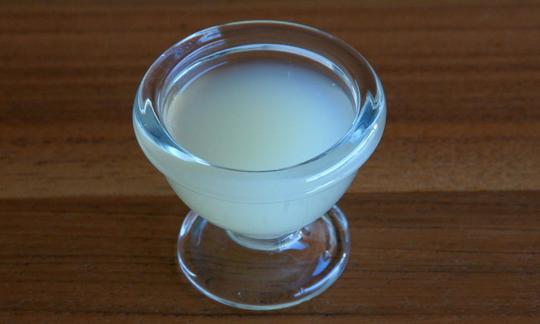
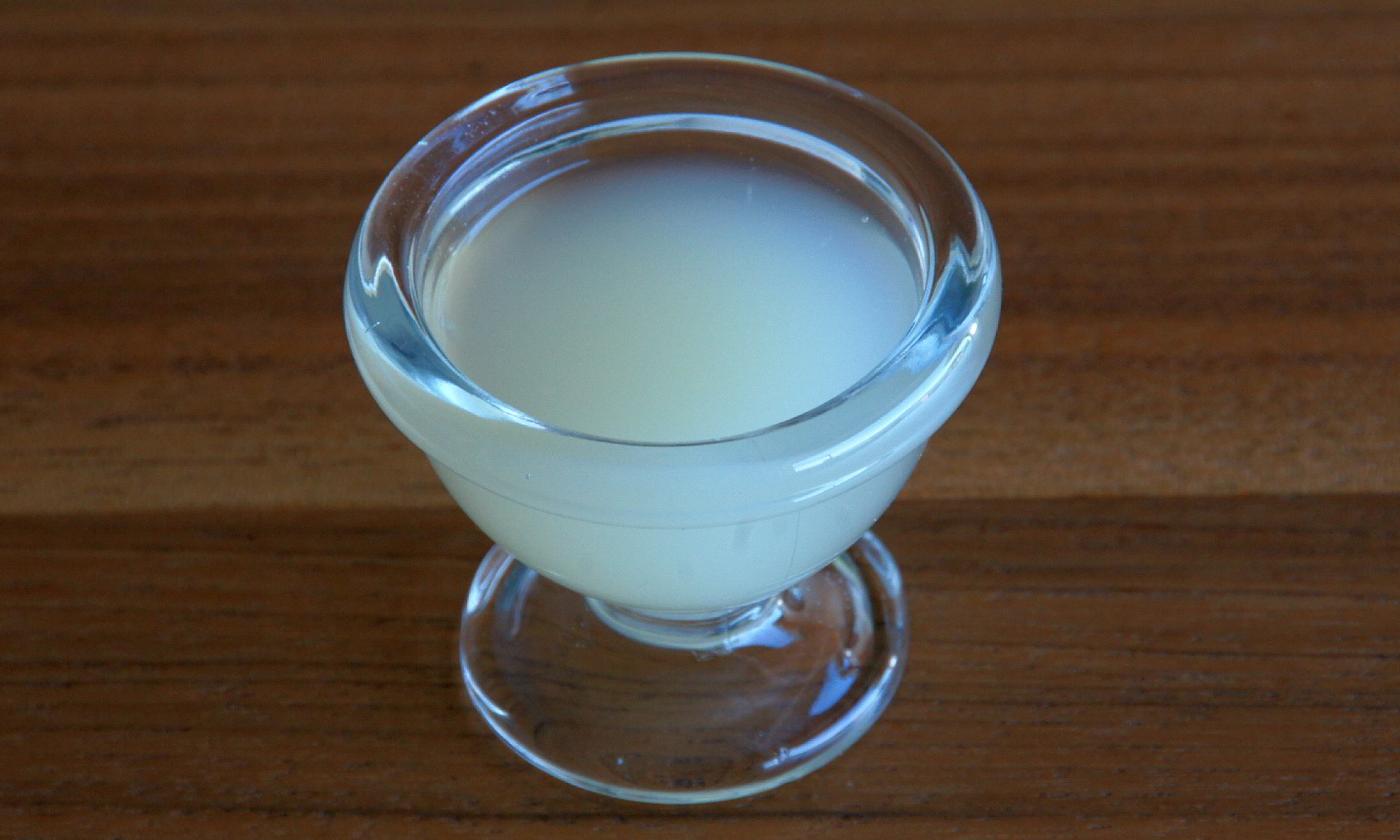
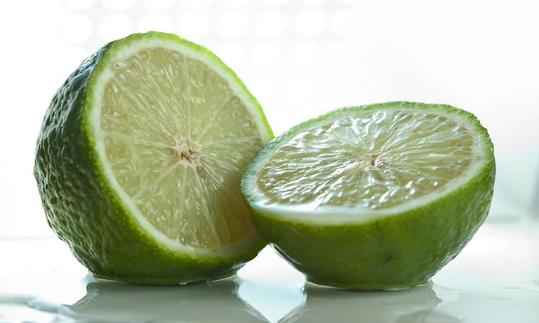
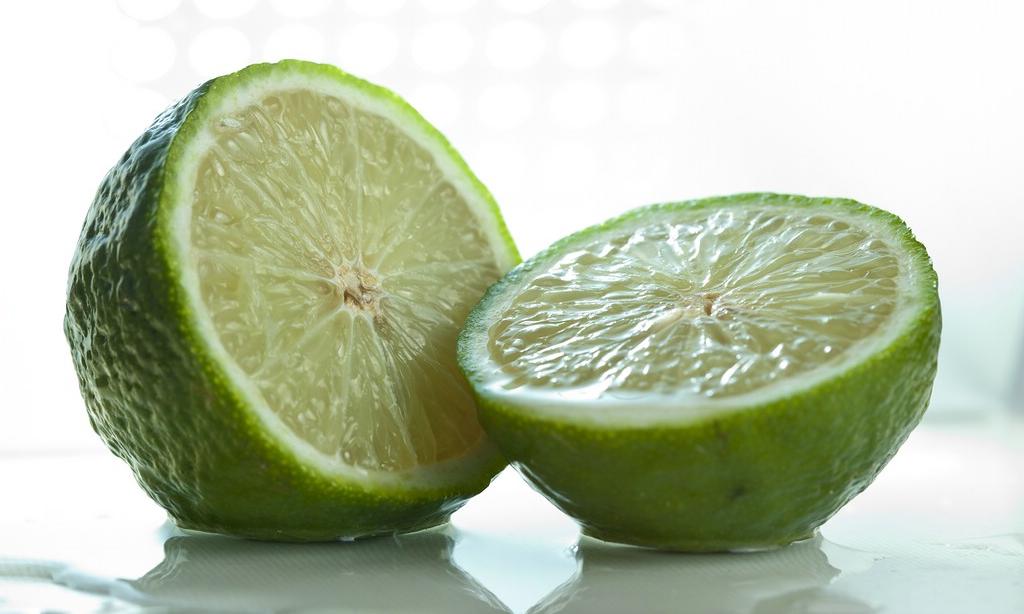
Durch Auspressen von Limetten gewinnt man Limettensaft, der mehr als 50 % der Gesamtmasse der Frucht ausmacht.1 Die Frucht ist leuchtend grün, rundlich und mit 3-6 cm Durchmesser kleiner als eine Zitrone. Das Fruchtfleisch im Inneren zeigt eine hellgrüne bis gelbliche Farbe. Der ausgepresste Saft ist gelblich und wirkt milchig. Bei frisch gepresstem Saft schweben Fruchtfleischanteile in der Flüssigkeit. Limettensaft schmeckt aromatischer, intensiver und etwas milder, als der sehr saure Zitronensaft.
Als Limette bezeichnet man mehrere Arten der Gattung Zitruspflanzen (Citrus). Am bekanntesten sind die Gewöhnliche Limette (Citrus latifolia), auch als Persische Limette oder Tahiti-Limette bezeichnet, und die Echte bzw. Mexikanische Limette (Citrus aurantifolia). Je nach Art bzw. Sorte können mehr oder weniger Kerne enthalten sein.
Bei Fruchtsäften wie Limettensaft unterscheidet man zwischen Frischsaft, Direktsaft und Fruchtsaft aus Konzentrat. Frischsaft ist reiner, nicht weiterverarbeiteter Fruchtsaft aus gepressten, rohen Früchten. Direktsaft ist zur Haltbarmachung pasteurisierter Fruchtsaft. Bei der Herstellung von Fruchtsaft aus Konzentrat verarbeitet man frisch gepressten Fruchtsaft im Produktionsland zu Fruchtsaftkonzentrat. Es erfolgt der Transport des Konzentrats und Aromas ins Verbraucherland, wo man den Fruchtsaft durch das Zusammenführen von Konzentrat, Aroma und Wasser wiederherstellt und durch Pasteurisierung haltbar macht. Ob es sich bei Limettensaft um ein Rohkost-Produkt handelt, hängt vom Herstellungsprozess ab. Pasteurisierte Säfte sind grundsätzlich nicht roh, da man sie während der Pasteurisierung in der Regel auf über 42 °C erhitzte. Rohen Limetten-Frischsaft kann man jedoch leicht selbst herstellen (siehe Kapitel "Eigene Zubereitung").
Aufgrund seines intensiv sauren Geschmacks verzehrt man Limettensaft üblicherweise nicht roh und pur. Man verwendet ihn gerne, um Getränken und Gerichten eine säuerliche Note zu verleihen. Limettensaft ist eine wichtige Zutat vieler Cocktails, wie Caipirinha, Cosmopolitan, Cuba Libre, Daiquiri, Mojito und Margarita - alle auch alkoholfrei möglich. Er ist zudem Hauptbestandteil von Lime Juice Cordial, einem gesüssten Limettensaft mit weniger Zucker als Limettensirup, den man für den Cocktail Gimlet benötigt. Auch leckere Limonaden, Eistees und Smoothies lassen sich mit dem sauren Saft einer Limette zubereiten.
Limettensaft verwendet man besonders gerne in der ostasiatischen und mexikanischen Küche. Man nutzt seinen aromatischen, säuerlichen Geschmack für vegane, asiatische Reispfannen, Nudelgerichte (z.B. Pad Thai), Wokgemüse und Currys, aber auch für Chili sin Carne, Fajitas und Tacos. In Guacamole (mexikanischer Avocado-Dip) verhindert Limettensaft das Braunwerden des Avocado-Fruchtfleisches. Der Saft verfeinert Suppen und Risotto und aromatisiert Marinaden, Saucen und Salatdressings (z.B. roh-veganer Rettichsalat mit Apfel und Limettendressing, Tomaten-Avocado-Carpaccio mit Mohn-Limetten-Dressing). Mit Limettensaft lassen sich vegane Desserts zubereiten, wie Sorbets, Cremen, Torten und Kuchen.
Wie gleicht man zu viel Limettensaft im Essen aus? Wem zu viel Limettensaft ins Essen gerutscht ist, kann die Säure mit der Süsse von z.B. Agavensirup abmildern.
Eigene Zubereitung
Roher Limettensaft lässt sich leicht selbst zubereiten. Dafür benötigt man frische Bio-Limetten, ein Schneidbrett, Messer und allenfalls eine manuelle oder elektrische Zitruspresse. Limetten zunächst waschen und einige Male unter leichtem Druck über das Schneidebrett rollen (gibt so besonders viel Saft). Früchte halbieren und mit einer Zitruspresse auspressen, oder in kleine Stücke teilen und per Hand ausdrücken. Wenn nötig, Saft durch ein Sieb seihen, um Kerne und Fruchtfleisch zu entfernen.
Wie viel Saft hat eine Limette? Die meisten Limetten bestehen aus über 50 % Saft.1 Je nach Limette (Grösse, Gewicht) ergibt das zwischen vier bis acht Esslöffel Saft.
Veganes Rezept für Reispfanne mit Limettensaft
Zutaten (für 2 Personen): 200 g Jasminreis oder Basmatireis, 200 g Räuchertofu, 2 Karotten, 1 rote Zwiebel, 2 EL getrocknete Cranberrys, 1 EL Rapsöl, 100 ml Limettensaft (am besten roh und bio), 3 EL Sojasauce, 1 EL Ahornsirup, 1 TL schwarzer Pfeffer, Korianderblätter und getrocknete Zwiebeln.
Zubereitung: Reis nach Packungsbeilage zubereiten. Räuchertofu in kleine Würfel schneiden. Karotten abspülen, bei Bedarf schälen, und in Scheiben schneiden. Rote Zwiebel schälen und würfeln. Rapsöl in einer grossen Bratpfanne erhitzen und Räuchertofu darin einige Minuten braten. Karottenscheiben und Zwiebelwürfel hinzugeben. Währenddessen Limettensaft, Sojasauce, Ahornsirup und Pfeffer in einer kleinen Schüssel verrühren. Gekochten Reis, Cranberrys und Sauce in die Bratpfanne geben und mischen. Einige Minuten bei regelmässigem Rühren anbraten. Vegane Reispfanne mit Limettensaft auf Tellern anrichten und mit Korianderblättern und getrockneten Zwiebeln garnieren.
Vegane Rezepte mit Limettensaft (roh) finden Sie unter dem Hinweis: "Rezepte, die am meisten von dieser Zutat haben".
| Nicht nur Veganer oder Vegetarier sollten das lesen: Veganer essen oft ungesund. Vermeidbare Ernährungsfehler. |
Einkauf - Lagerung
Die meisten Supermärkte (z.B. Coop, Migros, Spar, Aldi, Lidl, Rewe, Edeka, Hofer, Billa) und Bio-Supermärkte (z.B. Denn's Biomarkt, Alnatura) haben Limettensaft ganzjährig im Angebot, auch in Bio-Qualität. Andere Supermärkte wie Denner und Volg bieten den Saft selten, ev. während Sonderwochen, an. Man findet Limettensaft im Handel in kleinen Plastik- oder Glasflaschen. Ob es sich um Direktsaft oder Saft aus Konzentrat handelt, sollte auf dem Produkt angegeben sein. Einige Säfte enthalten zugefügte Antioxidationsmittel, was ebenfalls auf der Flasche ersichtlich ist.
Wer Limettensaft frisch gepresst bevorzugt, sollte beim Kauf von Limetten auf Exemplare mit grüner Schale achten - diese sind reif und qualitativ hochwertig. Gelb verfärbte Limetten sind überreif und können bitter schmecken.
Die Verfügbarkeit von Limettensaft ist je nach Grösse des Ladens, Einzugsgebiet etc. unterschiedlich. Unsere erfassten Lebensmittelpreise für die D-A-CH-Länder finden Sie oben unter dem Zutatenbild - und mit Klick deren Entwicklung bei verschiedenen Anbietern.
Tipps zur Lagerung
Gekauften Limettensaft bewahren Sie nach dem Öffnen im Kühlschrank auf. Er hält sich mehrere Monate - vertrauen Sie ihren Augen, Nase und Mund. Limettensaft lässt sich zudem gut in kleinen Portionen einfrieren, z.B. im Eiswürfelbehälter.
Frisch gepresster Limettensaft ist am besten sofort zu verzehren oder innerhalb von zwei Tagen aufzubrauchen.
Inhaltsstoffe - Nährwerte - Kalorien
Zusammensetzung und Menge der Inhaltsstoffe, inkl. sekundäre Pflanzenstoffe, variieren extrem je nach Sorte, Wachstumsbedingungen und Verarbeitungsmethoden etc.
Wie sind Limettensaft-Nährwerte zusammengesetzt? Die Menge an Limettensaft-Kalorien pro 100 g beträgt 25 kcal. Der Proteingehalt ist mit 0,42 g/100g gering und auch Fett ist mit 0,07 g/100g kaum vorhanden. Er enthält 8,4 g/100g Kohlenhydrate, wovon 1,7 g Zucker sind. Der Ballaststoffgehalt beträgt 0,4 g/100g.2 Es folgen drei nennenswerte Limettensaft-Nährstoffe.
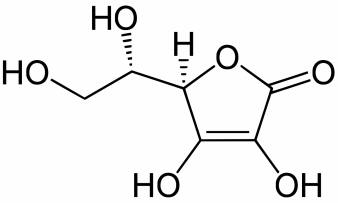
Enthält Limettensaft Vitamin C? Vitamin C (Ascorbinsäure) ist das in der grössten Menge enthaltene Vitamin in Limettensaft (30 mg/100g; 38 % des Tagesbedarfs). Zitronensaft enthält mit 39 mg/100g etwas und Orangensaft mit 50 mg/100g einiges mehr. In gelben Gemüsepaprikas ist mit 184 mg/100g ca. das Sechsfache an Vitamin C zu finden.2
Der Gehalt an Kalium beträgt 117 mg/100g (6 % des Tagesbedarfs). Dieser ist vergleichbar mit demjenigen von Traubensaft (104 mg/100g), Zitronensaft (103 mg/100g) und Apfelsaft (101 mg). Viel Kalium ist mit 1694 mg/100g in Fenchelsamen, wovon man aber nur kleine Mengen verwendet.2
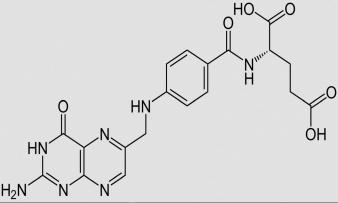
Limettensaft (roh) weist 10 µg Folat (Folsäure) pro 100 g auf (5 % des Tagesbedarfs). Wiederum ist in Zitronensaft (20 µg/100g) und Orangensaft (30 µg/100g) mehr enthalten. Sehr viel Folat ist mit 3786 µg/100g in Hefeextrakt (Gewürzpaste) vorhanden - aber auch davon verwendet man nur wenig.2
Die gesamten Inhaltsstoffe von Limettensaft (roh), die Abdeckung des Tagesbedarfs und Vergleichswerte mit anderen Zutaten finden Sie in unseren Nährstofftabellen. Im Artikel Nährstoffe umfassend erklärt bekommen Sie einen detaillierten Einblick in das Thema.
Wirkungen auf die Gesundheit
Kann man mit Limettensaft abnehmen? Limettensaft ist kalorienarm und daher gut in den Speiseplan von Personen integrierbar, die sich um Gewichtsreduktion bemühen. Forschungen weisen darauf hin, dass Limettensaft neben seiner Funktion als Immun-Booster auch beim Gewichtsmanagement wirksam sein kann.16 Mit Limettensaft angereichertes Mineralwasser kann das Verlangen nach Süssgetränken stillen.
Ist Limettensaft gesund? Limettensaft ist reich an Vitamin C und wirkt u.a. antioxidativ. Viele der gesundheitlichen Wirkungen gehen auf die enthaltenen sekundären Metaboliten zurück. Mehr davon erfahren Sie im Folgekapitel.
Sekundäre Pflanzenstoffe
Unser Artikel über sekundäre Pflanzenstoffe bietet einen Überblick über die Klassifizierung der Stoffgruppen, das Vorkommen in Lebensmitteln und mögliche Wirkungen auf den Menschen.
Limettensaft enthält u.a. folgende sekundäre Pflanzenstoffe:10,15,16
- Isoprenoide: Monoterpene (Alpha-Terpineol, Alpha-Tujen, Alpha- und Beta-Pinen, Camphen, Limonen, Citral, Beta-Ocimen, Carvon, Alpha- und Gamma-Terpineol, Borneol, Geraniol, Myrcen, Nerol, Alpha-Phellandren, Citronellol, Sabinen, Geranylacetat, Linalylacetat, Linalool, Fenchon); Diterpene (Phytol); Sesquiterpene (Farnesen, Alpha-Bisabolol, Ledol, Caryophyllen, Sesqui-Phellandren, Beta-Santalol); Triterpene: Steroide (Beta-Sitosterol-Glycosid), Saponine; Triterpenoide: Limonoide (Limonin, Nomilin); Tetraterpene: Carotinoide: Carotine (Beta-Carotin, Lycopin)
- Polyphenole: Phenolsäuren: Hydroxybenzoesäuren (Gallussäure), Hydroxyzimtsäuren (Ferulasäure, Cumarsäure); Flavonoide: Flavanone (Hesperidin, Hesperetin, Naringin, Naringenin, Narirutin, Eriocitrin), Flavonole (Rutin, Kaempferol, Quercetin), Flavone (Apigenin, Nobiletin, Tangeretin); Tannine: Gallotannine (Tanninsäure)
- Weitere stickstoffhaltige Verbindungen: Biogene Amine (Synephrin, Tyramin, Octopamin)
- Weitere organische Verbindungen: Hydroxycarbonsäuren (Zitronensäure); Aldehyde (Nonanal); Alkohole (Beta-Santalol); Alkane (Cyclopentan); Ketone (1,3-Cyclopentandion); Ester; Cumarine: Furocumarine (Limettin, Psoralen, Bergapten, Xanthotoxin, Isopimpinellin)
In-vitro- und In-vivo-Studien beschreiben das vielseitige antitumorale Potenzial von C. aurantifolia. Zu den bioaktiven Substanzen mit möglicher Antikrebswirkung zählen u.a. Limonoide, Flavonoide (Quercetin), ätherische Öle (Beta-Pinen, Limonen). Auch Cumarine und bestimmte biogene Amine, die hauptsächlich in der Schale vorkommen, sind Gegenstand der Forschung für mögliche krebshemmende Eigenschaften. Ätherische Öle, die überwiegend aus Terpenen, Aldehyden, Alkoholen, Alkanen, Ketonen und Cumarinen bestehen, befinden sich v.a. in der Schale. Sie sind verantwortlich für das charakteristische Limettenaroma. Im Fruchtsaft selbst kommen sie nur in Spuren vor.16
Im Unterschied zum Zitronensaft, der vor allem die Flavanone Hesperidin und Eriocitrin enthält, ist in Limettensaft Hesperidin dominierend. Limettensaft-Extrakt hemmte in vitro die spontane Vermehrung von lymphoblastoiden B-Zellen und Pankreaskrebszellen.16 In Limetten treten ergänzend kleinere Mengen an Rutin auf, was den Limettensaft im Vergleich zu anderen Zitrussäften einzigartig macht. Rutin wirkt antioxidativ und neutralisiert schädigende freie Radikale zum Schutz der Zellen. Zudem weist es antiallergische, entzündungshemmende, tumorhemmende, antibakterielle und antivirale Eigenschaften auf.1,10
Limettensaft enthält auch reichlich Citrate (Salze der Zitronensäure), die die Bildung von Harnsteinen hemmen können und als mögliche Alternative zu Kaliumcitrat bei der Therapie von Harnsteinen zum Einsatz kommen. Der Saft erhöht das Gesamtvolumen des Urins, verringert die Sättigung mit Calcium und anderen Kristallen und kann die Ausscheidung von Zitrat im Urin erhöhen.3
Vertiefende Informationen zu den gesundheitsfördernden Wirkungen finden Sie unter der Zutat von Limetten, roh.
Gefahren - Unverträglichkeiten - Nebenwirkungen
Limetten und Limettensaft können bei manchen Menschen und unter bestimmten Umweltbedingungen Hautreaktionen hervorrufen. Der Kontakt mit Schale oder Saft der Frucht kann eine Dermatitis oder Phytophotodermatitis auslösen. Phytophotodermatitis ist eine blasenbildende, Sonnenbrand-ähnliche Reaktion, verursacht durch die Wechselwirkung von UV-Licht und Psoralenen (photosensibilisierende Pflanzenstoffe).4
Die in Limettensaft enthaltene Zitronensäure greift den Zahnschmelz an. Man sollte nach dem Essen oder Trinken von säurehaltigen Lebensmitteln die Zähne nicht (mit zu viel Druck) reinigen, da es sonst verstärkt zum Abrieb oberer Zahnschichten kommt. Die Empfehlung lautet stattdessen, den Mund mit Wasser auszuspülen. So verdünnt man die Säure und beschleunigt den Ersatz herausgelöster Mineralien.5
Volksmedizin - Naturheilkunde
Früher verwendete man Zitrusfrüchte als Vitamin-C-Quelle zur Vorbeugung und Behandlung von Skorbut. Die weitreichende Verwendung von Limettensaft an Bord brachte den britischen Seeleuten den Namen 'Limeys' ein.6
Ökologischer Fussabdruck - Tierwohl
Der ökologische Fussabdruck eines Lebensmittels hängt von unterschiedlichen Faktoren ab. So spielen die Art der landwirtschaftlichen Produktion (konventionell vs. ökologisch), saisonale, regionale oder inländische Produktion bzw. Import per Lkw, Schiff oder Flugzeug, unterschiedliche Verpackungsarten und ob es sich um Frischwaren oder Tiefkühlwaren handelt, eine entscheidende Rolle. Der CO2-Fussabdruck von rohen Limetten beträgt laut der dänischen Klimadatenbank Concito 0,6 kg CO2eq/kg.7 Der von Limettensaft ist vermutlich grösser (Anzahl Limetten, Herstellungsprozess).
Zur Herstellung von 1 kg Limetten benötigt man laut einer niederländischen Studie von 2011 insgesamt 642 Liter Wasser.8
Bio-Limetten und Bio-Limettensaft sind zu bevorzugen, da man in der biologischen Produktion auf den Einsatz von gesundheits- und umweltschädlichen chemisch-synthetischen Pflanzenschutzmitteln und Dünger verzichtet.
Weltweites Vorkommen - Anbau
Der Ursprung der Limette liegt in Südostasien. Sie ist in tropischen und subtropischen Regionen Asiens heimisch. Man baut sie heute in Asien, Amerika und Europa an.9,10
Mexiko ist der wichtigste Produzent und Exporteur von Limettensaft. Die Persische Limette (Citrus latifolia) kultiviert man hauptsächlich in den Bundesstaaten Veracruz und Oaxaca, während man die Mexikanische Limette (Citrus aurantifolia) in den Bundesstaaten Michoacán und Colima anbaut. Persische Limetten eignen sich besser für die Saftverarbeitung, da sie kernlos, grösser und süsser sind als Mexikanische Limetten. Andererseits haben Mexikanische Limetten einen stärkeren Geschmack, sodass man beide Arten für die Saftverarbeitung verwendet und oft mischt. Jährlich verarbeitet man etwa 250'000 Tonnen Mexikanische Limetten und 200'000 Tonnen Persische Limetten zu Saft.11
Industrielle Herstellung
Die industrielle Herstellung von Limettensaft erfolgt auf ähnliche Weise wie diejenige von Orangensaft. Bei der ersten Methode verwendet man eine Maschine, die mithilfe von zwei ineinandergreifenden Metallschalen Früchte presst. Während des Auspressens dringen Rohre in die Frucht ein und fangen den ausgepressten Saft auf. Bei einem anderen Extraktionsverfahren presst man die gesamte Frucht zwischen rotierenden, konvergierenden Scheiben. Das Gemisch aus Früchten und Fruchtfleisch trennt man anschliessend in einer Schneckenpresse/Siebmaschine vom Saft.6
Einen Direktsaft erhält man, indem man den frisch extrahierten Saft einer Pasteurisierung unterzieht, um Mikroorganismen zu zerstören, abbauende Enzyme zu deaktivieren und damit den Saft haltbar zu machen. Zur besseren Konservierung, Lagerung und Beförderung konzentrieren viele Hersteller deren Säfte. Limettensaftkonzentrat gewinnt man vorwiegend durch thermisch beschleunigte Kurzzeitverdampfung (TASTE): Man erhitzt Limettensaft unter Vakuum mit heissem Dampf, um das enthaltene Wasser zu verdampfen. Die Wiederherstellung des Saftes auf die ursprüngliche Konzentration erfolgt durch Zugabe von Wasser, Aroma und Essenzen vor der Vermarktung des Produkts im Verbraucherland. Zum Schluss pasteurisiert man den wiederhergestellten Limettensaft (Limettensaft aus Konzentrat).6
Weiterführende Informationen
Limetten gehören der Gattung Zitruspflanzen (Citrus) innerhalb der Familie der Rautengewächse (Rutaceae) an.
Bekannte Citrus-Arten nebst den Limetten sind: Zitrone (C. limon), Mandarine (C. reticulata), Grapefruit (C. paradisi), Orange (C. sinensis), Pampelmuse (C. maxima) und Bergamotte (C. aurantium). Nebst den beiden wichtigsten Limetten-Arten Mexikanische Limette (C. aurantifolia) und Persiche Limette (C. latifolia) gibt es unter anderem noch die Kaffir-Limette (C. hystrix; berühmt für Kaffirlimettenblätter), Süsse Limette (C. limetta) und Rangpur-Limette (C. limonia).9,10 Beliebte Zitrusfrucht-Säfte nebst Limettensaft sind Orangensaft und Zitronensaft.
Ob es sich bei den genannten Zitruspflanzen um im botanischen Sinne gültige Arten handelt, ist umstritten. Einige vertreten die Meinung, dass es nur drei Grundarten der Gattung Citrus gibt, wie die Zitronatzitrone (C. medica), Mandarine (C. reticulata) und Pampelmuse (C. maxima), und es sich bei den übrigen um introgressive Hybridisierungen der Grundarten handelt. Andere zählen neben den drei oben genannten Arten auch Mexikanische Limette (C. aurantiifolia), Micrantha (C. micrantha) und Citrus halmii zur Grundarten-Liste.12
Die triploide Persische Limette ist das Ergebnis der Fusion zwischen einer diploiden männlichen Geschlechtszelle (Gameten) von C. aurantiifolia (Mexikanische Limette) und einer haploiden weiblichen Zelle von C. limon (Zitrone). Die Mexikanische Limette wiederum ist selbst das Ergebnis einer interspezifischen Hybridisierung zwischen C. medica und C. micrantha.13,14
Bemerkung: Da es sich bei den meisten genannten Pflanzen um Hybride, also aus Kreuzung verschiedener Arten hervorgegangene neue Pflanzen, handelt, ist es korrekt, im botanischen Namen ein "x" zwischen Gattungsnamen und Artnamen zu setzen, z.B. Citrus × latifolia für Persische Limette und Citrus × aurantiifolia für Mexikanische Limette.
Was ist der Unterschied zwischen Limette und Zitrone? Limetten und Zitronen stammen aus derselben Gattung und sind nahe miteinander verwandt, unterscheiden sich jedoch sowohl optisch als auch geschmacklich. Die offensichtlichsten Unterschiede zwischen Limette und Zitrone sind Farbe und Grösse. Zitronen sind gelb und haben eine ovale Form, während Limetten grün (manchmal mit leichtem Gelbstich), etwas kleiner und rundlich sind. Limetten sind aromatischer und saurer als Zitronen. Ihr Saftgehalt ist höher als der von Zitronen.
Alternative Namen
Die Bezeichnung Limette stammt aus dem Französischen. Es ist die Verkleinerungsform des Wortes "lime" und bedeutet daher kleine Zitrone. Früher nannte man die Limette auch Limone. Darunter versteht man in gewissen Ländern jedoch Zitronen, weshalb sich das Wort Limette durchgesetzt hat.
Im Englischen bezeichnet man Limettensaft (fälschlicherweise auch Limetten Saft, Limetensaft oder Limettesaft geschrieben) als lime juice.
Sonstige Anwendungen
Limettensaft findet auch in der Kosmetikindustrie und als umweltfreundliches Reinigungsmittel im Haushalt Verwendung.
Literaturverzeichnis - 16 Quellen (Link zur Evidenz)
| 1. | * "Further, the most widely consumed product of limes is juice, and it accounts for approximately more than 50% of the total mass of the whole fruit." "Recently, several bioactive compounds were identified in lime, including ascorbic acid, flavonoids, limonoids, coumarins, and phytosterols, and were investigated (8). Among the flavonoids, hesperidin was found to be the most abounded in Citrus reticulata Blanco (6.76-12.0 mg/g of dried matter), Citrus sinensis (L.) Osbeck (6.98-10.8 mg/g of dried matter), and Citrus limon (L.) (3.58 mg/g of dried matter) (9). Hesperidin is known to act as anticancer agent through prostaglandin (10) and inhibition of chemical carcinogenesis (11). The other flavonoid reported in limes is rutin (quercetin-3-rutinoside) (12). Rutin has shown significant scavenging properties on oxidizing species, such as hydroxyl radical, superoxide radical, and peroxyl radical. Furthermore, it has shown anti-allergic, anti-inflammatory, anti-tumor, antibacterial, antiviral, and antiprotozoal properties (13), Among the limonoids, limonin, nomilin, obacunone, and their glucosides are found in most of the citrus species (14). Results from our laboratory and elsewhere have demonstrated several biological activities of citrus bioactive compounds, such as inhibition of breast (15), neuroblastoma (16) and prostate (17) cancer cells. Furthermore, results also indicated that certain citrus limonoids inhibit the colon cancer cell proliferation in both cell culture and animal studies (18, 19)." "The results of current study have revealed that hesperidin and rutin are the major flavonoids and LNA and ILNA are the most prominent limonoids of lime juice. Furthermore, lime juice seems to have the capacity of scavenging free radicals and inhibition of human pancreatic cancer cells." "Furthermore, the limonoids identified are limonexic acid, isolimonexic acid, and limonin. All of the extracts of lime juice inhibited Panc-28 cancer cell growth." "Hence, an investigation was conducted to understand the chemopreventive effects of lime juice on pancreatic cancer cells and the possible mechanism for induction of apoptosis using Panc-28 cells." "The results of the present study clearly indicate that antioxidant activity is proportionate to the content of flavonoids and proliferation inhibition ability is proportionate to the content of both flavonoids and limonoids."
In vitro Laborstudie (Zellkultur) DOI: 10.1021/jf901718u Study: weak evidence | Patil JR, Chidambara Murthy KN, Jayaprakasha GK, Chetti MB, Patil BS. Bioactive compounds from Mexican lime (Citrus aurantifolia) juice induce apoptosis in human pancreatic cells. J Agric Food Chem. 2009;57(22):10933–10942. |
| 2. | ● Nährstofftabellen. Website | USDA United States Department of Agriculture. |
| 3. | * "Fresh lime juice is not as effective as mist potassium citrate in urinary alkalinisation. Both lime juice and potassium citrate minimally reduce urinary calcium excretion, although this reduction is not significant. Lime juice is generally well tolerated with no gastrointestinal side effects. As it increases overall fluid consumption with fewer added calories, it may be a useful dietary adjunct in the primary prevention of urinary tract stones." "We aimed to investigate the effect of citrate supplementation with fresh lime juice on the urinary pH and calcium excretion level of healthy individuals compared with that of potassium citrate to determine whether lime juice could be a dietary alternative to potassium citrate." "Lime (Citrus aurantifolia), an originally wild species from the Rutaceae family, is a common plant in Southeast Asia. It is rich in citrate and antioxidants such as ascorbic acid, polyphenols and flavonoids." "Urinary citrate is a potent and naturally occurring inhibitor of urinary crystallisation that is freely filtered in the proximal tubule of the kidney. Citrate binds to the calcium oxalate crystal surface, inhibiting crystal growth and aggregation." "The addition of lime juice in water consumed throughout the day could add to the overall fluid intake, resulting in increased urine output and reduced urine supersaturation."
Prospektive klinische Cross-over-Studie (randomisiert) DOI: 10.51866/oa.216 Study: strong evidence | Sivananthan K, Nagappan P, Md Mansor M, Abdullah U, Azman A. Lime juice as a dietary alternative to mist potassium citrate for urine alkalinisation: A prospective, cross-over clinical trial. Malays Fam Physician. 2023;18:5. |
| 4. | * "Phytophotodermatitis is an exaggerated blistering sunburn-like reaction caused by the interaction of ultraviolet A light and psoralens in plants. These plants include limes (in this case), lemons, parsley, parsnips, celery, carrot, fig and wild flowers of the Umbelliferae spp."
Fallbericht DOI: 10.5694/mja17.00058 Study: weak evidence | Snaidr VA, Lowe PM. Phytophotodermatitis from lime juice. Med J Aust. 2017;207(8):328. |
| 5. | ● "Nach dem Essen oder Trinken von säurehaltigen Lebensmitteln sollten die Zähne nicht kraftvoll geschrubbt werden, da sich sonst der Abrieb der oberen Zahnschichten verstärkt. Statt dessen empfiehlt es sich, den Mund mit Wasser oder Milch auszuspülen, um die Säure zu verdünnen und den Ersatz der herausgelösten Mineralien zu beschleunigen. Zitronensäure greift den Zahnschmelz an, egal, ob als natürlicher Bestandteil eines Lebensmittels oder als Zusatzstoff." Website | Wetzel WE. UGB-Forum Spezial: Von klein auf vollwertig. Zahnschäden: Nach der Nuckel- die Rennfahrerflasche? S. 19-20. |
| 6. | ● "Their extensive use on-board ship to prevent or treat attacks of ‘scurvy’ (caused by vitamin C deficiency) earned British sailors the distinctive name ‘Limeys.’" "Lime juice can be prepared and concentrated in large amounts at high rates in the same general manner as for orange and grapefruit juices, using similar equipment. For juice extraction, however, smaller (than usual for oranges) cups are used on one type of extractor, which individually cuts and presses each fruit. Another type of extractor presses and disrupts the entire fruit between rotating converging disks, and the fruit, pulp, and rag mixture is then separated from the juice in a screw press/screen finisher. Singlestrength lime juice may be blended with sugars, syrups, water, or carbonated water and bottled in glass or sealed in metal cans. These types of juice products are usually preserved with a small amount of added sulfite or bisulfite. They may remain stable without refrigeration up to a year or longer." "The juice can be concentrated on a thermal accelerated short time evaporator (TASTE), widely used throughout the world citrus processing industries." Book: moderate evidence | Berry RE. Citrus Fruits / Limes. In: Encyclopedia of Food Sciences and Nutrition. Academic Press. 2003:1368–1371. |
| 7. | ● 0.6 CO2-eq. pro kg - DK Website | Concito. The Big Climata Database. Lime raw (DK). |
| 8. | * "Global average water footprint (m3 ton−1 ): Total 642, Green 432, Blue 152, Grey 58" | Mekonnen MM, Hoekstra AY. The green, blue and grey water footprint of crops and derived crop products. Hydrol. Earth Syst. Sci. 2011;15:1577–1600. |
| 9. | ● "There are several species of lime tree, but C. aurantifolia is native to south-east Asia and is grown all over the world, mainly in America, Europe, Asia, and Indian regions. It has been cultivated since the fifteenth century (Calabrese, 2002)." "There are diverse varieties of the genus Citrus including key lime or bartender’s lime (C. aurantifolia) (Mexican, west Indian), Persian lime (Citrus latifolia) (Tahiti or Bears’ lime), kaffir lime (Citrus hystrix) (kieffer lime; makrut, or magrood), Australian dessert lime (Citrus glauca), and sweet lime (Citrus limetta) (sweet limetta, Mediterranean sweet lemon). However, the most imported produced cultivars of this citric fruits are the Persian lime and key lime, particularly, the trees of this species can be founded in home backyards, being an ornament tree or for local consumption, and the principal difference between these limes are that the Persian lime is seedless, whereas key limes have a lot of seeds (Saunt, 2000)." DOI: 10.1016/B978-0-12-416641-7.00061-4 Book: strong evidence | Cruz-Valenzuela MR, Tapia-Rodríguez MR, Vazquez-Armenta FJ, Silva-Espinoza BA, Ayala-Zavala JF. Lime (Citrus aurantifolia) oils. Essential Oils in Food Preservation, Flavor and Safety. 2016:531-537. |
| 10. | * "C. aurantifolia is native to the tropical and subtropical regions of Asia and Southeast Asia including India, China, and it was introduced to North Africa, Europe, and worldwide." "The phytochemical substances such as alkaloids, carotenoids, coumarins, essential oils, flavonoids, phenolic acids, and triterpenoids exist in citrus abundantly. All of these substances have their board range of pharmacological properties, especially anticancer property. C. aurantifolia was studied for its effect against carcinogenesis by mechanisms such as stopping cancer cell mobility in circulatory system; so, inhibiting the metastasis, blocking the angiogenesis, and inducing tumor suppressor gene and apoptosis. The present review suggests that C. aurantifolia consumption may have a change to use for cancer therapy." "Citrus aurantifolia (family: Rutaceae) is mainly used in daily consumption, in many cultural cuisines, and in juice production. It is widely used because of its antibacterial, anticancer, antidiabetic, antifungal, anti-hypertensive, anti-inflammation, anti-lipidemia, and antioxidant properties; moreover, it can protect heart, liver, bone, and prevent urinary diseases. Its secondary metabolites are alkaloids, carotenoids, coumarins, essential oils, flavonoids, phenolic acids, and triterpenoids. The other important constituents are apigenin, hesperetin, kaempferol, limonoids, quercetin, naringenin, nobiletin, and rutin, all of these contribute to its remedial properties." "C. aurantifolia is native to the tropical and subtropical regions of Asia and Southeast Asia including India, China, and it was introduced to North Africa, Europe, and worldwide." "There are many species in the genus of Citrus, the most well-known citrus species are Citrus aurantifolia (key lime), C. hystrix (makrut lime), C. limonia (Mandarin lime), C. limon (lemon), C. jambhiri (rough lemon), C. sinensis (sweet orange), C. aurantium (sour orange), C. limetta (bitter orange), C. macroptera (wild orange), C. tachibana (tachibana orange), C. maxima (shaddock), C. medica (citron), C. nobilis (tangor), C. paradise (grapefruit), C. reticulata (tangerine), and C. tangelo (tangelo)." Narratives Review DOI: 10.4103/0973-7847.194043 Study: weak evidence | Narang N, Jiraungkoorskul W. Anticancer Activity of Key Lime, Citrus aurantifolia. Pharmacogn Rev. 2016;10(20):118-122. |
| 11. | ● "Mexico also produces other types of citrus fruit, and it is the largest producer and exporter of lime juice in the world. Persian limes are mostly grown in the states of Veracruz and Oaxaca, while Key limes are produced mostly in the states of Michoacán and Colima. Persian limes are more convenient for juice processing, as they are seedless, larger and sweeter than Key limes. On the other hand, Key limes have a stronger flavour, so both types are used for juice processing and are often mixed. Around 250 thousand tonnes of Key limes and 200 thousand tonnes of Persian limes are processed into juice each year." Website | CBI eu: Entering the European market for citrus and tropical juices. 2021. |
| 12. | ● "Their study, and another one conducted by Scora (1975), suggested that only three citrus types, citron (Citrus medica), mandarin (Citrus reticulata) and pummelo (Citrus grandis; now Citrus maxima) constituted valid species; the remainder are presumed to be introgressions of the basic biological species. However, many researchers include lime (Citrus aurantiifolia), Citrus micrantha and Citrus halmii in the list of 'true' citrus species along with the three listed above (Janick and Paull, 2008)." Website | CABI Digital Library org: Citrus aurantiifolia (lime). 2019. |
| 13. | * "Persian lime results from the fusion between a diploid male gamete of Citrus x aurantiifolia (Christm.) Swing and a haploid female gamete of Citrus x limon L. (Burm; Ahmed et al., 2019, 2020). These two species are a result of interspecific hybridization between Citrus medica L. (citron) as the male parent and C. x aurantium L. and Citrus medica x micrantha Wester for C. x lemon and C. x aurantiifolia, respectively (Curk et al., 2016)."
In vitro Laborstudie DOI: 10.3389/fpls.2021.685679 Study: weak evidence | Sivager G, Calvez L, Bruyere S, et al. Specific physiological and anatomical traits associated with polyploidy and better detoxification processes contribute to improved huanglongbing tolerance of the Persian lime compared with the Mexican lime. Front Plant Sci. 2021;12:685679. |
| 14. | * "Two main types of triploid limes are produced worldwide. The ‘Tahiti’ lime type (Citrus latifolia) is predominant, while the ‘Tanepao’ type (C. aurantiifolia) is produced to a lesser extent. Both types result from natural interspecific hybridization involving a diploid gamete of C. aurantiifolia ‘Mexican’ lime type (itself a direct interspecific C. micrantha × C. medica hybrid)."
Experimentelle pflanzengenetische Laborstudie DOI: 10.1093/aob/mcx179 | Rouiss H, Bakry F, Froelicher Y, Navarro L, Aleza P, Ollitrault P. Origin of C. latifolia and C. aurantiifolia triploid limes: the preferential disomic inheritance of doubled-diploid ‘Mexican’ lime is consistent with an interploid hybridization hypothesis. Ann Bot. 2018;121(3):571-585. |
| 15. | * "In the literature there are several cases of adverse reactions to lime, most of which deriving from contact with the peel or juice of the fruit and whose manifestation is mainly expressed in the skin, in the form of dermatitis or phytophotodermatitis. Contact dermatitis is a skin-state alteration characterized, in the acute phase, by the appearance of erythema, itch and vesiculation. These clinical manifestations are induced by exposure of the skin surface to external agents. The substances that can induce contact dermatitis may be irritant or allergenic [3]." "In some people and in specific environmental conditions lime can cause skin reactions such as phytophotodermatitis, allergic contact dermatitis (ACD) and protein contact dermatitis (PCD)." "Citrus aurantiifolia (Fig. 1) is a perennial small evergreen tree which can grow to a height of 3–5 m, with dense ramifications and whose surface is covered with rigid thorns. It is classified in the Rutaceae family, genus Citrus. The twigs have a quadrangular shape, and the leaves are elliptical or oval with serrated margins varying in color from yellow-green to dark green. The flowers are yellowish-white, consisting of 4–5 petals [1]."
Narratives Review DOI: 10.1186/s12948-021-00152-x Study: weak evidence | Alessandrello C, Gammeri L et al. A spotlight on lime: a review about adverse reactions and clinical manifestations due to Citrus aurantiifolia. Clin Mol Allergy. 2021;19:12. |
| 16. | * "Citrus aurantifolia is part of the Rutaceae family and belongs to the genus Citrus. It is widely used in food, the chemical industry, and pharmaceuticals because it has a unique flavor and odor. It is nutrient-rich and is beneficial as an antibacterial, anticancer, antioxidant, anti-inflammatory, and insecticide. Secondary metabolites present in C. aurantifolia are what give rise to biological action. Flavonoids, terpenoids, phenolics, limonoids, alkaloids, and essential oils are among the secondary metabolites/phytochemicals discovered in C. aurantifolia." "Secondary metabolite compounds derived from plants such as C. aurantifolia have benefits for human health. This secondary metabolite has a wide range of biological activities, including antibacterial, anticancer, antioxidant, insecticide, and anti-inflammatory properties." "C. aurantifolia has various biological activities [5]. Several studies have found C. aurantifolia to have biological activities such as being an insecticide, larvicide, and repellent [6]; antioxidant, anticancer, and antimicrobial [7,8]; antiseptic, antiviral, antifungal, astringent, anticholesterol, diuretic, appetite stimulant, constipation remedy [9], anti-inflammatory, and analgesic [10]. These various biological activities are due to the content of secondary metabolites found in C. aurantifolia. Secondary metabolites found in C. aurantifolia include alkaloids, coumarins, flavonoids [11], carotenoids, phenolics, terpenes, limonoids [12], and essential oils [13]. The content of these secondary metabolites can be influenced by various factors, such as physicochemical properties, soil composition, sun exposure, geographical coordinates [14], and the part of the plant used [15]."
Narratives Review DOI: 10.3390/foods12102036 Study: weak evidence | Indriyani NN, Anshori JA et al. Bioactive components and their activities from different parts of Citrus aurantifolia (Christm.) Swingle for food development. Foods. 2023;12(10):2036. |
| Wir haben Studien und Bücher zu Ernährung und Gesundheit nach folgenden 3 Evidenz-Kategorien markiert: grün=starke Beweiskraft, gelb=mittlere, violett=schwache. Die restlichen Quellen sind grau markiert. Eine ausführliche Erklärung finden Sie in unserem Beitrag: Wissenschaft oder Glaube? So prüfen Sie Publikationen. | ||



Kommentare