Entdecken Sie vielseitige Verwendungsmöglichkeiten von Medjool-Datteln in der Küche, die allfällige Saison, Preise und gesundheitliche Vorteile. Erfahren Sie mehr über wichtige Nährstoffe, sekundäre Pflanzenstoffe, Anbau und Ökobilanz.
Die drei Verhältniszahlen zeigen den prozentualen Gewichtsanteil der Makronährstoffe (Kohlenhydrate / Proteine / Fette) der Trockensubstanz (exkl. Wasser). In der Sprache Englisch sind Ballaststoffe als Bestandteil des Kohlenhydrat-Anteils gerechnet. Die Umrechnung von Gewicht in kcal erfolgt nach dem von der USDA verwendeten "Atwater system".
Davor ersehen Sie den Wasseranteil, gerundet auf ganze %.
Ω-6 (LA, <0.1g)Omega-6-Fettsäuren wie Linolsäure (LA) : Ω-3 (ALA, <0.1g)Omega-3-Fettsäuren wie Alpha-Linolensäure (ALA) = 0:0
Verhältnis Omega-6 zu Omega-3-Fettsäuren soll insgesamt 5:1 nicht überschreiten. Link zu Erklärungstext.
Wir bieten wissenschaftlich fundierte Informationen zu Gesundheit, Ernährung und Nachhaltigkeit – unabhängig von Sponsoren, Lebensmittelindustrie oder Herstellern von Nahrungsergänzungsmitteln. Hier erfahren Sie mehr:unsere Mission.
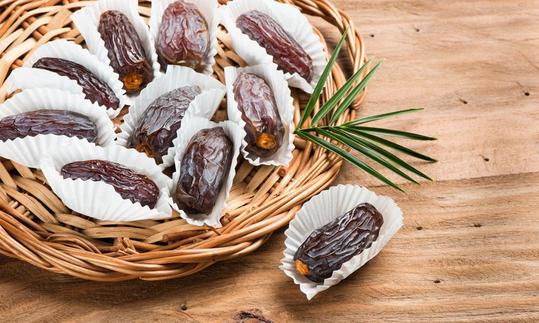
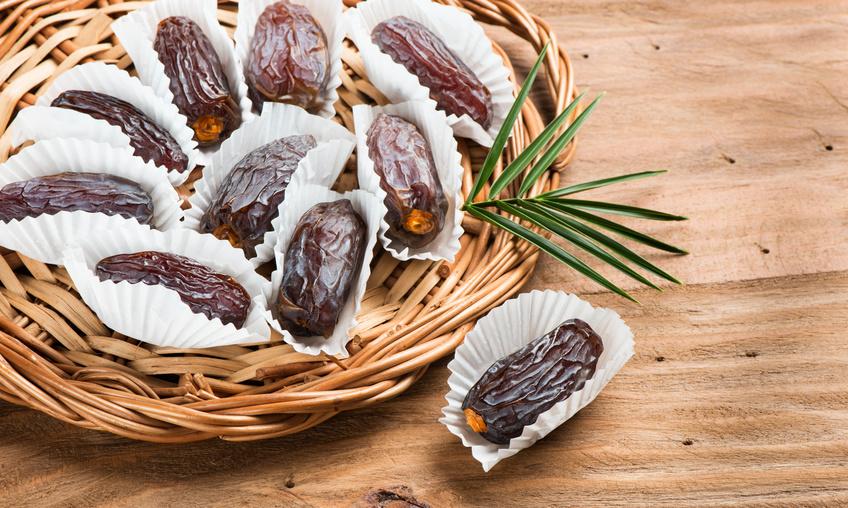
Medjool-Datteln (Phoenix dactylifera) besitzen im gereiften Zustand eine oftmals weichere Konsistenz als andere Dattelsorten und sind etwa dreimal so gross wie diese. Getrocknete Medjool-Datteln zählen zu den sehr süssen Sorten. Frische Medjool-Datteln sind roh und in Bio-Qualität erhältlich.
Verwendung in der Küche
Medjool-Datteln sind bis zu 7 cm gross, länglich-oval und haben eine tiefbraune bis bernsteinfarbene, leicht glänzende, runzelige Schale. Ein weisslicher Belag weist auf auskristallisierten Zucker hin.
Praktisch alle Datteln ausserhalb der Produktionsgebiete sind getrocknet und gelten als Trockenfrüchte. Rohkost-Qualität ist selten zu finden. Der Grossteil der Datteln durchläuft einen Erhitzungsprozess (Pasteurisation), damit sie länger haltbar sind. Oft kann man entsteinte Datteln kaufen. Medjool-Datteln zeichnen sich durch ihre Grösse, ihr festes, saftiges und dickes Fruchtfleisch aus. Die Haut von Medjool-Datteln ist dünn und fein, der Geschmack erinnert an Karamell. Sie sind weicher und süsser als beispielsweise Deglet-Nour-Datteln.
Pur sind Medjool-Datteln eine leckere Süssspeise. Die grossen Datteln eignen sich besonders gut zum Füllen mit Mandeln, Walnüssen, Pekannüssen oder Marzipan. Beliebt ist die Füllung mit Erdnussbutter oder Mandelmus oder als Karamellpralinen (Yolos). Gelegentlich erhalten die Datteln eine Glasur aus Zucker oder Schokolade. Dies ist jedoch nicht nötig, da sie selbst sehr süss sind.
Gehackte Datteln sind ein prima Topping für Müsli (Erb-Müesli), Salate oder Suppen. Mit Wasser und Zitrone gemixt entsteht ein leckerer Dattelsirup, der zum Süssen vieler Gerichte dient.
Dattelsamen finden traditionelle Anwendung in Hausmitteln. Industriell nutzt man sie zur Fütterung von Mikroorganismen, welche Zitronensäure oder Proteine herstellen. Das Öl aus Dattelsamen enthält gesättigte und ungesättigte Fettsäuren und eignet sich gut zum Kochen, Braten oder Würzen, da es sehr stabil gegen Oxidation und hohe Temperaturen ist. Zudem dient es als Ersatz für herkömmliches Maisöl in Mayonnaise.27
Es gibt vier Hauptreifestadien bei Datteln: Kimri (unreif, grün), Khalal (knackig, noch adstringierend; je nach Sorte gelb oder rot), Rutab (halbreif, deutlich weicher; Übergang von gelb zu hellbraun, teilweise zweifarbig) und Tamer (vollreif, getrocknet, sehr süss, dunkelbraun bis fast schwarz). Vor allem die letzten beiden Stadien sind wichtig für KonsumentInnen. Die Rutab-Stufe ist das Stadium vor der Endreifung – eine Zwischenphase zwischen Khalal und Tamar. In diesem Stadium zeigt die Dattel einen deutlichen Farbwechsel von Gelb zu hellbraun oder goldfarben.33 Häufig erscheint sie zweifarbig, mit gelben und braunen Bereichen. Die Schale ist aussen weich, das Innere noch leicht fest. Die Haltbarkeit ist gering, daher ist Kühlung notwendig. Der Wassergehalt ist mit 30-50 % noch sehr hoch. Der Geschmack ist mild, karamellartig und fruchtig. Sie sind nicht getrocknet, sondern physiologisch reif und beginnen zu "schmelzen". Im Tamer-Stadium sind die vollreifen, dunkelbraunen bis fast schwarzen Datteln getrocknet (natürlich am Baum oder nach der Ernte), daher halten sie lange, auch ohne Kühlung. Der Wassergehalt liegt bei 10-20 %. Ihr intensiv süsser, karamellisierter Geschmack erinnert an Honig.
Veganes Rezept für Medjool-Datteln gefüllt mit Cashew-Käse
Zubereitung: In einer Schüssel den fein geschnittenen Thymian und die Chiliflocken unter den Cashew-Käse mischen. Datteln längs aufschneiden, sodass die Hälften noch zusammenhalten und entkernen. Die Datteln mit der Cashew-Käse-Masse füllen. Dazu einen Spritzbeutel oder einen kleinen Löffel verwenden. Je eine Mandel in die Dattel drücken und servieren.
Medjool-Datteln gibt es bei den meisten Grossverteilern wie Coop, Migros, Volg, Denner, Spar, Aldi, Lidl, Rewe, Edeka, Hofer und Billa im Sortiment, teilweise auch in Bio-Qualität. Die Datteln sind zudem in Reformhäusern und Bio-Supermärkten wie Denn's Biomarkt und Alnatura erhältlich. Angeboten sind sowohl entsteinte Datteln als auch Früchte mit Stein. Achten Sie beim Kauf auf die Naturbelassenheit, wenn möglich bio und ohne Zusatzstoffe.
Die Saison der Medjool-Datteln liegt zwischen Oktober und Januar, weshalb sie besonders zur Weihnachtszeit beliebt sind. Sie sind nicht überall ganzjährig verfügbar. Wo sind frische Datteln erhältlich? Frische Datteln in hervorragender Qualität lassen sich über spezialisierte Online-Shops bestellen. Grossverteiler verkaufen grösstenteils Massenware, die länger gelagert sein kann, vor allem ausserhalb der Saison.
Sind Datteln roh? Wer auf Rohkost-Qualität achtet, sollte Datteln in Spezialläden oder im Online-Shop kaufen und sich vorher genau darüber informieren, ob das Produkt wirklich roh ist. Rohkost-Datteln sind schonend getrocknet und nicht behandelt. Diese sind nicht pasteurisiert, begast, tiefgekühlt oder mit Zucker, Öl oder Mehlstaub behandelt. Eine allfällige Schwefelung ist auf der Verpackung entweder mit dem Zusatz "E220" oder "geschwefelt" anzugeben.
Die Verfügbarkeit von Medjool-Datteln ist je nach Grösse des Ladens, Einzugsgebiet etc. unterschiedlich. Unsere erfassten Lebensmittelpreise für die D-A-CH-Länder finden Sie oben unter dem Zutatenbild - und mit Klick deren Entwicklung bei verschiedenen Anbietern.
Tipps zur Lagerung
Medjool-Datteln lassen sich bei Zimmertemperatur lagern, wenn Sie sie innerhalb von 4–6 Wochen verzehren. Mit der Zeit können sie jedoch leicht austrocknen. Um die Frische zu bewahren, lagern Sie die Datteln gut verschlossen im Kühlschrank. Auch ein Einfrieren im Gefrierfach ist möglich.
Inhaltsstoffe - Nährwerte - Kalorien
Zusammensetzung und Menge der Inhaltsstoffe, inkl. sekundäre Pflanzenstoffe, variieren extrem je nach Sorte, Wachstumsbedingungen und Verarbeitungsmethoden etc.
Medjool-Datteln (bio) liefern 277 kcal pro 100 g. Davon entfallen 75 g auf Kohlenhydrate, darunter 66 g Zucker. Damit decken 100 g Datteln 73,9 % des täglichen Zuckergehalts. Daher empfiehlt es sich, nur wenige Datteln pro Tag zu verzehren. Sie enthalten aber auch reichlich Ballaststoffe: 6,7 g/100g entsprechen 26,8 % des täglichen Bedarfs. Der Fettgehalt liegt mit 0,15 g/100g sehr niedrig, ebenso der Proteingehalt mit 1,8 g/100g.1
Datteln der Sorte Medjool enthalten reichlich Kalium. Pro 100 g liefern sie 696 mg, was 35 % des Tagesbedarfs entspricht. Bananen, die häufig als gute Kaliumquelle gelten, weisen nur 358 mg/100g auf (18 % des Tagesbedarfs). Besonders kaliumreich sind getrocknete Steinpilze mit 2000 mg/100g.1
Manganist mit 0,30 mg/100g ebenfalls vorhanden. Rosinen und getrocknete Pflaumen enthalten vergleichbare Mengen. Besonders hohe Manganwerte weisen Gewürze auf: Gewürznelken (60 mg/100g), Ingwer, gemahlen (33 mg/100g), Safran (28 mg/100g) und Kurkuma (20 mg/100g). Da Menschen nur sehr kleine Mengen an Gewürzen nutzen, tragen sie kaum zum täglichen Manganbedarf bei.1
Die gesamten Inhaltsstoffe von Medjool-Datteln, die Abdeckung des Tagesbedarfs und Vergleichswerte mit anderen Zutaten finden Sie in unseren Nährstofftabellen. Im Artikel Nährstoffe umfassend erklärt bekommen Sie einen detaillierten Einblick in das Thema.
Wirkungen auf die Gesundheit
Medjool-Datteln sind eine gute Quelle für Kohlenhydrate und Ballaststoffe. Ballaststoffe unterstützen ein gesundes Verdauungssystem14 und verringern die Blutzuckerbelastung beim Verzehr von Kohlenhydraten und stärkehaltigen Nahrungsmitteln, wodurch das Risiko für Typ-2-Diabetes sinkt.15 Ballaststoffreiche Lebensmittel tragen zudem zu einem längeren Sättigungsgefühl bei, was beim Abnehmen unterstützen kann.16
Datteln sind reich an Glukose und Fruktose. In Dattelfrüchten nachgewiesene Beta-Glucan-Polysaccharide, die auch in Hafer vorkommen, zeigen antitumorale, immunmodulierende, entzündungshemmende und cholesterinsenkende Eigenschaften.3
Der Proteingehalt von Datteln ist insgesamt eher niedrig, um als wesentliche Quelle zu gelten, dennoch sind essenzielle Aminosäuren wie Phenylalanin, Leucin und Threonin enthalten.11,29
Ansonsten liefern Datteln Mineralstoffe wie Kalium, Calcium, Magnesium, Mangan, Zink und Eisen. Kalium kann helfen, den Blutdruck zu regulieren und dadurchdie kardiovaskuläre Gesundheit unterstützen. Calcium, Magnesium und Eisen sind wichtig für die Erhaltung der Knochendichte und -stärke und den Energiehaushalt.11,29
Viele gesundheitliche Wirkungen von Medjool-Datteln kann man auf die enthaltenen sekundären Pflanzenstoffe zurückführen. Unser Artikel über sekundäre Pflanzenstoffe bietet einen Überblick über die Klassifizierung der Stoffgruppen, das Vorkommen in Lebensmitteln und mögliche Wirkungen auf den Menschen.
Datteln enthalten reichlich Polyphenole, deren Gehalt von der Sorte und dem Reifestadium abhängt und während der Fruchtreife deutlich abnimmt. Im Nahen Osten und in arabischen Ländern zählen Datteln zu den Grundnahrungsmitteln und besitzen antioxidative, immunstimulierende sowie leber- und nierenschützende Wirkungen. Eine Studie beschreibt eine drei bis viermal höhere antioxidative Effizienz des Dattelfruchtfleisches im Vergleich zu Honigproben.3
Flavonoide und Phenolsäuren tragen wesentlich zur antioxidativen Aktivität von Datteln bei.3,11 Während der Reifung und Bräunung entstehen in Datteln höhere Gehalte an freier Ferula- und p-Cumarsäure, während Hydroxyzimtsäuren in den meisten anderen Früchten überwiegend gebunden vorliegen. Kaffeesäure macht rund 75 % der Hydroxyzimtsäuren aus, ähnlich wie in Äpfeln, Tomaten oder Pflaumen. Hydroxybenzoesäuren sind in Datteln und den meisten Früchten nur in geringen Mengen vorhanden, Ausnahmen bilden Brombeeren sowie Früchte der Rosengewächse (Äpfel, Birnen, Quitten, Aprikosen). Diese Verbindungen tragen wesentlich zur sensorischen Qualität der Früchte bei.11
Die wichtigsten Carotinoide in gelben Dattelsorten, wie Deglet-Nour-Datteln, sind Carotine und Carotenol-Fettsäuren während rot gefärbte Datteln, wie Medjool v.a. Lycopin, Neurosporen und Carotine enthalten. β-Carotin und α-Carotin sind Pro-Vitamin-A-Carotinoide, die wichtig für das Immunsystem, die Sehkraft, die Zellkommunikation und die Fortpflanzung sind.11
Untersuchungen an Medjool-Datteln aus dem Jordantal legen nahe, dass ethanolfreie Dattel-Extrakte angstlösende Effekte bei Mäusen zeigen können.3
Eine Studie zeigt, dass der Konsum von 132 g Dattelhonigsirup bei Erstgebärenden die aktive Geburtsphase signifikant verkürzt im Vergleich zu Placebo oder Standardversorgung. Datteln liefern schnell verfügbare Energie in Form von Glukose, stabilisieren den Elektrolythaushalt und verhindern Erschöpfung. In den letzten Schwangerschaftswochen fördern sie die Wehentätigkeit, stärken die Gebärmuttermuskulatur und verbessern die Reaktion auf Oxytocin. Serotonin, Tannine, Calcium und Fettsäuren unterstützen die Kontraktionen der glatten Muskulatur und die Prostaglandinproduktion während der Geburt. Insgesamt beschleunigen Datteln den Geburtsprozess, erhöhen die antioxidative Kapazität und Schmerztoleranz und können den Bedarf an medizinischer Geburtseinleitung reduzieren. Weitere Studien sind jedoch nötig, um die positive Wirkung auf den Geburtsprozess besser zu verstehen.30,31
Mehrere Studien zeigen, dass Extrakte aus Dattelfruchtfleisch und Dattelsirup antibakteriell wirken, vorrangig gegen grampositive Bakterien, darunterStreptococcus pyogenes, Staphylococcus aureus und Enterococcus faecalis, während gramnegative Bakterien wie E. coli widerstandsfähiger reagieren. Daher findet Dattelsirup Anwendung bei Erkältungen, Halsschmerzen und Husten.3,11,17
Labor- und Tiermodelle bestätigen die Wirksamkeit von Datteln bei entzündlichen Prozessen, u.a. bei Alzheimer, Typ-2-Diabetes und Herz-Kreislauf-Erkrankungen. Dattel-Extrakte hemmen in vitro angiogene Marker, wodurch sie krebsassoziierte Gefässneubildungen verlangsamen und Organe wie die Leber vor oxidativem Schaden schützen können.11 Experimentelle Studien deuten zudem darauf hin, dass Dattelsamenextrakte das Wachstum von Krebszellen hemmen und Apoptose (programmierter Zelltod) auslösen können, ohne normale Zellen zu schädigen. Diese Effekte zeigten sich bei Brust-, Darm-, Leber- und Prostatakrebszellen.27
Datelsamenextrakte wirken zudem antidiabetisch und entzündungshemmend. Der Polyphenolgehalt in Medjool-Dattelsamen, darunter Tannine, Flavonoide, Saponine, Anthrachinone und Cumarine, ist etwa zehnmal höher als im Fruchtfleisch und trägt zu den antioxidativen Eigenschaften bei. In den Ländern des Nahen Ostens vermarkten ProduzentInnen geröstetes und ungeröstetes Samenpulver als koffeinfreies Getränk, Lebensmittelzusatzstoff und Nahrungsergänzungsmittel.3,27
Gefahren - Unverträglichkeiten - Nebenwirkungen
Während es viele Untersuchungen zum allergischen Potenzial von Dattelpollen gibt, sind solche für die Dattelfrucht noch selten. Studien aus Saudi-Arabien zeigen, dass Dattelfrüchte allergische Reaktionen auslösen können. Dabei reagierten die Testpersonen jedoch nicht auf jede Sorte gleich.6,7
Dürfen Menschen mit Diabetes Datteln essen? Der Gesamtzuckergehalt von Datteln liegt je nach Sorte zwischen 61,7 % und 78,6 %. Der glykämische Index (GI) von Datteln variiert je nach Sorte, Reifegrad und Verarbeitungsform deutlich. Der Reifegrad beeinflusst sowohl den GI als auch die glykämische Last (GL), die angibt, wie stark eine übliche Portion den Blutzucker tatsächlich erhöht. Datteln im vollreifen Tamar-Stadium weisen in der Regel einen niedrigeren glykämischen Index auf, während der GI bei halbreifen Datteln im Rutab-Stadium häufig höher liegt.32
Forschungen legen nahe, dass ein moderater Verzehr von Datteln (2–3 Stück bzw. 60 g täglich) für Menschen mit Typ-2-Diabetes in der Regel unproblematisch ist und in manchen Fällen sogar den Nüchtern- und Postprandialblutzucker leicht senken kann. Getrocknete Datteln enthalten besonders viel Zucker und können den Blutzucker stärker ansteigen lassen. Daher ist es wichtig, den Konsum an die individuelle Blutzuckerreaktion anzupassen und bei Unsicherheiten fachkundigen Rat einzuholen. Personen mit Fruktoseintoleranz oder Fruktoseempfindlichkeit sollten Datteln meiden.28,32
Durch den Verzehr von kontaminierten Medjool-Datteln kam es 2021 in England, Wales und Australien zu Hepatitis-A-Erkrankungen.18,19
Volksmedizin - Naturheilkunde
Datteln dienen traditionell zur Linderung von Fieber, Leber- und Bauchschmerzen, Blasenentzündung, Gonorrhoe und Ödemen. Dattelsirup oder Paste finden Anwendung bei Erkältungen, Halsschmerzen und Husten.10 Darüber hinaus unterstützen Datteln die Verdauung und kommen bei Verstopfung, Nierensteinen, Magen- und Darmgeschwüren sowie nachgeburtlichen Blutungen zum Einsatz.11
In der indischen traditionellen Medizin sowie in der Volksmedizin des Nahen Ostens gelten Datteln als vielseitige Heilfrucht. Sie wirken schleimlösend, brechreizauslösend, abführend, aphrodisierend (steigern die Libido) und kommen bei Tuberkulose, Gastroenteritis, Atemwegserkrankungen, Asthma und weiteren Beschwerden zum Einsatz.13
Ökologischer Fussabdruck - Tierwohl
Der CO2-Fussabdruck von frischen Datteln aus Tunesien liegt bei 0,54 kg CO2eq/kg.26 Frische Datteln benötigen während des Transports Kühlung und haben ein höheres Gewicht - entsprechend erhöht sind auch die benötigte Energiemenge und die Menge der produzierten Emissionen. Die Hauptverursacher der im Dattelanbau aufkommenden Emissionen sind Pestizide, eingesetzter Stickstoffdünger sowie Motorenkraftstoff.20
Der Wasserfussabdruck für die Produktion von 1 kg Datteln beträgt 2277 Liter.22 Unterschiede im Wasserverbrauch bei Dattelpalmen (Grün- und Blauwasser) hängen stark von Klima, Ausrichtung des Anbaus (Export vs. Inlandsverbrauch) und agronomischen Praktiken ab. Einige Länder nutzen fast ausschliesslich Grünwasser (Regenwasser), andere setzen stark auf Blauwasser (Bewässerung), um Produktion zu ermöglichen oder zu steigern. Beispiele: Algerien (Blauwasser doppelt so hoch wie Grünwasser), Iran (2,3×), Saudi-Arabien (6,6×). Hoher Blauwasserverbrauch geht häufig mit einem starken Beitrag zum Wasserknappheits-Fussabdruck einher, wobei sich Blauwasser- und Wasserknappheits-Fussabdruck unterscheiden, da der lokale Einfluss auf Wasserknappheit variiert. Saudi-Arabien zeigt etwa einen hohen Blauwasserverbrauch bei vergleichsweise geringem Wasserstress-Fussabdruck.21
Der Export von Datteln ist eng mit dem Verbrauch von Blauwasser und der Wasserknappheit verbunden. Länder wie der Iran weisen eine geringere Effizienz auf als die Vereinigten Arabischen Emirate. Iran, Tunesien, Algerien und Libyen tragen sowohl durch Export als auch durch Inlandsverbrauch erheblich zu Wasserknappheit und Blauwasser-Fussabdruck bei. Bemerkenswert ist Frankreich, das durch den Import von Datteln, überwiegend aus Algerien und Tunesien, einen hohen Wasserknappheits-Fussabdruck erzielt.21
Eine Studie zu Datteln aus Iran ergab Pestizidrückstände und Schwermetallbelastungen deutlich über den als sicher geltenden Werten.23 Beim Einkauf empfiehlt sich daher der Kauf von biologisch angebauten Datteln.
Ausführliche Erläuterungen zu verschiedenen Nachhaltigkeitsindikatoren (wie z.B. ökologischer Fussabdruck, CO2-Fussabdruck, Wasser-Fussabdruck) lesen Sie in unserem Artikel: Was bedeutet der ökologische Fussabdruck?
Tierschutz - Artenschutz
Monokulturen, also der Anbau nur einer Pflanzenart über längere Zeit, sind weltweit verbreitet, da sie kurzfristig höhere Erträge und wirtschaftliche Vorteile bringen. BäuerInnen können sich spezialisieren, Saatgut und Maschinen effizient einsetzen, und staatliche Subventionen fördern diese Praxis zusätzlich. Doch diese Vorteile haben gravierende ökologische Nachteile. Monokulturen führen zu einem Verlust an Biodiversität, da Pflanzen- und Tierarten, insbesondere Bestäuber, stark zurückgehen. Gleichzeitig verschlechtert sich die Bodenqualität: Nährstoffgehalte und Fruchtbarkeit sinken und die Erosion steigt. Um Ertragsverluste auszugleichen, erhöhen Landwirte den Einsatz von Pestiziden und Düngemitteln, was Böden, Wasser und angrenzende Ökosysteme stark belastet. Durch die fehlende genetische Vielfalt steigt die Anfälligkeit der Pflanzen für Krankheiten und Schädlinge, wodurch ganze Ernten gefährdet sind.24
Hinzu kommen negative Auswirkungen auf das Klima, etwa höhere Treibhausgasemissionen, verstärkte Abfallproduktion und ein erhöhtes Risiko der Desertifikation. Damit droht die Monokultur nicht nur die Stabilität von Nahrungsketten zu beeinträchtigen, sondern auch wichtige Ökosystemleistungen wie Bestäubung, Bodenfruchtbarkeit und Wasserqualität zu verringern. Für langfristige Ernährungssicherheit und den Schutz der Artenvielfalt sind vielfältigere und biodiversitätsfördernde Anbausysteme notwendig.24
Weltweites Vorkommen - Anbau
Die Dattel ist eine der ältesten bekannten Obstkulturen. Seit mindestens 5000 Jahren erfolgt ihr Anbau in Nordafrika und im Nahen Osten. Aufgrund der langen Geschichte der Dattelkultur und der weiten Verbreitung und des Austauschs von Dattelsorten ist der genaue Ursprung (Genzentrum) der Dattel nicht klar. Dattelpalmen stammen wahrscheinlich aus dem alten Mesopotamien (Irak, Syrien) oder Westindien.8
Die Sorte Medjool oder Madjhool bzw. Medjoul (Arabisch: المجهول) ist die grösste Dattelsorte. Sie stammt ursprünglich aus Ostmarokko. Heute kultiviert man sie vorwiegend in den USA (ab 1927 als Madjool eingeführt), Israel (als Mjhoul), Saudi-Arabien, Südafrika, Jordanien und den palästinensischen Gebieten. Die im europäischen Raum verkauften Medjool-Datteln stammen grösstenteils aus Israel und teilweise aus den USA.4
Im internationalen Handel erfolgt keine Unterscheidung zwischen einzelnen Dattelsorten. Laut FAOSTAT lag die weltweite Dattelproduktion im Jahr 2021 bei rund 9,66 Millionen Tonnen. Zu den wichtigsten Anbauländern zählten Ägypten (1,75 Mio. Tonnen), Saudi-Arabien (1,57 Mio. Tonnen) und Iran (1,30 Mio. Tonnen).2
Wild zu finden
Die heutige Dattelpalme (Phoenix dactylifera) steht seit Jahrtausenden unter menschlicher Nutzung und Züchtung. Wahre "wilde" Dattelpalmen gibt es heute kaum noch, einige wachsen nur noch in Oasen oder verlassenen Gärten. Diese spontanen Palmen ähneln den kultivierten Pflanzen, können sich mit ihnen kreuzen und fruchtbare Nachkommen erzeugen. Wilde Datteln haben kleinere, kaum essbare Früchte und vermehren sich meist sexuell, während kultivierte Palmen sich überwiegend vegetativ vermehren. Es ist oft schwer zu erkennen, ob eine Palme wirklich wild ist oder von kultivierten Pflanzen abstammt. Die ursprünglichen wilden Formen stammen vermutlich aus den warmen, trockenen Regionen des Nahen Ostens.25
Anbau - Ernte
Die Dattelpalme kann eine Wuchshöhe von 15 bis 25 m erreichen. Die Dattelpalme ist zweihäusig, d.h. es treten pro Individuum nur weibliche oder männliche Blütenstände auf. Eine Dattelplantage hat eine durchschnittliche wirtschaftliche Lebensdauer von 40 bis 50 Jahren, jedoch sind einige Dattelpalmen 150 Jahre produktiv. Je nach Vermehrungsmethode benötigt die junge Dattelpalme 3 bis 8 Jahre, bis sie die ersten Früchte trägt.8
Wie wachsen Datteln? Dattelpalmen sind diploid (zweihäusig), das bedeutet, jedes Individuum trägt entweder weibliche oder männliche Blütenstände. Früchte entstehen nur aus bestäubten, weiblichen Blütenständen. Im kommerziellen Anbau setzt man nur wenige männliche Palmen ein, um deren Pollen zu sammeln und für die künstliche Bestäubung der weiblichen Dattelpalmen zu nutzen. In Nordafrika und im Nahen Osten praktizieren Menschen die künstliche Bestäubung seit Tausenden von Jahren. Diese Praxis spart zudem viel wertvolles Wasser.5,8 Pflegemassnahmen und Bestäubung bei Palmen sowie Ernte der Früchte erfolgen meist in grosser Höhe. Teilweise dünnt man die Fruchtstände aus, um die Qualität der Früchte zu erhöhen. Obwohl das Klettern auf die Bäume für den Zugang zur Krone immer noch zu finden ist, ist der Einsatz mechanischer Aufzüge in fortgeschritteneren oder industrialisierten Produktionsgebieten wie den Vereinigten Staaten üblich. Die Dattelernte erfolgt immer noch von Hand, da spezialisierte Erntemaschinen fehlen.8
Die Region Jericho in Palästina bietet besondere Vorteile für den Anbau von Medjool-Datteln, da ihre Lage unter dem Meeresspiegel zu einer höheren Sauerstoffverfügbarkeit führt, was die Atmung der Palmen fördert und zum intensiven Geschmack sowie zur charakteristischen Farbe der Früchte beiträgt. Zudem schafft das Klima der Region mit Temperaturen von etwa 12 °C im März bis zu 50 °C zwischen Juli und Oktober ideale Bedingungen für die Produktion von Medjool-Datteln, die besonders gut in heissen und trockenen Umgebungen gedeihen.3
Industrielle Herstellung
Nach der Ernte sortieren die Arbeiter beschädigte Früchte aus. Anschliessend folgen das Waschen der Datteln und das Trocknen mit Heissluft. Zum Entsteinen schneiden sie den Stielansatz ab und stechen den Samen mit einer breiten Nadel durch das Fruchtfleisch. In der industriellen Produktion erfolgt häufig eine Begasung oder Sterilisation, meist mit Methylbromidgas oder zunehmend durch Bestrahlung mit Gammastrahlen.12
Hydration oder Dehydratisierung steigert die Fruchtqualität. Der Feuchtigkeitsgehalt muss unter 20 % liegen, damit die Datteln ohne Kühlung lagerfähig bleiben. Dafür erhitzt man die Früchte auf 60-70 °C. Teilweise behandeln die Produzenten die Oberfläche mit Stärke oder Öl, um die Textur zu verbessern. Nach der Pasteurisierung bei 66 °C für 30 Minuten kontrolliert das Personal die Datteln und verpackt sie für den Versand, der meist unter gekühlten Bedingungen erfolgt.9,12
Weiterführende Informationen
Die Echte Dattelpalme (Phoenix dactylifera) ist eine Pflanzenart der Gattung Dattelpalmen (Phoenix) in der Familie der Palmengewächse (Arecaceae). Datteln gelten wegen ihres hohen Ballaststoffgehaltes als "Brot der Wüste" und sind in den Anbaugebieten ein wichtiges Nahrungsmittel. Es gibt etwa 400 Dattelsorten, davon über 100 Sorten arabische Datteln.7 Bekannte Dattelsorten sind: Medjool, Deglet Nour, Khidri Datteln, Ajwa, Yahidi, Hallawi und Mazafati Datteln.
Alternative Namen
Medjool-Datteln tragen häufig die Bezeichnung "König der Datteln", da sie weltweit verbreitet sind und zu den weichen Sorten gehören, im Gegensatz zu halbgetrockneten und trockenen Typen.3 Der englische Name für Medjool-Datteln lautet Medjool dates oder Madjhool bzw. Madjool dates.
Sonstige Anwendungen
Dattelsamen haben vielfältige industrielle Anwendungsmöglichkeiten. Dattelsamenöl findet Anwendung in Körpercremes, Seifen, Haarpflegeprodukten und Sonnenschutzmitteln. Dank seiner antioxidativen Eigenschaften schützt Dattelsamenöl die Haut vor schädlicher UV-B- und UV-A-Strahlung sowie freien Radikalen. Phytohormone im Öl wirken Anti-Aging, reduzieren Falten und verbessern die Hautelastizität. Es enthält ausserdem Vitamine, Carotine und andere Nährstoffe, die die Kopfhaut gesund halten, normales Haarwachstum fördern und die Nährstoffversorgung der Haarfollikel unterstützen.27
Ebenso eignet sich Dattelsamenöl aufgrund seines niedrigen Gehalts an freien Fettsäuren als Biodiesel. Die Nutzung von Dattelsamen als Rohstoff bietet wirtschaftliches Potenzial für zukünftige industrielle Anwendungen.27
FAOSTAT Food and Agriculture Organization of the United Nations. Dates. 2021.
3.
*
Preprint - nicht peer-reviewed, Laboranalyse
"Table 2. HPLC/DAD quali-quantitative analysis of single compounds and polyphenolic classes in ethylacetate fractions of Medjool date fruit pulps. Analyses were carried out in triplicate and data are average values ±SD expressed as mg/Kg."
Medjool dates are often referred to as the “King of Dates” due to their widespread global availability and their classification as a soft variety, in contrast to semi-dry and dry types.
The total polyphenol content is influenced by the cultivar and ripeness stage, showing a marked decline as the fruit matures [4]. Recent investigations into the antioxidant profile of Palestinian Medjool dates employed HPLC-DAD-ESI/MS analysis for tentative identification, revealing over fifty compounds, predominantly phenolics such as flavonoids and phenolic acids. These compounds were detected across different date parts, including fruit pulp and skin, fronds, clusters, and pollen.
In the Middle East and Arabian countries, date fruits represent a staple crop with multiple biological functions, largely attributed to their phenolic compounds. These include hepatoprotective and nephroprotective activities, as well as a high capacity for scavenging free radicals, thereby stimulating the immune system.
Date palm fruits are highly valued for their nutritional and therapeutic properties, exhibiting significant antioxidant, antibacterial, antifungal, and anti-proliferative activities [6]. Moreover, β-glucan extracted from date fruits demonstrates promising potential in combating tumors, modulating immune responses, managing diabetes, reducing inflammation, and lowering cholesterol levels, while also promoting the growth of beneficial gut microbiota [7]. Flavonoids, such as catechin and rutin, have been identified as key contributors to the antioxidant activity of dates [8,9]. Indeed, a recent study on Medjool dates from the Jordan Valley [10] proposed that supplementation with ethanolic date extracts may reduce anxiety-like behaviors in mice.
It is also noteworthy that date seeds represent a promising source of antioxidants in the diet. In Middle Eastern countries, roasted and unroasted seed powders are commercially marketed as caffeine-free beverages.
A recent review has emphasized the diverse chemical composition of date seeds, which are increasingly regarded as valuable ingredients for applications in food formulations, cosmetics, and medicinal supplements.
In Indian traditional medicine, Ayurveda, and Middle Eastern folk-lore, DF is considered to have several medicinal properties. Dates have been considered to be a general tonic in Ayurveda (Puri, 2003). DF is a demulcent, expectorant, nutrient, emetic, laxative, aphrodisiac and prescribed for tuberculosis, gastroenteritis, coughs, respiratory diseases, asthma, etc.
The climatic conditions, together with the orientation of the cultivation (e.g., export-oriented or for domestic consumption) and the related agronomic practices, explain the remarkable differences between land, green water, and blue water footprint displacement (Figure 4 and Figure 5a). These practices might involve extensive irrigation. Some countries only (or almost only) rely on green water exploitation for date palm cultivation, whereas other countries exploit much higher volumes of blue water than green water for palm cultivation in order to boost or even just allow production (Figure 5). This is the case for Algeria, where the blue water requirement value is twice as high as the green water one. It is also the case for Iran, whose blue water requirement is 2.3-fold the green water one. Even more relevant is the case for Saudi Arabia, where the blue water requirement is 6.6 times greater than the green water one. Following the previous example, the 41 ktonnes of dates exported by ARE to India correspond to 30 Mm3 of blue water, while the same amount of dates exported by Iran to India consumes about 55 Mm3 of blue water due to a much lower blue water efficiency of Iran compared to ARE. Accordingly, a few major countries account for most of the overall blue water footprint (Figure 5a). Those ones are also responsible for a remarkable part of the water scarcity footprint (Figure 5b), which depends on the actual impact deriving from the exploitation of freshwater in the date palm plantation areas. Significant differences between blue water and water scarcity footprints (Figure 5a,b) may emerge. For example, Saudi Arabia in this case accounted for much less of the overall water stress footprint compared to the top countries in terms of blue water. The reason is that Saudi Arabia’s CF is just 14% compared to Algeria’s CF or just 17% compared to Iran’s CF. In addition, Iran and Tunisia account for major flows of water scarcity embedded in the dates they exported (Figure 5b). Considering the previous example, 342 Mm3 world equivalent of water was linked to dates exported to India from ARE. At the same time, a similar amount of dates exported by Iran to India was linked to 3.4 Gm3 world equivalent of water. This difference is due to Iran’s date production having a worse water scarcity characterization factor compared to India’s one. Furthermore, it is remarkable that France appears among the countries with the highest water scarcity from dates consumption, which are mostly imported from Algeria and Tunisia.
The majority of metals except for Pb and Cd did not meet the safety limits concerning maximum allowable levels (MAL) in the Mazafati date cultivar. Estimated daily intake (EDI) of metals through date consumption (g/person/day) for all metals was above the tolerable daily intake in all studied locations.
In forest research, Monocultures have been well documented and considered as a dominated practice, but in the face of resource scarcity and enhancing change in climate, there is more interest in growing plantation systems of mixed-species (Spiecker et al., 2004, Zeller et al., 2017, Coll et al., 2018, Liu et al., 2018). However, agricultural subsidies of Government mostly shows favor towards mono-cropping. Monoculture farming allows the farmer to have specialization and develop his skills in a particular type of crop, that further means that he can do investments in tools and machinery specifically designed for this crop accomplished by high-yield seeds which at harvest will generate a large crop volume. Moreover, the monoculture practice became most significant when it was found that pesticides and mineral fertilizers could be used as a crop rotation substitute (Crookston et al., 1991, Bullock, 1992). Some large agricultural companies were engaged in planting only one crop with one strain and thereby promote mono cropping, which in turn found to be harmful for the crop and for diversity. Moreover, pesticides and mineral fertilizers, generally partly undergo compensation for the depression of yield related with monoculture (Aref and Wander, 1998). Cultivation of a single species, reduce genetic diversity and also decreases the fertility of topsoil. It enhance the plants susceptibility to diseases because one single pathogen has the capacity for the destruction of the whole crop. It was observed that intensive monoculture farming systems causes greater production of waste and emissions of greenhouse gas. As the plant will deprive the nutrients requirement of the soil, it ultimately leads to depletion of soil. This forces more use of fertilizers by farmers, which causes disturbance in the soil natural balance and contribute towards environmental issues, from contamination and pollution to desertification (K.K. Agrawal). Moreover, the agricultural systems that enhance the dependence on biodiversity can decrease risks of changing climate challenges and must be regarded as necessary to meet the challenges of change in climate mitigation (Bowles et al., 2020). Taking this into consideration in the present chapter, we will discuss the role of monoculture farming along with its advantages and disadvantages to the farmers in obtaining food security.
4.1. The Wild Species This long history of exploitation of and selection pressure on date palm may have resulted in the disappearance of "wild" P. dactylifera. There may be a few apparently "wild" groves still growing around oases, springs, or seepage areas, but most of the trees that currently exist are the end result of human or natural selection over thousands of years. This includes trees which have are not currently cultivated, and may appear to be growing wild in oases and abandoned gardens. Cultivated date palm is closely related to a variable aggregate of wild and feral palms distributed over southern, warm, and dry Middle Eastern as well as the north-eastern Saharan and north Arabian deserts. These spontaneous dates show close morphological similarities and parallel climatic requirements with cultivated date palms. In addition, they hybridize with the cultivated species, produce fertile offspring, and are interconnected with them by occasional hybridization. Botanists place these wild dates with P. dactylifera L. The wild forms produce basal suckers just as the cultivated species, but differ from them by their smaller fruits which contain relatively little edible pulp and are non-palatable or even indigestible. Wild and cultivated date palms also differ in their mode of reproduction. Sexual reproduction is the rule in the wild species while cultivation resulted in a shift to vegetative propagation. This has led to the fixation of desired highly heterozygous female clones. Phoenix dactylifera was well suited for the shift from sexual to vegetative propagation since it produces easily transferable suckers. It is often difficult to decide whether non-cultivated material is genuinely wild or whether it represents weedy forms or secondary seedlings derived from cultivated clones. Also, it may be impossible to delimit the pre-agriculture distribution of the wild date palm; however, there is strong evidence suggesting that the wild dactylifera forms are indigenous to the warm and dry parts of the Middle East. Although 19 species of Phoenix have been named, most taxonomic treatments of Phoenix considered 12 of these species as taxonomically valid. There is a general agreement that P. acaulis, P. canariensis, P. dactylifera, P. paludosa, P. reclinata, P. rupicola, and P. sylvestris are widely accepted as species.
Owing to its versatile antioxidant activities, date seeds can protect human skin against UV-B and UV-A radiation which can damage the skin [4]. Bioactive constituents such as flavonoids, phenolics, and phenolic acids inhibit free radicals production that causes cellular damage to the skin [17]. Lecheb and colleagues (2015) proposed a cosmetic cream using aqueous extract and oil from date seeds [46]. The spreadability, viscosity, and rheological behavior of the formulated cream were similar to those of the commercial cosmetic cream. Phytohormones in date seed oil possess anti-aging properties, reducing wrinkles and improving skin elasticity [47]. In recent years, date seed oil has been used to formulate body creams, soaps, hair products, and sunscreens for daily usage. The date seed oil contains vitamins, carotenes, and other nutrients that help maintain a healthy scalp, promote normal hair growth, and support the nutritional functions of hair follicles [20].
Moreover, date seed oil can be used as biodiesel owing to its low content of free fatty acids [4]. Using date seeds as a feedstock would bring enormous economic benefits and potential for future industrial operations.
DSP has been used in traditional remedies and for synthesizing citric acid and protein by Candida lipolytica, Aspergillus oryzae, and Candida utilis [19]. The date seed oil contains saturated and unsaturated fatty acids such as lauric and oleic acid [4]. Mrabet and colleagues (2020) reported the benefits of date seed oils for cooking, frying, or seasoning as a result of its excellent stability against oxidative rancidity and high temperature. Date seed oils were also used to replace conventional corn oil for mayonnaise production.
University of Virginia School of Medicine. Low Fructose Diet. 2023.
29.
*
Laborstudie zu den Qualitätskriterien in wissenschaftlichem Journal
The quality characteristics (physical, techno-functional, and chemical) of date fruits (at the tamar stage) of two cultivars (“Confitera”, autochthonous and unknown vs. “Medjoul”, widely distributed and well-known), grown in the Southeast of Spain (Elche palm grove) were evaluated in order to reinforce decisions aimed at organizing the production of fresh dates from Elche by selecting the most profitable cultivar. Morphologically, Confitera dates were longer and with higher pulp yield than Medjoul dates (4.58 cm vs. 3.88 cm, and 84% vs. 78%, respectively) (p < 0.05). Nutritionally, both dates are a good source of carbohydrates (total sugars (43–48%) and dietary fiber (20–22%)), with small amounts of fat and proteins. The main free sugars in dates from both cultivars were glucose and fructose (reducing sugars). The most abundant mineral found in both date fruits were K, followed by Ca or Mg (depending on the cultivar; Ca in Medjoul and Mg in Confitera). Confitera dates showed a higher total antioxidant activity than Medjoul, corresponding with their higher (p < 0.05) content in polyphenolic compounds, mainly flavonoids (catechin and epicatechin predominantly). Confitera dates should be promoted in this region not only for their contribution to sustainable agricultural development and biodiversity, but also for their higher overall quality.
Muñoz-Bas C, Muñoz-Tebar N, Candela-Salvador L, Pérez-Alvarez JA, Lorenzo JM, Viuda-Martos M, u. a. Quality characteristics of fresh date palm fruits of “medjoul” and “confitera” cv. From the southeast of spain (Elche palm grove). Foods. Juli 2023;12(14):2659.
30.
*
Randomisierte kontrollierte klinische Studie (RCT)
Outline
Images
Download
Cite
Share
Favorites
Permissions
Original Article
Effect of Dates in Late Pregnancy on the Duration of Labor in Nulliparous Women
Long-term delivery is an important significant issue which is associated with mortality and fetal and maternal disorders. Based on the previous studies, consumption of dates affects uterine contractions and duration of delivery processes. This study aimed to study the effect of date consumption in late pregnancy on the duration of delivery processes in nulliparous women in 2013.
Materials and Methods:
This randomized clinical trial was conducted among 182 nulliparous women 18–35 years who presented to OmAlBanin Hospital in Mashhad in 2013. The comparison has been made between 91 pregnant women who consumed 70–76 g dates daily from the 37th week of pregnancy and 91 pregnant women who did not consume dates. Data collection tool was a questionnaire and a checklist of daily dates’ intake. Data were analyzed using the Statistical Package for the Social Sciences software and statistical tests – chi-square and Mann–Whitney test, and P value <0.05 was considered significant.
Results:
The average length of active phase (P = 0.0001), length of second phase (P = 0.0001), and third phase (P = 0.004) in two groups had statistically significant difference. The average length of the second phase (P = 0.03) and the third phase (P = 0.02) in case of spontaneous start of delivery in the intervention group was significantly lower than the control group. Use of oxytocin to accelerate delivery had a significant difference between the two groups (P < 0.001).
Conclusion:
According to the results of this study, consuming dates in late pregnancy was effective in decreasing length of labor processes and reduced the need of oxytocin for labor acceleration. Thus, it is recommended to consume dates in women without contraindications.
Introduction
Long labor is an important and significant issue, especially in developing countries as it is associated with mortality as well as fetal and maternal disorders.[1] Prevalence of long labor is 2.6–2.17%, which is the cause of 8% maternal deaths in developing countries.[2] Sixty percent of primary cesarean in the United States is attributed to the unnatural development of laboring.[3] Ineffective contractions of uterine are among the most common causes for unnatural development of laboring and consequently a prolonged labor, which leads to increase in level of cesarean and induction of labor.[1] Lack of adequate uterine contractions are influenced by different physical and mental factors. Today, scientists focus on mother's physical and mental needs including the need for energy.[4] In late pregnancy, as the level of prolactin increases, pregnant women feel the need of more nutrients. This energy is stored in the body and can be used at the time of delivery.[5]
The amount of energy needed for labor can be compared with that of aerobic exercises; it is estimated to be between 50 and 100 kcal per hour.[45] Because smooth muscles need energy 20–400 times more than skeletal muscles, the best materials for supplying energy are fat acids, which provide muscles with more energy than glucose; therefore, storing fats is very integral in late pregnancy.[5] Dates are among those energizers which have lots of carbohydrates most of them include fructose, glucose, and sucrose.[6] Chemical composites found in dates differ depending on weather conditions, planting area, age of tree, and process of fruit growth. The mineral content differs in various types of dates; however, 15 different types of minerals have been determined in it, including potassium, calcium, chlorine, zinc, phosphorus, iron, magnesium, and sodium, together[7] with saturated and unsaturated fatty acids such as oleic, linoleic, and linoleic acids.[8] Fatty acids play an important part in making prostaglandins apart from supplying and providing energy.[5]
Increase in the level of prostaglandins in pregnant women causes uterine contractions during the term.[9] Therefore, dates can be helpful in storing energy and strengthen uterine muscles.[10] Dates play a part in prevention of postpartum hemorrhage,[6] spontaneous labor, and speeding up the delivery progress.[489] According to studies of Kordi et al. and Yusefi et al., consuming dates in late pregnancy had a role in spontaneous labor.[1112] Results of the study performed by Alkuran et al. showed that length of the latent phase of the first stage of labor was shorter in the group consuming dates, and average cervical dilation at the time of admission was significantly higher than that in the group consuming dates.[10] Dates affect oxytocin receptors and make uterine muscles respond better to oxytocin, resulting in more effective uterine contractions.[101314] Oxytocin receptor concentration increases 200–300 times during pregnancy, especially in late pregnancy. This increase in concentration results in increase in myometrium sensitivity to oxytocin.[25] Stimulating oxytocin receptors in central nervous system decreases anxiety followed by the initiation, progression, and acceleration of the delivery. Because of few studies conducting regarding the effect of consuming dates on the duration of delivery,[15] the researcher decided to study the effect of consuming dates in late pregnancy on the duration of labor stages in nulliparous women in 2013.
Materials and Methods
This randomized clinical trial (registered in the IRCT with the code of 201304072956N4) was conducted among 182 nulliparous women aged 18–35 years who went to OmAlBanin Hospital in Mashhad in 2013. Entry criteria to the study included mothers aged 18–35 years who were in their 37–38th week of pregnancy (based on the first day of the last menstruation or sonography of the first 3 months of pregnancy), singleton pregnancy with cephalic presentation, and having no medical and midwifery problems in 26–30 weeks of pregnancy. Obstetric complications, women who had elective or emergency cesarean due to fetal distress, and those who consumed dates less than 2 weeks in the intervention group were excluded from the study. Eleven individuals in the intervention and 17 individuals in the control group were excluded from the study. First, a preliminary study was carried out among 30 individuals to determine sample size. Then, sample size was measured using the formula of comparing averages with that of thr length of the first stage of labor. Considering α = 0.01 and β = 0.1 and 95% confidence coefficient, (
) 83 individuals in each group accounting for 10% sample attrition, 91 individuals were calculated in each group. At first, 210 individuals were entered into the study, among which 28 were excluded from the study for not meeting the inclusion criteria. Finally, the study was conducted among 182 individuals. The participants were categorized in one of the two groups of dates’ consumption and lack of dates’ consumption in a manner that days of the week were numbered 1–6 from Saturday to Thursday and 1, 2, 3 numbers were written on one side and 4, 5, 6 were written on the other side of the paper placed in a draw bag. Then, the first paper selected was named intervention and the second one named control group in such a manner that 3 days of the week (Saturday, Sunday, and Monday) were given to the dates’ group and the other 3 days (Tuesday, Wednesday, and Thursday) were given to the control group and this order was maintained till the end of the study. The mothers were required to go to the midwifery clinic on the specified day. Therefore, 91 individuals were put in the intervention and 91 were put in the control group. Data collection tool was a questionnaire (personal information, pregnancy, follow-up form- information about labor, and its development) and a checklist of daily dates’ intake. Validity of the questionnaire, follow-up form, and checklist of the daily intake of dates were determined by the content validity method. These tools were provided in the form of preliminary questionnaires studying the most updated books and articles in the field of study and delivered to 10 faculty members of Mashhad University of Medical Sciences; the final tools were developed after reviewing and applying necessary suggestions and corrections. Reliability of personal and obstetric and follow-up forms was confirmed through evaluation agreement with coefficient correlation equal to 0.90. The intervention group was given 7 packs of 70–75 g (6–7) dates in the 37th week of pregnancy. The mothers were required to carry on consuming one pack (70–75 g) every day on the three so-called days. The dates used in this study were Mazafati dates of Bam whose nutritional ingredients were specified by the experiment before the start of the study. According to the results, there was 160 kcal energy in 100 g of this type of date, consisting of approximately 70% of carbohydrates, 3.5% protein, and 0.1% fat. Moreover, the amount of dates was determined according the study performed by Alkuran and Khadem under the supervision of a nutritionist.
The control group was required not to consume dates during this period and routine care was given to the participants. After teaching the onset symptoms of delivery in both the groups, mothers were required to go to the hospital at the onset of labor pains by notifying the researcher. In case labor does not continue till the end of 40 weeks of pregnancy, more time was given to both the groups until 41 weeks of pregnancy if fetal heart rate tests were normal and the intervention group was required to carry on consuming dates. If the delivery did not start until 41 weeks of pregnancy, she would be taken to the maternity clinic and the researcher would go to this place to control development of the labor and fill the information regarding the labor in related questionnaires. Then, the information was decoded and analyzed using the Statistical Package for the Social Sciences (IBM SPSS Statistics) software (version 14th), and t-test, chi-square tests, and Mann–Whitney test were performed. Moreover, P = 0.05 was considered statistically significant.
Ethical consideration
The sampling was started after approval for the study was obtained by the disciplinary committee of Mashhad university with Code 910732. After reviewing the proposal by the Ethics Committee, the objectives of the study were described to the participants and written consent was given. Sampling was started with regard to the ethical codes and confidentiality of the participants’ information.
Results
The two groups were homogeneous in terms of age (P = 0.89), body mass index (P = 0.49), amount of calorie consumed at the start of the research (P = 0.89), the calorie consumed at the time of reception (0.44), and the weight of the new born at birth (P = 0.42) in such a manner that the average age in the intervention and control group was 23.51 (3.67) and 23.58 (3.73), average BMI was 27.70 (3.26) and 27.40 (2.96), average weight at the time of the birth was 3195.38 (554.80) and 3247.52 (370.30) g, respectively. Moreover, the two groups had no statistically significant difference in terms of sports activity (0.40), sexual intercourse (0.52), taking nonsteroid pain-killer drugs during pregnancy (0.11), and taking pain-killer drugs during labor (0.80).
The cervical dilatation average at the time of reception in the maternal clinic had a statistically significant difference between two groups (P < 0. 0001) in such a manner that it was 4.05 (1.63) in the intervention group and 2.54 (1.74) in the control group. The average length of active phase and the length of second and third phases in the two groups had statistically significant difference [Table 1]. The average length of the second and the third phase in case of spontaneous start of delivery in the intervention group was significantly lower than the group control; however, there was no significant difference between average length of active phase of labor in the two groups (P = 0.24). There was no significant difference between the average length of active phase and second and third stages of labor in cases of labor induction in the intervention and control groups [Table 2].
Comparison of the length of active phase and second and third stage in spontaneous and induction group by minute
Spontaneous start of labor in the intervention group was significantly more than the control group (94.50% compared to 41.30%) (P < 0.001). Using oxytocin to speed up labor in the intervention group was less than the control group (5.50% compared to 48.70%) (P < 0.001).
Discussion
General result of the study showed that consuming dates in late pregnancy was effective in the duration of nulliparous labor and shortened the length of active phase, as well as the second and the third stages of the labor compared to the control group. Moreover, average cervical dilution at the time of reception, being the most important factor to estimate development of the labor in women who consumed dates, was significantly more than the women who did not. It appears that dates helps in more effective uterine contractions by better preparation of the cervix as well as saving energy, needing less time for complete dilution of the cervix, and shortening the labor.[10] Carbohydrates are considered to be an important source of energy in the body having the highest digestibility among food groups.[16] Dates are nutritional fruits made mostly of simple sugars.[6] Most of the energy used during delivery is supplied using oxidative pathway. Maternal glucose is the most important source of energy and the physiologic need to glucose during the labor is 10 g per hour.[416] Adequate sources of energy are needed to maintain physical power of the person during labor activity, and consuming dates in late pregnancy and during labor can be helpful in supplying and saving energy.
lso, date fruit has anti-inflammatory and antioxidant properties and it is rich in calcium, serotonin, and tannin, and can play a role in contraction of smooth muscles of uterine.
Lack of preparation of cervix and induction of labor can lead to increase of caesarean section rate and postpartum hemorrhage [51,52,53]. However, increase of the bishop score and preparation of cervix, can increase normal vaginal labor rate and reduce the caesarean section rate [54]. The low dose of oxytocin causes the improvement of the bishop score and the preparation of cervix [55], thus the consumption of date fruit affects the improvement of the bishop score by increasing the activity of myometer contraction. This is a confirmation of possible hypothesis of oxytocin in date fruit and its effect on uterine muscle contraction [22, 24, 56]. Also, date fruit contains saturated and unsaturated fatty acids linoleic, oleic, and stearic. Linoleic acid breaks down to the arachidonate, and then to the eicosanoid. The eicosanoids finally convert to the prostaglandins and they improve the preparation of cervix by increasing subserosal fluid and making changes in collagen bands, and they cause the increasing of sensitivity of uterine to oxytocin.
The glycemic index of dates varies, with some studies indicating no significant impact on glycemia (98). Conversely, while Sukkari dates are rich in sugars, their consumption should be moderated, especially for individuals managing blood sugar levels, as excessive intake could lead to glycemic spikes despite their potential health benefits. The evaluation of glycemic indices (GI), glycemic load (GL), and glycemic response of various date varieties reveals significant insights into their nutritional impact, particularly for individuals managing blood glucose levels. AlGeffari et al. (100) identified that the Shaqra, Sukkary, and Sag'ai varieties exhibited low GIs, making them suitable for consumption by those concerned about glycemic control. The classification of GIs into into low (< 55), medium (56–69), or high (≥70) categories aids in understanding their potential effects on blood sugar levels. Shaqra (42.8), Sukkary (43.4), and Sag'ai (44.6) are categorized as low GI, indicating a slower glucose release into the bloodstream (100). The ripeness of dates significantly affects their GI and GL. For instance, the Tamer stage generally shows lower GIs compared to the Khalal stage (101). The GL varies across maturation stages, with the Rutab stage presenting the highest GL values (101). While the findings suggest that certain date varieties can be beneficial for glycemic control, some studies indicate that the overall impact of dates on blood glucose may not be as detrimental as previously thought. For instance, Sachdev and Misra (98) highlight that moderate consumption of dates does not significantly impair glycemic levels in individuals with type 2 diabetes. This suggests a need for further research to clarify the role of dates in diabetic diets. High consumption of date fruits can influence blood sugar levels, necessitating careful management of their intake. Dates contain a significant amount of fructose, which is sweeter than glucose and may promote satiety, potentially mitigating rapid blood sugar spikes. Research indicates that certain date varieties exhibit low glycemic indices (GI), suggesting they may be suitable for individuals with diabetes when consumed in moderation. Dates have a GI ranging from 35.5 to 74.6, depending on the variety and ripeness (95 and 97). Studies show that consumption of dates does not significantly impair glycemic control in type 2 diabetes patients, with some evidence indicating a reduction in fasting and postprandial glucose levels (102, 103). Moderate consumption of dates (2–3 servings per day) is generally recommended for diabetic patients, as they can be part of a balanced diet without significant adverse effects on blood glucose levels (99 and 100). Healthcare providers should consider the ripeness and variety of dates when advising patients, as these factors influence their glycemic response (100). Conversely, while dates can be beneficial, excessive consumption may still pose risks for blood sugar spikes, particularly in individuals with poor glycemic control. Therefore, personalized dietary advice is crucial for managing diabetes effectively. Studies show that moderate consumption of dates (60 g daily) does not significantly worsen glycemic control in type 2 diabetes patients (104). Despite their benefits, excessive date consumption can lead to increased blood sugar levels, especially in individuals with poor glycemic control (105). Individual responses to date consumption can vary, necessitating personalized dietary recommendations to mitigate risks. While dates can be a healthy addition to a diabetic diet, their high sugar content requires careful management. Individuals should consult healthcare professionals to tailor their dietary choices effectively.
As a climacteric crop, dates are rapidly transformed from Khalal to the Rutab stage, at which the texture becomes soft, the color turns to brown, and the taste changes to more sweety; additionally, the fruits become more susceptible to deterioration, and the shelf-life decreases which in turn results in a significant decline in consumer demand and market value.
Kimri reflects immature fruits with oval shape, firm texture, and green color; also, the fruits have a rapid increase in weight and size with a high moisture content and tannin concentration; it continues for 9–14 weeks based on the cultivar., climate, and location; (3) Khalal/Bisr/Bisir/Balah represents the first maturity stage at which fruits become consumable and reach its maximum size and weight with firm and crunchy texture, yellow or red color, and sweet taste as Khalal has the highest sucrose content among maturity stages (Sidhu, 2006); also, Khalal stage takes about 3–5 weeks; (4) Rutab refers to soft, light brown, and ripe date fruit; however, moisture, protein, fat, and ash contents of dates decrease while sugar content increases at this stage which can be ascribed to the conversion of starch to sugar; it lasts about 2–4 weeks; (5) Tamr/Tamar/Tamer stage represents fully ripe fruits that have a softer texture, wrinkled shape, dark brown color with highest TSS, highest sweetness, and lowest astringency; it continues for 2–4 weeks.
Wir haben Studien und Bücher zu Ernährung und Gesundheit nach folgenden 3 Evidenz-Kategorien markiert: grün=starke Beweiskraft, gelb=mittlere, violett=schwache. Die restlichen Quellen sind grau markiert. Eine ausführliche Erklärung finden Sie in unserem Beitrag: Wissenschaft oder Glaube? So prüfen Sie Publikationen.







Kommentare