

Table of contents
| We provide science-based information on health, nutrition, and sustainability — independent of sponsors, the food industry, and dietary supplement manufacturers. Find out more: our mission. |
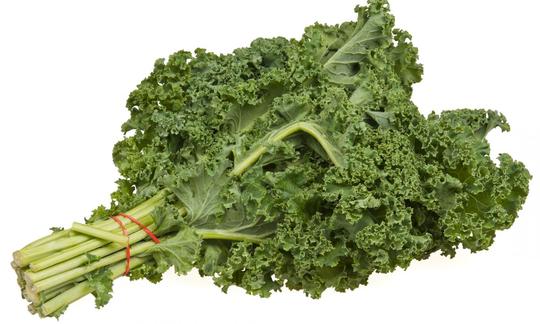
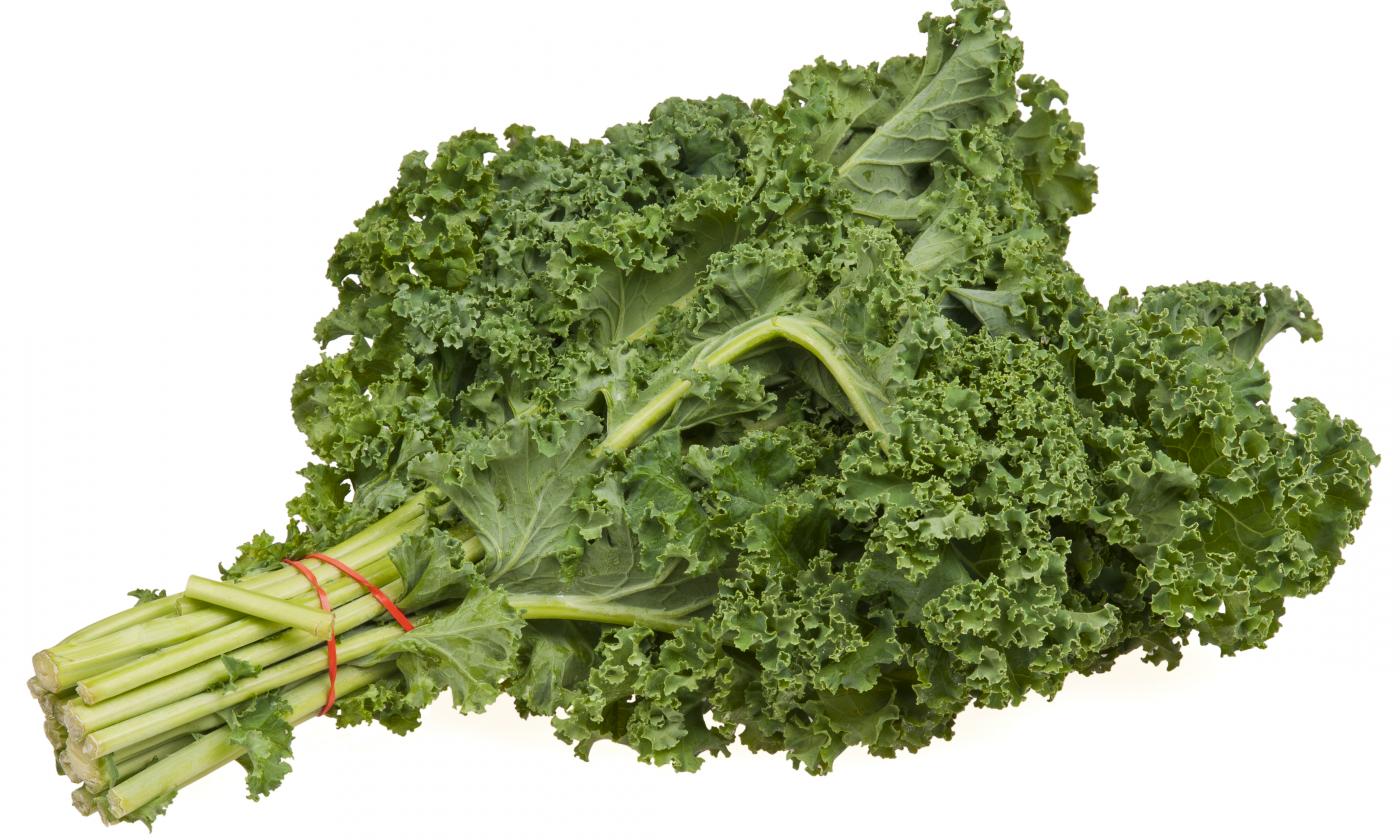
Kale ( Brassica oleracea convar. acephala var. sabellica ), also known as curly kale in Switzerland, contains a wide range of nutrients, including many vitamins, fiber, and phytochemicals. It tastes wonderful both raw and cooked – ideally organic.
Culinary Uses
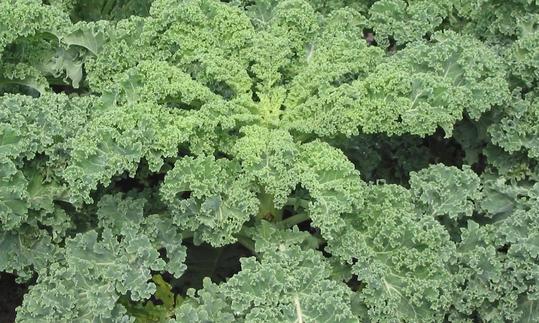
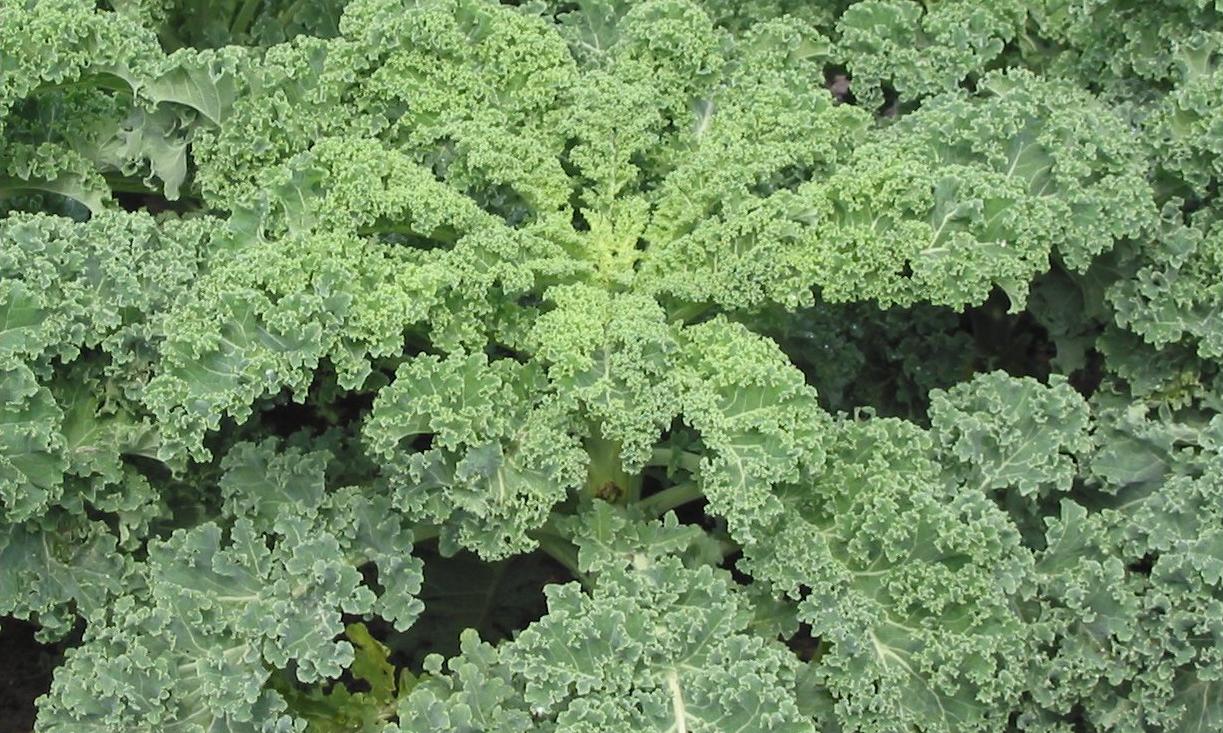
Kale is a robust winter vegetable with strongly curled, dark green leaves that grow in rosettes or palm-like forms. Its bittersweet flavor develops during the colder months. Like other cabbage varieties, kale has a subtly bitter taste. Adding sweet components, a squeeze of lemon juice, or briefly blanching it can soften this bitterness.
Kale can be eaten boiled, steamed, braised, baked, or even raw. If you choose to boil it, keep cooking times as short as possible to preserve its valuable nutrients.
Briefly sautéed and refined with a little vegan cream (e.g., oat cream) or mustard, kale can be prepared simply and deliciously. Served with potatoes and fried (smoked) tofu, it makes a hearty, vegan winter dish. Kale stews or casseroles with potatoes or pumpkin are also quick to prepare and extremely tasty. Kale soup or purée is another option. It is excellent as a filling for quiches or tarts, as a topping for risotto, or as an ingredient in a lentil curry with a little coriander.
As a healthier alternative to potato chips, so-called "kale chips"—dried kale chips baked in the oven—have become increasingly popular. You can season them to your heart's content: in addition to salt andpepper, garlic granules, paprika powder, curry, or chili powder, for example, go perfectly with this green snack. Thanks to a longer, gentle drying process (40-50 °C), you can also enjoy them in raw food quality.
Kale boiled in salt water or kale kimchi are ways to preserve it.
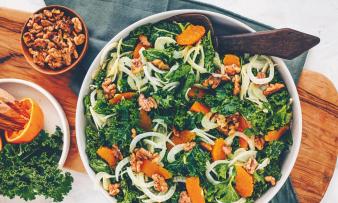
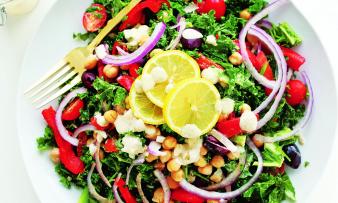
Raw kale recipes primarily consist of salads, such as those with fruits (e.g., oranges, tangerines, pomegranate seeds, cranberries, apples, grapes) and nuts (e.g., walnuts, pecans). Avocado, beets, red cabbage, fennel, and sweet potatoes also complement kale salads well. Raw kale can, of course, also be mixed with other leafy greens.
Knead the raw kale in your hands for a few minutes, or alternatively with a little rapeseed oil. This will soften the leaves and make it less tough. You can also cut the raw kale into thin strips.
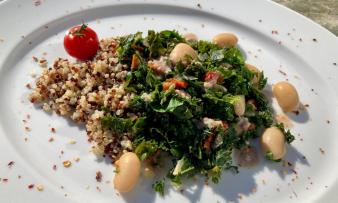
It also adds a delicious touch to bowls with millet, quinoa, or whole-grain rice when eaten raw. Pasta dishes with a raw kale and walnut pesto are something truly special. Kale can also be used raw in healthy juices and smoothies (e.g., with apples and ginger).
Vegan recipe for kale and clementine salad
Ingredients (for 4 people): 500g kale (raw, organic), 4 clementines, 2 cloves of garlic, juice of 1 to 2 oranges, 1 tsp sesame oil, 1 tsp maple syrup, 2 carrots, 1 avocado, 1 tbsp tahini, 1 tbsp rapeseed oil, some salt and pepper.
Preparation: Break off the kale leaves from the stalk, pluck the leafy greens from each leaf along the stem, rinse thoroughly, and drain in a colander. Peel and segment the clementines. Finely chop the garlic cloves. Mix the garlic, 3 tablespoons of orange juice, sesame oil, and maple syrup, and pour over the kale. Massage the kale well for about 2 minutes until it softens. Let the kale marinate for about 15 minutes. Peel the carrots and coarsely grate them. Halve the avocado, remove the pit, and cut the flesh into pieces. To prevent browning, marinate the avocado pieces in about 2 tablespoons of orange juice. For the dressing, combine about 5-6 tablespoons of orange juice, tahini, and rapeseed oil, and season with salt and pepper. Add the carrots, avocado, and clementines to the kale and gently toss to combine. Arrange the vegan kale salad, drizzle with the dressing, and serve.
Vegan recipes with kale can be found under the note: " Recipes that have the most of this ingredient ".
| This is not just for vegans or vegetarians: Vegans often eat unhealthily. Avoidable nutritional mistakes . |
Purchasing and Storing
Raw kale is available in larger supermarkets such as Coop, Migros, Denner, Volg, Spar, Aldi, Lidl, Rewe, Edeka, Hofer, Billa, etc., and in organic supermarkets (e.g., Alnatura, Denn's Biomarkt ), often in organic quality. Kale is usually sold pre-cut and packaged. In some supermarkets, it is also available frozen or pre-cooked and packaged in jars. Kale is in season from October to March in Germany, Switzerland (DA-CH). During this time, you can find it fresh and locally grown at farmers' markets.
The availability of kale varies depending on the size of the store, its catchment area, etc. If you are interested, click on our recorded food prices for the German-speaking countries (above, below the ingredient image). There you will find current prices from various supermarkets and their price trends.
Storage tips:
Raw kale is best stored in the vegetable drawer of the refrigerator. It will keep there for up to a week. If you have too much kale, you can easily freeze it. To do this, wash it, dry it thoroughly, and cut it into bite-sized pieces. Kale can also be frozen after blanching and then plunging it into ice water. Frozen kale will keep for about a year.
Ingredients - Nutritional Values - Calories
The composition and quantity of ingredients, including secondary plant compounds, vary extremely depending on the variety, growing conditions, processing methods, etc.
Raw kale is a low-calorie and low-fat food. It contains only 49 kcal and 0.93 g of fat per 100 g. It also contains 8.8 g of carbohydrates per 100 g. Compared to other vegetables, kale is rich in fiber (3.6 g/100 g) and protein (4.3 g/100 g).
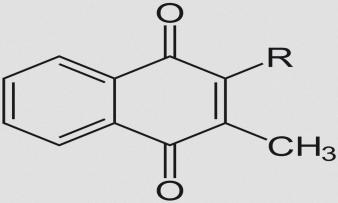
Raw kale is rich in vitamin K (705 µg/100g). Consuming 100g of this healthy vegetable covers 940% of the daily requirement for vitamin K. Swiss chard contains even more vitamin K than kale, at 830 µg/100g.1
Raw kale, with 120 mg/100g, is one of the foods richest in vitamin C (150% of the daily requirement). Broccoli (89 mg/100g) and Brussels sprouts (85 mg/100g) are also good sources of vitamin C. Among vegetables, yellow bell peppers, with 184 mg/100g, contain even more ascorbic acid than kale.1
The folate content is noteworthy at 141 µg/100g – this accounts for 71% of the daily requirement. Endive (142 µg/100g) and romaine lettuce (136 µg/100g) also provide similar amounts of this vitamin. Uncooked, but dried, herbs such as wild garlic (551 µg/100g) contain even more folate.1
The complete list of ingredients in raw kale, its coverage of daily requirements, and comparison values with other ingredients can be found in our nutrient tables below the ingredient image.
Health Benefits
Kale is rich in health-promoting vitamins, including vitamin K and vitamin C, as well as the minerals calcium, magnesium, iron, phosphorus, copper, and zinc.2,3,13
Secondary plant compounds
Many of the health benefits of kale can be attributed to its secondary plant compounds. Our article on secondary plant compounds provides an overview of the classification of these compound groups, their occurrence in foods, and their potential effects on humans.
Kale contains, among other things, the following secondary plant compounds:4,13,18
- Isoprenoids: Tetraterpenes: Carotenoids (Carotenes: α-Carotene, β-Carotene; Xanthophylls: Lutein, Violaxanthin, Neoxanthin, Zeaxanthin)
- Polyphenols: Flavonoids: Phenolic acids: Hydroxycinnamic acids (caffeic acid, ferulic acid, sinapic acid); Flavonols (quercetin, kaempferol), anthocyanins (cyanide glycosides)
- Organic sulfur-containing compounds: Mustard oil glycosides: Glucosinolates (glucobrassicin, sinigrin, glucoiberin, glucoraphanin)
Kale, along with spinach, broccoli, and rhubarb, is among the vegetables with high antioxidant capacity. In vitro, kale extract protects VLDL and LDL lipoproteins from oxidation, which may reduce the risk of cardiovascular disease. Human studies show that kale juice improves HDL and LDL cholesterol levels. Carotenoids and flavonoids, with their anti-inflammatory properties, further contribute to cardiovascular protection.3,4,18
Epidemiological studies and meta-analyses show promising effects of Brassica vegetables, particularly in tumors of the reproductive system, gastrointestinal tract, urinary system, and lungs. The anticancer properties of plant extracts can be investigated in vitro, but do not provide direct evidence of their effects in the human body. An important parameter for cancer prevention is antigenotoxicity, i.e., an extract's ability to prevent damage to genetic material that can trigger mutations and cancer. Kale extracts inhibit the cell viability of breast and cervical cancer cells . In comparative studies with 34 vegetables and eight tumor cell lines, kale shows a particularly high chemopreventive potential, similar to Brussels sprouts and white cabbage. The anticancer effects are mainly due to glucosinolates. The plant's own enzyme, myrosinase, hydrolyzes these into breakdown products such as isothiocyanates, nitriles, epithionitriles, and oxazolidinthiones. In kale, sinigrin, glucoiberin, and glucoraphanin are among the most important glucosinolates, while glucobrassicin is less prevalent compared to broccoli or Brussels sprouts.3,4,5,13
The anti-ulcer effect is explained by the stimulation of mucus production and an increase in gastric pH. Sulforaphane, derived from glucoiberin and glucoraphanin, inhibits Helicobacter pylori and can thus reduce the risk of certain stomach tumors. Bitter substances stimulate digestion and help relieve lung congestion.4
Quercetin and kaempferol are the predominant flavonoids in kale; red varieties also contain anthocyanins. Phenolic compounds, together with carotenoids and isothiocyanates, have effects against obesity, type 2 diabetes, metabolic syndrome, and atherosclerosis, among other things. Extracts from kale seeds inhibit acetylcholinesterase and may be beneficial in neurological diseases such as Alzheimer's, dementia, and Parkinson's.4,6
Despite the fact that the red pigments of the carotenoids are masked by chlorophyll, kale is, among other things, a good source of α- and β-carotene (provitamin A) and lutein. These carotenoids contribute to the maintenance of healthy eyes, skin, and bones, and also support the function of the gastrointestinal and respiratory systems.4
Kale also exhibits antimicrobial activity against Staphylococcus aureus, Enterococcus faecalis, Bacillus subtilis, and Moraxella catarrhalis.4
Dangers - Intolerances - Side effects
Like other types of cabbage, kale can cause flatulence, especially when eaten raw. To prevent this, sensitive individuals should only eat small amounts of kale and, if possible, steam it briefly before consumption.
The goitrogenic effect (enlargement of the thyroid gland) of glucosinolates found in kale is minimal.5 However, people with thyroid problems should be cautious and avoid raw kale or consume only very small amounts. A negative effect on the thyroid gland usually only occurs in cases of hypothyroidism, a diet consisting exclusively of cabbage products, and iodine deficiency.
Vitamin K, which is abundant in kale, plays an important role in blood clotting. Avoid large amounts of kale if you are taking blood-thinning or anticoagulant medication.7
Folk medicine - Natural medicine
In the traditional medicine of various cultures, kale is primarily used to treat gastrointestinal problems. In Brazil, people most often use plants from the Acephala group, including kale, to treat gastritis and especially stomach ulcers.4
Kale is also used in traditional medicine for the prevention and treatment of other diseases, such as high cholesterol, hyperglycemia, rheumatism, and liver diseases.18
Ecological Footprint - Animal Welfare
Fresh, regional kale has a relatively low CO2 footprint of 0.2 kg CO2 eq/kg, similar to that of Brussels sprouts or arugula. Kale in jars undergoes additional processing steps. Accordingly, the amount of emissions is slightly higher at 0.9 kg CO2 eq/kg.15 The amount of water required for the production of 1 kg of kale, the so-called water footprint, is approximately 280 liters.16
In organic farming, the use of synthetic fertilizers and chemical pesticides is prohibited. In conventional farming, excessive amounts of these substances are often used against certain pests (e.g., cabbage white butterfly, whitefly, cabbage root fly) and diseases (e.g., clubroot), leading to pesticide residues in vegetables. In a comparison of various conventionally grown vegetables in the EU regarding pesticide contamination, kale fared particularly poorly. It ranked third among the most contaminated vegetables, after celery and celery stalks.17 In organic farming, farmers attempt to prevent this through well-planned crop rotations, mechanical cultivation methods, and beneficial insects. Therefore, organic kale is preferable.10
In organic farming, clover is a popular preceding crop and natural fertilizer for brassicas, such as kale. The rhizobia bacteria living in symbiosis with the roots of legumes fix atmospheric nitrogen and convert it into plant-available, growth-promoting nitrogen. The subsequent kale crop thus benefits from the nitrogen and the additional organic matter.
Global Distribution - Cultivation
Kale likely originated from wild cabbage species (Brassica oleracea) that grew in marine habitats along the Atlantic coast. Early selections of cabbage varieties are thought to have taken place in the Mediterranean region, which also produced curly kale, making the Mediterranean coast a frequent candidate for its origin.4
It has always been an important ingredient in traditional dishes, especially in the Mediterranean region. Since 2010, it has become known primarily in the USA as a "superfood".4
Growing kale in your own garden
Kale is easy to grow in your own garden. Ideally, it needs nutrient-rich, well-drained soil (sandy-loamy, humus-rich) with high water retention capacity and a sunny to partially shaded location. The soil pH should be between 6 and 8, depending on the source.8,13
Those who wish to grow their own seedlings should plant the seeds in seed trays or pots filled with compost. After about six weeks, from mid-May onwards, the small plants can be transplanted into the garden bed. Plants started indoors should be planted out by mid-July at the latest. Plant them a little deeper or mound the soil around them slightly. A planting distance of about 40 to 60 cm is ideal. During the growing season, a consistent supply of water and nutrients through organic vegetable fertilizer is important.
Most varieties are ready for harvest from late November. Cool temperatures (not necessarily frost) bring out a sweet, mild flavor. When harvesting, always cut the outer kale leaves along the stem with a sharp knife. This way you can harvest fresh kale leaves until March.
Further information
on kale (Brassica oleracea convar. acephala var. sabellica) belongs to the Brassicaceae family. As a leafy cabbage, it does not form a closed head, but rather maintains an open rosette of leaves – this is a characteristic shared by all kale varieties of the "acephala group" and defines them. Depending on the variety, the elongated leaves are more or less crinkled and grow on the stem. The leaf color also varies depending on the harvest time of the variety – from light green to dark green to bluish-green. There are also reddish or red-leaved varieties of kale.
Alternative names
for kale include: brown kale, curly kale, winter kale, curly kale, cabbage, split kale, boer's kale, leaf kale, stalk kale, etc. Varieties (sometimes also varieties) with tall stalks are called Oldenburg palm, Frisian palm, Lippe palm or Lippe brown kale.
The English name for curly kale is kale, curly kale, curled kitchen kale, or Scottish kale. Leafy greens, a very close relative of curly kale, are known as collard greens.
There are different scientific names. Currently, the shortened version is Brassica oleracea var. sabellica (long: Brassica oleracea convar. acephala var. sabellica ). However, Brassica fimbriata or Brassica oleracea var. fimbriata (Miller) are also recognized names.12
Keywords for use
Outside of cooking and medicine, kale is used for biomonitoring as a bioindicator for environmental pollution. It can provide information about the presence of pollutants such as polycyclic aromatic hydrocarbons (PAHs).10
Bibliography - 15 Sources (Link to the evidence)
| 1. | ● Nährstofftabellen. Website | USDA United States Department of Agriculture. |
| 2. | ● Buch nicht zur Hand. Book: moderate evidence | Pamplona Roger JD. Heilkräfte der Nahrung. Advent-Verlag: Zürich. 2006: 186. |
| 3. | ● Habe das Buch nicht. Book: weak evidence | Healing Foods. Eat your way to a healthier life. Dorling Kindersley: London. 2013: 53. |
| 4. | * Narrativer Review in wissenschaftlichem Journal "Brassica oleracea L. ( 2n = 18) is a member of the Brassicaceae family which wild species have been found as more or less isolated populations in maritime habitats on the Atlantic coast of Spain, France and British islands. It is suggested that modern Brassica crops derived from these species and that early selection of crop varieties have occurred in Mediterranean area (Christensen et al. 2011). It was indicated that early cultivated forms of B. oleracea were not originally from Mediterranean area and that they were brought from Atlantic coast. This issues is still under reconsideration, as other opinions implicate that the origin of Brassica crops is in the Mediterranean Basin." "However, in the last couple of years, kale is in the center of popularity, and there is even an event such as the day of the kale celebrated in US." "This founding supports the fact that also in the kale, the main phytochemicals with health benefites belong to the glucosinolates, polyphenols and carotenoids groups." "Furthermore, kale seeds extract was shown as an effective acetylcholinesterase inhibitor, which implicates that may be used in therapeutic applications in neurological diseases such as in Alzheimer’s disease, senile dementia, ataxia, myasthenia gravis, and Parkinson’s disease". "Glucosinolates are sulfur-containing compounds, found in Brassica plants, primary associated with health-benefits of vegetables belonging to this group" "Therefore, kale contains glucobrassicin and sinigrin, two glucosinolates well studied and associated with health benefits." "Flavonoids quercetin and kaempferol are reported to be predominant flavonoids in kale, more exactly their mono- to tetraglycoside. Red variety of curly kale also contains anthocyanins among which cyanidinglycosides are predominant" "Dominant phenolic acids in kale varieties are those from hydroxycinnamic group (up to 92.8% of identified phenolic acids) (Ayaz et al., 2008; Lin et al., 2009; Olsen, Aaby and Borge 2009; Olsen, Aaby and Borge 2010). In the kale leaves derivatives of caffeic, ferulic and sinapinic acid (Figure 3.) were the most commonly identified phenolic acids" "Phenolic compounds are wide group of specialized metabolites associated with the health benefits. They are the best studied and extensively reviewed group of specialized metabolites attributed to the management of obesity, type 2 diabetes, metabolic syndrome, neurodegenerative diseases, atherosclerosis and cancer" "Although the color of the carotenoids is masked by chlorophyll, cruciferous vegetables are good sources of β-carotene (provitamin A) and lutein, which, together with zeaxanthin, due to the strong antioxidant activity, are considered to play a role in ocular health (Manikandan et al. 2016). Both βand α-carotenes are precursors to vitamin A, which is important for healthy skin, bone, gastrointestinal, and respiratory systems. Principal carotenoids in kale are lutein, β-carotene, violaxanthin and neoxanthin (and Rodriguez-Amaya 2005), but also the presence of 13-cis-β-carotene, α-carotene, 9-cis-β-carotene and lycopene were reported (Jeon et al., 2018)." "Kale contains compounds such as polyphenols, carotenoids, glucosinolates’ hydrolysis products, vitamin C and E that show antioxidant activity. It is widely accepted that food high in phytochemicals with antioxidant activity can help with the protection against free radicals and reactive oxygen species (ROS), and therefore in prevention from chronical diseases." "Mechanisms underlying anticancer activity have been attributed to the decomposition products of glucosinolates, which are also present in kale. So far, indole-3-carbinol (Figure 1), the hydrolysis product of glucobrassicin, has been the best studied component, which has received considerable interest as cancer chemoprotective agent." "Kale also possesses antimicrobial activity against Staphylococcus aureus, Enterococcus faecalis, Bacillus subtilis and Moraxella catarrhalis" "Presence of compounds such as polyohenols, glucosinolates, carotenoids, Vitamins E and C in food are associated with the cardiovascular protection (reviewed by Dinkova-Kostova and Kostov 2012)." "Brassica oleracea plants including acephala group have been used in traditional medicine of different culture to treat gastrointestinal problems (Šamec, Pavlović and Salopek-Sondi 2016; Šamec and Salopek-Sondi, 2018). In Brasil, plants from acephala group are known under the common name ‘couve’ and are most commonly used for the treatment of gastritis and especially gastric ulcer (Lemos et al., 2011)." DOI: 10.1080/10408398.2018.1454400 Study: weak evidence | Šamec D, Urlić B, Salopek-Sondi B. Kale (Brassica oleracea var. acephala) as a superfood: Review of the scientific evidence behind the statement. Crit Rev Food Sci Nutr. 2019;59(15):2411–2422. |
| 5. | * Narrativer Review in wissenschaftlichem Journal "Glucosinolates (GLSs) are dietary plant secondary metabolites occurring in the order Brassicales with potential health effects, in particular as anti-carcinogenic compounds. GLSs are converted into a variety of breakdown products (BPs) upon plant tissue damage and by the gut microbiota. GLS biological activity is related to BPs rather than to GLSs themselves." "The toxicity towards thyroid gland may results in goitre and is caused by progoitrin-derived ITC and isocyanates. The former can interfere with the synthesis of thyroid hormones whereas the latter may compete with iodine and inhibit its uptake by the thyroid." "Initially, GLS have been studied for their toxic and anti-nutritive properties, and goitrogenic activity. However, this trend has been completely reversed because of the demonstration that several of these compounds possess interesting health protective properties, particularly anti-cancer activities. Moreover, GLSs are intensively studied for their proposed protective effects against various chronic diseases" DOI: 10.2174/1381612823666170120160832 Study: weak evidence | Capuano E, Dekker M et al. Food as pharma? The case of glucosinolates. Curr Pharm Des. 2017;23(19):2697–2721. |
| 6. | * Laborstudie "Kale seeds were the most effective AChE inhibitor, followed by tronchuda cabbage seeds and kale leaves. With regard to P. brassicae material, excrements exhibited stronger inhibitory capacity. These results may be explained by the presence of sinapine, an analogue of acetylcholine, only in seed materials. A strong concentration-dependent antioxidant capacity against DPPH, nitric oxide, and superoxide radicals was observed for kale seeds." DOI: 10.1021/jf902661g Study: weak evidence | Ferreres F, Fernandes F et al. Metabolic and bioactivity insights into Brassica oleracea var. acephala. J Agric Food Chem. 2009;57(19):8884–8892. |
| 7. | ● "Werden unter der Therapie mit Cumarinen grössere Mengen stark Vitamin-K-haltiger Nahrungsmittel (z.B. Grünkohl) aufgenommen, kann die Wirkung von Cumarinen stark abgeschwächt werden. Der Patient muss daher informiert sein, dass er keine abrupten Diätwechsel vornehmen darf." "Cumarin-Derivate hemmen die Vitamin-K-abhängige γ-Carboxylierung der Gerinnungsfaktoren II, VII, IX, X (Merkhilfe "1972": IX, X, II, VII) sowie der antikoagulatorischen Proteine C, S und Z in der Leber. Sie haben keine Wirkung als Antikoagulantien in vitro." Website | Flexikon DocCheck com: Cumarin-Derivat. 2022. |
| 8. | ● "Für die meisten Grünkohl-Sorten ist ein Saat- oder Pflanztermin Mitte Mai bis Mitte Juni optimal. Das gilt, wenn man die Aufzucht vom Samenstadium bis zur adulten Pflanze selbst übernehmen möchte, oder falls man Jungpflanzen kaufen kann. Besser ist es jedoch oft, die Samen einige Wochen vor der geplanten Pflanzung etwa ab März bis April zunächst in Setzkisten oder Töpfen vorzuziehen. Hierzu können Sie die Samen einfach mit wenigen Zentimetern Abstand in 1 bis 2 cm Tiefe ablegen. Zur Anzucht eignen sich spezielle Aussaaterden am besten, welche durch ihre Struktur die Erde gleichmässig feucht und durchlüftet halten. Bei einer optimalen Keimtemperatur von etwa 18 °C sollten die Grünkohlsamen dann nach etwa einer halben bis ganzen Woche keimen." "Sind die Samen aufgegangen und bilden sich neben den Keimblättern die ersten normalen Laubblätter, so können die Pflanzen in einzelne Töpfe pikiert werden. Haben die Jungpflanzen neben den Keimblättern mehr als 4 Blätter voll entwickelt, dann dürfen sie nach circa 6 Wochen ins Beet. Es ist jedoch sinnvoll, die Pflanze zwei Wochen vor dem Auspflanzen bereits tagsüber ins Freie zu stellen, um sie gegen Sonneneinstrahlung und Wind abzuhärten. Kauft man Setzlinge vom Fachhändler, so werden diese zur gleichen Zeit ausgepflanzt wie selbst gezogene Pflanzen. So sollten spätestens Mitte Juli alle Grünkohljungpflanzen ins Beet gesetzt worden sein, um eine zügige Jugendentwicklung und damit eine gute Ernte zu gewährleisten." "Grünkohl wächst am liebsten an nährstoffreichen Standorten mit gutem Wasserhaltevermögen bei sonnigen bis halbschattigen Verhältnissen. Zudem ist es günstig, wenn die pH-Werte im Boden zwischen 6,5 und 8 liegen, also neutrale bis leicht alkalische Verhältnisse herrschen. Dies schützt vor der gefürchteten Kohlhernie (Plasmodiophora brassicae), einer Stängelkrankheit, die Kreuzblütler wie den Grünkohl befällt. Präventiv kann beim Pflanzen etwas Kalk mit eingearbeitet werden, um den pH-Wert zu erhöhen. Wenn die Erde durchlässig ist und keine Staunässe herrscht, wird der Krankheit ebenfalls vorgebeugt. Geeignet sind hier vor allem sandig-lehmige und humose Böden." "Sind die Jungpflanzen bereit für das Beet, können Sie Ihren Grünkohl mit 40 bis 60 cm Reihen- und Seitenabstand einzeln pflanzen. Hierfür sollte die obere Erdschicht etwas aufgelockert werden, um eine krümelige Struktur zu erhalten, in der die jungen Pflanzen gut wurzeln können. Bei nährstoffarmen Böden sollte zusätzlich noch etwas Kompost oder organischer Langzeitdünger eingearbeitet werden. Achten Sie für einen erfolgreichen Grünkohlanbau darauf, dass die Pflanzen einige Zentimeter tiefer im Untergrund stecken als zuvor im Topf. Die Grünkohl-Pflänzchen sollten dann leicht angegossen werden. Der Boden muss daraufhin auch regelmässig gewässert werden, sodass die Erde nie komplett austrocknet. Im Laufe der Kultur ist es meist von Zeit zu Zeit nötig, Beikräuter aus dem Beet zu entfernen, da diese Wasser und Nährstoffe aus dem Boden ziehen, welche dem Grünkohl folglich nicht mehr zur Verfügung stehen. Eine dünne Mulchschicht aus Rasenschnitt oder Hackschnitzeln kann dabei helfen, den Nährboden vor Austrocknung durch Verdunstung zu schützen." Website | Plantura garden: Grünkohl pflanzen & erfolgreich anbauen. |
| 10. | ● Buch nicht zur Hand. Book: weak evidence | Pini U. Das Bio-Food Handbuch. Ullmann Verlag: Potsdam; 2014: 289-290. |
| 12. | Eppo Global Database. Brassica oleracea var. sabellica (BRSOC). | |
| 13. | * Narrativer Review in wissenschaftlichem Journal "In addition to having high levels of phytochemicals, vitamins, and minerals, kale is a low-calorie food, which makes it particularly relevant to the U.S. market given that 42.4% of American adults were classified as obese in 2018 (Hales et al., 2020; Swegarden et al., 2019)." "The obesity-preventing effects of prebiotic carbohydrates in kale and its low caloric content make it a valuable potential addition to American diets." "Kale also contains glucosinolates, which are secondary plant metabolites noted for their anticarcinogenic properties." "Kale prefers full sun to partial shade and thrives in well-drained, consistently moist soil high in organic matter with a pH between 6.0 to 7.5 (Brandon, Leonard, & Bradley, 2015; Cornell University, n.d.)." DOI: 10.1002/ppp3.10183 Study: weak evidence | Reda T, Thavarajah P et al. Reaching the highest shelf: A review of organic production, nutritional quality, and shelf life of kale (brassica oleracea var. acephala). Plants People Planet. 2021;3(4):308–318. |
| 15. | ● Nr. 35 & 36 Website | Reinhardt G, Gärtner S, Wagner T. Ökologische Fussabdrücke von Lebensmitteln und Gerichten in Deutschland. Institut für Energie - und Umweltforschung Heidelberg. 2020. |
| 16. | * Nr. 358 DOI: 10.5194/hess-15-1577-2011 | Mekonnen MM, Hoekstra AY. The green, blue and grey water footprint of crops and derived crop products. Hydrol. Earth Syst. Sci. 2011;15:1577-1600. |
| 17. | ● "The top 5 vegetables produced in the EU most contaminated with Candidates for Substitution were celery (50%), celeriac (45%), kale (31%), witloof (endive) (28%) and brussel sprouts (26%), with a frequency of contamination ranging between 26 and 50%. The average number of Candidates for Substitution per sample varied between 0.31 and 0.72. The maximum number of Candidates for Substitution per sample found in these vegetables ranged between 3 and 6 (Figure 35)." Website | Pesticide Action Network Europe. Forbidden fruit. 2022. |
| 18. | * Narrativer Review in wissenschaftlichem Journal "This review discusses the main kale phytochemicals and emphasizes molecules of nutraceutical interest, including phenolics, carotenoids, and glucosinolates. The preventive and therapeutic properties of kale against chronic and degenerative diseases are highlighted according to the most recent in vitro, in vivo, and clinical studies reported." "Its health-related benefits have been attributed to a great combination of bioactive phytochemicals, including glucosinolates, carotenoids, and phenolic compounds [6,7]." "Glucosinolates, carotenoids, and phenolic compounds from kale are health-related secondary metabolites associated with several beneficial characteristics, showing various pharmacological effects correlated to their antioxidant activity [12,13]. The main biological activities related to kale are antioxidant, anti-cancerogenic, and protective effects on the cardiovascular and gastrointestinal tract [4,12,14,15]." "Kale has been widely used worldwide in traditional medicine to prevent and treat different health disorders, including gastric ulcers, high cholesterol levels, hyperglycemic, rheumatism, and hepatic diseases [4,5]." DOI: 10.3390/plants10122629 Study: weak evidence | Ortega-Hernández E, Antunes-Ricardo M et al. Improving the health-benefits of kales (Brassica oleracea L. var. acephala DC) through the application of controlled abiotic stresses: a review. Plants. 2021;10(12):2629. |
| We have categorized studies and books on nutrition and health according to the following 3 evidence categories: green = strong evidence, yellow = medium evidence, purple = weak evidence. The remaining sources are marked ingray . You can find a detailed explanation in our article: Science or Belief? How to evaluate publications.. | ||


Comments