
Foundation
Diet and Health
The best perspective for your health
The best perspective for your health
The best perspective for your health
The best perspective for your health
Showing 281-300 of 604 items.
-
72 kcal
-
Water 82%
-
74/13/12
-
Ω-6 (LA) 0.19 g
-
Ω-3 (ALA) 0.78 g
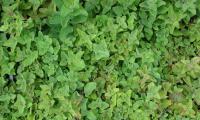
Greek oregano has a very intense, heat-resistant flavor when raw and is mostly used as a spice. Organic quality?
-
22 kcal
-
Water 87%
-
73/24/04
-
Ω-6 (LA) 0.06 g
-
Ω-3 (ALA) 0.11 g
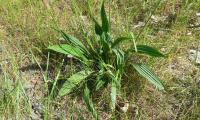
Ribwort plantain is a well-known and frequently used medicinal plant, whether raw or dried. The wild herb is found in temperate zones around the world. Organic?
-
0 kcal
-
-
00/00/00
-
Ω-6 (LA) 0 g
-
Ω-3 (ALA) 0 g
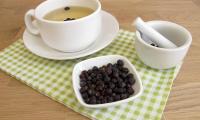
The common juniper grows widely, mainly in heathland landscapes. Raw juniper berries give dishes such as sauerkraut a special flavor. Organic?
-
43 kcal
-
Water 88%
-
94/04/02
-
Ω-6 (LA) 0.01 g
-
Ω-3 (ALA) 0.05 g
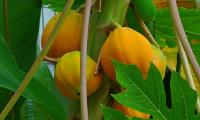
Raw papaya (Carica papaya) tastes very sweet when ripe and contains many essential nutrients and vitamins. It also helps with digestive problems. Organic?
-
222 kcal
-
Water 4%
-
94/05/01
-
Ω-6 (LA) 0.21 g
-
Ω-3 (ALA) 0.00 g
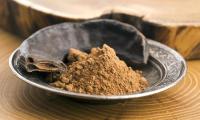
Carob powder is low in fat and free of stimulants such as caffeine and can be a good substitute for cocoa powder. Depending on how it is produced, it is availab
-
378 kcal
-
Water 8%
-
70/23/07
-
Ω-6 (LA) 2.6 g
-
Ω-3 (ALA) 0.10 g
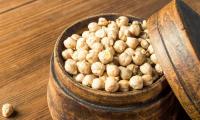
Chickpeas are cooked and used in stews, soups and purees. They have a very mild, slightly nutty flavour. Do not eat them raw! Organic?
-
54 kcal
-
Water 88%
-
56/29/15
-
Ω-6 (LA) 0.58 g
-
Ω-3 (ALA) 0.08 g
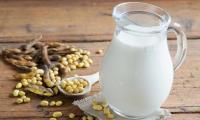
Soy milk with vanilla is a plant-based drink made from soybeans, refined with vanilla flavor. Even organic, it contains sugar and is never raw.
-
366 kcal
-
Water 12%
-
92/07/02
-
Ω-6 (LA) 0.31 g
-
Ω-3 (ALA) 0.07 g
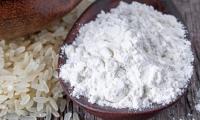
White rice flour is made from ground rice and is gluten-free and raw (organic?). It is suitable for thickening and binding, but its baking properties are limite
-
120 kcal
-
Water 72%
-
77/16/07
-
Ω-6 (LA) 0.97 g
-
Ω-3 (ALA) 0.08 g
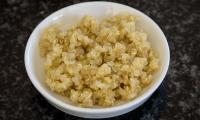
Quinoa (organic?) contains high-quality protein and is gluten-free. Peeled grains are used cooked in various dishes. They can also be eaten raw in muesli.
-
360 kcal
-
Water 13%
-
84/15/01
-
Ω-6 (LA) 0.39 g
-
Ω-3 (ALA) 0.04 g
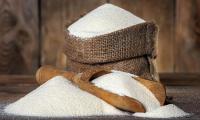
Raw semolina (organic?) is used as soft wheat semolina mainly for desserts, durum wheat semolina for savory dishes and corn semolina as a side dish.
-
370 kcal
-
Water 8%
-
15/83/02
-
Ω-6 (LA) 0.76 g
-
Ω-3 (ALA) 0.05 g
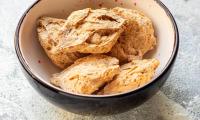
Wheat gluten is a plant-based, protein-rich meat substitute. Products made from seitan or Mianjin (organic) have a firm consistency and contain gluten.
-
50 kcal
-
Water 89%
-
85/02/13
-
Ω-6 (LA) 0.26 g
-
Ω-3 (ALA) 0.00 g
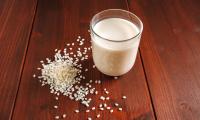
Rice milk (raw?) or rice drink consists of rice and water. This lactose-free grain milk can be prepared yourself or purchased in organic quality (organic).
-
304 kcal
-
Water 11%
-
66/18/16
-
Ω-6 (LA) 0 g
-
Ω-3 (ALA) 0 g
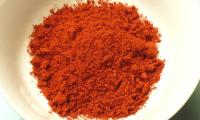
Pimentón de la Vera is smoked paprika powder that is produced exclusively in the "La Vera" region and is very spicy. Organic? Never raw (raw food).
-
553 kcal
-
Water 5%
-
10/35/55
-
Ω-6 (LA) 27 g
-
Ω-3 (ALA) 8.7 g
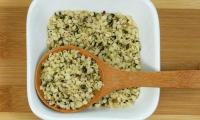
Raw, shelled hemp seeds (hemp nuts) have a slightly nutty taste and contain all the essential amino acids. Organic quality?
-
365 kcal
-
Water 12%
-
91/08/01
-
Ω-6 (LA) 0.15 g
-
Ω-3 (ALA) 0.03 g
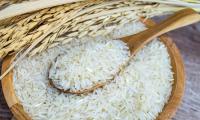
Fragrant rice includes the loose Indian basmati rice and the slightly sticky jasmine rice (perfume rice), also called Thai rice or Siam rice.
-
20 kcal
-
Water 94%
-
77/19/04
-
Ω-6 (LA) 0.09 g
-
Ω-3 (ALA) 0.01 g
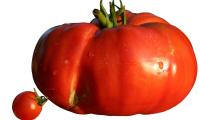
Flat, round, beefsteak tomatoes (raw) are one of the most commonly grown variety groups. They are less juicy than smaller tomatoes and have thick fruit walls. O
-
341 kcal
-
Water 6%
-
47/44/09
-
Ω-6 (LA) 2.1 g
-
Ω-3 (ALA) 0.47 g
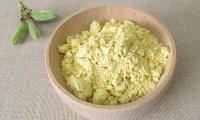
Lupin flour (lupin protein, raw?, organic?) contains all important amino acids; is low in purines; is suitable for baking, as an egg substitute and for protein-
-
154 kcal
-
Water 72%
-
98/02/00
-
Ω-6 (LA) 0 g
-
Ω-3 (ALA) 0 g
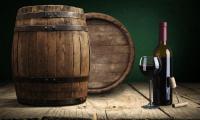
Port wine is a sweet dessert wine with a protected designation: it differs from other wines in taste and production. Raw? Organic?
-
23 kcal
-
-
53/39/08
-
Ω-6 (LA) 0 g
-
Ω-3 (ALA) 0 g
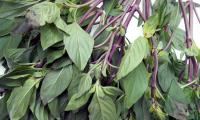
Horapa (raw) is known as Thai basil. Its aniseed and licorice-like aroma distinguishes it from European basil. Organic?
-
0 kcal
-
-
00/00/00
-
Ω-6 (LA) 0 g
-
Ω-3 (ALA) 0 g
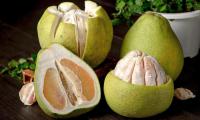
The pomelo (Bomali, Pomaly) is a cross between a pomelo and a grapefruit. The fruits can be eaten raw or processed further.