
Foundation
Diet and Health
The best perspective for your health
The best perspective for your health
The best perspective for your health
The best perspective for your health
Showing 381-400 of 604 items.
-
0 kcal
-
-
00/00/00
-
Ω-6 (LA) 0 g
-
Ω-3 (ALA) 0 g
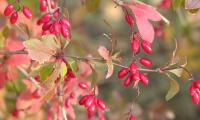
Barberry (barberry, raw) contains berberine, which helps with pancreatitis. It also lowers blood pressure, blood sugar and blood fat levels. Organic?
-
0 kcal
-
-
00/00/00
-
Ω-6 (LA) 0 g
-
Ω-3 (ALA) 0 g
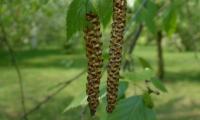
Birch leaves and birch blossoms from the silver birch can be found dried in tea blends, but they can also be used raw in the kitchen. Organic?
-
0 kcal
-
-
00/00/00
-
Ω-6 (LA) 0 g
-
Ω-3 (ALA) 0 g
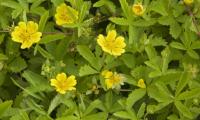
Creeping cinquefoil is a traditional medicinal plant. Raw flowers and leaves as well as cooked roots of the cinquefoil are edible. Organic?
-
235 kcal
-
Water 16%
-
58/38/04
-
Ω-6 (LA) 0.28 g
-
Ω-3 (ALA) 0.21 g
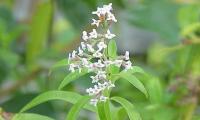
The leaves of the lemon verbena (organic?) have a fresh scent when raw, reminiscent of lemon. The aromatic tea is called lemon verbena or verbena.
-
59 kcal
-
Water 85%
-
72/13/15
-
Ω-6 (LA) 0.08 g
-
Ω-3 (ALA) 0.20 g
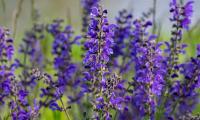
Flowers and leaves of meadow sage (Salvia pratensis) are used raw (organic?) as an ingredient in many dishes. As a medicinal plant, it inhibits fungi, viruses a
-
70 kcal
-
Water 75%
-
60/38/02
-
Ω-6 (LA) 0.03 g
-
Ω-3 (ALA) 0.07 g
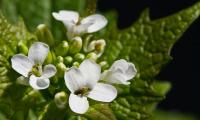
Garlic mustard, which is rich in vitamin C, is best eaten raw. When cooked, the taste reminiscent of garlic, mustard and pepper evaporates. Organic?
-
71 kcal
-
Water 76%
-
71/26/03
-
Ω-6 (LA) 0.20 g
-
Ω-3 (ALA) 0.05 g
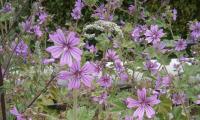
The wild mallow (Cheeseweed) is one of the oldest medicinal plants and has been well researched in clinical studies. It is used raw or dried. Organic?
-
33 kcal
-
Water 88%
-
88/09/03
-
Ω-6 (LA) 0 g
-
Ω-3 (ALA) 0 g
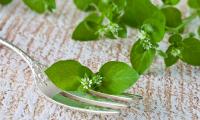
Common chickweed (chickweed) is a nutrient-rich and versatile food plant that is available in the wild almost all year round. Organic?
-
376 kcal
-
Water 3%
-
44/52/05
-
Ω-6 (LA) 2.1 g
-
Ω-3 (ALA) 0.01 g
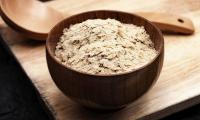
Brewer's yeast has a spicy, slightly cheese-like taste. It is therefore used for seasoning or as a cheese substitute in dishes. Arguments for organic.
-
295 kcal
-
Water 8%
-
63/28/09
-
Ω-6 (LA) 0.74 g
-
Ω-3 (ALA) 3.0 g
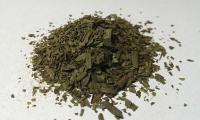
Dried tarragon is an aromatic kitchen spice. It contains a lot of potassium and aids digestion. Raw? Organic?
-
884 kcal
-
Water 0%
-
00/00/100
-
Ω-6 (LA) 10 g
-
Ω-3 (ALA) 0 g
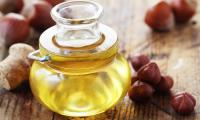
Hazelnut oil is a spicy vegetable oil with a nutty taste. Like other native nut oils, it can be used wonderfully to refine dressings.
-
884 kcal
-
Water 0%
-
00/00/100
-
Ω-6 (LA) 13 g
-
Ω-3 (ALA) 0.96 g
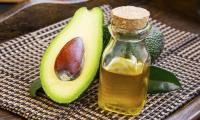
Avocado oil is obtained from the fruit of the avocado tree. Cold-pressed oil is usually raw, tastes aromatic to slightly fruity and is also available organicall
-
341 kcal
-
Water 11%
-
73/25/02
-
Ω-6 (LA) 0.33 g
-
Ω-3 (ALA) 0.28 g
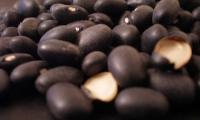
Black beans, which are particularly popular in Latin America, cannot be eaten raw, but are perfect for many dishes when cooked. Organic?
-
333 kcal
-
Water 12%
-
71/28/01
-
Ω-6 (LA) 0.18 g
-
Ω-3 (ALA) 0.28 g
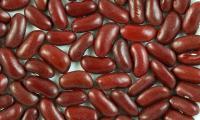
Kidney beans (raw) have a high protein content and are rich in folic acid. The beans get their name from their kidney-like shape. (Organic quality?)
-
116 kcal
-
Water 70%
-
68/31/01
-
Ω-6 (LA) 0.14 g
-
Ω-3 (ALA) 0.04 g
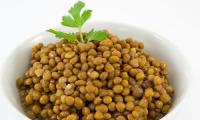
Cooked lentils (kitchen lentils, erve) without salt have a high protein and fiber content and are ideal for filling you up.
-
347 kcal
-
Water 9%
-
71/27/01
-
Ω-6 (LA) 0.36 g
-
Ω-3 (ALA) 0.03 g
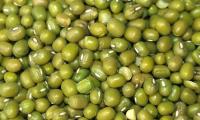
Green mung beans or mung beans (organic) are related to the urd beans. They are eaten cooked (like rice) or sprouted, but not raw.
-
343 kcal
-
Water 11%
-
73/25/02
-
Ω-6 (LA) 0.78 g
-
Ω-3 (ALA) 0.04 g
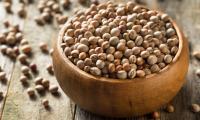
As with beans, ripe pigeon pea seeds should not be eaten raw. Organic quality?
-
172 kcal
-
Water 63%
-
24/51/25
-
Ω-6 (LA) 4.5 g
-
Ω-3 (ALA) 0.60 g
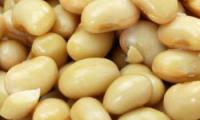
Cooked soybeans without salt have a high protein and fiber content and are ideal for filling up. Available in organic quality.
-
192 kcal
-
Water 60%
-
20/52/28
-
Ω-6 (LA) 4.1 g
-
Ω-3 (ALA) 0.25 g
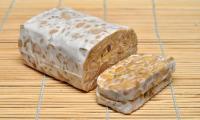
Tempeh (Tempe) is a fermentation product originally from Indonesia. It is made from cooked soybeans and is therefore never raw. Organic?

-
53 kcal
-
Water 71%
-
36/60/04
-
Ω-6 (LA) 0.23 g
-
Ω-3 (ALA) 0.03 g
In contrast to tamari, shoyu contains soybeans, water and sea salt as well as wheat. This gives it a milder taste. Organic quality? Raw?