

docosahexaenoic acid; DHA; 22:6 omega-3
How can docosahexaenoic acid (DHA) protect your nerve cells and inhibit inflammation in the body? Read our article to find out why this omega-3 fatty acid is so important and why a balanced omega-6 to omega-3 ratio is crucial for your health.
| We provide science-based information on health, nutrition, and sustainability — independent of sponsors, the food industry, and dietary supplement manufacturers. Find out more: our mission. |
A balanced, plant-based diet with few to no industrially processed foods generally provides sufficient macro- and micronutrients, with the exception of vitamin B12. However, phytochemicals are particularly relevant for maintaining health and healing, even though they are not considered essential nutrients – apart from vitamins.
---
Definition
Docosahexaenoic acid (DHA) is a long-chain, polyunsaturated omega-3 fatty acid (alpha-linolenic acid) with a chain length of 22 carbon atoms. It plays an important role in various metabolic processes, particularly in inflammatory responses.19
Occurrence
DHA is found in fatty cold-water fish such as mackerel (2,56 g/100 g), sardines (1,12 g), salmon (1 g), tuna (0,98 g), pike (0,54 g), and swordfish (0,3 g), and is also available as a dietary supplement in fish oil preparations. However, the original source of DHA in aquatic ecosystems is algae. Fish obtain their DHA primarily through the ingestion of microalgae such as Ulkenia (North Sea and Sea of Japan), Pavlova, and heterotrophic Schizochytrium, as well as from Spirulina and krill. Among microalgae, the haptophyte Isochrysis galbana contains particularly high amounts of DHA and EPA.12,24
Although the health benefits of consuming seafood have long been known, concerns often arise regarding the potential dangers of pollutants such as mercury and the overfishing of the oceans. These concerns can deter people from consuming fish as a source of DHA and eicosapentaenoic acid (EPA). An alternative and environmentally friendly option, also suitable for vegans, is purified algal oil, if substitution is even necessary or advisable.22
Storage and Preparation Losses
Polyunsaturated fatty acids are very sensitive to oxidation by molecular oxygen (O₂) from the air. Oils with a high alpha-linolenic acid content, such as linseed oil, should be stored protected from light and oxygen, not heated, and used within a short time. Caution is advised regarding the quality of linseed oil. While "cold-pressed" is considered a seal of quality for oils, temperatures above 40 °C, which can easily occur during high-pressure pressing, already destroy the omega-3 fatty acids.
It's better to use the seeds directly. These should be crushed or coarsely ground shortly before consumption, as they oxidize quickly after being ground. Therefore, they shouldn't be stored for hours or even days, but eaten immediately. To avoid phytic acid, soaking them in lemon or orange juice is a good method – see also the recipe for Erb-Muesli.
Nutrition - Health
In the body, the biosynthesis of DHA from alpha-linolenic acid (ALA) and stearidonic acid (SDA) occurs through a series of desaturation and elongation reactions. The often excessive intake of linoleic acid (LA, an omega-6 fatty acid) in today's diet, primarily from cereal germ oils, sunflower oil, and vegetable margarine, as well as suboptimal enzyme activity due to frequent micronutrient deficiencies, nutrient interactions, and hormonal influences, result in very slow and limited DHA synthesis from alpha-linolenic acid in the body. Therefore, from today's perspective, DHA should be considered a semi-essential compound.3,4,5,6 Consequently, many organizations worldwide recommend dietary intake of DHA (often together with EPA).19
For vegans, it's important to consume enough plant-based omega-3 sources, since they don't eat fish. These include nuts, seeds, and plant oils like flaxseed and rapeseed oil. However, plant oils high in linoleic acid, such as sesame or peanut oil, should be avoided, as they can impair the conversion of ALA to EPA and DHA. To ensure sufficient EPA and DHA intake, supplements made from microalgae oil may also be beneficial.
DHA is present in high concentrations in the phospholipids of the neuronal cell membrane and regulates membrane fluid, neurotransmitter release, gene expression, myelination, cell division, and cell growth.19
| This is not just for vegans or vegetarians: Vegans often eat unhealthily. Avoidable nutritional mistakes. |
Long-term daily requirements
There are currently no established reference values for the daily intake of EPA and DHA. The European Food Safety Authority (EFSA) estimates the requirement for healthy adults at a total of 250 mg per day. Pregnant women require 650 mg of omega-3 fatty acids daily, of which 300 mg should be DHA. To ensure adequate daily intake, they can supplement their diet with fish oil supplements that provide EPA and DHA, or take DHA from algae.
According to the International Society for the Study of Fatty Acids and Lipids (ISSFAL), increasing blood DHA levels through supplementation with additional ALA, EPA, or other precursors is not possible. An increase only occurs with DHA supplementation.14 This is because almost all studies in which ALA consumption was increased in subjects through supplementation reported an increase in EPA and (where measured) DPA levels in blood lipids and blood cells. DHA levels, on the other hand, increased only slightly or even decreased.15
Exogenous DHA intake plays a crucial role, particularly during pregnancy and lactation, as neither the unborn child nor the infant can synthesize sufficient amounts of DHA themselves due to limited enzymatic activity.7,8,9
Infants ingest DHA through breast milk or fortified formula. Pregnant women can store DHA in their bodies through a complex mechanism and draw on this reserve as needed. Particularly during the period of intensive brain development (weeks 26-40 of pregnancy), the fetal brain accumulates DHA. The amount of stored DHA depends significantly on the mother's DHA status.10,11
The ratio of linoleic acid to alpha-linolenic acid is important. According to Dr. Greger, it should ideally be 1:1 and not exceed 5:1.
Ideally, one should consume 30-40 g of fish per day, which equates to two fish meals per week.13 However, algae, the main source of DHA in the marine food chain, offer an equally valuable alternative for those who prefer not to consume marine or animal products. Algae provide DHA directly, without the potential risks and environmental concerns associated with fish consumption.23
Deficiency symptoms
Clinically manifest deficiencies in omega-3 fatty acids are rare. However, a deficiency can go unnoticed and still have harmful effects. Possible symptoms include impaired wound healing, growth disorders, and sensory neuropathy. Furthermore, a deficiency can lead to rough, scaly skin as well as red, swollen, and itchy rashes.21 In cases of cachexia (wasting of fat and muscle mass), increased intake of omega-3 fatty acids can improve the condition.
Excessive intake
of EPA and DHA is generally considered safe. The FDA (Food and Drug Administration) recommends that the combined daily intake of EPA and DHA should not exceed 3 g/day. High doses can impair immune function and cause bleeding problems because they alter inflammatory responses in the body.18
Long-term high serum levels of EPA and DHA may also increase cardiovascular mortality in people with cardiovascular diseases and increase the risk of prostate cancer.
Functions in the body
DHA serves as a precursor for the synthesis of docosanoids, which have anti-inflammatory and neuroprotective (promoting the survival of nerve cells) effects. The same enzymes involved in the conversion of DHA from ALA are also involved in the synthesis of linoleic acid, LA (omega-6 fatty acid), dihomo-gamma-linolenic acid (DGLA), and arachidonic acid (AA).
While the body uses DGLA to produce anti-inflammatory eicosanoids, it forms pro-inflammatory eicosanoids from arachidonic acid.
ALA, unlike LA, has a higher affinity for these enzymes. Adequate intake of alpha-linolenic acid-rich foods therefore leads to an increase in the synthesis of DHA (and EPA) while the synthesis of arachidonic acid decreases. To maintain enzyme activity, an adequate intake of magnesium, calcium, vitamin B6, biotin, and zinc is also necessary.3,4,5
Numerous studies have shown that the fatty acid profile of phospholipids in cell membranes is strongly dependent on the fatty acid composition of the diet. For example, a high DHA intake increases the proportion of DHA in the phospholipids of plasma membranes by displacing arachidonic acid (AA).
This leads to an increase in membrane fluidity, which in turn affects the activities of membrane-bound proteins (receptors, enzymes, transport proteins, ion channels), the availability of neurotransmitters, and intercellular interactions.4,7,8
Supplementation with DHA leads to a reduction in blood pressure and heart rate. This effect could not be demonstrated with supplementation with EPA (eicosapentaenoic acid).16
Health benefits of omega-3 fatty acids:16
-
They dilate the blood vessels, which prevents arteriosclerosis and counteracts thrombosis.
-
They help prevent osteoporosis, Parkinson's disease, autoimmune diseases and rheumatic diseases.
-
They inhibit the development of type 2 diabetes, obesity, and kidney disease.
Absorption and Metabolism
The digestion of omega-3 fatty acids begins in the stomach with the help of gastric lipases, which break down triacylglycerols into diacylglycerol and fatty acids. In the small intestine, enzymes further break down the fat globules. Pancreatic carboxylic acid ester lipase primarily breaks down the ethyl esters. The free fatty acids pass passively into the small intestinal cells as micelles. There, they are converted into triacylglycerols and form chylomicrons, which enter the bloodstream via the lymphatic system and then reach the target tissues.18
Most of the metabolism of DHA and EPA occurs via beta-oxidation in the liver.18
Women are more efficient at converting dietary alpha-linolenic acid into DHA than men, likely due to the effects of estrogen. While healthy young women convert approximately 21 % of alpha-linolenic acid into EPA and 9 % into DHA, healthy young men convert only about 8 % into EPA and 0–4 % into DHA.1,2
It is assumed that the body absorbs EPA less efficiently and metabolizes it more quickly than DHA. Therefore, the ratio of DHA to EPA in serum plasma is higher.18
Storage - Consumption - Losses
DHA is primarily found in the tissue of the retina and brain, and in the nerves of hearing and smell.
The excretion pathway of omega-3 fatty acids is unknown. Studies have shown that the approximate half-lives of ALA, DHA, and EPA are around 1 hour, 20 hours, and 39 to 67 hours, respectively.18
Structure
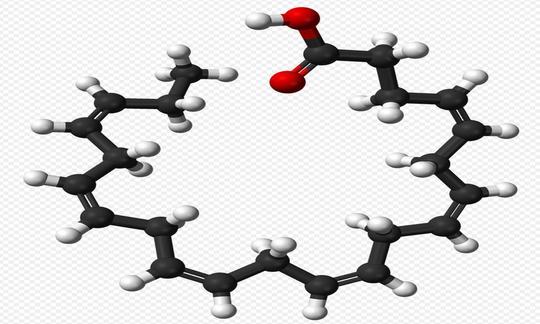
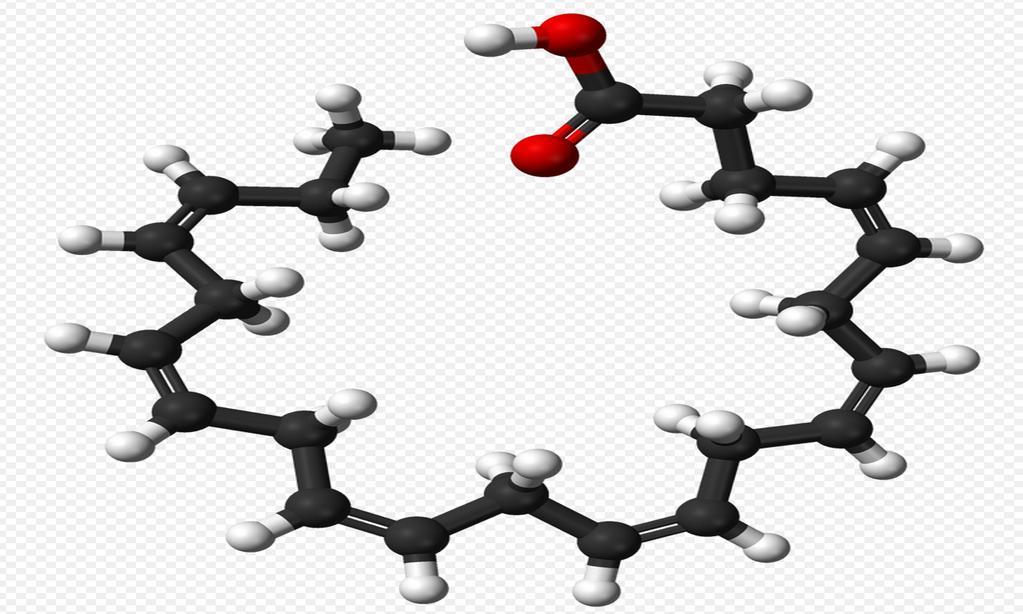
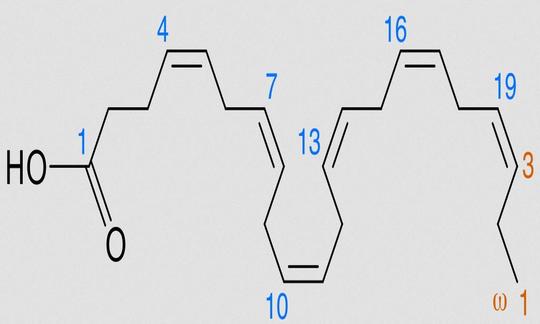
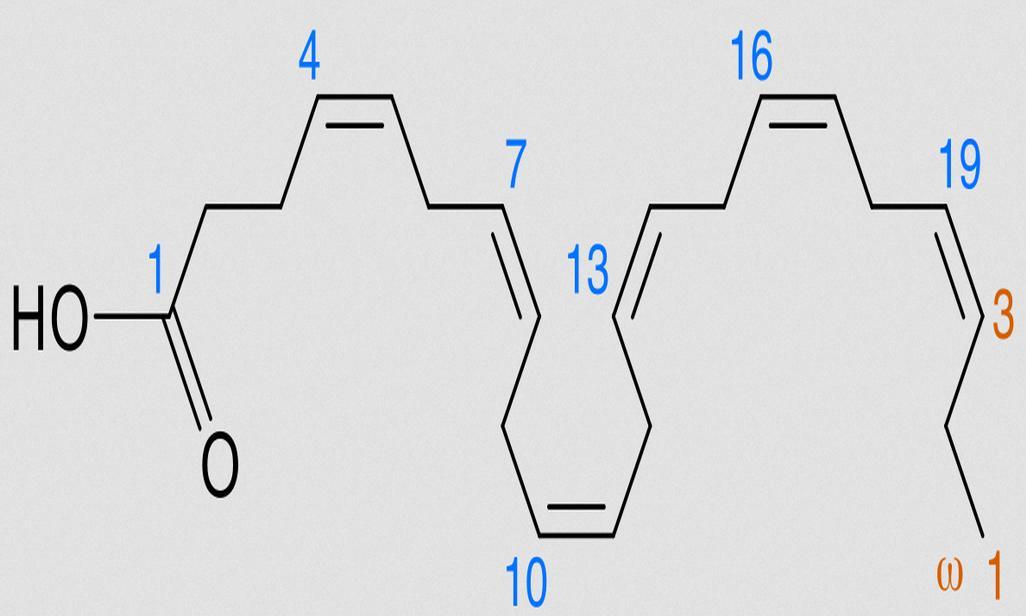
DHA (docosahexaenoic acid) is a long-chain, polyunsaturated fatty acid (PUFA) and belongs to the group of omega-3 fatty acids. Other names include: docosahexaenoic acid (DHA), (4Z,7Z,10Z,13Z,16Z,19Z)-docosa-4,7,10,13,16,19 -hexaenoic acid, cervonic acid, and clupanodonic acid. Its molecular formula is C22H32O2, and its lipid name is 22:6(ω−3).17
Bibliography - 25 Sources (Link to the evidence)
| 1. | Burdge GC, Wootton SA. Conversion of alpha-linolenic acid to eicosapentaenoic, docosapentaenoic and docosahexaenoic acids in young women. Br J Nutr. 2002 Oct;88(4):411-420. | |
| 2. | Burdge GC, Jones AE et al. Eicosapentaenoic and docosapentaenoic acids are the principal products of alpha-linolenic acid metabolism in young men*. Br J Nutr. 2002 Oct;88(4):355-363. | |
| 3. | Leitzmann C, Müller C et al. Ernährung in Prävention und Therapie. Hippokrates Verlag in MVS Medizinverlage: Stuttgart GmbH & Co. KG. 2005. | |
| 4. | Elmadfa I, Leitzmann C. Ernährung des Menschen. 4. Auflage. Verlag Eugen Ulmer: Stuttgart. 2004. | |
| 5. | Muskiet FA, Fokkema MR et al. Is docosahexaenoic acid (DHA) essential? Lessons from DHA status regulation, our ancient diet, epidemiology and randomized controlled trials. J Nutr. 2004 Jan;134(1):183-186. | |
| 6. | Simopoulos AP. The importance of the ratio of omega-6/omega-3 essential fatty acids. Biomed Pharmacother. 2002 Oct;56(8):365-379. | |
| 7. | Biesalski HK, Fürst P et al. Ernährungsmedizin. Nach dem Curriculum Ernährungsmedizin der Bundesärztekammer. 3. Auflage. Georg Thieme Verlag: Stuttgart. 2004. | |
| 8. | Helland IB, Smith L et al. Maternal supplementation with very-long-chain n-3 fatty acids during pregnancy and lactation augments children's IQ at 4 years of age. Pediatrics. 2003 Jan;111(1):e39-44. | |
| 9. | Hornstra G, Al MD et al. Essential fatty acids in pregnancy and early human development. Eur J Obstet Gynecol Reprod Biol. 1995 Jul;61(1):57-62. | |
| 10. | Crawford MA, Costeloe K et al. The inadequacy of the essential fatty acid content of present preterm feeds. Eur J Pediatr. 1998 Jan;157 Suppl 1:S23-27. | |
| 11. | Broadhurst CL, Cunnane SC et al. Rift Valley lake fish and shellfish provided brain-specific nutrition for early Homo. Br J Nutr. 1998 Jan;79(1):3-21. | |
| 12. | Mayer A. Isolierung von Omega-3-Fettsäuren aus Algenbiomasse. Institut für Chemische Verfahrenstechnik und Umwelttechnik, Technische Universität Graz. 2012. | |
| 13. | Kasper H. Ernährungsmedizin und Diätetik. Urban und Schwarzenberg: München. 1996. | |
| 14. | Brenna JT, Salem N Jr et al. International Society for the Study of Fatty Acids and Lipids, ISSFAL. alpha-Linolenic acid supplementation and conversion to n-3 long-chain polyunsaturated fatty acids in humans. Prostaglandins Leukot Essent Fatty Acids. 2009 Feb-Mar;80(2-3):85-91. | |
| 15. | Baker EJ, Miles EA et al. Metabolism and functional effects of plant-derived omega-3 fatty acids in humans. Prog Lipid Res. 2016 Oct;64:30-56. | |
| 16. | Mori TA, Bao DQ et al. Docosahexaenoic acid but not eicosapentaenoic acid lowers ambulatory blood pressure and heart rate in humans. Hypertension. 1999 Aug;34(2):253-260. | |
| 17. | PubChem. Docosahexaenoic acid(Dha). [zitiert 29. August 2024]. | |
| 18. | Krupa KN, Fritz K et al. Omega-3 fatty acids. Treasure Island (FL): StatPearls Publishing. 28/2024. | |
| 19. | Richard C, Monk JM. Docosahexaenoic acid. Adv Nutr. 2024 Jan;15(1):100161. | |
| 20. | Bannenberg G, Mallon C et al. Omega-3 Long-Chain Polyunsaturated Fatty Acid Content and Oxidation State of Fish Oil Supplements in New Zealand. Sci Rep. 2017 May 3;7(1):1488. | |
- Ernst Erb (Lead Author)
- Karin Rustmeier, Dipl. Food Engineer ETH (Author)
- Ranin Huemer, BSc in Nutritional Science (Validator)
The white bean and kale with dried tomatoes and quinoa is a tasty, fiber-rich and healthy dish.

Savoy cabbage rolls with Hokkaido and quinoa in tomato ragout are healthy, can be easily prepared in advance and also taste great.

The savoy cabbage rolls filled with quinoa and a cream of cauliflower and walnuts taste light but are still filling.

Apple syrup (organic?) is made by boiling or thickening apple juice (raw?) for a long time. Apple syrup can be used to season and sweeten dishes.

Quinoa is available peeled, raw and organic. The saponins in the shell would make unpeeled pseudocereals almost inedible.

Quinoa (organic?) contains high-quality protein and is gluten-free. Peeled grains are used cooked in various dishes. They can also be eaten raw in muesli.
Comments