

eicosapentaenoic acid; EPA; 20:5 omega-3
Eicosapentaenoic acid (EPA) can boost your mood and offers numerous health benefits. Learn how vegans can optimally meet their needs for this important omega-3 fatty acid and why a high intake of omega-6 fatty acids can impair its synthesis.
| We provide science-based information on health, nutrition, and sustainability — independent of sponsors, the food industry, and dietary supplement manufacturers. Find out more: our mission. |
A balanced, plant-based diet with few to no industrially processed foods generally provides sufficient macro- and micronutrients, with the exception of vitamin B12. However, phytochemicals are particularly relevant for maintaining health and healing, even though they are not considered essential nutrients – apart from vitamins.
---
Definition
Eicosapentaenoic acid (EPA) is a polyunsaturated omega-3 fatty acid with 20 carbon atoms. It plays an important role in various metabolic processes, particularly in inflammatory processes.14
Occurrence
EPA is found primarily in fatty cold-water fish such as salmon, tuna, mackerel, sardines, and Atlantic herring, and is also available as a dietary supplement in fish oil preparations. However, the original source of EPA in aquatic ecosystems is algae. Certain microalgae produce high amounts of these fatty acids, with Isochrysis galbana being particularly rich in DHA and EPA.20,21
Although the health benefits of consuming seafood and fish have long been recognized, concerns often arise regarding the potential dangers of pollutants such as mercury and the overfishing of the oceans. These concerns can deter people from consuming fish as a source of EPA and docosahexaenoic acid (DHA). An alternative and environmentally friendly option, also suitable for vegans, is purified algal oil, if supplementation is even necessary or recommended. Microalgae such as Monodus subterraneus, Chlorella minutissima, and Phaeodactylum tricornutum are the sources for vegan supplements.
EPA is biosynthesized from alpha-linolenic acid in the body. However, the often excessive intake of linoleic acid (LA, an omega-6 fatty acid) in today's diet, through foods such as wheat germ oil, sunflower oil, and vegetable margarine, can severely disrupt this process. Insufficient enzyme activity due to frequent micronutrient deficiencies, nutrient interactions, and hormonal influences results in EPA synthesis from alpha-linolenic acid in the body proceeding very slowly and in small amounts. Therefore, from today's perspective, EPA should be considered a semi-essential compound.6,7,8,9
It is important for vegans to consume enough plant-based sources of Omega-3, since they do not eat fish. A study shows that α-linolenic acid-rich vegetable oils such as flaxseed oil and rapeseed oil, in combination with a reduction in linoleic acid-rich oils such as sesame or peanut oil, raise tissue EPA levels to the same extent as fish oil supplementation.11
Storage and Preparation Losses
Polyunsaturated fatty acids are very sensitive to oxidation by molecular oxygen (O2) from the air. Oils with a high alpha-linolenic acid (ALA) content, such as linseed oil, should be stored protected from light, water, and oxygen, not heated, and used within a short time. Caution is advised regarding the quality of linseed oil. While "cold-pressed" is considered a seal of quality for oils, temperatures above 40 °C, which can easily occur during high-pressure pressing, already destroy the omega-3 fatty acids.
It's better to use the seeds directly. These should be crushed or coarsely ground shortly before consumption, as they oxidize quickly after being ground. Therefore, they shouldn't be stored for hours or even days, but eaten immediately. To avoid phytic acid, soaking them in lemon or orange juice is a good method – see also the recipe for Erb-Muesli.
Nutrition – Health
Omega-3 fatty acids, especially EPA and docosahexaenoic acid (DHA), are important for fetal development and support the brain, retina, and immune system. They also promote heart health by reducing inflammation, preventing vascular disease, and reducing blood clotting. Furthermore, they show positive effects in the prevention of Alzheimer's disease.16
| This is not just for vegans or vegetarians: Vegans often eat unhealthily. Avoidable nutritional mistakes. |
Long-term daily requirements
There are currently no established reference values for the daily intake of EPA and DHA. The European Food Safety Authority (EFSA) estimates the requirement for healthy adults at a total of 250 mg per day. The ratio of linoleic acid to alpha-linolenic acid is important. According to Dr. Greger, it should ideally be 1:1 and not exceed 5:1.
The optimal intake is 30-40 g of fish per day, which equates to about two fish meals per week. However, algae, the main source of EPA in the marine food chain, offer an equally valuable alternative for those who prefer not to consume marine or animal products. Algae provide EPA directly, without the potential risks and environmental concerns associated with fish consumption.
Adequate intake of EPA and DHA is particularly important during pregnancy and breastfeeding, as the unborn child and infant cannot produce these fatty acids themselves. For more information, see Docosahexaenoic acid (DHA).
Deficiency symptoms:
Clinically manifest deficiencies in omega-3 fatty acids are rare. However, a deficiency can go unnoticed and still have harmful effects. Possible symptoms include impaired wound healing, growth disorders, and sensory neuropathy. Furthermore, a deficiency can lead to rough, scaly skin as well as red, swollen, and itchy rashes.17 In cases of cachexia (loss of fat and muscle mass), increased intake of omega-3 fatty acids can improve the condition.
Excessive intake
of EPA and DHA is generally considered safe. The FDA (Food and Drug Administration) recommends that the combined daily intake of EPA and DHA should not exceed 3 g/day. High doses can impair immune function and cause bleeding problems because they alter inflammatory responses in the body. Therefore, caution is advised.18
Long-term high serum levels of EPA and DHA may also increase cardiovascular mortality in people with cardiovascular diseases and increase the risk of prostate cancer.
Functions in the body
EPA is the precursor for the formation of eicosanoids and is therefore involved in numerous metabolic processes. Eicosanoids are hormone-like substances derived from polyunsaturated fatty acids with a chain length of 20 carbon atoms. These include prostaglandins, prostacyclins, thromboxanes, and leukotrienes.
The conversion of ALA to EPA involves the same enzymes that produce dihomo-gamma-linolenic acid (DGLA) and arachidonic acid (AA) from linoleic acid (LA). While the body uses DGLA to produce anti-inflammatory eicosanoids, it forms pro-inflammatory eicosanoids from arachidonic acid (AA).
ALA, unlike LA, has a higher affinity for these enzymes. Adequate intake of alpha-linolenic acid-rich foods therefore leads to an increase in the synthesis of EPA (and DHA) while the synthesis of arachidonic acid decreases. To maintain enzyme activity, an adequate intake of magnesium, calcium, vitamin B6, biotin, and zinc is also necessary.6,7,8
Omega-3 fatty acids are vasodilating, which helps prevent arteriosclerosis (hardening of the arteries) and thrombosis (blood clots).
The anti-sclerotic effect of omega-3 fatty acids is based on their ability to reduce chronic inflammation in the blood vessel walls, which can lead to dangerous narrowing of the vessels. Normally, the body can regulate and stop inflammation on its own.
Local tissue hormones play an important role in this process. These are derived from omega-3 fatty acids and help macrophages (phagocytic cells) fight inflammation, thus preventing the development of arteriosclerosis.4
Recent studies indicate that EPA can be particularly helpful in promoting positive feelings, elevating mood, and reducing anxiety, depression, and symptoms of schizophrenia. A meta-analysis of 28 randomized controlled trials suggests that EPA is significantly more effective than DHA in treating depression.5
Absorption and Metabolism
The digestion of omega-3 fatty acids begins in the stomach with the help of gastric lipases, which break down triacylglycerols into diacylglycerol and fatty acids. In the small intestine, enzymes further break down the fat globules. Pancreatic carboxylic acid ester lipase primarily breaks down the ethyl esters. The free fatty acids pass passively into the small intestinal cells as micelles. There, they are converted into triacylglycerols and form chylomicrons, which enter the bloodstream via the lymphatic system and then reach the target tissues.18
The absorption and metabolism of EPA has been shown to be inferior to that of DHA.18
Women exhibit more efficient EPA synthesis from ALA compared to men, which is attributed to the effects of estrogen.1 While healthy young women convert approximately 21 % of dietary ALA to EPA,2 healthy young men convert only about 8 % of dietary ALA to EPA.3
For the body's own synthesis, sufficient amounts of delta-6 and delta-5 desaturase, as well as fatty acid elongase, are needed. Pyridoxine (vitamin B6), biotin, calcium, magnesium, and zinc are required for this process. The omega-6 and omega-9 fatty acids, which are too prevalent in the Western diet (especially salad oils), can severely impair these processes.13
Storage - Consumption - Losses
The distribution volume of EPA is approximately 80 liters. The bioavailability of omega-3 fatty acids varies depending on their form, with phospholipids at the top, followed by re-esterified triacylglycerols, triacylglycerols, free fatty acids, and ethyl esters. However, this ranking only considers lipid structure and not other factors, such as the fat content of a meal, which also influence bioavailability.
The excretion pathway of omega-3 fatty acids is unknown. Studies have shown that the approximate half-lives of ALA, DHA, and EPA are around 1 hour, 20 hours, and 39 to 67 hours, respectively.18
Structure
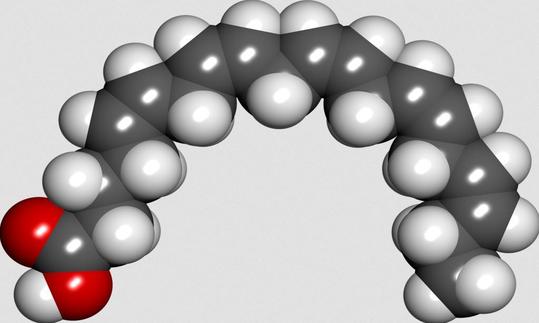
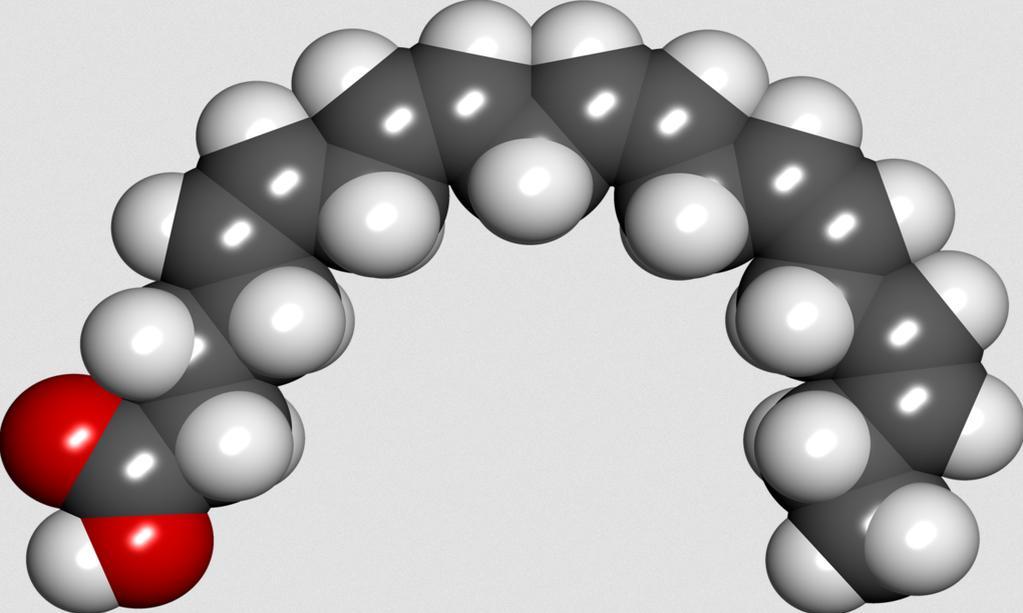
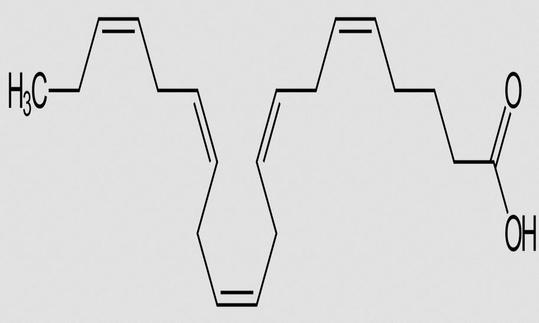
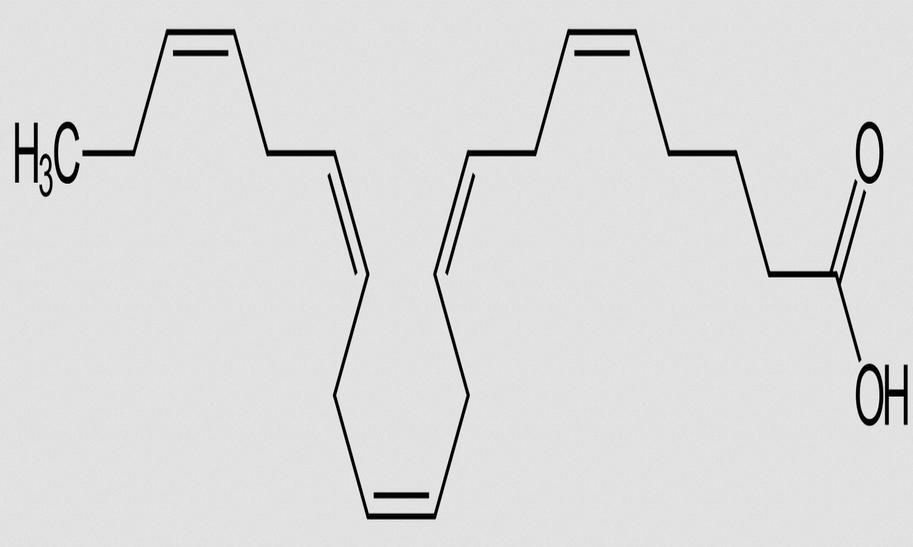
Eicosapentaenoic acid (EPA) is a long-chain, polyunsaturated fatty acid that, due to the position of its double bonds, belongs to the group of omega-3 fatty acids. Its salts and esters are called eicosapentaenoates. Other names include (5Z,8Z,11Z,14Z,17Z)-eicosa-5,8,11,14,17-pentaenoic acid; icosapentaenoic acid (IPA); and timnodonic acid. Its chemical formula is C20H30O2, and its lipid name is 20:5 (ω−3).
Bibliography - 21 Sources (Link to the evidence)
| 1. | Burdge G. Alpha-linolenic acid metabolism in men and women: nutritional and biological implications. Curr Opin Clin Nutr Metab Care. 2004 Mar;7(2):137-144. | |
| 2. | Burdge GC, Wootton SA. Conversion of alpha-linolenic acid to eicosapentaenoic, docosapentaenoic and docosahexaenoic acids in young women. Br J Nutr. 2002 Oct;88(4):411-420. | |
| 3. | Burdge GC, Jones AE et al. Eicosapentaenoic and docosapentaenoic acids are the principal products of alpha-linolenic acid metabolism in young men*. Br J Nutr. 2002 Oct;88(4):355-363. | |
| 4. | Viola JR, Lemnitzer P et al. Resolving Lipid Mediators Maresin 1 and Resolvin D2 Prevent Atheroprogression in Mice. Circ Res. 2016 Oct 14;119(9):1030-1038. | |
| 5. | Martins JG. EPA but not DHA appears to be responsible for the efficacy of omega-3 long chain polyunsaturated fatty acid supplementation in depression: evidence from a meta-analysis of randomized controlled trials. J Am Coll Nutr. 2009 Oct;28(5):525-542. | |
| 6. | Leitzmann C, Müller C et al. Ernährung in Prävention und Therapie. Hippokrates Verlag in MVS Medizinverlage: Stuttgart GmbH & Co. KG. 2005. | |
| 7. | Elmadfa I, Leitzmann C. Ernährung des Menschen. 4. Auflage. Verlag Eugen Ulmer: Stuttgart. 2004. | |
| 8. | Muskiet FA, Fokkema MR et al. Is docosahexaenoic acid (DHA) essential? Lessons from DHA status regulation, our ancient diet, epidemiology and randomized controlled trials. J Nutr. 2004 Jan;134(1):183-186. | |
| 9. | Simopoulos AP. The importance of the ratio of omega-6/omega-3 essential fatty acids. Biomed Pharmacother. 2002 Oct;56(8):365-379. | |
| 10. | Biesalski HK, Fürst P et al. Ernährungsmedizin. Nach dem Curriculum Ernährungsmedizin der Bundesärztekammer. 3. Auflage. Georg Thieme Verlag: Stuttgart. 2004. | |
| 11. | Mantzioris E, James MJ et al. Dietary substitution with an alpha-linolenic acid-rich vegetable oil increases eicosapentaenoic acid concentrations in tissues. Am J Clin Nutr. 1994 Jun;59(6):1304-1309. | |
| 12. | Vazhappilly R, Chen F. Eicosapentaenoic acid and docosahexaenoic acid production potential of microalgae and their heterotrophic growth. J Amer Oil Chem Soc. 1998 Mar;75(3):393–397. | |
| 13. | Kasper H. Ernährungsmedizin und Diätetik. 8. Auflage. Urban und Schwarzenberg: München. 1996. | |
| 14. | PubChem. Eicosapentaenoic acid. [zitiert 26. August 2024]. | |
| 15. | Bannenberg G, Mallon C et al. Omega-3 Long-Chain Polyunsaturated Fatty Acid Content and Oxidation State of Fish Oil Supplements in New Zealand. Sci Rep. 2017 May 3;7(1):1488. | |
| 16. | Swanson D, Block R et al. Omega-3 fatty acids EPA and DHA: health benefits throughout life. Adv Nutr. 2012 Jan;3(1):1-7. | |
| 17. | National Institutes of Health. Office of dietary supplements - omega-3 fatty acids. [zitiert 26. August 2024]. | |
| 18. | Krupa KN, Fritz K et al. Omega-3 fatty acids. Treasure Island (FL): StatPearls Publishing. 28/2024. | |
| 19. | Nichols PD, Petrie J et al. Long-chain omega-3 oils-an update on sustainable sources. Nutrients. 2010 Jun;2(6):572-585. | |
| 20. | Doughman SD, Krupanidhi S et al. Omega-3 fatty acids for nutrition and medicine: considering microalgae oil as a vegetarian source of EPA and DHA. Curr Diabetes Rev. 2007 Aug;3(3):198-203. | |
- Ernst Erb (Lead Author)
- Karin Rustmeier, Dipl. Food Engineer ETH (Author)
- Ranin Huemer, BSc in Nutritional Science (Validator)
These vegan teriyaki shish kebabs can be beautifully combined with a wide variety of vegetables. Good alternative to traditional shish kebabs.

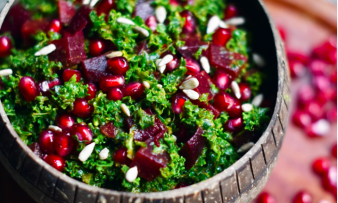
The raw vegan, sweet and spicy kale salad with beetroot and pomegranate seeds is served with orange-turmeric dressing.
Miso soup is a traditional Japanese dish. Its unique flavor comes from the fermented soybean paste (miso) and here with with zucchini and carrots.

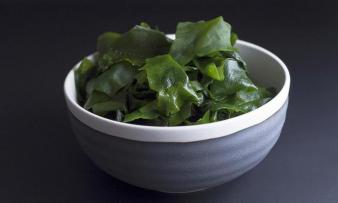
Wakame has a crunchy consistency and tastes slightly of the sea. It can be used raw or cooked and contains iodine. Organic quality?
Agar-agar, usually made from red algae (seaweed), is a vegetable gelling agent and is also used in research/medicine. It is available organically, but never raw
Seaweed in the form of red algae is edible raw, but it is dried. When processed into a thin nori sheet, it is no longer raw, but roasted.

Comments