
Foundation
Diet and Health
The best perspective for your health
The best perspective for your health
The best perspective for your health
The best perspective for your health
Showing 561-580 of 604 items.
-
94 kcal
-
Water 73%
-
91/08/01
-
Ω-6 (LA) 0.04 g
-
Ω-3 (ALA) 0 g
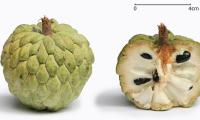
The custard apple (Annona squamosa) is often confused with the cherimoya. It is also called the squash apple, soursop, or sweet sack.
-
61 kcal
-
Water 83%
-
93/04/03
-
Ω-6 (LA) 0.11 g
-
Ω-3 (ALA) 0.03 g
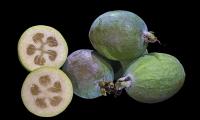
The Brazilian guava (feijoa, pineapple guava) is edible raw. Its taste and aroma are reminiscent of pineapple. Organic feijoa can be eaten with the peel.
-
147 kcal
-
Water 65%
-
80/04/16
-
Ω-6 (LA) 0 g
-
Ω-3 (ALA) 0 g
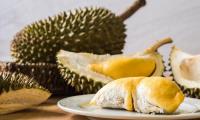
The durian (stink fruit) has a peculiar smell when raw. The flesh is soft and sweet. For lovers, the fruit tastes heavenly. Organic?
-
60 kcal
-
Water 82%
-
64/30/05
-
Ω-6 (LA) 0.02 g
-
Ω-3 (ALA) 0 g
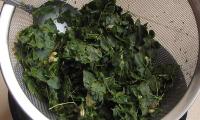
Moringa leaves are collected raw from the horseradish tree. When cooked, moringa leaves can be used in many different ways as a spinach-like vegetable. Organic?
-
38 kcal
-
Water 90%
-
77/17/06
-
Ω-6 (LA) 0 g
-
Ω-3 (ALA) 0 g
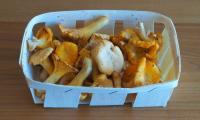
Real chanterelles (sponge mushrooms) can be recognized by their egg color and fruity aroma. Chanterelles are used in sauces, soups or in a terrine.
-
31 kcal
-
Water 90%
-
58/35/06
-
Ω-6 (LA) 0.22 g
-
Ω-3 (ALA) 0 g
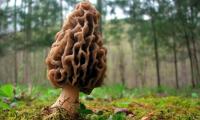
Morels (edible morels, round morels) should definitely be cooked before eating, as they are poisonous when raw! Morels enjoy a certain degree of species protect
-
136 kcal
-
Water 66%
-
73/22/05
-
Ω-6 (LA) 0.84 g
-
Ω-3 (ALA) 0.04 g
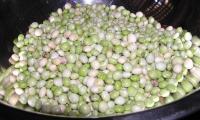
Neither ripe nor unripe pigeon pea seeds can be eaten raw, i.e. without cooking. The same reason as with beans. Organic quality?
-
49 kcal
-
Water 81%
-
88/11/01
-
Ω-6 (LA) 0.00 g
-
Ω-3 (ALA) 0.00 g
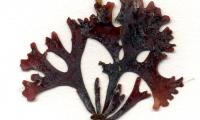
Irish moss is a red algae from the North Atlantic coast. It can be used raw as a salad ingredient or as a natural gelling agent. Organic?
-
43 kcal
-
Water 82%
-
81/14/05
-
Ω-6 (LA) 0.02 g
-
Ω-3 (ALA) 0.00 g
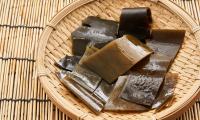
Laminaria algae or kelp are brown algae. Here raw or fresh. Organic? They form extensive kelp forests. The high iodine content is problematic.
-
35 kcal
-
Water 85%
-
46/52/03
-
Ω-6 (LA) 0.00 g
-
Ω-3 (ALA) 0.00 g
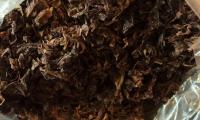
Seaweed in the form of red algae is edible raw, but it is dried. When processed into a thin nori sheet, it is no longer raw, but roasted.
-
346 kcal
-
Water 3%
-
94/04/02
-
Ω-6 (LA) 0.21 g
-
Ω-3 (ALA) 0.13 g
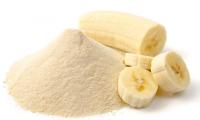
Dehydrated bananas and banana powder contain even less liquid than dried bananas. Raw? Organic quality?
-
103 kcal
-
Water 71%
-
95/04/01
-
Ω-6 (LA) 0.05 g
-
Ω-3 (ALA) 0.02 g
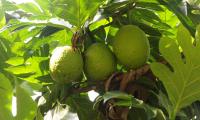
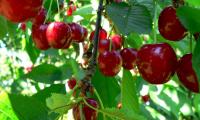
The breadfruit (bread tree fruit, breadfruit) is a head-sized tropical fruit that tastes very good raw when ripe. It can be cooked when unripe.
-
63 kcal
-
Water 82%
-
93/06/01
-
Ω-6 (LA) 0.03 g
-
Ω-3 (ALA) 0.03 g
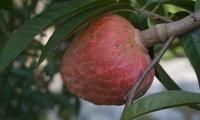
Cherries, sweet cherries or wild cherries (Prunus avium) taste very sweet both raw and cooked. Prefer organic quality as they contain no pesticides.
-
101 kcal
-
Water 72%
-
92/06/02
-
Ω-6 (LA) 0 g
-
Ω-3 (ALA) 0 g
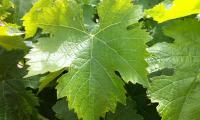
The soursop (oxheart, Buddha fruit, sharifa, sweet apple) is an exotic fruit that is mainly used to make soft drinks.
-
93 kcal
-
Water 73%
-
69/22/08
-
Ω-6 (LA) 0.15 g
-
Ω-3 (ALA) 0.86 g
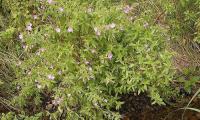
Stuffed vine leaves are a popular Mediterranean appetizer. Often not bought raw, but preserved in brine. Organic quality?
-
103 kcal
-
Water 71%
-
72/18/10
-
Ω-6 (LA) 0 g
-
Ω-3 (ALA) 0 g
The willowherb genus (Epilobium) includes numerous species. Willowherb herb is a registered medicinal product.
-
109 kcal
-
Water 69%
-
81/17/02
-
Ω-6 (LA) 0 g
-
Ω-3 (ALA) 0 g
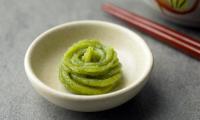
Wasabi root is edible raw as a spicy spice. Wasabi is also known as water horseradish, Japanese horseradish or green horseradish.
-
330 kcal
-
Water 54%
-
15/08/77
-
Ω-6 (LA) 0.38 g
-
Ω-3 (ALA) 0 g
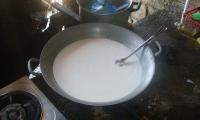
Coconut cream is similar to coconut milk, but thicker. Its mild, slightly sweet taste makes it a popular choice for cooking. Raw? Organic?
-
62 kcal
-
Water 85%
-
97/02/01
-
Ω-6 (LA) 0.02 g
-
Ω-3 (ALA) 0.00 g
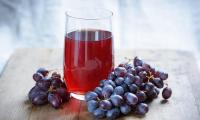
Grape juice is obtained by pressing red or white grapes. It also contains ascorbic acid and calcium (Ca). Raw? Organic?
-
90 kcal
-
Water 77%
-
85/13/02
-
Ω-6 (LA) 0.09 g
-
Ω-3 (ALA) 0.06 g
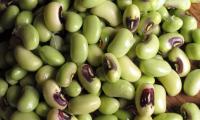
Unripe seeds of the raw cowpea (snake bean) are edible raw. They belong to the genus Vigna and not Phaseolus (garden bean) or Vicia (broad bean). Organic?