This page was translated through Google Translator
Tryptophan (Trp, W)
Tryptophan, the essential amino acid for body and mind. Besides its significant role in protein synthesis, tryptophan also plays a key role in regulating mood and sleep.
Read the article about the advantages and disadvantages, effects, etc. of tryptophan and which natural foods are best for it.
We provide science-based information on health, nutrition, and sustainability — independent of sponsors, the food industry, and dietary supplement manufacturers. Find out more: our mission.
A balanced, plant-based diet with few to no industrially processed foods generally provides sufficient macro- and micronutrients, with the exception of vitamin B12. However,phytochemicalsare particularly relevant for maintaining health and healing, even though they are not considered essential nutrients – apart from vitamins.
---
Definition
Tryptophan (Trp, W) is one of eight (ten in children, including histidine and arginine) amino acids considered essential (non-dispensable) for the human body. Humans use 21 proteinogenic amino acids. These are the building blocks of proteins. Except two (lysine and threonine), the body can adapt protein production to its needs, even though eight are traditionally considered essential.
Occurrence
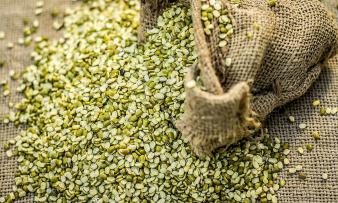
Seeds, legumes and spices are particularly rich in tryptophan.
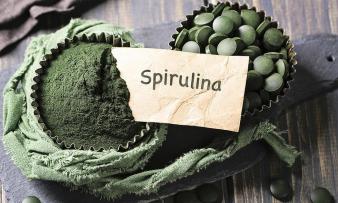
Some significant sources of tryptophan, such as spirulina (929 mg/100 g), dried parsley (475 mg), mustard seeds (502 mg), fenugreek seeds (391 mg), black mustard (380 mg), dried wild garlic (360 mg), or mustard powder (260 mg), are consumed in quantities too small to be included in the table. Processed vegan ingredients can also contain high levels of tryptophan, such as sesame flour (1097 mg) or cottonseed flour (752 mg).1
All the above-mentioned ingredients provide significantly more tryptophan than meat or fish. For comparison: eggs contain about 107 mg, milk only 80 mg.1
Many grains have a low content of essential amino acids, and tryptophan is only present in small amounts in vegetables and fruits. Nevertheless, a vegan would have to follow a very unbalanced diet to suffer from a persistent protein deficiency. Diseases such as kwashiorkor and marasmus, which result from prolonged protein and general energy deficiencies, are now rarely seen in the Western world.
L-tryptophan is frequently used as a dietary supplement and serves in particular as a mood enhancer, as it is a precursor to serotonin. Its intake is therefore closely linked to the suppression of depressive and anxious moods.16
Storage and Preparation Losses
Heating food denatures proteins, thus altering their properties. A fried egg is one example; it denatures due to the heat in the pan. When an egg is heated, the liquid yolk and the egg white, the main protein source, solidify. The proteins in the egg thicken, a process known as "coagulation" or "flocculation". The egg white coagulates at 60 °C, the yolk at 65 °C, and complete coagulation occurs at 70 °C.
The oxidation of an amino acid by reactive oxygen species can significantly affect its function.
Nutrition - Health
Tryptophan is an essential amino acid for all animals, synthesized by bacteria, fungi, and plants, while humans must obtain it exclusively through their diet. In addition to its role in protein synthesis, tryptophan also serves as a substrate for the formation of various neurotransmitters and hormones. Among other things, it is a precursor for the synthesis of serotonin in the brain and gut, as well as melatonin in the pineal gland.9,11 Tryptophan metabolites such as melatonin and similar substances like indole-3-propionic acid are potent antioxidants and bioenergetic agents that facilitate regeneration and protection against stress and aging.10
Furthermore, tryptophan is important for the cells of the intestinal mucosa and plays a role in regulating the immune system, the gut microbiota, the epithelial barrier, and the balance in the gut.12
It is now known that the body only irreversibly transaminates lysine and threonine, and that only these two are truly essential.5 Vegans with healthy eating habits obtain more than twice the required amount of tryptophan.
Specific eating habits, such as those of fruitarians (fruitarians, fructarians, fruganians) or the 80/10/10 (high-carb diet) and even more extreme diets, can lead to deficiencies over time. This often occurs over a long period without directly noticeable symptoms.
The Erb muesli recipe demonstrates that a healthy diet is possible even with an 80/10/10 ratio. It contains fresh, natural ingredients that are readily available.
The WHO recommends a daily intake of 4 mg of tryptophan per kg of body weight. For an average adult weighing 70 kg, this corresponds to approximately 280 mg per day.
However, according to scientific tables Geigy Vol. 2, p. 232, the minimum tryptophan requirement, including a 30 % allowance for individual variations, is only 3 mg/kg body weight. For a person weighing 70 kg, this would be 210 mg/day.
Deficiency symptoms
A tryptophan deficiency is rare. A natural vegan diet provides sufficient tryptophan, and increased muscle activity also leads to increased food intake. Infants are particularly at risk if they are weaned from breast milk too early and receive inappropriate nutrition.
Nutritionists have recognized that severe nutritional deficiencies in tryptophan or B vitamins in humans can lead to problems in the central nervous system (CNS). These include ataxia (impaired movement), cognitive impairment (difficulties with thinking processes such as memory, attention, or learning), and dysphoria (a state of general dissatisfaction or discomfort), often accompanied by hyperpigmentation of the skin.13
Long-term insufficient tryptophan intake can lead to fatigue and lethargy. Significantly reduced serum tryptophan levels can occur in fructose malabsorption. Very rarely, the genetic disorders tryptophan malabsorption syndrome (blue diaper syndrome) and Hartnup syndrome occur. These are due to a deficiency of a substrate-specific transport mechanism for L-tryptophan in the small intestinal and renal mucosa.14
Oversupply
Elevated tryptophan levels do not occur with a balanced diet. Since the amino acid regulates its own breakdown, an overdose is hardly possible.
Excessive tryptophan intake can cause kidney damage, while a moderate amount may be beneficial. In one experiment, researchers fed healthy rats diets containing 0,6 %, 1,2 %, and 1,8 % tryptophan for 12 weeks. They found that high tryptophan intake increased blood urea nitrogen (BUN) and caused kidney damage. In another experiment, rats with chronic kidney disease (CKD) received tryptophan at doses of 100 mg/kg or 500 mg/kg for eight weeks. A high dose increased mortality, serum creatinine, BUN levels, and kidney damage.
The tolerable upper intake level for tryptophan is 4,5 g per day, which is considered a safe limit for daily intake to avoid potential health risks from excessive consumption.15
The book * The China Study * impressively demonstrates, with good evidence, that we normally suffer from too much protein, not a lack of it (see detailed book review):Only in the last few years have scientists discovered that animal protein, which was considered to be the best protein quality (biological value), does not produce the best health, but the opposite.
Functions in the body
Tryptophan has the following functions in the body:2,3,4,5
L-tryptophan is involved in the synthesis of various proteins in the human body, e.g. in muscles, in apolipoprotein B100 (part of the LDL cholesterol transport molecule) and in enzymes.
It serves as a precursor for various neurotransmitters and hormones, such as serotonin and melatonin. The tissue hormone serotonin regulates many functions of the cardiovascular system, especially blood pressure. Serotonin also plays a diverse role as a neurotransmitter in the brain. It has mood-enhancing and sleep-promoting effects and can positively influence emotions. Tryptophan is therefore considered a natural antidepressant. Stress and the resulting elevated cortisol levels inhibit serotonin production, while nicotinic acid and vitamin B6 promote it.
Tryptophan is also the precursor of niacin (nicotinic acid, vitamin B3). This B vitamin, as NAD (nicotinamide adenine dinucleotide), is an important coenzyme in various metabolic reactions.
Absorption and Metabolism
The digestion of ingested proteins begins in the stomach with the action of pepsin. Pepsins break down the proteins into peptides. Further breakdown into individual amino acids occurs in the small intestine through the action of peptidases. Cellular uptake is facilitated by various carrier proteins, each specific to a particular amino acid group.
Three metabolic pathways are primarily involved in Trp metabolism: 1. the kynurenine (Kyn) pathway, 2. the 5-hydroxytryptamine (HT) pathway, and 3. the indole pathway.17
Kynurenine pathway (Kyn): The most important tryptophan (Trp) pathway is the kynurenine pathway; this pathway allows for the breakdown of >95 % of Trp into several bioactive compounds. Enzymes such as tryptophan 2,3-dioxygenase (TDO), indoleamine 2,3-dioxygenase (IDO1), and IDO2 play a crucial role in this pathway. This pathway is involved in inflammation, immune responses, and neurotransmission and is associated with various diseases.
5-Hydroxytryptamine (HT) pathway: The 5-hydroxytryptamine pathway plays an important role in various physiological processes. Tryptophan is converted to 5-HTP and then to 5-HT. 5-HT is an important neurotransmitter that regulates sleep, cognition, and eating behavior.
Indole metabolic pathway: The gut microbiota is also important for Trp metabolism, as it can directly convert Trp into molecules such as indole and its derivatives. These molecules are important for maintaining intestinal homeostasis and regulating the expression of pro- and anti-inflammatory cytokines.17
Storage - Consumption - Loss
Proteins are constantly being synthesized and broken down. 70-80 % of free amino acids are found in skeletal muscle, a smaller proportion in blood plasma. The liver is the central organ for amino acid regulation. The liver breaks down a significant portion of the amino acids and eliminates the nitrogen in the form of urea. This is then excreted via the kidneys through the bloodstream.
The majority of kynurenine degradation, approximately 90 %, occurs in the liver through the conversion of tryptophan to kynurenine by tryptophan 2,3-dioxygenase (TDO). The remaining kynurenine degradation occurs via indoleamine 2,3-dioxygenase (IDO) in the brain, gastrointestinal tract, and liver.18 The biological half-life of tryptophan is 15.8 hours.19
A study in rats indicated that enzyme activity in tryptophan metabolism partially decreases with age. This can lead to reduced biosynthesis of nicotinic acid, which is involved in almost all biogenetic and biosynthetic processes of the organism.7
Structure
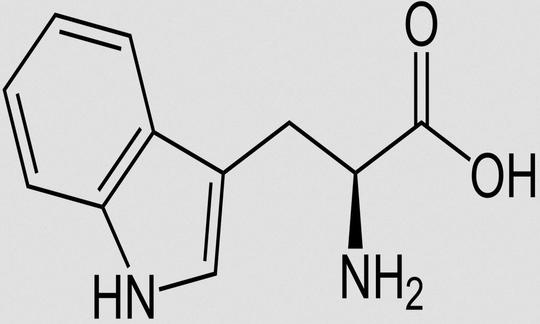
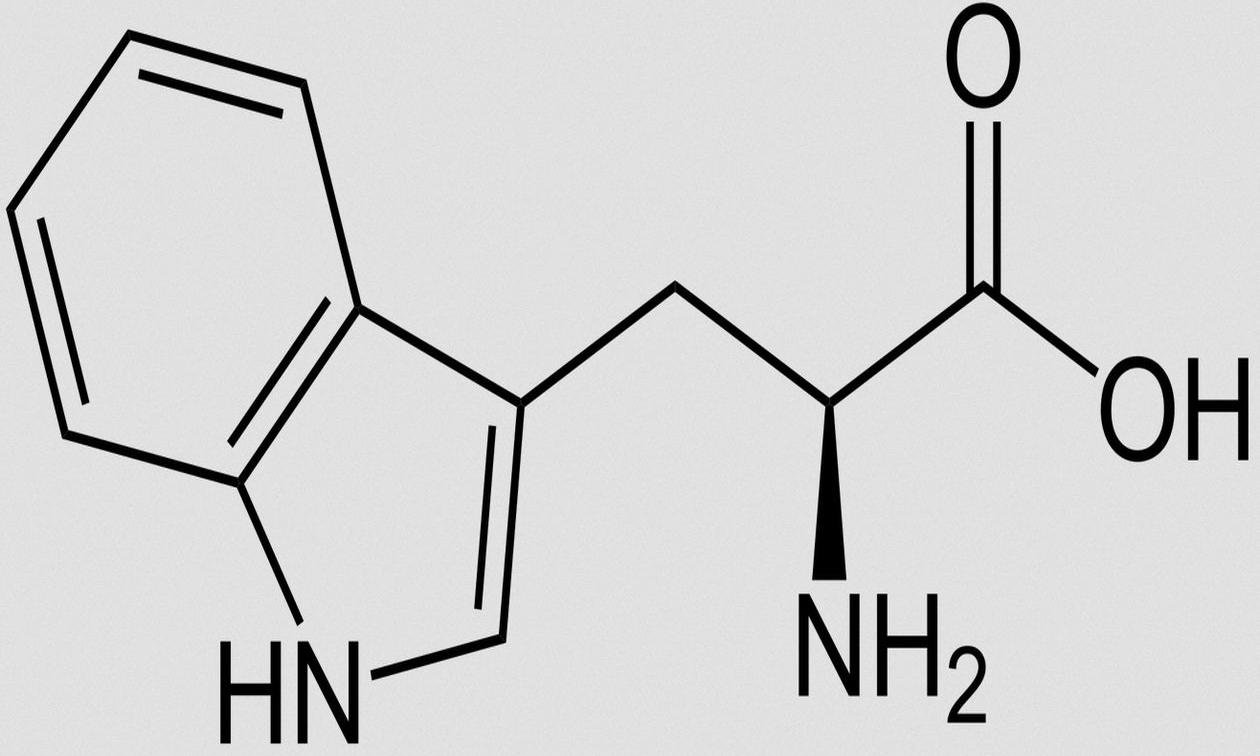
Tryptophan is a proteinogenic α-amino acid with an aromatic indole ring system. Along with phenylalanine, tyrosine, and histidine, tryptophan belongs to the group of aromatic amino acids.
IUPAC name: 2-Amino-3-(1H-indol-3-yl)propanoic acid. Other names: L(–)-α-Amino-β-indolyl-(3)-propionic acid. Molecular formula: C11H12N2O2. Abbreviations: Trp, W (one-letter code).19
Bissonnette B, Luginbuehl I et al. Blue diaper syndrome. In: Syndromes: Rapid Recognition and Perioperative Implications. 2nd ed. New York: McGraw-Hill Education. 2019.




Comments