
Foundation
Diet and Health
The best perspective for your health
The best perspective for your health
The best perspective for your health
The best perspective for your health
Showing 461-480 of 604 items.
-
524 kcal
-
Water 4%
-
04/31/65
-
Ω-6 (LA) 8.0 g
-
Ω-3 (ALA) 0.40 g
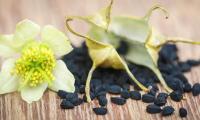
Black cumin (raw) is known as a spice and medicinal product. It aids digestion and gives dishes a spicy flavor. Organic quality?
-
31 kcal
-
Water 91%
-
60/34/06
-
Ω-6 (LA) 0 g
-
Ω-3 (ALA) 0 g
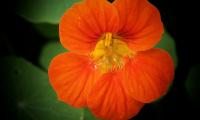
Nasturtium (raw, fresh) originally comes from South and Central America. It enriches salads with a pleasant spiciness. Organic quality?
-
37 kcal
-
-
76/17/07
-
Ω-6 (LA) 0 g
-
Ω-3 (ALA) 0 g
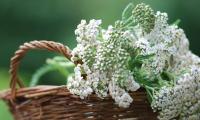
Common yarrow (basic herb) is a wild-growing medicinal plant with many uses in the kitchen, raw or dried. Organic quality?
-
59 kcal
-
Water 85%
-
72/13/15
-
Ω-6 (LA) 0.08 g
-
Ω-3 (ALA) 0.20 g
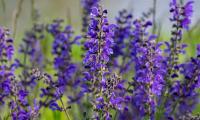
Flowers and leaves of meadow sage (Salvia pratensis) are used raw (organic?) as an ingredient in many dishes. As a medicinal plant, it inhibits fungi, viruses a
-
70 kcal
-
Water 75%
-
60/38/02
-
Ω-6 (LA) 0.03 g
-
Ω-3 (ALA) 0.07 g
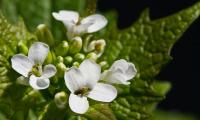
Garlic mustard, which is rich in vitamin C, is best eaten raw. When cooked, the taste reminiscent of garlic, mustard and pepper evaporates. Organic?
-
71 kcal
-
Water 76%
-
71/26/03
-
Ω-6 (LA) 0.20 g
-
Ω-3 (ALA) 0.05 g
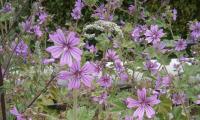
The wild mallow (Cheeseweed) is one of the oldest medicinal plants and has been well researched in clinical studies. It is used raw or dried. Organic?
-
33 kcal
-
Water 88%
-
88/09/03
-
Ω-6 (LA) 0 g
-
Ω-3 (ALA) 0 g
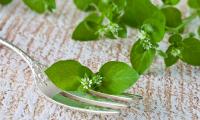
Common chickweed (chickweed) is a nutrient-rich and versatile food plant that is available in the wild almost all year round. Organic?
-
0 kcal
-
-
00/00/00
-
Ω-6 (LA) 0 g
-
Ω-3 (ALA) 0 g
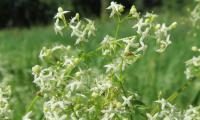
The shoots and flowers of the meadow bedstraw (Galium mollugo) are edible raw. The seeds are suitable for sprouting and the flowers are a popular flavoring. Org
-
132 kcal
-
Water 65%
-
81/17/02
-
Ω-6 (LA) 0 g
-
Ω-3 (ALA) 0 g
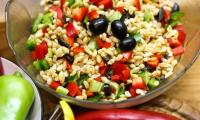
Cooked Kamut or Khorasan wheat is a good side dish for many dishes, similar to rice. Organic quality?
-
376 kcal
-
Water 3%
-
44/52/05
-
Ω-6 (LA) 2.1 g
-
Ω-3 (ALA) 0.01 g
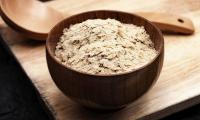
Brewer's yeast has a spicy, slightly cheese-like taste. It is therefore used for seasoning or as a cheese substitute in dishes. Arguments for organic.
-
41 kcal
-
Water 88%
-
92/03/05
-
Ω-6 (LA) 0.15 g
-
Ω-3 (ALA) 0.19 g
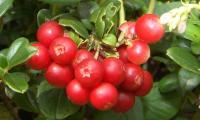
When raw, cranberries have a sour, slightly bitter taste. They are traditionally used to treat urinary tract infections. Organic quality is preferable.
-
48 kcal
-
Water 86%
-
65/28/07
-
Ω-6 (LA) 0.26 g
-
Ω-3 (ALA) 0.19 g
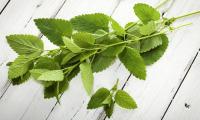
Lemon balm is the best-known type of lemon balm and is an aromatic spice both raw and dried. It is still used in medicine today. Organic?
-
262 kcal
-
Water 27%
-
97/03/01
-
Ω-6 (LA) 0.15 g
-
Ω-3 (ALA) 0.00 g
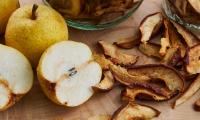
Dried pears can be found in stores as slices, chips, or whole pears, including organic ones, but they are rarely truly raw.
-
70 kcal
-
Water 80%
-
96/03/01
-
Ω-6 (LA) 0.04 g
-
Ω-3 (ALA) 0.00 g
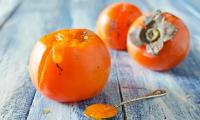
When raw, the persimmon has a sweet, apricot to pear-like aroma. The sometimes furry taste is due to tannins. Organic quality is preferable.
-
46 kcal
-
Water 87%
-
92/06/02
-
Ω-6 (LA) 0.04 g
-
Ω-3 (ALA) 0 g
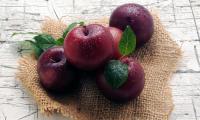
Raw plums (true plums) are perfect for compote, puree or an Asian plum sauce. Organic quality?
-
41 kcal
-
Water 88%
-
89/07/05
-
Ω-6 (LA) 0.19 g
-
Ω-3 (ALA) 0.02 g
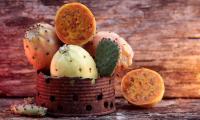
The raw prickly pear (prickly fruit, cactus pear, prickly fig, prickly pear) is a sweet, exotic fruit.
-
38 kcal
-
Water 89%
-
92/07/00
-
Ω-6 (LA) 0 g
-
Ω-3 (ALA) 0 g
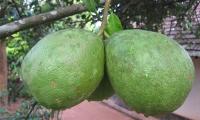
The raw grapefruit has a sweet, sour and bitter taste. It is considered the largest of all citrus fruits. It is the pumelo, not a pomelo.
-
42 kcal
-
Water 88%
-
94/04/02
-
Ω-6 (LA) 0.05 g
-
Ω-3 (ALA) 0.00 g
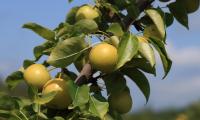
The Nashi pear has an ochre-colored skin with small brown speckles. The white, raw flesh is crunchy and tastes sweet and sour. Organic?
-
67 kcal
-
Water 83%
-
97/02/01
-
Ω-6 (LA) 0 g
-
Ω-3 (ALA) 0 g
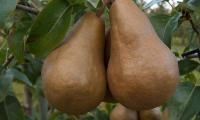
The Boscs pear is also called a bottle pear because of its shape. Ripe and raw, the pear has sweet, juicy flesh. Organic quality?
-
47 kcal
-
Water 87%
-
92/07/01
-
Ω-6 (LA) 0 g
-
Ω-3 (ALA) 0 g
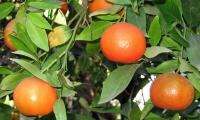
The clementine tastes pleasantly sweet and aromatic. It contains many minerals and is rich in vitamins.