
Foundation
Diet and Health
The best perspective for your health
The best perspective for your health
The best perspective for your health
The best perspective for your health
Showing 561-580 of 604 items.
-
69 kcal
-
Water 81%
-
94/03/03
-
Ω-6 (LA) 0.18 g
-
Ω-3 (ALA) 0.07 g
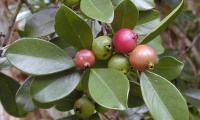
Strawberry guavas, raw (red or cherry guava) have a pleasant sweet and sour taste. They are smaller than the real guava. Prefer organic quality
-
79 kcal
-
Water 78%
-
94/06/01
-
Ω-6 (LA) 0 g
-
Ω-3 (ALA) 0 g
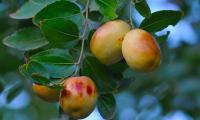
The Chinese jujube (Ziziphus jujuba, Azufaifa, jujube) is used in medicine (pharmacy) as a jujube tea. Raw? Organic?
-
281 kcal
-
Water 24%
-
100/00/00
-
Ω-6 (LA) 0 g
-
Ω-3 (ALA) 0 g
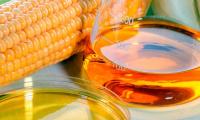
Corn syrup (high fructose corn syrup, HFCS, isoglucose etc.) or fructose-glucose syrup, glucose-fructose syrup, GFS is an unhealthy sweetener.
-
318 kcal
-
Water 21%
-
92/08/00
-
Ω-6 (LA) 0 g
-
Ω-3 (ALA) 0 g
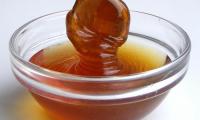
Malt syrup, also called malt extract, is made from barley that has been briefly germinated and then dried again. Organic is possible, but not raw.
-
344 kcal
-
Water 9%
-
70/28/02
-
Ω-6 (LA) 0.72 g
-
Ω-3 (ALA) 0 g
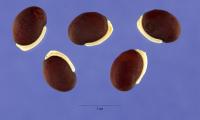
The ripe seeds of the Indian bean (Lablab purpureus, Dolichos lablab) contain a cyanogen-containing toxin that is destroyed by heating.
-
93 kcal
-
Water 73%
-
69/22/08
-
Ω-6 (LA) 0.15 g
-
Ω-3 (ALA) 0.86 g
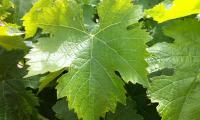
Stuffed vine leaves are a popular Mediterranean appetizer. Often not bought raw, but preserved in brine. Organic quality?
-
103 kcal
-
Water 71%
-
72/18/10
-
Ω-6 (LA) 0 g
-
Ω-3 (ALA) 0 g
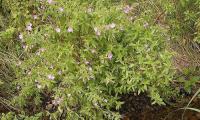
The willowherb genus (Epilobium) includes numerous species. Willowherb herb is a registered medicinal product.
-
109 kcal
-
Water 69%
-
81/17/02
-
Ω-6 (LA) 0 g
-
Ω-3 (ALA) 0 g
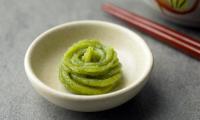
Wasabi root is edible raw as a spicy spice. Wasabi is also known as water horseradish, Japanese horseradish or green horseradish.
-
330 kcal
-
Water 54%
-
15/08/77
-
Ω-6 (LA) 0.38 g
-
Ω-3 (ALA) 0 g
Coconut cream is similar to coconut milk, but thicker. Its mild, slightly sweet taste makes it a popular choice for cooking. Raw? Organic?
-
22 kcal
-
Water 93%
-
54/34/12
-
Ω-6 (LA) 0 g
-
Ω-3 (ALA) 0 g
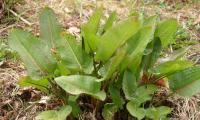
Raw sorrel (chaste tree) is a sour-tasting wild plant genus (Rumex spp.). Organic cultivars are available from sorrel.
-
31 kcal
-
Water 90%
-
79/20/01
-
Ω-6 (LA) 0.02 g
-
Ω-3 (ALA) 0.04 g
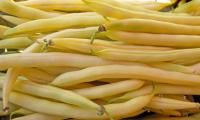
The yellow wax beans, especially in organic quality, are a delicate-tasting variant of the common beans. They are not edible raw.
-
0 kcal
-
-
00/00/00
-
Ω-6 (LA) 0 g
-
Ω-3 (ALA) 0 g
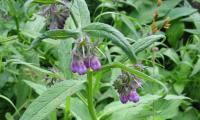
Today, comfrey (raw comfrey) is no longer used as a food plant, but for external applications. Organic quality?
-
33 kcal
-
Water 85%
-
43/52/06
-
Ω-6 (LA) 0.17 g
-
Ω-3 (ALA) 0.18 g
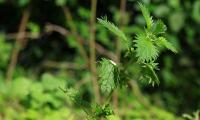
The small nettle (stinging nettle) is rich in vitamin C when raw. It is rarer than the large nettle. Organic quality?
-
0 kcal
-
-
00/00/00
-
Ω-6 (LA) 0 g
-
Ω-3 (ALA) 0 g
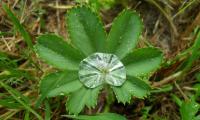
The common lady’s mantle (Alchemilla vulgaris) has a recognized medicinal effect on diarrhea, gastrointestinal and menstrual problems.
-
76 kcal
-
Water 78%
-
86/13/01
-
Ω-6 (LA) 0 g
-
Ω-3 (ALA) 0 g
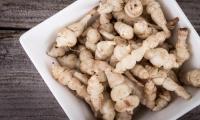
Tuberous beetroot (Stachys affinis), also known as Chinese artichoke, Japanese potato or simply stachys, is considered a rare specialty.
-
0 kcal
-
-
00/00/00
-
Ω-6 (LA) 0 g
-
Ω-3 (ALA) 0 g
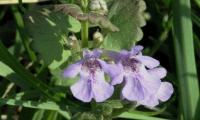
Raw ground ivy is known as ground ivy and ground ivy. The wild plant (organic?) is used as a spice plant due to its essential oils.
-
54 kcal
-
Water 85%
-
81/10/09
-
Ω-6 (LA) 0.23 g
-
Ω-3 (ALA) 0.23 g
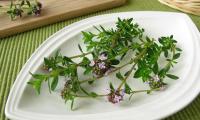
In contrast to summer savory, raw winter savory is spicy and hot with digestive and appetite-stimulating properties. Organic?
-
58 kcal
-
Water 82%
-
67/29/04
-
Ω-6 (LA) 0 g
-
Ω-3 (ALA) 0 g
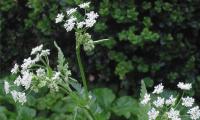
Raw cow parsley gives soups, salads and pickles a spring-like aroma. There is a risk of confusion with highly poisonous plants. Organic?
-
44 kcal
-
Water 87%
-
62/30/08
-
Ω-6 (LA) 0 g
-
Ω-3 (ALA) 0 g
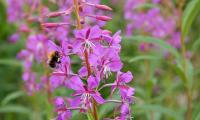
The narrow-leaved willowherb has many names, including fireweed. The leaves, roots, flowers and stems of the wild plant (organic?) can be eaten raw.
-
146 kcal
-
Water 5%
-
84/12/04
-
Ω-6 (LA) 0 g
-
Ω-3 (ALA) 0 g
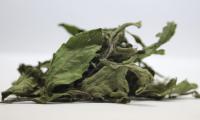
Dried leaves of stevia contain the sweetener stevioside and are many times sweeter than beet sugar, but are tooth-friendly and calorie-free.