

Healthy sweetness? Between myth and reality
What's the truth about "healthy sweetness"? We debunk common myths and show you what you should really pay attention to.
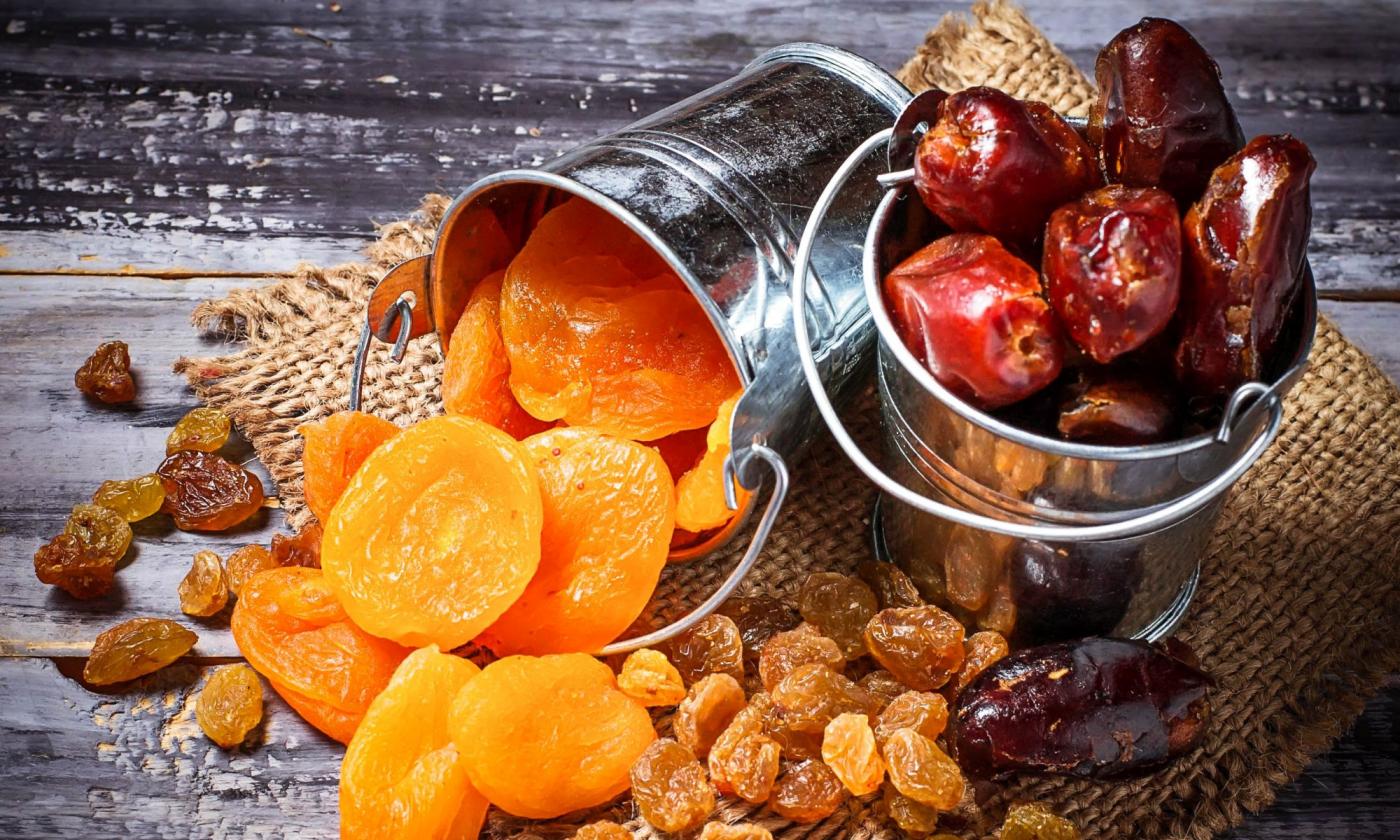
Table of contents
Introduction
Sugar shapes our diet in many ways – be it in its natural form in fruits, vegetables, and milk ( see the issue of milk ) or as added sugar in processed products.13
Between 1970 and 2020 , global sugar consumption tripled, which is alarming. High sugar consumption, especially from sugary drinks, is linked to obesity, tooth decay, cancer, metabolic syndrome, heart disease, and type 2 diabetes. In an effort to reduce sugar consumption, many people are turning to sugar alternatives —including synthetic sweeteners, sugar alcohols, and supposedly "natural" options like honey or agave syrup. But how healthy are these alternatives really? What effect do they have on our bodies and metabolism?
To answer these questions, we first need to clarify what sugar actually is and what role it plays in our metabolism. Then we can better understand why some people find it so difficult to resist sweet foods – despite the health risks.
What is sugar? Occurrence and effects
Sugar comprises various chemical compounds within the group of carbohydrates. These molecules – called saccharides – differ in their structure and chain length. Carbohydrates are the central energy source for the human body and perform essential functions in metabolism.
In everyday language, the term sugar is only used for simple and double sugars (short-chain carbohydrates) because they have a more or less sweet taste:13,42
- Monosaccharides (simple sugars = a single basic building block)
- Glucose (dextrose)
- Galactose (component of lactose/milk sugar)
- Fructose (fruit sugar)
- Disaccharides (double sugars = 2 linked monosaccharides)
- Sucrose (table sugar: glucose + fructose)
- Maltose (2 glucose units)
- Lactose (milk sugar: glucose + galactose)
Simple and double sugars occur naturally in fruits and vegetables, but there they are incorporated into or "enclosed" within the cell structure. In addition, simple and double sugars can exist as "free sugars": in the form of glucose, table sugar, free fructose, maltose, as well as in honey, syrup, or fruit juices.
Complex carbohydrates and polysaccharides are found predominantly in grains, vegetables, and fruits, and in smaller quantities in seeds and nuts. They are generally not sweet but have a neutral taste.
- Oligosaccharides (complex sugars; 3-10 simple sugars)16
- Raffinose (triple sugar: fructose + galactose + glucose)
- Stachyose (quadrisaccharide: 2 galactose + glucose + fructose); has a positive effect on the gut microbiome.
- Oligofructose (3-10 fructose units); has a positive effect on the gut microbiome (prebiotics); despite having 10 sugar units, it is classified as an oligosaccharide due to its functional properties.
- Polysaccharides (complex sugars; ≥ 10 monosaccharides)
- Starch (two α-D-glucose polymers: amylose and amylopectin); plant energy store, digestible for humans
- Glycogen (branched α-D-glucose polymers); animal energy storage; in case of energy surplus, cells build glycogen from glucose to store it in muscles and liver.
- Cellulose (linear β-D-glucose); a plant structural component, indigestible for humans.
The distinction between oligosaccharides and polysaccharides is not precisely defined – different sources use different threshold values. Although the boundary is fluid, the general rule is: oligosaccharides contain 3-10 single sugar molecules, and polysaccharides contain 10 or more single sugar molecules.
Dietary fiber is also a type of carbohydrate. Most dietary fiber (also called fiber in the form of sugars) consists of polysaccharides. Starch, a digestible polysaccharide, is not a dietary fiber. Examples of dietary fiber include cellulose, pectins, hydrocolloids, and fructo-oligosaccharides. More information can be found in the linked article on dietary fiber.
The length and structure of sugar molecules influence the rate of digestion, blood sugar regulation, and insulin secretion. Insulin regulates the uptake of glucose into cells and supports glycogen storage in the liver and muscles.42
Simple sugars like glucose and fructose pass directly through the intestinal wall into the bloodstream, causing a rapid rise in blood sugar levels. This triggers a strong release of insulin to transport glucose into body cells. Disaccharides, such as sucrose or lactose, first undergo enzymatic breakdown in the small intestine before absorption can occur. Blood sugar also rises rapidly, but slightly more slowly compared to monosaccharides. Polysaccharides and complex carbohydrates consist of long chains of sugar molecules. Their enzymatic breakdown occurs gradually, allowing for a steady rise in blood sugar. The insulin response is moderate. Complex carbohydrates, such as dietary fiber, prove particularly beneficial, as they further slow glucose absorption, promote intestinal health, and improve insulin sensitivity in the long term.16,42
The glycemic response – that is, the rate and extent of the rise in blood sugar after consumption – depends heavily on the composition, quantity, and fiber content of the food.
The impact of carbohydrate-containing foods on blood sugar levels is often assessed using the glycemic index (GI) and the glycemic load (GL).
- The glycemic index (GI) indicates the blood sugar-raising effect, or insulin release, of 50 g of carbohydrates from a food. The reference value is the blood sugar-raising effect of 50 g of glucose (GI = 100). The GI is only of limited use because it only considers the quality of the carbohydrates, not the quantity consumed.
- The GL (glycemic load) calculates the GI (glycemic index) value based on the actual carbohydrate content consumed per serving. The problem with this value is that serving sizes often don't correspond to the actual amounts consumed.
Foods with a low GI and GL are considered "metabolism-friendly." However, GI and GL do not indicate how healthy a food is, as they ignore factors such as nutrient composition. Furthermore, foods high in fructose have little effect on blood sugar, which is why they have a low GI and GL. However, excessive fructose intake has a negative impact on the liver, insulin sensitivity, and lipid metabolism.
Health problems associated with high sugar consumption
A consistently high consumption of simple and double sugars increases the risk of insulin resistance. In this condition, body cells lose their ability to respond appropriately to insulin. Insulin normally binds to receptors on the cell surface and activates glucose transport channels. In insulin resistance, this signaling effect remains weakened. Although insulin is present, the cell cannot absorb the glucose. This leads to a reduction in ATP production, which impairs cell function and regeneration. Muscle cells, in particular, lose performance and regenerative capacity. The cell reacts with oxidative stress, inflammatory processes, and altered gene expression—for example, in fat metabolism. Cell aging and apoptosis (programmed cell death) increase. Furthermore, blood sugar levels decrease only slowly, causing further physical problems.42
High sugar consumption is associated with weight gain, obesity, and high triglyceride levels, which can lead to cardiovascular disease, diabetes, and metabolic disorders.10
Added sugar is particularly problematic. We add it during the production, processing, or preparation of food, and it is found in sweets, beverages, and many processed foods. Added sugar, such as table sugar (sucrose), sweetens food without providing essential nutrients. Besides its sweetening effect, sugar also fulfills numerous technological functions, serving as a preservative, humectant, solvent, stabilizer, and flavor enhancer.6,13
The World Health Organization (WHO) recommends limiting the intake of free sugars to at least 10 % of total energy intake. Even better would be a total intake of less than 5 %.43
As mentioned above, free sugar refers to added sugars (glucose, table sugar, fructose, maltose) as well as sugars not bound to cell structures, such as those found in honey, syrups, or fruit juices. The maximum amount of 5-10 % for a 2000 kcal diet equates to 25-50 g of sugar. This is equivalent to 330 ml of cola, 1 tablespoon of agave syrup, 2 tablespoons of honey (approximately 25 g each), or 14 sugar cubes (50 g each).
There are no adverse health effects associated with consuming little or no free sugar, as the body can produce glucose from complex carbohydrates.43 Furthermore, fruits and vegetables also contain simple and double sugars. These are generally "bound" into the cell structure – meaning they are not "free." During digestion, the sugar is released and becomes available to the body as an energy source.
Addicted to sweets: Why is sugar so tempting?
The human preference for sweet foods is widespread across cultures and changes throughout life. A sweet taste is often associated with positive emotions such as affection and reward. The enjoyment of sweets is therefore considered a "universal human weakness". 7
People often reach for sweet foods out of habit or emotional need – often unconsciously. But what underlies this craving for sweets? The influences are diverse and can be traced back to biological as well as socio-psychological reasons.
Biological reasons
Sweet molecules such as sugars, which are mainly found in plants (e.g., fructose, sucrose, and glucose ), as well as lactose from the milk of many animal species, serve as energy sources and flavor carriers. The preference for sweet tastes facilitates the identification of energy-rich foods—especially those containing glucose, which is essential for brain metabolism.5 This is likely an innate preference that helped our ancestors recognize glucose sources in plants and thus meet their energy needs.3
The sweet taste also helps to identify edible foods. Inedible berries often have a bitter taste. However, there are exceptions, such as belladonna, yew berries, and arum berries, which are sweet but poisonous.
Why can we be addicted to sugar? When we eat something sweet, two areas in the brain are activated, which are linked to the reward system (dopamine release). The mesolimbic system reacts to sugar in the mouth and intestines. It increases our craving for sweets and boosts our motivation to deliberately choose sweet foods. The nigrostriatal system reacts to sugar in the intestines. Activation of this area leads to conditioning, and we routinely reach for the sweet snack. The simultaneous activation of both systems ensures that we perceive sugar as palatable and that it remains in our memory. Studies in mice suggest that dopamine release is not necessary to like sugar, but it does increase cravings and controls learned associations (triggering positive emotions).4
Why do humans consume unhealthy things? As the example of sugar shows, it triggers a dopamine release, which leads to a craving for it. This is the same mechanism as with alcohol and drugs. Sugar, alcohol, and drugs all activate the mesolimbic system, which, with repeated consumption, leads to learned "positive associations" and strengthens the craving for these substances. Alcohol and drugs stimulate other systems as well, and the dopamine release is stronger than with sugar, which is why they cause faster and stronger addictions. The reward system was extremely useful from an evolutionary perspective and is still important today. However, it has become problematic due to the rapid availability and overabundance of dopamine-releasing substances and actions. Fortunately, addiction is a learned pattern, which is why it is treatable—although it often takes the body a very long time to overcome the conditioning.
Physical activity also influences the preference for sweet tastes. Short bursts of exercise can increase the perception of sweetness as well as the preference for sweet foods. In contrast, regular, long-term physical activity leads to a decreased preference for sweetness. This means that people who are regularly physically active tend to prefer sweet foods less often than less active individuals.2,5 A study of people with diabetes also found that regular aerobic exercise increased sensitivity to sweet tastes, especially at higher blood sugar levels, while simultaneously reducing the preference for sweet foods. These changes likely contribute to better blood sugar control.36 This is a fascinating paradox—more exercise increases energy expenditure, yet the craving for sweets often decreases. We perceive the sweet taste more intensely, which reduces the desire for it.5
Age also plays a significant role in the preference for sweets. According to studies, children and teenagers prefer sweets more than young adults. Older people also tend to have a stronger preference for sweets, especially older men. The higher energy requirements during growth phases and the biological need to recognize calorie-dense foods could explain this pronounced preference in children. With increasing age, the sense of taste diminishes, leading to a preference for sweet tastes. Furthermore, psychosocial factors such as loneliness or limited food choices may also play a role in why older people prefer sweet foods.
Other biological factors influencing the preference for sweet foods include chronic stress, elevated fasting blood sugar, an increased basal metabolic rate, and a higher body mass index (BMI).5
Socio-psychological reasons
Sweet taste is associated with love and romance in many languages. Studies show that this connection influences our behavior and perception. For example, people who thought about romantic love rated water as sweeter than those who thought about jealousy. Furthermore, consuming sweet snacks led people to view relationships more positively and show greater interest in new romantic relationships. Sweet taste can therefore enhance the perception of romance and attraction.
The preference for sweet foods is culturally and regionally influenced. People from Western countries like Australia, Europe, or the USA generally prefer sweeter foods and drinks than many Asians. Differences also exist within Asia: In South Asian countries like Malaysia or India, the preference for sweets is often stronger than in East Asian countries like China, Japan, or Korea. For example, Malaysian and Indian children prefer sweeter drinks than Chinese children. Cultural eating habits and the familiarity with certain foods play a central role. It turns out that the easier the access to sweet foods, the stronger the preference for them. The "craving" for sweets is a habit.
Media also play a central role in influencing our eating habits – especially those of children. A 2022 US study shows that approximately two-thirds of food and beverage advertisements on television promote products with a high sugar content. Breakfast cereals and sweets are particularly affected. Low-calorie sweeteners, sugar alcohols, and natural low-calorie sweeteners like stevia also appear in advertisements, but much less frequently. Children aged 2 to 11 are especially exposed to advertisements for products high in sugar . This constant advertising presence demonstrably influences their preferences , eating habits, and purchasing decisions. Experts are therefore calling for stricter controls on such advertising content – not only on television, but also on social networks and other digital channels, which now play a crucial role.
What are some alternatives to refined sugar?
Table sugar (sucrose) consists of 99 % sucrose, which is obtained from sugar cane or sugar beets. Colonial sugar cultivation began in the 16th century on plantations in the Caribbean, South America, and Africa. From the 19th century onward, sugar beet cultivation gained importance in Europe. Industrial refining made sugar affordable and thus suitable for mass consumption – it lost its luxury status and became part of the daily diet. In the 20th century, consumption rose rapidly, as it was used not only as a direct sweetener but also increasingly in industrial food production.
Due to increasing criticism of refined sugar, interest in sugar alternatives rose. This led to the development of synthetic sweeteners and sugar substitutes, as well as the widespread marketing of "natural" sweeteners such as coconut blossom sugar, corn syrup, agave syrup, and maple syrup.
Sweeteners and sugar substitutes (sugar alcohols)
Artificial sweeteners established themselves as an alternative to refined table sugar (sucrose). Their sweet taste and lower calorie content met with widespread approval among many consumers.9
Artificial sweeteners first appeared on the market during the 19th century, but it wasn't until the 1990s that they spread rapidly – coinciding with the rise in obesity and growing concern about high sugar consumption. Their low calorie content quickly contributed to their popularity. As research increasingly demonstrated the link between excessive sugar consumption and chronic diseases, more and more food manufacturers incorporated artificial sweeteners into their products. Manufacturers presented them as a healthier alternative, especially for diabetics and those watching their weight.8,35
Synthetically produced sugar substitutes are divided into sweeteners and sugar alcohols. Sweeteners provide few or no calories, but taste many times sweeter than sugar. Sugar alcohols are similar to sugar in their chemical structure, but contain fewer calories. They are less sweet than sugar and do not promote tooth decay. However, in larger quantities, they can cause bloating, cramps, or diarrhea. To improve taste and sweetness, manufacturers often combine both types. Some sweeteners, such as aspartame or sucralose, taste significantly sweeter than table sugar.
They are produced in different ways: from plants (e.g., stevia), from plant substances (e.g., neohesperidin from citrus fruits), synthetically (e.g., saccharin), or with the help of microorganisms (e.g., erythritol).17
Sweeteners and sugar substitutes are considered food additives and serve as calorie-free or reduced-calorie alternatives to sugar. They are found in numerous processed products, such as beverages, confectionery, and dairy products, and must be listed on food packaging. Nowadays, sugar alternatives are found not only in food but also in dental care and pharmaceuticals, for example, in toothpaste, caries-preventive products, and dietary supplements.
The following sweeteners and sugar substitutes are officially permitted in Europe (as of 2023):1
| Sweeteners (non-nutritive sweeteners) | Sugar substitutes/sugar alcohols (polyols) |
| Acesulfame K Aspartam Aspartame-Acesulfame salt Cyclamate saccharin Sucralose Thaumatin Neohesperidin Steviol glycosides (Stevia) Neotam Advantages | Sorbit Mannitol Isomalt Polyglycitol syrup Maltitol Lactitol Xylitol Erythritol |
Artificial sweeteners are particularly popular because they contain hardly any calories and do not directly affect blood sugar levels. Especially in the fight against obesity and diabetes, they were long considered a harmless alternative to sugar. Therefore, many people reach for low-calorie products or those advertised as "sugar-free" and "diet food"—which almost always contain artificial sweeteners. However, a growing number of studies are now showing that these substances are not as harmless as advertising suggests. While they provide hardly any calories, they can still stimulate appetite, influence eating habits, and contribute to weight gain and glucose intolerance in the long term.8,9,10
Numerous globally renowned brands contain these food additives, especially highly processed foods such as artificially sweetened beverages, snacks, low-calorie ready meals, or dairy products.
In 2020, artificial sweeteners were used in an estimated 23,000 products. They are also popular as a granulated sweetener for coffee and tea. The global market for these sweeteners is growing steadily and is projected to reach almost US$10 billion by 2028.
Aggressive marketing led to overuse. At the same time, the rise in diseases such as obesity, metabolic syndrome, and diabetes contributed to people more frequently opting for sugar-free alternatives and thus for products containing artificial sweeteners.10
Artificial sweeteners can cause insulin levels in the body to rise – even though they themselves contain no sugar. This is because our body reacts to the sweet taste. It "thinks" that sugar is about to enter the bloodstream and releases insulin as a precaution. Theoretically, this effect could cause blood sugar levels to drop too low, leading to cravings (a strong urge, an immediate need for sweets). Thirteen human studies have so far been unable to definitively confirm or refute this theory. The effect of sweeteners on insulin release varies depending on the substance. Saccharin and sucralose triggered a slight insulin release, while aspartame, steviol glycosides, and cyclamates did not. However, what is proven is that sweeteners neither activate the release of satiety hormones nor inhibit the release of appetite-stimulating hormones. Initial studies suggest that certain sweeteners—compared to sugar—have a weaker effect on the brain's reward system, which could promote cravings for "real" sweet energy.44,45,46
Regular consumption of intensely sweet zero-calorie products accustoms our palate and sense of taste to a high level of sweetness. This can lead to the natural sweetness in fruits seeming less sweet and therefore less satisfying. As a result, we continue to consume heavily sweetened products or seek even sweeter alternatives to achieve the desired sweetness. Just as with salt consumption, our sense of sweetness can be restored to a normal level by gradually reducing sugar intake.
Non-nutritive sweeteners, even in small amounts, have been shown to alter the composition of our gut flora. The microbiome, which consists of communities of bacteria, viruses, and fungi in the gut, plays a central role in our health. These microbes help convert food into enzymes, hormones, and vitamins. When we eat fiber-rich foods like fruits, vegetables, and nuts, they produce compounds that reduce inflammation and have a positive impact on our health. Regular consumption of sweeteners, on the other hand, can alter the microbiome in ways that negatively affect metabolism.14
Although health authorities, such as the European Food Safety Authority ( EFSA ) and the US Food and Drug Administration ( FDA ), have set limits for consumption, these substances remain controversial. A growing number of studies point to potential health risks.9 They link regular consumption of artificial sweeteners to an increased risk of type 2 diabetes, premature mortality, and gastrointestinal changes—as well as an increased risk of cardiovascular disease, an unfavorable total-to-HDL cholesterol ratio, high blood pressure, and stroke.8,9
New findings have also emerged regarding cancer. People who regularly consume artificial sweeteners such as aspartame and acesulfame-K, which are found in many food and beverage brands worldwide, have a higher risk of developing breast cancer and obesity-related cancers.11
In some countries, such as the USA, certain sweeteners are banned due to potential health risks, such as suspected cancer, but they remain permitted in the EU.13
"Natural" sweeteners
As a result of increased criticism of sweeteners and sugar substitutes, more and more people are turning to so-called "natural" sweeteners such as coconut blossom sugar, honey, date syrup, agave syrup, corn syrup, maple syrup, and apple or pear syrup. At first glance, they appear healthier, more sustainable, and less harmful. However, their natural origin alone does not automatically make them safe.
Many of these products are just as heavily processed as regular table sugar and provide hardly any relevant nutrients. Manufacturers often lure consumers with misleading health claims, even though the effects on blood sugar levels, dental health (tooth decay), and the environment are just as concerning. Therefore, it's worth taking a critical look at supposedly "natural" sugar alternatives – with the goal of consciously limiting or completely avoiding consumption.
Coconut blossom sugar
Coconut blossom sugar is usually in the form of a brown, granular powder; coconut blossom syrup also exists. It has a caramel-like flavor, not a coconut one . It is made from the heated nectar of the coconut palm. In cooking, coconut sugar is primarily used in cakes, pastries, and cookies with brown dough, replacing white granulated sugar.
The calorie content, however, is practically identical: table sugar has 387 kcal and coconut blossom sugar 388 kcal per 100 g.23 The composition is also similar: a study by the Bavarian State Office for Health and Food Safety shows that coconut blossom sugar consists of an average of 90 % sucrose. Thus, coconut blossom sugar hardly differs from regular table sugar in its sugar structure.24
Nevertheless, manufacturers often promote coconut sugar as "healthier." A popular selling point is the so-called glycemic index (GI). Coconut sugar, with a GI of 35 , is said to cause blood sugar levels to rise more slowly than white sugar (GI 68). However, this value cannot be definitively determined – it depends on the production method, the type of palm, and the age of the trees. Studies show GI values between 35 and 54. For advertising purposes, suppliers usually only emphasize the lowest value.
What's particularly problematic is that some brands even recommend coconut sugar for diabetics. A scientific study compared the rise in blood sugar after consuming 50 g of coconut sugar, table sugar, and brown sugar. The result: All three types of sugar led to a comparably strong increase in blood sugar levels. Coconut blossom sugar is therefore not a healthier choice and not a suitable alternative to table sugar for diabetics.28
The land required for coconut palm cultivation is often linked to land grabbing, deforestation, and the destruction of local biodiversity. To meet the high demand, monocultures are rarely planted, rather than mixed crops. A study by the University of Exeter shows that the coconut industry threatens an average of 60 species listed on the IUCN Red List.
Honey
Honey is a sweet substance that bees produce from plant nectar, secretions from living plant parts, or excretions of plant-sucking insects, making it suitable for human consumption. For a long time, people have used honey as a food, as well as for coughs, colds, sore throats, as an anti-aging remedy, and to strengthen the immune system.
Honey is often considered a healthy natural product and an alternative to sugar. It is attributed with numerous positive effects on health, such as anti-inflammatory and antioxidant properties, as well as support in the treatment of various diseases.19
However, there are also problems with honey that many people are unaware of. With the rapid growth of the food industry, the number of product adulterations has also increased. Adulteration occurs either directly through mixing honey with cheap sugar syrup to save costs, or indirectly through overfeeding bees with sugar syrup to increase the harvest. The most common sugar syrups used to adulterate honey are corn syrup, high fructose corn syrup (HFCS), invert sugar syrup, and cane sugar syrup.19
The addition of sugar and other substances not only causes honey to lose its valuable properties, such as its protein content and antioxidants, but can also cause serious health problems, including high blood pressure, fatty liver, kidney problems, obesity, and type 2 diabetes.19
A recent review study shows that honey consumption has no significant positive effects on metabolism in healthy, non-diabetic individuals. In type 2 diabetics, high honey consumption not only raises blood sugar levels but also worsens other metabolic parameters. Thus, honey, long considered a healthy natural product, is quickly losing its good reputation.
Besides health aspects, the well-being of bees also plays a central role. Honeybees are responsible for over 80 % of plant pollination. Without their work, many plants could not grow or reproduce. They are therefore crucial for our food production, and their health is closely linked to the health of our ecosystem.20
Furthermore, by consuming honey, we deprive bees of their food source. Honey is especially vital for the survival of these tiny creatures during the cold winter months and serves as protection against disease. However, artificial substitutes, usually nutrient-free sugar water, can make the insects sick and disrupt their normal cell metabolism (more on this in the article about honey). Therefore, we should be more mindful of our honey consumption – for the sake of our health and the well-being of bees.
Date syrup
Date syrup is increasingly used in sweets, snacks and baked goods – often advertised as a healthier alternative to table sugar.
Despite its natural origin, the production process is anything but gentle: To make the syrup, the dates are mixed with water and this mixture is heated for about an hour at 70°C to extract the sugar. This process destroys many heat-sensitive nutrients – what remains is primarily a dark-colored sugar concentrate, comparable to other industrially processed syrups.21
Another important point is the environmental impact. From an ecological perspective, date syrup is not a harmless natural product, but a highly processed food with significant energy expenditure. Processing dates into syrup consumes a great deal of energy. While the ecological footprint of dates is around 0.54 kg CO₂ eq/kg, this value rises to 1.40 kg CO₂ eq/kg for date syrup.22
agave syrup
Agave syrup, also known as agave nectar, is a sweet substance obtained from the agave plant (Agave spp.), primarily from the blue agave (Agave tequilana), which grows mainly in Mexico. In the food industry, it is used as a natural sugar substitute in products such as cookies, gluten-free cakes, and granola bars.29
It consists largely of fructose (up to 90 %), which makes it very sweet. Small amounts are sufficient to achieve a similar sweetness to other syrups. However, the calorie content per 100 g is comparable: agave syrup has 310 kcal per 100 g and table sugar 387 kcal per 100 g. The term "low-calorie sweetener" is therefore misleading.
In some regions, agave syrup is popular because of its low glycemic index (10–27). This value is significantly lower than that of honey or table sugar. It is sometimes considered more suitable for diabetics, as a low glycemic index causes a smaller rise in blood sugar levels. However, the glycemic index can vary considerably depending on the composition of a food. For example, much depends on which types of sugar and nutrients a food contains and how it is processed or prepared. The amount consumed also plays a role. Therefore, the glycemic index alone is insufficient to assess the health effects of a food—and especially a sweetener. It is more sensible to also consider the overall diet and other nutrients. Those who rely solely on the glycemic index are easily misled and believe they can consume more low-index sweeteners than regular sugar.
The regular consumption of highly processed, fructose-rich syrups is particularly problematic. Too much fructose can lead to fat accumulation in the liver, which is linked to insulin resistance, elevated triglyceride and cholesterol levels, and cardiovascular disease. The sugar content affects body weight similarly to other types of sugar. A calorie is a calorie—regardless of whether it comes from agave syrup or table sugar. Therefore, manufacturers should communicate responsibly and not give the impression that agave syrup is inherently a better choice.
Corn syrup (High Fructose Corn Syrup, HFCS)
High fructose corn syrup, also known as HFCS, is an industrially produced sugar syrup made from corn. A multi-stage chemical process allows for the conversion of corn to cornstarch, then to glucose, and subsequently to the partial conversion of glucose to fructose. Today, HFCS is found in numerous products such as beverages, baked goods, canned fruits, sauces, soups, and dairy products—primarily in the USA. Despite its high fructose content, high fructose corn syrup also has a very high GI (115) and GL (89).
Since the 1970s, the food industry has used high-fructose corn syrup (HFCS) as a substitute for table sugar in many foods and beverages. The syrup contains 42–55 % fructose. Fructose tastes sweeter than regular sugar, so a smaller amount is often sufficient to achieve the same sweetness. Nevertheless, HFCS is not considered a healthier sweetener.34 The problem lies primarily in the high fructose content: The body stores up to 20 % of the fructose in the liver, and a large portion is converted into unfavorable lipoproteins (LDL). High consumption can promote non-alcoholic fatty liver disease.32 Parallel to the increased use of HFCS in the USA, the number of obese people has also risen significantly. Researchers suspect that this connection plays an important role in the development of the obesity epidemic. Between 1970 and 2000, total fructose intake in the USA increased by almost 30 %.34
Studies also show that the addition of sugar and high-fat corn syrup to beverages is linked to various metabolic disorders and heart disease. At the same time, the risk of premature death increases. HFCS is therefore considered a harmful sweetener. The body processes table sugar and HFCS in almost identical ways. Therefore, no significant difference is observed in blood sugar levels, calorie intake, fat metabolism, or inflammation. Overall, HFCS does not represent a healthier alternative to table sugar.32,33
Those suffering from fructose intolerance or malabsorption should therefore avoid corn syrup, as it can lead to bloating or diarrhea.
Maple syrup
Maple syrup is a sap thickened by boiling, obtained from various maple species (Acer spp.), but primarily from sugar maple ( Acer saccharum Marsh.). Canada is the world's largest producer of maple products and accounts for almost 71 % of global maple syrup production.37
Maple syrup is often considered a natural sweetener and a better alternative to table sugar. However, its production is more environmentally damaging than many realize. Producing one can of maple syrup generates approximately 600g of CO2 emissions, which is roughly equivalent to driving a car 1,7 kilometers. More than half of maple syrup's CO2 footprint is attributable to the processing. Around 50 % of maple syrup is produced using an oil-fired evaporator, which generates significant greenhouse gas emissions when burning oil for heat.
Caution is also advised from a health perspective, as maple syrup is relatively high in calories at 260 kcal per 100 g. It consists of approximately 67 % carbohydrates, with around 60 g of sugar per 100 g.
Maple syrup has a glycemic index and glycemic load of 65 and 43, respectively. These high values indicate a strong insulin response. Due to its high sugar content, excessive consumption of maple syrup leads to diet-related diseases such as obesity and diabetes. Therefore, for both environmental and health reasons, maple syrup is not a better choice than sugar.
Apple syrup and pear syrup
Apple and pear syrups are produced by simmering or thickening apple and pear juice for hours. They are thick, syrupy liquids with a very sweet, intense aroma. Although derived from fruit, apple and pear syrups are not complete fruit products. Vitamins, fiber, and phytochemicals are present only in trace amounts, as most are lost during processing.
We were unable to find any GI and GL values for apple and pear syrup (Birnel). These values should not be confused with those of apple and pear juice, which are significantly thinner.
Apple juice contains approximately 5,7 g of fructose per 100 g, and apple syrup contains approximately 46,9 g per 100 g. Depending on the producer, the fructose content can be even higher. Excessive fructose consumption can lead to liver strain and lipid metabolism disorders. Those suffering from fructose intolerance or malabsorption should avoid apple and pear syrup, as these can cause bloating or diarrhea.
Sweets made from unprocessed foods are significantly more environmentally friendly, as processing, for example from apple to apple juice concentrate, consumes further resources and causes more emissions.
Are sugar alternatives now the better choice?
According to our research, the numerous alternatives are hardly healthier than table sugar. Every sweetener has its advantages and disadvantages. Those who replace table sugar with other highly processed foods like agave syrup or coconut blossom sugar are also consuming free sugars – just in a different form. Artificial sweeteners and sugar substitutes have their own set of problems. They are produced exclusively through industrial synthesis processes and are not natural components. Due to their potentially negative health effects, complete avoidance is recommended for most people from a preventative health perspective.
It's important to remember: sugar alternatives are and remain sugar. Use them in your daily life just as sparingly as you would refined table sugar. If you wouldn't sprinkle table sugar over your muesli or smoothie, please don't reach for agave syrup, xylitol, or coconut blossom sugar either. The real danger of many sugar alternatives lies in their positive image. Many people therefore consume them carelessly – and often in excessive amounts. Those who use sugar alternatives should treat them like table sugar and consume them only occasionally and in small quantities.
The image that "natural" sweeteners are healthier than conventional table sugar is based on marketing strategies, culturally influenced perceptions and superficial knowledge – less so on reliable scientific findings.
- Natural = healthy : The term "natural" sweeteners suggests that they appear "original" and "unprocessed" because they come from plants or bees. The term "natural" evokes positive associations – even though it is not legally defined in food law. Manufacturers deliberately use this emotional effect in packaging design and product communication.
- Organic product image: Many "natural" sweeteners come from certified organic farming – which creates trust and appeals to health consciousness.
- Micronutrient arguments : The reference to contained minerals and trace elements suggests an added value which is negligible due to the small amount consumed.
- Tradition: Honey has been considered a remedy in traditional medicine for millennia. Maple syrup was already used by North American Natives – both create cultural trust.
- Unclear GI dynamics : A low glycemic index is often considered healthy. While fructose affects blood sugar less than glucose, it places a greater burden on the liver.30
This is highly problematic: Under the assumption that they are using a "healthy sweetener", consumers eat more of it.
Unfortunately, there are also isolated cases in which researchers are influenced by industry interests . In one specific case, a researcher published studies over many years portraying maple syrup as particularly healthy. He described it as a "top-of-the-line food" and attributed properties to the product that could help prevent diseases such as cancer, Alzheimer's, and diabetes. However, his statements were based on laboratory experiments with concentrated maple extracts—not on the actual consumption of commercially available syrup. At the same time, the researcher himself acted as a consultant and spokesperson for the industry and was paid for this.
This case illustrates the importance of not viewing study results in isolation, but rather understanding them within their context: If scientific findings are taken out of context or distorted for marketing purposes, the research loses its validity. Science must remain independent. At the same time, we should learn to critically examine scientific statements—especially those based on laboratory conditions or isolated extracts—in order to properly contextualize them within actual nutritional practice.
Healthy sweeteners - real alternatives
Those with a sweet tooth should therefore primarily opt for fresh fruit (including apples, pears, and berries) and occasionally dried fruit. These are not only sweet and provide energy, but also vitamins, minerals, phytochemicals – and, particularly important in this context, fiber. While fresh fruit provides valuable nutrients, it should be part of a balanced diet – but not its main component.
Unlike free sugars (e.g., table sugar or syrup), the simple and double sugars in fruit are embedded in a complex cell structure. For example, the fructose, glucose, and sucrose in an apple are surrounded by cellulose. Chewing and the breakdown processes in the stomach release the simple and double sugars from the cellulose. In the small intestine, the sucrose is broken down, and the simple sugars (glucose and fructose) are absorbed into the bloodstream. Soluble fiber in apples further delays the absorption of simple sugars into the bloodstream because it slows gastric emptying and restricts the access of digestive enzymes to the disaccharides and polysaccharides. This results in a more moderate rise in blood sugar and a lower insulin release. This effect helps to relieve the burden on the pancreas and can improve insulin sensitivity in the long term, thus reducing the risk of type 2 diabetes. Dietary fiber also has a positive effect on fat metabolism, especially cholesterol metabolism: both the unfavorable LDL cholesterol and the triglyceride concentration in the blood decrease.42
Processes like mechanical chopping and heating break down the cell structures of fruit. For example, when you cook or purée berries, some of the sugar is released from the cell structure and becomes more readily available – leading to a faster rise in blood sugar levels. Chopping and heating also alter the physical structure of dietary fiber – it becomes softer and more soluble, which makes it easier to digest but also reduces its digestive benefits. For people with sensitive digestion, cooked fruit is recommended, provided they tolerate it well. Healthy individuals should prefer raw fruit.
Unsweetened (ideally unsulphured) dried fruits such as dates, apricots, prunes, peaches, raisins, figs or mango, as well as apple rings or pear pieces, are also suitable as a sweet snack in between meals.
Here too, it's important not to eat too much dried fruit, as it contains a lot of sugar despite its fiber content. A portion of 30-40g of dried fruit per day is reasonable, provided it's part of your total daily intake and not eaten in addition to other foods. This is roughly equivalent to 3-4 Deglet Nour dates, 2 Medjool dates, 4-5 dried apricots, 1 heaped tablespoon of raisins, 2 dried figs, or 4-6 mango strips. These portions contain an average of around 90-120 kcal.
Healthy sugar alternatives for baking, as well as for sweet dishes and desserts
In the kitchen, dried fruit is ideal for sweetening muesli, smoothies, and porridge. Dates are particularly popular as a sweetener for baking; simply cover them with water and soak them for a few hours. Afterward, you can purée them with an immersion blender and add the date purée to batter for brownies, cakes, or cookies. Try, for example, the raw vegan carrot cake with beetroot. Ripe bananas are also great for baking. They can also be used to make "nice cream," which is ice cream without added sugar. To do this, freeze ripe bananas for 1-2 hours and then purée them in a food processor with frozen or fresh berries.
Ripe fruit, lightly cooked or raw and pureed, provides the necessary sweetness for desserts and sweet dishes. In our raw vegan Erb resveratrol dessert, we use no additional sweeteners, as the grapes themselves provide sufficient sweetness. The Erb pudding also relies on natural sweetness from bananas, oranges, and strawberries.
What can you use to replace sugary drinks?
Sweetened beverages make up a large proportion of the added sugar in our diet. A glass (250 ml) of iced tea, lemonade, or cola contains around 15-30 g of sugar, which is equivalent to 5-10 sugar cubes.
Pure water without additives is the best choice for daily hydration. For people who first need to wean themselves off sugary drinks, the following alternatives can be a sensible transitional solution. They are also suitable for water drinkers who fancy a little flavor.
Homemade iced tea is popular and easy to make. The key is to brew the tea normally first and then let it cool. Ready-made iced tea mixes, on the other hand, contain too much sugar. Mint, rosehip, hibiscus, white tea, and green tea are particularly well-suited for making iced tea. For added flavor, you can add a splash of freshly squeezed lemon or orange juice, or alternatively, a few berries or apple pieces.
Instead of store-bought sodas, try our raw vegan ginger lemonade. Homemade fruit spritzer is also delicious; simply make it with freshly squeezed orange juice and water (mineral water, or even sparkling ). Lemon water, when mixed in the right proportions, also has a slightly sweet and fruity flavor. Alternatively, you can use lime juice . Flavored water is also becoming increasingly popular: simply add cucumber slices, fresh mint or lemon balm, and pieces of fruit to flavor the water without adding any sugar.
Fruit and vegetable juices should not be used as thirst quenchers, but rather as an occasional source of valuable nutrients as part of a healthy diet.
We advise against sweetening drinks with honey, agave syrup, or other syrups. However, those accustomed to very sweet drinks can initially use these sweeteners to wean themselves off them. It is important, however, to gradually reduce the amount and eventually eliminate these sweeteners altogether.
Conclusion
There's often a world of difference between myth and reality when it comes to sugar alternatives. Sweeteners like agave syrup, maple syrup, or coconut blossom sugar have a positive image thanks to cultural traditions and clever marketing – but these also contain free sugars and should be used just as sparingly in everyday life as regular sugar.
It's healthier to avoid all added sugars and eat fresh and dried fruit instead. These nutrient- and fiber-rich alternatives contain sugar in a bound form. The body absorbs it more slowly, which weakens and delays blood sugar spikes – an effect that promotes appropriate insulin release and thus long-term stable blood sugar regulation. Nevertheless, even fresh fruit should only be one part of a balanced diet, not its main component.
Informed choices, critical questioning of health claims, and a conscious approach to sweets form the basis for a diet that truly combines enjoyment and health.
Bibliography - 48 Sources (Link to the evidence)
| 1. | ● Süssungsmittel sind Lebensmittelzusatzstoffe. Sie sind als kalorienfreie oder kalorienreduzierte Alternativen für Zucker in vielen verarbeiteten Lebensmitteln wie Erfrischungsgetränken, Süsswaren und Milchprodukten enthalten. Welche Süssungsmittel sind derzeit in Europa zugelassen? Website | BfR Bundesinstitut für Risikobewertung. Süssungsmittel in Lebensmitteln – Ausgewählte Fragen und Antworten. 2023. |
| 2. | * Systematisches Review The effect of physical exercise on nutrition has gained substantial interest in the last decade. Meaningful results have been produced concerning the effect of physical exercise on different appetite hormones and food choice/preference. While it is well known that taste and nutrition are related, the relation between taste and physical activity has not yet been fully explored. This systematic review aims to provide a detailed view of the literature on physical exercise and its effect on taste perceptions. Five tastes were included in this review: sweet, salty, bitter, sour, and umami. Sweet taste intensity, sensitivity, and preference were increased by acute physical exercise, but sweet preference was reduced by chronic physical activity. Perceived intensity and sensitivity decreased overall for salty taste, but an increased preference was noted during/following exercise. Sour taste intensity ratings were decreased following exercise and preference was enhanced. Umami taste intensity and sensitivity increased following exercise and preference was decreased. No significant results were obtained for bitter taste. While evidence regarding the effect of exercise on taste has arisen from this review, the pre-testing nutrition, testing conditions, type of test, and exercise modality must be standardized in order to produce meaningful and reproducible results in the future. DOI: 10.3390/nu12092741 Study: strong evidence | Gauthier AC, Guimarães R de F et al. Effect of physical exercise on taste perceptions: a systematic review. Nutrients. 2020;12(9):2741. |
| 3. | * Narratives Review The liking of sweet taste seems to be very powerful in many individuals. Some researchers argue that the preference of sweet taste is innate to all of us, and important, because it enables us to detect plants with available glucose [27]. Thus, sweet taste preferences seem to be logical from an evolutionary perspective because it offers a primary energy source. While the above-mentioned studies rely on behavioral data, a recent study used imaging data to examine the psychological sweet effect. This approach promises an understanding of the underlying mechanisms of the reported effects. While recording their brain activity with electroencephalography (EEG), Wang et al. exposed their participants to sweet taste or control conditions and subsequently asked them to perform a lexical decision task, including romantic and control items. They found an enhanced N400 component for romantic words in the sweet taste condition, suggesting that sweet taste facilitates the semantic processing of romantic cognitions [19,20], thereby supporting the above mentioned behavioral research. DOI: 10.3390/app112411967 Study: weak evidence | Schaefer M, Garbow E. Psychological effects of sweet taste and sweet taste preference. Applied Sciences. 2021;11(24):11967. |
| 4. | * Narratives Review Dopaminergic reward circuits. Reward and reinforcement learning are linked to dopaminergic circuits that facilitate goal-directed behaviours and promote the ‘wanting’ of food rewards134,135. These circuits are conceptualized to mediate subconscious aspects of food reward and selection4. Eliminating dopaminergic signalling in mice does not prevent sugar consumption, and mice can still discriminate sugar from water136. This deficiency did reduce the total number of consumption bouts[G], but the rate of licking and bout size were greater136, suggesting that dopamine is not required to detect sucrose palatability[G]. By contrast, pharmacological inhibition of dopamine D1 receptors in the striatum during training sessions but not during testing sessions prevented flavour preference conditioning137. Thus, dopamine signalling underlies the learned associations between food value and environmental cues rather than intrinsic sugar preferences. Two independent dopaminergic circuits arise in the midbrain: the mesolimbic[G] system projecting from the ventral tegmental area (VTA) to the ventral striatum, and the nigrostriatal[G] system projecting from the substantia nigra pars compacta (SNPc) to the dorsal striatum (Fig. 3). Outputs from these two basal ganglia regions project to motor feeding circuits to control behaviour. Oral and intra-intestinal infusion of sucrose shows increased activation of neurons and dopamine release in both pathways77,138–141. However, in sham-fed rats, in which the oral cavity is exclusively stimulated, sucrose only induces dopamine release in the ventral striatum139. Thus, while the mesolimbic system receives signals from oral and post-ingestive sites, the nigrostriatal system only receives input from the intestine and post-absorptive sensors. DOI: 10.1038/s41583-022-00613-5 Study: weak evidence | Liu WW, Bohórquez DV. The neural basis of sugar preference. Nat Rev Neurosci. 2022;23(10):584-595. |
| 5. | * Scoping Review Human preference for sweet foods is universal, with hedonic responses changing over a person’s lifetime [1]. Sweet molecules in nature are sugars found primarily in plants (i.e., fructose, sucrose, and glucose), in addition to lactose found in many species’ milk, all of which provide a source of energy and sweetness. It has been hypothesized that sweetness preference may exist to identify energy-rich foods (i.e., containing readily available glucose) [2], which provides necessary metabolic fuel for the brain. Age and Sweetness Preference 3.4.9. Ethnicity and Lifestyle and Sweetness Preference 3.4.12. Other Factors and Sweetness Preference DOI: 10.3390/nu12030718 Study: weak evidence | Venditti C, Musa-Veloso K et al. Determinants of sweetness preference: a scoping review of human studies. Nutrients. 2020;12(3):718. |
| 6. | * querschnittliche Beobachtungsstudie (Cross-Sectional Study) The 2020–2025 Dietary Guidelines for Americans recommend that less than 10% of total calories come from added sugars. Yet, added sugars account for more than 13% of the average American’s calorie intake [1]. While adding sweeteners like sugar or honey to a food or beverage is an obvious added sugar, most people consume added sugars from processed and packaged food and beverage products like sugar-sweetened beverages, sweets and desserts, sweetened coffee and tea, and candy. Background/Objectives: The Dietary Guidelines for Americans recommend consuming less than 10% of total calories from added sugars. Low-calorie sweeteners, sugar alcohols, and natural low-calorie sweeteners are used to reduce added sugar intake, but there are concerns about their long-term health impacts, especially for children. This paper describes the food and beverage television advertising landscape as it pertains to sweeteners. Methods: This cross-sectional study uses television ratings data licensed from The Nielsen Company for the United States in 2022. Nutrition facts panels and ingredient lists were collected for food and beverage product advertisements seen on television and assessed for the presence of added sugars, low-calorie sweeteners, sugar alcohols, and natural low-calorie sweeteners (forms of stevia and monk fruit), as well as whether products were high in added sugars based on federal Interagency Working Group guidelines for advertising to children. Results: Of the sweeteners examined, added sugars were most commonly found in food and beverage product advertisements seen on television (60–68% of advertisements seen across age groups), followed by low-calorie sweeteners (6–10%), sugar alcohols (2–4%), and natural low-calorie sweeteners (2%). About one-third (32–33%) of advertisements seen by 2–5- and 6–11-year-olds were high in added sugars, similar to the percentage seen by 12–17- and 18+-year-olds (34–35%). Advertisements seen for cereal (86–95%) and sweets (92–93%) were most likely to have added sugars, while those for sweets (89–90%) were most likely to be high in added sugars. Conclusions: Sweeteners are common in food and beverage product advertisements seen on television, including alternatives to added sugars for which there are concerns about long-term impacts on health. Continued monitoring and additional research on other advertising media platforms used by food and beverage companies (e.g., digital media) is needed. DOI: 10.3390/nu16233981 Study: moderate evidence | Schermbeck RM, Leider J, et al. The presence of added sugars and other sweeteners in food and beverage products advertised on television in the United States, 2022. Nutrients. 2024;16(23):3981. |
| 7. | * Narratives Review Sweetness is the taste that is strongly identified with affection and reward. Indulgence in sweets has been described as a ‘universal human weakness.’ Carious lesions were sparse in ancient times but increased dramatically in the industrialised world. Epidemiological studies in many parts of the world support the hypotheses that increase in dental caries was associated with dietary changes. DOI: 10.3889/oamjms.2018.336 Study: weak evidence | Gupta M. Sugar Substitutes: Mechanism, Availability, Current Use and Safety Concerns-An Update. Open Access Maced J Med Sci. 2018;6(10):1888-1894. |
| 8. | * Cross-sectional study (Querschnittsstudie) Although artificial sweeteners were introduced into the food industry in the 1800s, their widespread use surged in the 1990s, coinciding with the rise in obesity and increasing concerns over excessive sugar consumption [2,3]. Initially marketed as a healthier alternative, particularly for individuals with diabetes or those managing their weight, artificial sweeteners gained popularity due to their low-calorie nature. As scientific research increasingly linked high sugar intake to chronic diseases, artificial sweeteners became a common ingredient in various food products. Today, commonly used artificial sweeteners include acesulfame-K, aspartame, cyclamate, saccharin, sucralose, and neotame, often used alone or in combination. Regulatory agencies consider most artificial sweeteners safe with no harmful effects, as they are either not metabolized by the human body or broken down into naturally occurring components [4]. However, emerging evidence suggests potential adverse metabolic effects, including an increased risk of weight gain, insulin resistance, and cardiovascular disease [5,6]. Some studies indicate that artificial sweeteners may trigger cravings for sugar by stimulating appetite due to reduced caloric value, potentially leading to higher overall food consumption, weight gain, and glucose intolerance [7,8]. Furthermore, artificial sweeteners have been associated with an increased risk of type 2 diabetes, premature mortality, and gastrointestinal tract alterations [3,9,10,11], as well as a risk of cardiovascular disease, hypertension, and stroke. DOI: 10.3390/nu17050814 Study: moderate evidence | Jurcevic Zidar B, Knezovic Z, et al. Consumer perceptions of artificial sweeteners in food products, consumption frequency, and body mass index: a multivariate analysis. Nutrients. 2025;17(5):814. |
| 9. | * prospektive Kohortenstudie The harmful effects of added sugars on various health outcomes including cardiometabolic disorders have been extensively studied, meta-analysed1 2 and are currently recognised as major risk factors by public health authorities. In particular, the World Health Organization recommends that less than 5% daily energy intake should come from free sugar.3 Artificial sweeteners emerged as an alternative to added sugar that enabled the sweet taste to be reproduced without using sugar and therefore reduced calorie content from free sugar, which was highly appreciated by consumers. One of these studies was performed in the NutriNet-Santé cohort28 and found that sugary drinks and artificially sweetened beverages were associated with increased CVD risk. Systematic reviews and meta-analyses35 36 have suggested direct associations between artificially sweetened beverages and CVD risk. The WHO 2022 report on the health effects of artificial sweeteners notably observed associations between consumption of beverages with artificial sweeteners (used as a proxy) and some intermediate markers of CVD,8 including a modest increase in the unfavourable total cholesterol to HDL cholesterol ratio (meta-analysis of four randomised control trials), and an increased risk of hypertension (meta-analysis of four prospective studies). The international health authority also identified an increase in CVD mortality, and in the incidence of cardiovascular events and strokes associated with greater intake of soft drinks containing artificial sweeteners (meta-analysis of four randomised control trials). However, prospective studies remain limited and the level of evidence for these associations is still considered low by WHO.8 Additionally, because artificially sweetened beverages only represent part of the total artificial sweetener intake, it is crucial to consider all dietary sources in causal studies. Artificial sweeteners emerged as an alternative to added sugar that enabled the sweet taste to be reproduced without using sugar and therefore reduced calorie content from free sugar, which was highly appreciated by consumers.4 Artificial sweeteners currently represent a $7200m (£5900m; €7000m) market globally, with a 5% annual growth projected to attain $9700m by 2028.5 An extensive number of brands worldwide contain these food additives, especially ultra-processed foods such as artificially sweetened beverages, some snacks, and low calorie ready-to-go meals or dairy products; overall more than 23'000 products worldwide contain artificial sweeteners.6 Artificial sweeteners are also directly used by consumers as table top sweeteners instead of sugar. Acceptable daily intakes for each artificial sweetener have been set by the European Food Safety Authority (EFSA), the United States Food and Drug Administration, or the Joint Expert Committee on Food Additives. Nonetheless, they remain a topic of controversy and are currently undergoing a re-evaluation by several health authorities, including the EFSA7 and WHO. DOI: 10.1136/bmj-2022-071204 Study: moderate evidence | Debras C, Chazelas E et al. Artificial sweeteners and risk of cardiovascular diseases: results from the prospective NutriNet-Santé cohort. BMJ. 2022;378:e071204. |
| 10. | * Narratives Review High sugar intake is associated with weight gain, obesity, and hypertriglyceridemia, which can lead to Cardiovascular disease(CVD), diabetes, and other metabolic diseases. Increased sugar intake leads to well-established adverse health outcomes such as weight gain, dental caries, diabetes, and cardiometabolic disorders. Thus, the World Health Organization (WHO) has suggested keeping total sugar intake to less than 10% of the total daily calorie intake. As a result, people are opting for low-calorie and sugar-free products; any food marketed as “ Sugar-free” or “ Diet food” contains artificial sweeteners. They are used in a variety of food and drinks and are heavily marketed as better alternatives to table sugar by the food industry. They produce more pronounced sweetness and have zero to a few calories per gram. The aggressive marketing of these sugar substitutes by their makers has resulted in their overuse. Additionally, the increased prevalence of conditions such as obesity, metabolic syndrome, and diabetes, in addition to increased consumer knowledge, has resulted in a continuous radical shift in favor of using artificial sweeteners. DOI: 10.1186/s43162-023-00232-1 Study: weak evidence | Singh S, Kohli A et al. The contentious relationship between artificial sweeteners and cardiovascular health. Egypt J Intern Med. 2023;35(1):43. |
| 11. | * prospektive Kohortenstudie In this large cohort study, artificial sweeteners (especially aspartame and acesulfame-K), which are used in many food and beverage brands worldwide, were associated with increased cancer risk. These findings provide important and novel insights for the ongoing re-evaluation of food additive sweeteners by the European Food Safety Authority and other health agencies globally. DOI: 10.1371/journal.pmed.1003950 Study: moderate evidence | Debras C, Chazelas E et al. Artificial sweeteners and cancer risk: Results from the NutriNet-Santé population-based cohort study. PLoS Med. 2022;19(3):e1003950. |
| 12. | ● Für einen durchschnittlichen Erwachsenen (bei einer Kalorienzufuhr von 2.000 kcal) entsprechen 10 Energieprozent nicht mehr als 50 Gramm Zucker pro Tag (ca. 10 Teelöffel bzw. 14 Stück Würfelzucker). Bei Kindern ist die maximal empfohlene Aufnahme an freiem Zucker – je nach Alter und Geschlecht – geringer. Bei Jugendlichen und sportlich Aktiven kann es auch mehr sein. Für ein- bis dreijährige Kinder entsprechen 10 Energieprozent ungefähr 30 Gramm Zucker pro Tag (ca. 6 Teelöffel) (berechnet auf Basis der D-A-CH-Referenzwerte für die Nährstoffzufuhr). Um das Risiko einer ungesunden Gewichtszunahme und Karies zu verringern, empfiehlt die Weltgesundheitsorganisation (WHO) die Aufnahme an freiem Zucker in sämtlichen Lebensphasen auf unter 10 Energieprozent zu reduzieren. Unter „freie Zucker“ werden hier alle Zuckerarten verstanden, die Speisen und Getränken beigefügt werden. Aber auch jener Zucker, der natürlich in Honig, Sirup, Fruchtsaftkonzentraten und Fruchtsäften vorkommt. Website | Ages: WHO Zucker Empfehlungen. 2025. |
| 13. | * Narratives Review In recent years strong concerns have been raised about excessive sugar intake and its effect on health. During the last fifty years, the consumption of sugar has tripled around the world. Sugar intake is a major public health problem that has gained popularity in recent years among people of all ages. Dietary sugar in excess raises the risk of metabolic conditions including obesity and diabetes as well as cardiovascular disorders (Alkhaldi et al., 2021). In many countries, different epidemiological studies and trials have associated a high consumption of sugar-sweetened beverages (one of the main dietary sugar sources) with weight gain, poor dental health, cancer, metabolic syndrome, heart disease and type 2 diabetes mellitus. Sugar has become an inseparable part of many food cultures. Besides being an imperative element in the production of various sweets, sugar has many beneficial properties in foods such as preservatives, bulking agents, texturizers, moisturizers, dispersants, stabilizers, fermentation substrates, flavor carriers, and browning and decorative agents (Manickvasagan et al., 2017). The term “sugars” refers to mono- and di-saccharides in terms of chemical categorization. Glucose, fructose, and galactose are the three main monosaccharides – hexoses (six-carbon sugars) that makeup naturally occurring di-, oligo-, and polysaccharides (Fidler Mis et al., 2017), while “Sugar” is referred to as sucrose also known as table sugar, which is made up from fructose and glucose units. The WHO recommends reducing the intake of added sugar to <10% of the total energy (Organization, 2003). The U.S. Department of Agriculture's (USDA) food guide recommends consuming added sugar within the range of 6–10% of total energy. Artificial sweeteners are synthetically produced substitutes for sugar, whose sweetening power of sucrose is significantly higher per unit of weight (up to 4000 times sweeter, depending on the type) (Dhartiben and Aparnathi, 2017). They have very few or no calories and are not carbohydrates (Saraiva et al., 2020). Acesulfame K, advantame, aspartame, cyclamate, neotame, saccharin, and sucralose, are to be distinguished from sugar substitutes such as sorbitol, maltitol or xylitol, which have a much lower sweetening power and are modified sugars (sugar alcohols) (Carocho et al., 2017). In practice, artificial sweeteners are usually mixed with sugar substitutes to make the sweetness of the products more pleasant and in particular to mask the often slightly bitter aftertaste of some artificial sweeteners. Artificial sweeteners are controversial, and the health authorities of different countries have different opinions. Some are banned in the United States due to suspected cancer risks, however, are permitted in the European Union. Artificial sweeteners are controversial, and the health authorities of different countries have different opinions. Some are banned in the United States due to suspected cancer risks, however, are permitted in the European Union (Landrigan and Straif, 2021). Several studies have shown that artificial sweeteners raise insulin levels because the body responds to sugar when the signal “sweet” is received. If the “sweet” signal comes from an artificial sweetener rather than sugar, the blood sugar level drops as a result of the insulin secreted by the body as a precaution, resulting in hunger attacks. The public's growing interest in health and wellbeing has raised demand for low-calorie goods (Manickvasagan et al., 2017). That’s why many inventions have focused on the replacement of refined sugar (table sugar) with sugars from natural sources that can be used in solid, semi-solid and liquid food applications. Sugars from natural sources (unrefined sugar) include a variety of bioactive compounds, minerals, fibers, antioxidants, and.. DOI: 10.1016/j.heliyon.2022.e10711 Study: weak evidence | Arshad S, Rehman T et al. Replacement of refined sugar by natural sweeteners: focus on potential health benefits. Heliyon. 2022;8(9):e10711. |
| 14. | * randomisierte kontrollierte Studie (RCT) mit zusätzlicher translationaler Forschung in Tiermodellen. Non-nutritive sweeteners (NNS) are commonly integrated into human diet and presumed to be inert; however, animal studies suggest that they may impact the microbiome and downstream glycemic responses. We causally assessed NNS impacts in humans and their microbiomes in a randomized-controlled trial encompassing 120 healthy adults, administered saccharin, sucralose, aspartame, and stevia sachets for 2 weeks in doses lower than the acceptable daily intake, compared with controls receiving sachet-contained vehicle glucose or no supplement. As groups, each administered NNS distinctly altered stool and oral microbiome and plasma metabolome, whereas saccharin and sucralose significantly impaired glycemic responses. Importantly, gnotobiotic mice conventionalized with microbiomes from multiple top and bottom responders of each of the four NNS-supplemented groups featured glycemic responses largely reflecting those noted in respective human donors, which were preempted by distinct microbial signals, as exemplified by sucralose. Collectively, human NNS consumption may induce person-specific, microbiome-dependent glycemic alterations, necessitating future assessment of clinical implications. DOI: 10.1016/j.cell.2022.07.016 Study: strong evidence | Suez J, Cohen Y et al. Personalized microbiome-driven effects of non-nutritive sweeteners on human glucose tolerance. Cell. 2022;185(18):3307-3328.e19. |
| 15. | ● Website | Evans W, Gabler E et al. A scientist is paid to study maple syrup. He’s also paid to promote it. The New York Times. April 15, 2025. |
| 16. | * Narratives Review Carbohydrates (=saccharides) are groups of chemical compounds that include sugars, starch, and cellulose [1]. Saccharides are divided into four chemical subgroups according to the degree of polymerization by indication of the length of the carbohydrate chain: monosaccharides (with only 1 sugar unit), disaccharides (with 2 sugar units), oligosaccharides (containing 3–9 sugar units), and polysaccharides (with ≥10 sugar units). 1.3. Carbohydrate ADME Processes Table 1. Classification of dietary carbohydrates. DOI: 10.3390/nu14142940 Study: weak evidence | Witek K, Wydra K et al. A high-sugar diet consumption, metabolism and health impacts with a focus on the development of substance use disorder: a narrative review. Nutrients. 2022;14(14):2940. |
| 17. | ● Süssungsmittel oder Zuckeraustauschstoffe sind Lebensmittelzusatzstoffe, die Lebensmitteln und Getränken wie Erfrischungsgetränken, Desserts, Molkereiprodukten, Süssigkeiten, Kaugummi, kalorienarmen Produkten sowie Produkten für eine gewichtskontrollierende Ernährung einen süssen Geschmack verleihen. Einige Süssungsmittel, wie etwa Aspartam oder Sucralose, sind um ein Vielfaches süsser als Zucker. Süssungsmittel können auf unterschiedliche Weise hergestellt werden, beispielsweise durch Extraktion aus Pflanzen (z. B. Steviolglykoside oder Thaumatin) oder aus anderen Materialien pflanzlichen Ursprungs (z. B. Neohesperidin DC, das aus Zitrusfrüchten gewonnen wird). Darüber hinaus können sie synthetisch (z. B. Saccharin) oder durch den Einsatz von Mikroorganismen im Produktionsprozess hergestellt werden (z. B. Erythrit). Website | EFSA. Süssungsmittel. 2025. |
| 18. | * Systematisches Review Of the 7769 possible relevant studies (including 3547 duplicates) identified in the initial search, finally, 13 clinical trials were included in the systematic review. All studies except three had a parallel design. Of 13 studies, 8 trials did not have placebo/control groups. The included studies examined the impact of oral consumption of honey on glycemic status (n = 12), anthropometric indices (n = 6), lipid profiles (n = 10), and blood pressure (n = 3). Based on the Jadad scale, 5 studies had acceptable methodological quality, and the remaining (n = 8) had low methodological quality. The current systematic review showed that oral consumption of honey might have no significant effects on the modulation of metabolic profiles in nondiabetic subjects. In addition, a high intake of honey might increase glucose levels and worsen other metabolic parameters in patients with T2DM. Due to substantial heterogeneity in study design and limited clinical trials, results, however, should be interpreted with great caution. DOI: 10.1155/2021/6666832 Study: strong evidence | Akhbari M, Jabbari M et al. The Effects of Oral Consumption of Honey on Key Metabolic Profiles in Adult Patients with Type 2 Diabetes Mellitus and Nondiabetic Individuals: A Systematic Review of Clinical Trials. Evid Based Complement Alternat Med. 2021;2021:6666832. |
| 19. | * Narratives Review Honey, traditionally, is used for its anti-aging properties, enhancing the immune system, killing bacteria, treatment of bronchial phlegm, and relieving a sore throat, cough, and cold [2]. Moreover, according to literature, honey represents various pharmacological properties such as anti-inflammatory [3], antioxidant [4], anti-cancer activities against breast and cervical cancer [5], prostate cancer [6], and osteosarcoma [7]. The therapeutic effect of honey on human health can be either oral administration or topical application. The food industry is one of the critical and fast developing industries worldwide, owing to the tremendous growth of the human population and increased interest of consumers toward the consumption of high-quality products. Moreover, it has been proven that low-quality food products and junk foods may have an adverse impact on consumers’ health [10]. Food adulteration will multiple this risk since the nature of food has been altered. “Food adulteration” is described as the act of intentionally decreasing the quality of food either by adding or swapping low-quality materials or eliminating various important integrant. When the cheaper and low-grade elements are added to an original product threaten the consumer’s health, it is considered and declared “adulterated.” Honey, as one of the most common foods worldwide, also has been subjected to adulteration. Although honey is recognized as high-quality food, it is more vulnerable to adulteration, mislabeling, and unethical mixing with cheaper and low-grade honey, sugars, and other substances. Moreover, due to its limited availability, proved therapeutic and healing properties, and the increased population concerns regarding their health, there is a rising demand for the natural food product. This increased economic value would make honey a vulnerable adulteration target [12]. Moreover, while honey is a well-known high nutritional value food, it can also be toxic naturally by transferring plant toxins such as pyrrolizidine alkaloids, or because of adulterants that are added into the pure honey by mankind to gain economic profits [13]. Food adulteration has been a major concern for consumers, as it does not only decrease the quality of food products but also results in several adverse health effects. Authentic testing of food and the toxicology of adulterants is required for a value assessment to assure consumer protection against fraudulent activities. According to the regulation set by Alimentarius. Reference [15] mentioned that sugars could be used in two different ways as adulterants; direct adulteration and indirect adulteration. During direct adulteration, a certain ratio of syrups is added to harvested honey to increase its sweet taste, while in indirect adulteration the bees were overfed with sugar syrups to increase the honey yield in hives. According to Se et al. [13], the most frequent sugar syrups for honey adulteration are high fructose corn syrup (HFCS), corn sugar syrup (COSS), inverted sugar syrup (ISS), and cane sugar syrup (CASS); there is a high preference towards HFCS (from simple isomerization of COSS) according to Se et al. Honey can be adulterated directly (addition of adulterants) [28], indirectly (bee-feeding) [26,29], or by blending it with other cheap honey [30,31], which will be discussed further below. The quality of honey is closely related to its impurities and adulterants. DOI: 10.3390/foods9111538 Study: weak evidence | Fakhlaei R, Selamat J et al. The toxic impact of honey adulteration: a review. Foods. 2020;9(11):1538. |
| 20. | * Narratives Review Honey is defined as “the natural sweet substance produced by Apis mellifera bees from the nectar of plants or from secretions of living parts of plants or excretions of plant-sucking insects on the living parts of plants, which the bees collect, transform by combining with specific substances of their own, deposit, dehydrate, store and leave in honeycombs to ripen and mature”. The welfare of honey bees (Apis mellifera) has received significant attention due to their crucial roles in agroecosystems, such as pollination, serving as bioindicators, producing hive products, and their use in Api tourism and apitherapy [1,2,3,4,5,6,7,8]. Food production is heavily reliant on bees, as more than 80% of plants are pollinated by honeybees, and some plants cannot reproduce without their pollination. Additionally, the well-being of bees is directly linked to improved honey production, highlighting the importance of maintaining their health [1,2,3,4,5,6,7,8]. DOI: 10.3390/molecules25020374 Study: weak evidence | Machado AM, Miguel MG et al. Honey volatiles as a fingerprint for botanical origin—a review on their occurrence on monofloral honeys. Molecules. 2020;25(2):374. |
| We have categorized studies and books on nutrition and health according to the following 3 evidence categories: green = strong evidence, yellow = medium evidence, purple = weak evidence. The remaining sources are marked ingray . You can find a detailed explanation in our article: Science or Belief? How to evaluate publications.. | ||
Comments