
Foundation
Diet and Health
The best perspective for your health
The best perspective for your health
The best perspective for your health
The best perspective for your health
Showing 401-420 of 604 items.
-
19 kcal
-
Water 93%
-
80/17/03
-
Ω-6 (LA) 0.03 g
-
Ω-3 (ALA) 0.03 g
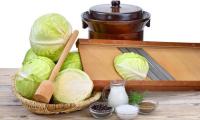
Organic sauerkraut (sauerkraut) is white cabbage (Brassica oleracea) fermented with the help of lactic acid bacteria and pasteurized at a minimum of 60 °C.
-
106 kcal
-
Water 67%
-
70/28/02
-
Ω-6 (LA) 0.18 g
-
Ω-3 (ALA) 0.04 g
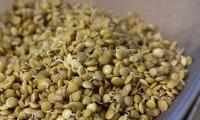
Sprouted lentils (Erve) have a slightly sweet and nutty taste. They can be used raw or cooked. Make sure they are organic.
-
371 kcal
-
Water 11%
-
76/16/08
-
Ω-6 (LA) 2.7 g
-
Ω-3 (ALA) 0.04 g
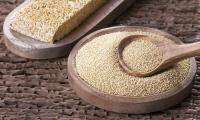
Amaranth (amaranth seeds, kiwicha, raw) contains a balanced amino acid composition and 14% more protein than grains. Gluten-free. Organic?
-
352 kcal
-
Water 10%
-
88/11/01
-
Ω-6 (LA) 0.50 g
-
Ω-3 (ALA) 0.06 g
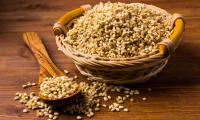
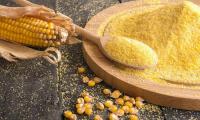
Pearl barley or barley groats are ground barley grains (raw?). Unlike wheat and spelt, barley contains very little gluten. Organic quality?
-
361 kcal
-
Water 11%
-
88/08/04
-
Ω-6 (LA) 1.7 g
-
Ω-3 (ALA) 0.05 g
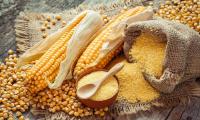
Whole grain corn flour is gluten-free and finer than corn semolina. It consists of ground corn kernels (raw?) and is used for cooking or baking. Organic quality
-
362 kcal
-
Water 10%
-
87/09/04
-
Ω-6 (LA) 1.6 g
-
Ω-3 (ALA) 0.05 g
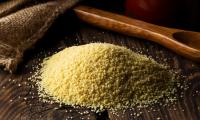
Whole grain corn semolina is gluten-free. It is made from dried, coarsely ground corn kernels (raw?) and used for cooking or baking. Organic?
-
376 kcal
-
Water 9%
-
85/14/01
-
Ω-6 (LA) 0.24 g
-
Ω-3 (ALA) 0.01 g
Couscous, dried (kuskus), is a vegan precursor made from semolina (not raw) and made from millet, durum wheat, spelt or barley (organic?).
-
362 kcal
-
Water 12%
-
88/09/03
-
Ω-6 (LA) 0.92 g
-
Ω-3 (ALA) 0.04 g
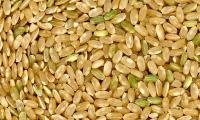
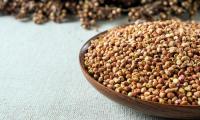
Wholegrain rice, medium grain (organic?), is brown rice, not hulled and tastes good as a healthy risotto. All vitamins and minerals are retained when eaten raw.
-
329 kcal
-
Water 12%
-
84/12/04
-
Ω-6 (LA) 1.5 g
-
Ω-3 (ALA) 0.06 g
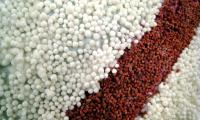
Raw sorghum (sweet millet): Sorghum grains are slightly larger than those of common millet. The seeds from this family of sweet grasses are gluten-free. Organic
-
358 kcal
-
Water 11%
-
100/00/00
-
Ω-6 (LA) 0.00 g
-
Ω-3 (ALA) 0.00 g
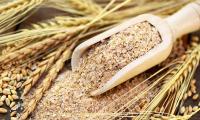
Tapioca balls (organic?) are suitable as a binding agent in Asian cuisine. They consist of gluten-free tapioca starch from the cassava root. Never raw!
-
216 kcal
-
Water 10%
-
77/18/05
-
Ω-6 (LA) 2.0 g
-
Ω-3 (ALA) 0.17 g
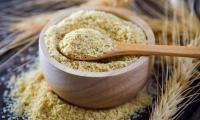
Wheat bran (raw) remains as a byproduct of flour production. Bran (organic?) is rich in nutrients and supports the intestines in case of digestive problems.
-
360 kcal
-
Water 11%
-
61/27/11
-
Ω-6 (LA) 5.3 g
-
Ω-3 (ALA) 0.72 g
Wheat germ is the part of the wheat grain that is richest in vitamins and minerals. It is sold organically, but not raw, but thermally treated (heated).
-
198 kcal
-
Water 48%
-
83/15/02
-
Ω-6 (LA) 0.53 g
-
Ω-3 (ALA) 0.03 g
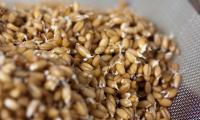
Germinated wheat or wheat germ, especially raw and organic, has a broad spectrum of valuable ingredients.
-
357 kcal
-
Water 8%
-
83/16/01
-
Ω-6 (LA) 0.38 g
-
Ω-3 (ALA) 0.30 g
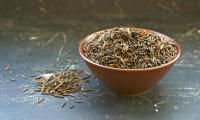
The nutty-tasting, aromatic wild rice is not a wild form of rice, but a water grass, hence also called water rice (raw?, organic?).
-
348 kcal
-
Water 7%
-
82/16/02
-
Ω-6 (LA) 0.53 g
-
Ω-3 (ALA) 0.03 g
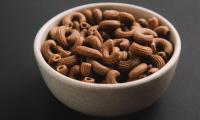
Wholemeal macaroni usually consists of durum wheat flour, water and salt, so it is usually vegan - it is rarely available in organic quality.
-
43 kcal
-
Water 88%
-
84/12/04
-
Ω-6 (LA) 0.19 g
-
Ω-3 (ALA) 0.09 g
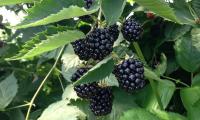
Blackberries (blackberries, Rubus, better in organic quality) can be eaten raw or used to make desserts.
-
31 kcal
-
Water 91%
-
83/13/04
-
Ω-6 (LA) 0.16 g
-
Ω-3 (ALA) 0.03 g
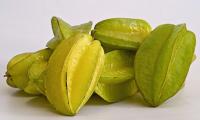
The raw and decorative star fruit has health-promoting properties. Consumption is not recommended for people with kidney failure. Organic?
-
75 kcal
-
Water 79%
-
89/08/03
-
Ω-6 (LA) 0.03 g
-
Ω-3 (ALA) 0.16 g
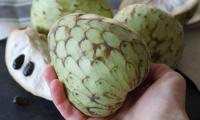
Cherimoya (Annona Cherimola) is an exotic, very sweet fruit. Raw, it contains many vitamins and secondary plant substances. Prefer organic.
-
50 kcal
-
Water 86%
-
90/07/02
-
Ω-6 (LA) 0.05 g
-
Ω-3 (ALA) 0.04 g
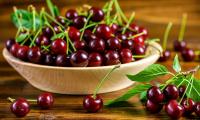
Raw, red sour cherries (Prunus cerasus) have a sour taste. Suitable for making jam and compote. Organic?
-
56 kcal
-
Water 84%
-
90/09/01
-
Ω-6 (LA) 0.05 g
-
Ω-3 (ALA) 0.04 g
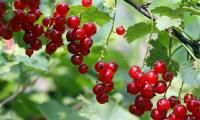
Raw currants (red or white, redcurrants) have a slightly sour taste and offer health benefits. Organic?