
Foundation
Diet and Health
The best perspective for your health
The best perspective for your health
The best perspective for your health
The best perspective for your health
Showing 381-400 of 604 items.
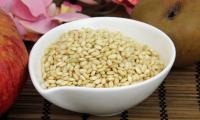
-
350 kcal
-
Water 12%
-
90/08/01
-
Ω-6 (LA) 0.39 g
-
Ω-3 (ALA) 0.01 g
Sweet brown rice or mochi rice (mochi rice, raw) is a wholegrain round rice with sticky properties. It comes from Japan and is suitable for desserts. Organic?
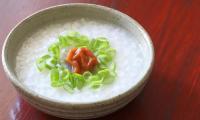
-
34 kcal
-
Water 70%
-
88/09/02
-
Ω-6 (LA) 0.04 g
-
Ω-3 (ALA) 0.01 g
Umeboshi paste (Neriume, Bainiku), made from ume fruit, has a very salty taste and a fruity-sour note.
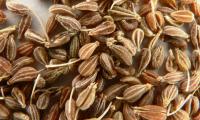
-
337 kcal
-
Water 10%
-
60/21/19
-
Ω-6 (LA) 3.2 g
-
Ω-3 (ALA) 0 g
Anise fruits (anise seeds) are used in the production of baked goods, stews or cabbage. The seeds can be bought in raw and organic quality.
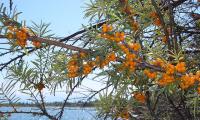
-
92 kcal
-
Water 83%
-
52/08/40
-
Ω-6 (LA) 2.6 g
-
Ω-3 (ALA) 1.8 g
Raw sea buckthorn berries taste very sour and tart. Sea buckthorn has a lot of vitamin C. Organic quality? Does it contain vitamin B12?
-
239 kcal
-
Water 32%
-
93/05/01
-
Ω-6 (LA) 0.36 g
-
Ω-3 (ALA) 0.01 g
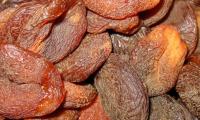
Dried peaches are available in sulphured and unsulfured form. Organic quality is preferable. Due to the high drying temperature, they are rarely raw.
-
73 kcal
-
Water 78%
-
90/10/00
-
Ω-6 (LA) 0.17 g
-
Ω-3 (ALA) 0.04 g
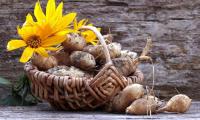
Jerusalem artichokes have a sweet, nutty taste and can be eaten raw. They have a variety of health benefits and are suitable for diabetics. Organic?
-
109 kcal
-
Water 75%
-
32/48/20
-
Ω-6 (LA) 1.6 g
-
Ω-3 (ALA) 0.33 g
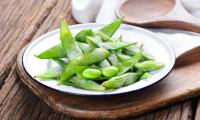
Edamame are green, unripe soybeans. When frozen, the beans take less time to cook because they are usually blanched briefly beforehand. Organic?
-
74 kcal
-
Water 83%
-
78/13/09
-
Ω-6 (LA) 0.66 g
-
Ω-3 (ALA) 0.02 g
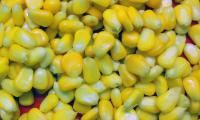
Canned sweet corn is pre-cooked corn kernels. Unlike other types of corn, it loses its sweet taste late before it ripens. Organic?
-
97 kcal
-
Water 75%
-
85/13/02
-
Ω-6 (LA) 0.09 g
-
Ω-3 (ALA) 0.07 g
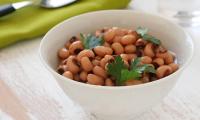
Cooked cowpeas (unripe seeds) are rich in protein. Also called cowpea, black-eyed pea and snake bean. Organic quality?
-
884 kcal
-
Water 0%
-
00/00/100
-
Ω-6 (LA) 13 g
-
Ω-3 (ALA) 0.96 g
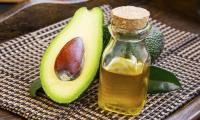
Avocado oil is obtained from the fruit of the avocado tree. Cold-pressed oil is usually raw, tastes aromatic to slightly fruity and is also available organicall
-
296 kcal
-
Water 10%
-
88/11/01
-
Ω-6 (LA) 0.14 g
-
Ω-3 (ALA) 0.01 g
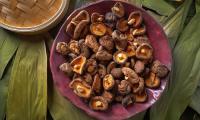
It is recommended to soak dried shiitake mushrooms (pasania mushroom, shii-take) before preparation. This way they go well with risotto, soups, etc. (Organic?)
-
331 kcal
-
Water 9%
-
76/06/18
-
Ω-6 (LA) 1.2 g
-
Ω-3 (ALA) 1.1 g
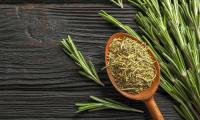
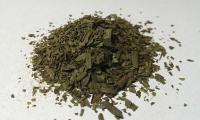
Dried rosemary (sea dew, rosemary) tastes spicy, resinous and a little bitter. It is mainly used as a spice. Prefer organic quality.
-
295 kcal
-
Water 8%
-
63/28/09
-
Ω-6 (LA) 0.74 g
-
Ω-3 (ALA) 3.0 g
Dried tarragon is an aromatic kitchen spice. It contains a lot of potassium and aids digestion. Raw? Organic?
-
475 kcal
-
Water 8%
-
56/07/36
-
Ω-6 (LA) 4.3 g
-
Ω-3 (ALA) 0.08 g
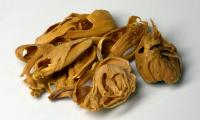
Mace is the seed coat of the nutmeg (mace flower). When ground, it is used as a spice in the kitchen and has an aromatic, resinous, slightly bitter taste.
-
884 kcal
-
Water 0%
-
00/00/100
-
Ω-6 (LA) 70 g
-
Ω-3 (ALA) 0.10 g
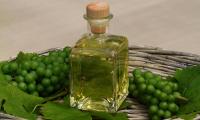
Grape seed oil is pressed from the seeds of grapes, but it contains far too much linoleic acid to be healthy.
-
884 kcal
-
Water 0%
-
00/00/100
-
Ω-6 (LA) 10 g
-
Ω-3 (ALA) 0 g
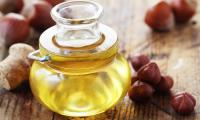
Hazelnut oil is a spicy vegetable oil with a nutty taste. Like other native nut oils, it can be used wonderfully to refine dressings.
-
16 kcal
-
Water 94%
-
70/26/04
-
Ω-6 (LA) 0.02 g
-
Ω-3 (ALA) 0.06 g
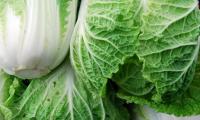
Chinese cabbage is a popular, low-calorie, easily digestible vegetable whether raw, fermented or cooked. It is readily available in organic quality.
-
160 kcal
-
Water 60%
-
96/03/01
-
Ω-6 (LA) 0.03 g
-
Ω-3 (ALA) 0.02 g
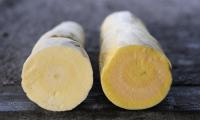
Cassava is not edible raw because of its glucosides, mainly linamarin. The root is used as a remedy to treat ulcers. Organic?
-
12 kcal
-
Water 97%
-
74/20/05
-
Ω-6 (LA) 0.00 g
-
Ω-3 (ALA) 0.00 g
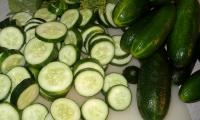
Peeled cucumbers are used raw mainly in salads or as a snack. If the cucumbers are not organic, they should be peeled.
-
26 kcal
-
Water 92%
-
86/13/01
-
Ω-6 (LA) 0.00 g
-
Ω-3 (ALA) 0.00 g
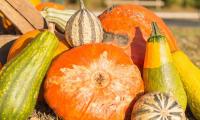
Many pumpkins are edible both raw and cooked. See also vegan pumpkin recipes. Bitter gourd: do not use even cooked.