This page was translated through Google Translator
Potassium, K
Potassium supports nerve impulse transmission in the body and contributes to fluid balance. A deficiency can have serious consequences. Learn why a balanced potassium intake is crucial for your health.
We provide science-based information on health, nutrition, and sustainability — independent of sponsors, the food industry, and dietary supplement manufacturers. Find out more: our mission.
A balanced, plant-based diet with few to no industrially processed foods generally provides sufficient macro- and micronutrients, with the exception of vitamin B12. However,phytochemicalsare particularly relevant for maintaining health and healing, even though they are not considered essential nutrients – apart from vitamins.
---
Definition
Potassium (K) is the most abundant cation in intracellular fluid. The majority of the body's potassium is located in the intracellular space of skeletal muscle.7
Occurrence
Potassium is widely distributed in foods derived from living tissues. Fruits and vegetables have a higher potassium concentration than grains and meat. Good sources of potassium include herbs, legumes, and nuts: for example, dried parsley (2683 mg/100 g), dried basil (2630 mg), white beans (1795 mg), almonds (733 mg), and chickpeas (718 mg), as well as vegetables such as spinach (558 mg) or lamb's lettuce (459 mg). Among fruits, bananas contain a lot of potassium (358 mg).
Storage and preparation losses
Boiling in water, pressure-cooking, and microwave cooking reduce the potassium content, especially in grain products, fruits, meat, legumes, and leafy and brassica vegetables. Soaking significantly reduces the potassium content in tubers, roots, and leafy vegetables. Steaming and dry heating also reduce the potassium content, but less so than the other methods. Potassium is lost during washing and boiling in water; therefore, food should not be rinsed for too long, and the cooking water should be used.2,12
Nutrition - Health
Potassium is an essential mineral and belongs to the alkali metals. Essential means that our body cannot produce (synthesize) it itself, but requires it in certain amounts. As an intracellular ion (K+), potassium plays an important role in cell functions, including maintaining fluid balance and cell osmolality.8
The actual potassium requirement depends on a person's genetic predisposition, blood pressure status, and sodium intake. A precise requirement for potassium cannot be determined. The estimated adequate intake for healthy adults is 4 g per day.7,9
Deficiency symptoms
According to the National Nutrition Survey (NVS II, 2008), a particularly high number of young people (7 % of men, 17 % of women) do not reach the recommended daily potassium intake. This percentage decreases with age.10
Hypokalemia (potassium deficiency) is usually caused by excessive potassium loss—for example, through prolonged vomiting or the use of diuretics. Symptoms of potassium deficiency include fatigue, muscle weakness and cramps, constipation, bloating, and abdominal pain. Severe hypokalemia can lead to muscle paralysis, arrhythmias (irregular heartbeats), and cardiac arrest and requires prompt medical attention.1,4
Potassium Oversupply
In individuals with acute or chronic renal insufficiency (kidney failure) or adrenal insufficiency (Addison's disease), potassium homeostasis is disrupted by significantly reduced potassium excretion via the kidneys. Besides kidney dysfunction, the following diseases or factors can also lead to potassium excess: diabetes mellitus, insulin deficiency, hypoaldosteronism (aldosterone deficiency), acidosis (excess acidity in the body), and heart failure.
Elevated potassium levels lead to a decrease in the membrane potential of nerve and muscle cells. This manifests as neuromuscular symptoms such as general muscle weakness (heavy legs and breathing difficulties), paresthesia in the hands and feet (abnormal sensations such as tingling, numbness, and itching), paralysis (only in extreme cases), and bradycardia (slowed heart rate).1,2,4,5
Functions in the body
Potassium has several functions in the body, including the following:1,2,13
Besides maintaining osmotic pressure in the cell, potassium is responsible for cell volume and the regulation of water balance.
Maintaining the potential difference across membranes. Potassium plays a crucial role in this function, particularly for cell excitability. This includes normal neuromuscular excitability, impulse generation, and cardiac conduction. Maintaining this membrane potential depends heavily on the sodium -potassium ratio in the diet, or rather, a balanced sodium-potassium ratio.
Regulation of cell growth.
Transport processes in the kidneys and intestines, including for glucose and amino acids.
Maintaining normal blood pressure.
Regulation of the acid-base balance.
Influencing the release of hormones (e.g., insulin hormone from the beta cells).
Carbohydrate utilization and protein synthesis (synthesis and breakdown of energy-rich phosphate compounds in intermediary metabolism).
Potassium promotes calcium retention in the kidney.
A meta-regression analysis of 67 clinically controlled trials concluded that sodium reduction (e.g., by reducing table salt intake) and increased potassium intake significantly reduced the incidence of cerebrovascular accidents (stroke), coronary heart disease, myocardial infarction, and other cardiovascular events.6,11
Absorption and Metabolism
Potassium absorption, which occurs primarily in the upper sections of the small intestine, is rapid and highly efficient (≥ 90 %) via passive diffusion. Intestinal (gut-related) potassium absorption is largely independent of the orally ingested amount and averages between 2.7 and 5 g/day.1Magnesium deficiency reduces potassium absorption. Potassium levels are primarily regulated by the kidneys.1,2
Storage - Consumption - Losses
Unlike sodium, potassium is predominantly located intracellularly (within the cell). Potassium is the most significant cation in the intracellular space. Approximately 98% of the total potassium in the human body is found inside cells. Men have an average total potassium content of about 140 g, and women about 105 g. The potassium content of cells varies depending on the specific tissue and reflects their metabolic activity. Muscle cells contain the highest proportion of this mineral (60 %), followed by erythrocytes (red blood cells) (8 %), liver cells (6 %), and other tissue cells (4 %).1,2,4,5
Potassium homeostasis, or the distribution of potassium between the intracellular and extracellular spaces, is regulated by insulin (a hormone that lowers blood glucose levels), aldosterone (a steroid hormone), and catecholamines (hormones or neurotransmitters with a stimulating effect on the cardiovascular system). Furthermore, the ratio of intracellular to extracellular potassium is determined by magnesium and the blood pH.
Potassium is primarily reabsorbed by the kidneys. The body excretes the majority of ingested potassium in the urine. Various factors can influence potassium excretion; for example, a high intake of sodium (the antagonist of potassium) leads to potassium loss.1,2,4,8
Structures
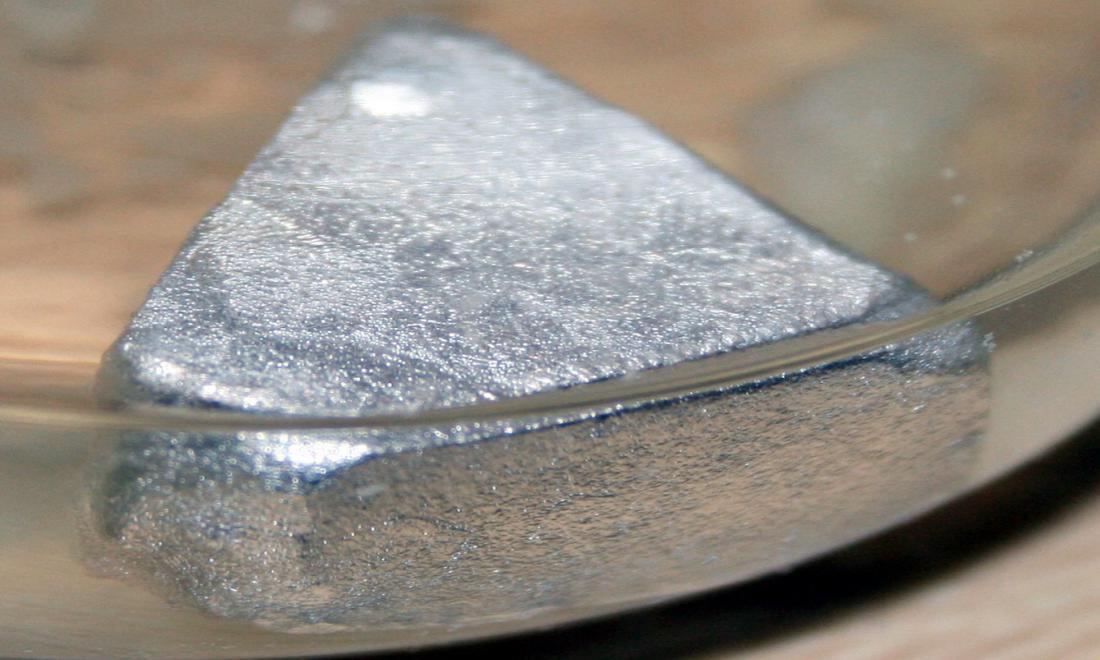
Potassium is a monovalent cation (positively charged ion, K+). It is located in group 1 of the periodic table and thus belongs to the group of alkali metals. 14









Comments